





St. Peter Port
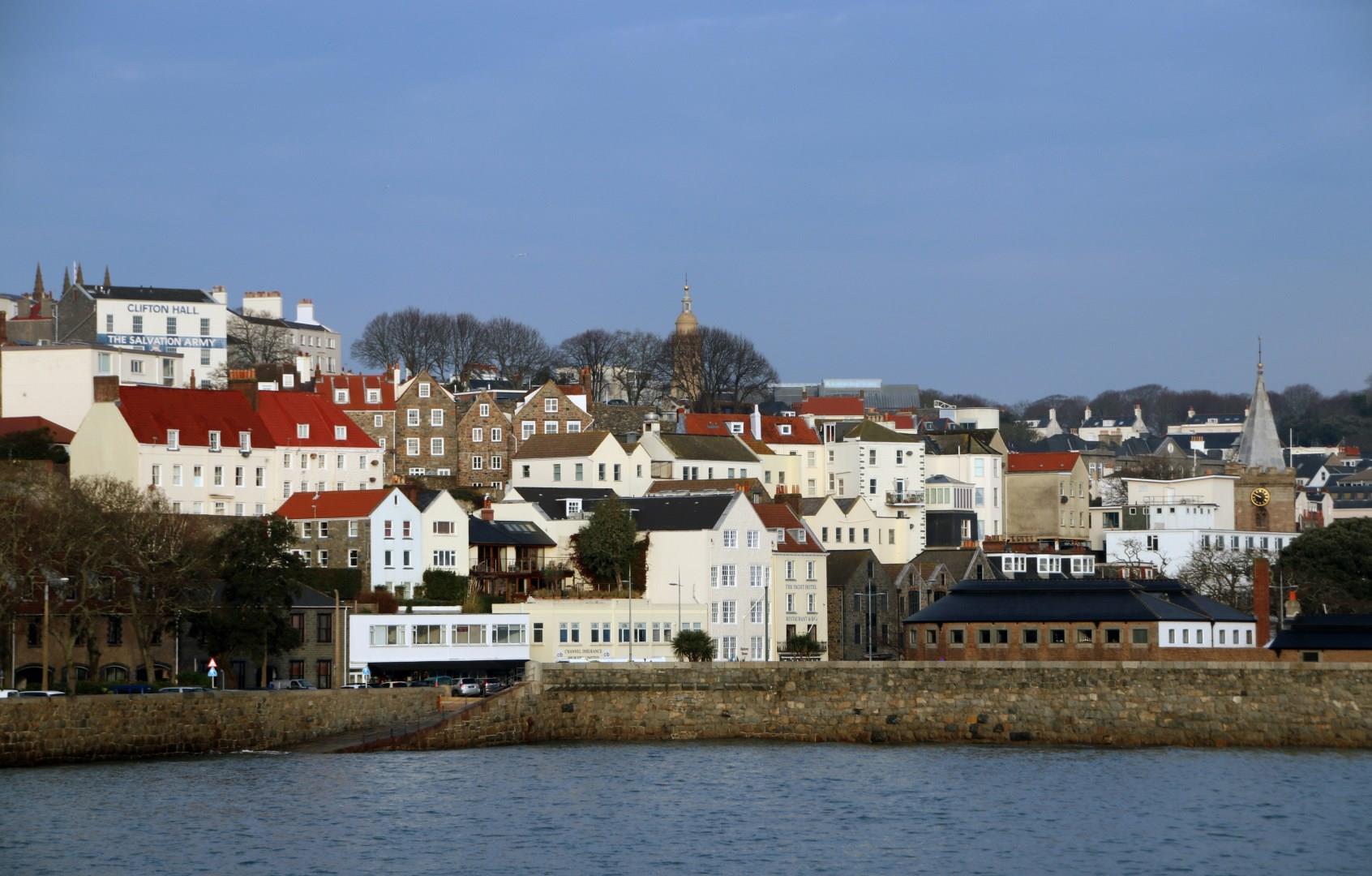

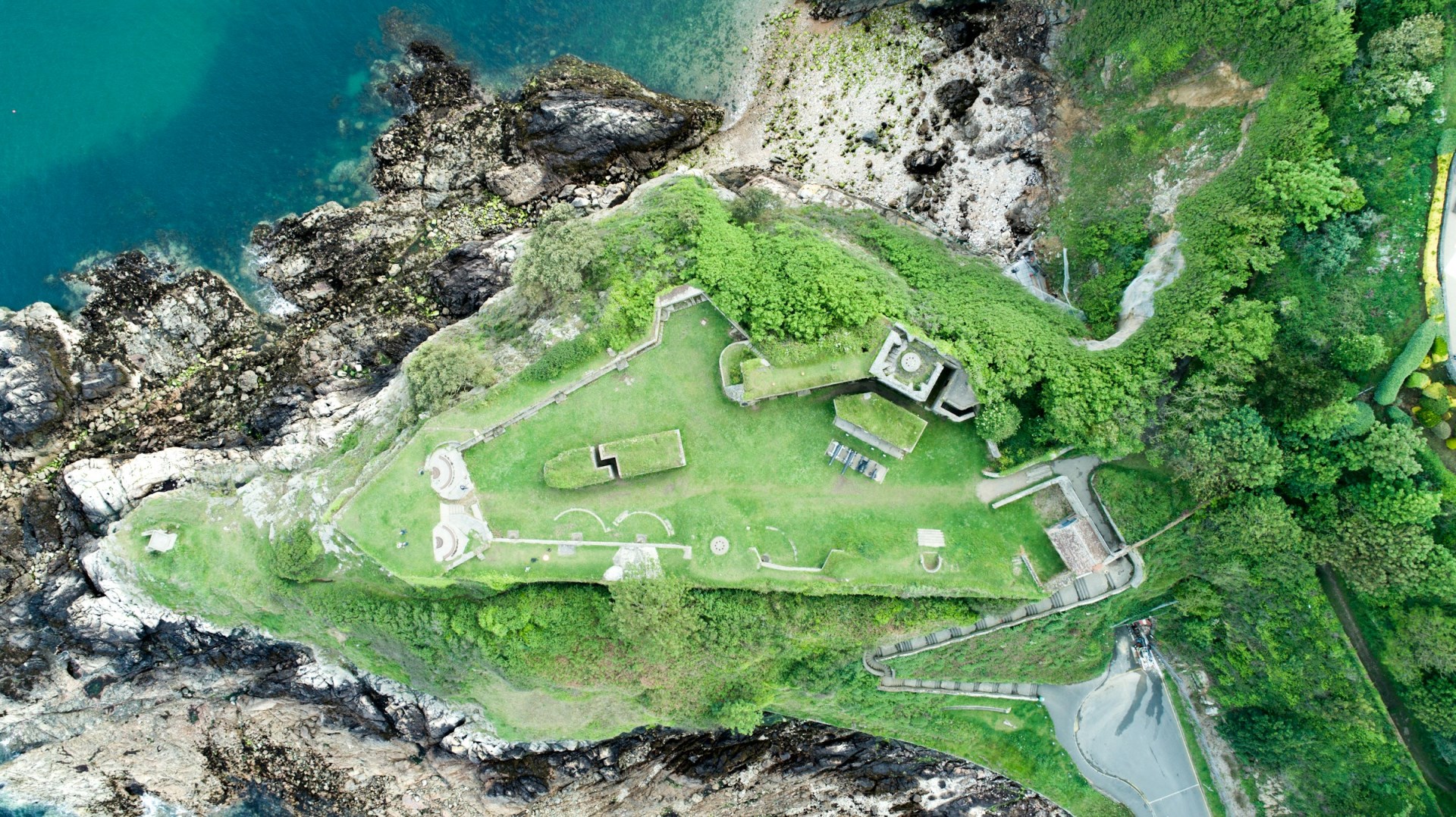


St. Peter Port, the charming capital of Guernsey, is a picturesque harbor town brimming with history and culture. Overlooking the serene waters of St. Peter Port Harbour, this city is renowned for its stunning waterfront views and vibrant maritime atmosphere. The harbor area is perfect for leisurely strolls, offering a mix of historical architecture and bustling market streets. Discover the town’s rich heritage at the Guernsey Museum and Art Gallery, housed in the former Candie Gardens Mansion, which showcases local history and art.
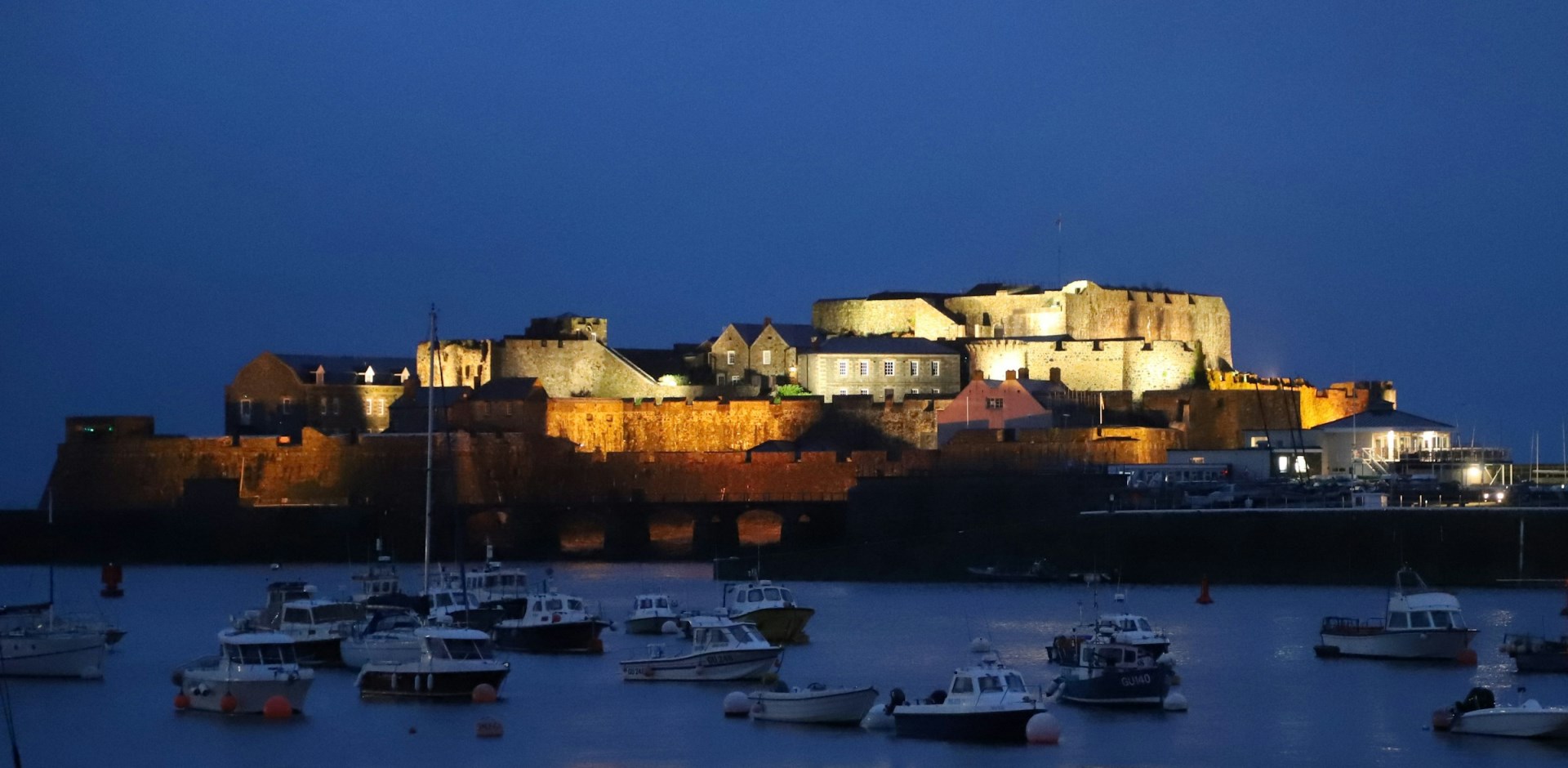
Dominating the skyline, the historic Castle Cornet is a must-visit for history enthusiasts. This medieval fortress has stood guard over St. Peter Port for centuries and now serves as a fascinating museum with exhibits on the island's military and maritime history. Wander through its well-preserved battlements, explore the various museums within its walls, and enjoy panoramic views of the harbor and surrounding islands.
A stroll through the narrow, cobbled streets of St. Peter Port reveals a delightful mix of shops, cafes, and historic buildings. Don’t miss the picturesque St. James Concert & Assembly Hall, an old church now used as a venue for music and cultural events, adding a touch of local flavor to your visit. For those who enjoy botanical beauty, the nearby Candie Gardens offers a tranquil escape with its well-maintained grounds and historical monuments.
Dominating the skyline, the historic Castle Cornet is a must-visit for history enthusiasts. This medieval fortress has stood guard over St. Peter Port for centuries and now serves as a fascinating museum with exhibits on the island's military and maritime history. Wander through its well-preserved battlements, explore the various museums within its walls, and enjoy panoramic views of the harbor and surrounding islands.
A stroll through the narrow, cobbled streets of St. Peter Port reveals a delightful mix of shops, cafes, and historic buildings. Don’t miss the picturesque St. James Concert & Assembly Hall, an old church now used as a venue for music and cultural events, adding a touch of local flavor to your visit. For those who enjoy botanical beauty, the nearby Candie Gardens offers a tranquil escape with its well-maintained grounds and historical monuments.
