




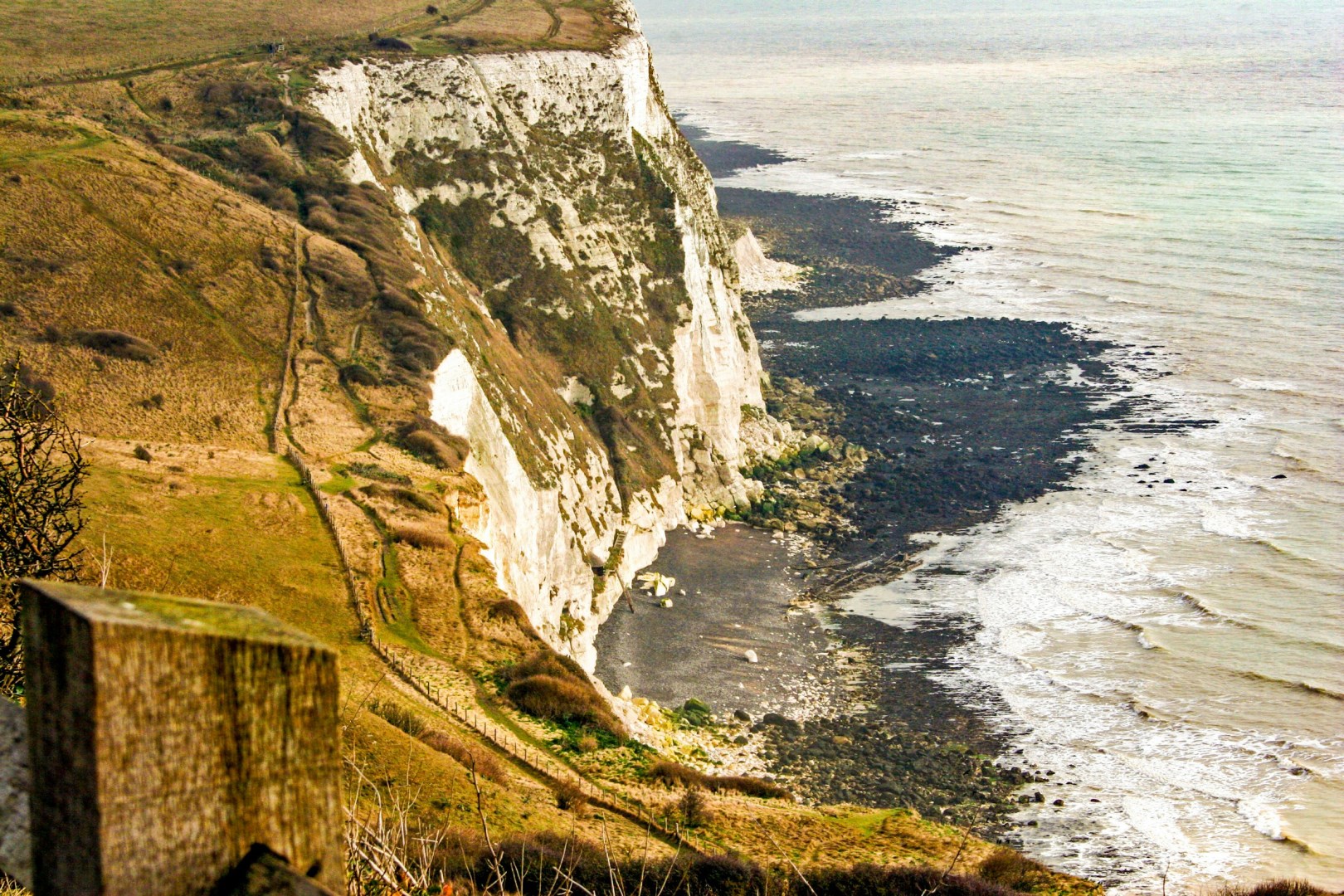

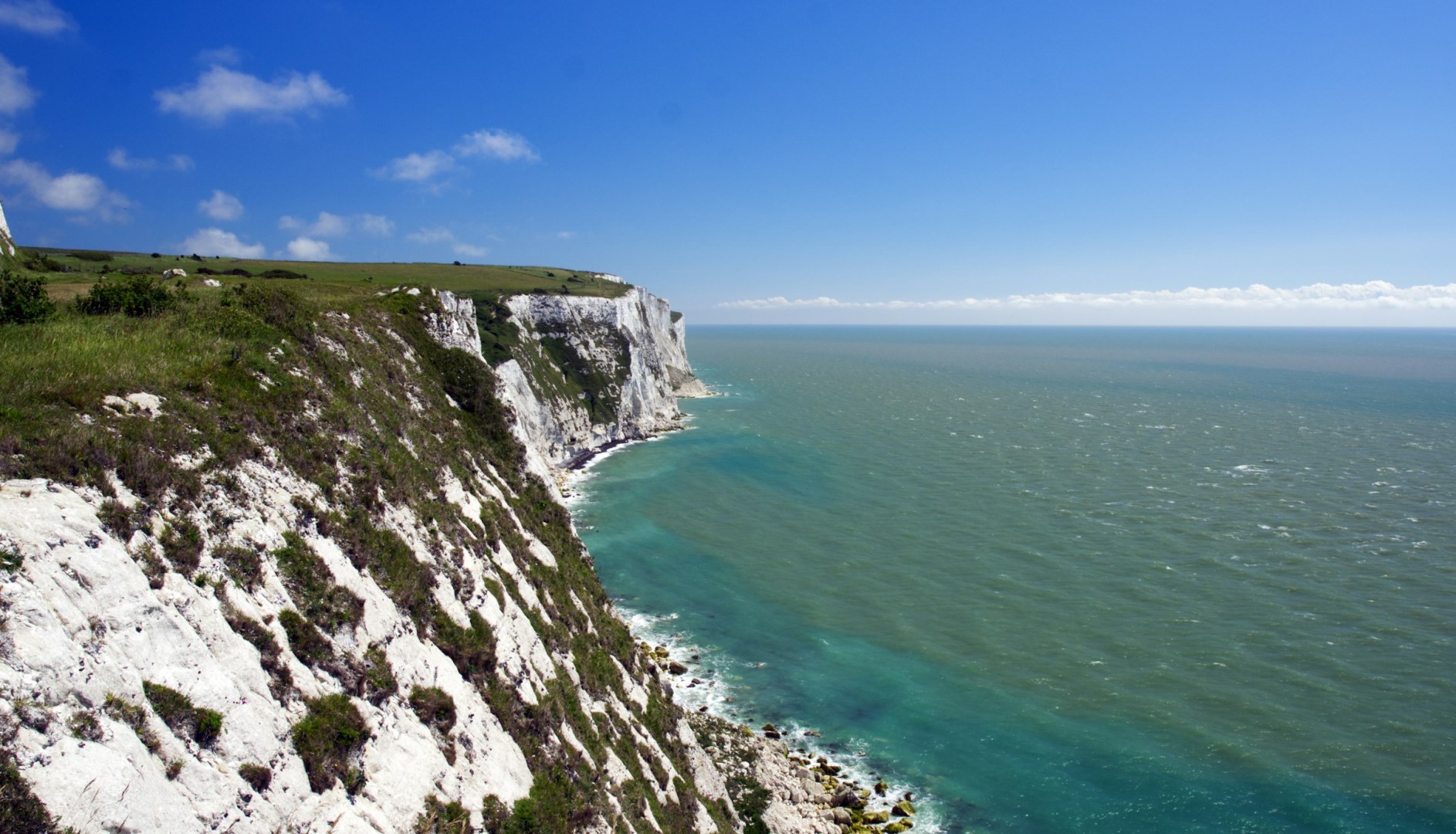

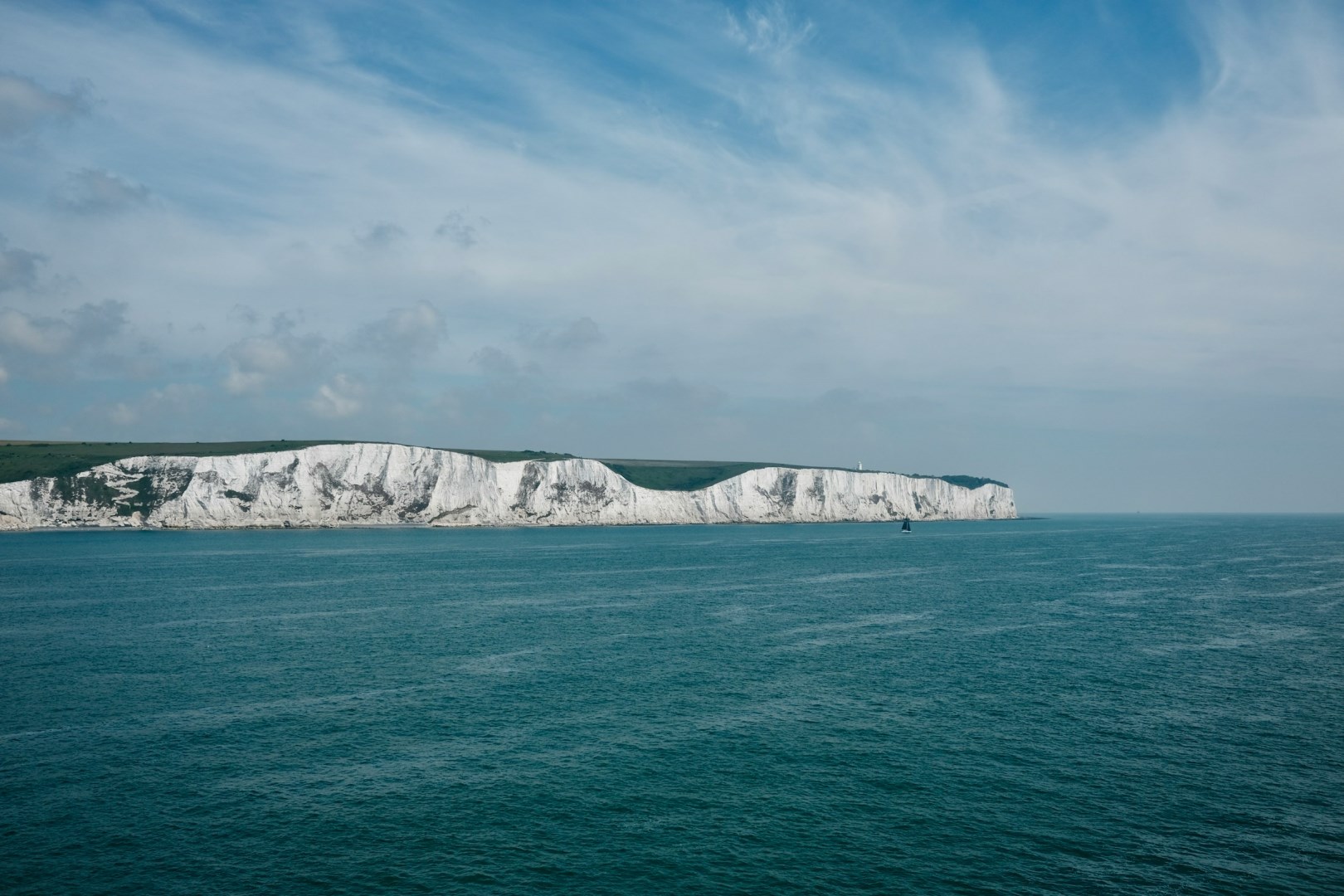



The historic city of Dover, nestled on the southern coast of England, is a captivating destination known for its iconic White Cliffs and strategic maritime heritage. Overlooking the Strait of Dover, these towering chalk cliffs offer breathtaking views across to France and serve as a symbol of Britain's resilience. A visit to the cliffs is a must, with picturesque walking paths and scenic viewpoints that showcase one of the most famous natural landmarks in the UK.
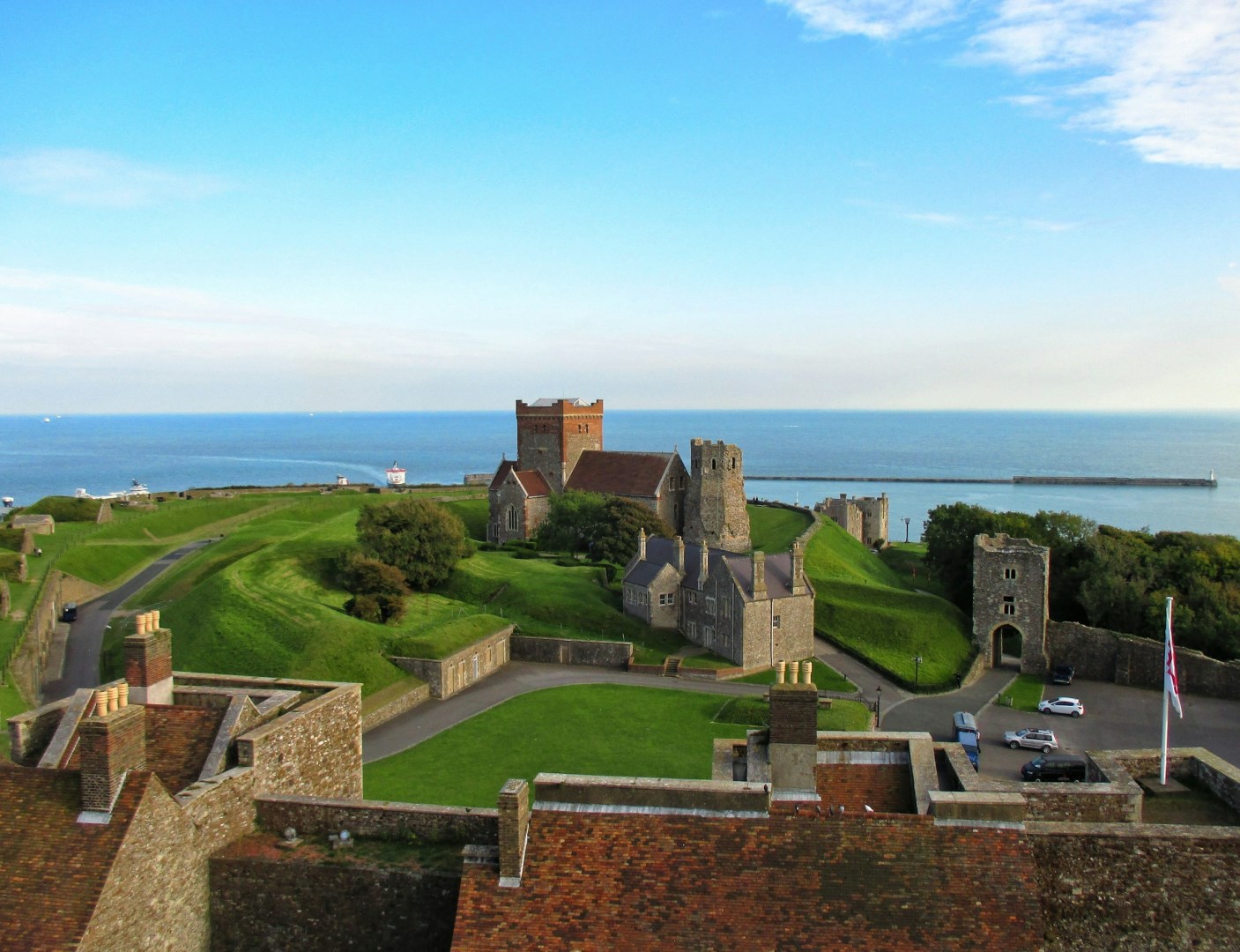
Dover's rich history is equally impressive. The Dover Castle, an imposing fortress dating back to the 11th century, stands sentinel over the city and offers a fascinating glimpse into England’s military past. Explore the castle’s medieval interiors, underground wartime tunnels, and sweeping views from the battlements. The castle has played a pivotal role in British history, including its strategic importance during World War II (English Heritage - Dover Castle). Stroll through Dover’s charming town center to discover its maritime legacy. The Dover Museum, located near the harbor, features exhibits on the city’s seafaring history, including the famous Dover Bronze Age Boat, one of the oldest known seagoing vessels in the world. Nearby, the bustling Dover Marina offers a vibrant mix of shops, restaurants, and coastal walks perfect for a relaxing day out.
Fun Fact: Dover’s cliffs have been a beacon of hope and guidance for seafarers for centuries. The famous phrase “The white cliffs of Dover” has inspired numerous songs and literary works, symbolizing the welcoming sight of England for those crossing the Channel.
Dover's rich history is equally impressive. The Dover Castle, an imposing fortress dating back to the 11th century, stands sentinel over the city and offers a fascinating glimpse into England’s military past. Explore the castle’s medieval interiors, underground wartime tunnels, and sweeping views from the battlements. The castle has played a pivotal role in British history, including its strategic importance during World War II (English Heritage - Dover Castle). Stroll through Dover’s charming town center to discover its maritime legacy. The Dover Museum, located near the harbor, features exhibits on the city’s seafaring history, including the famous Dover Bronze Age Boat, one of the oldest known seagoing vessels in the world. Nearby, the bustling Dover Marina offers a vibrant mix of shops, restaurants, and coastal walks perfect for a relaxing day out.
Fun Fact: Dover’s cliffs have been a beacon of hope and guidance for seafarers for centuries. The famous phrase “The white cliffs of Dover” has inspired numerous songs and literary works, symbolizing the welcoming sight of England for those crossing the Channel.
Other Popular Destinations in England

London is among the world's most visited cities, with countless attractions and a history stretching back two millennia. Visitors will discover historic iconic structures like Westminster Abbey, Big Ben, and Tower Bridge, as well as recent marvels such as London Eye, a giant observation wheel that offers breathtaking views of the whole city.

