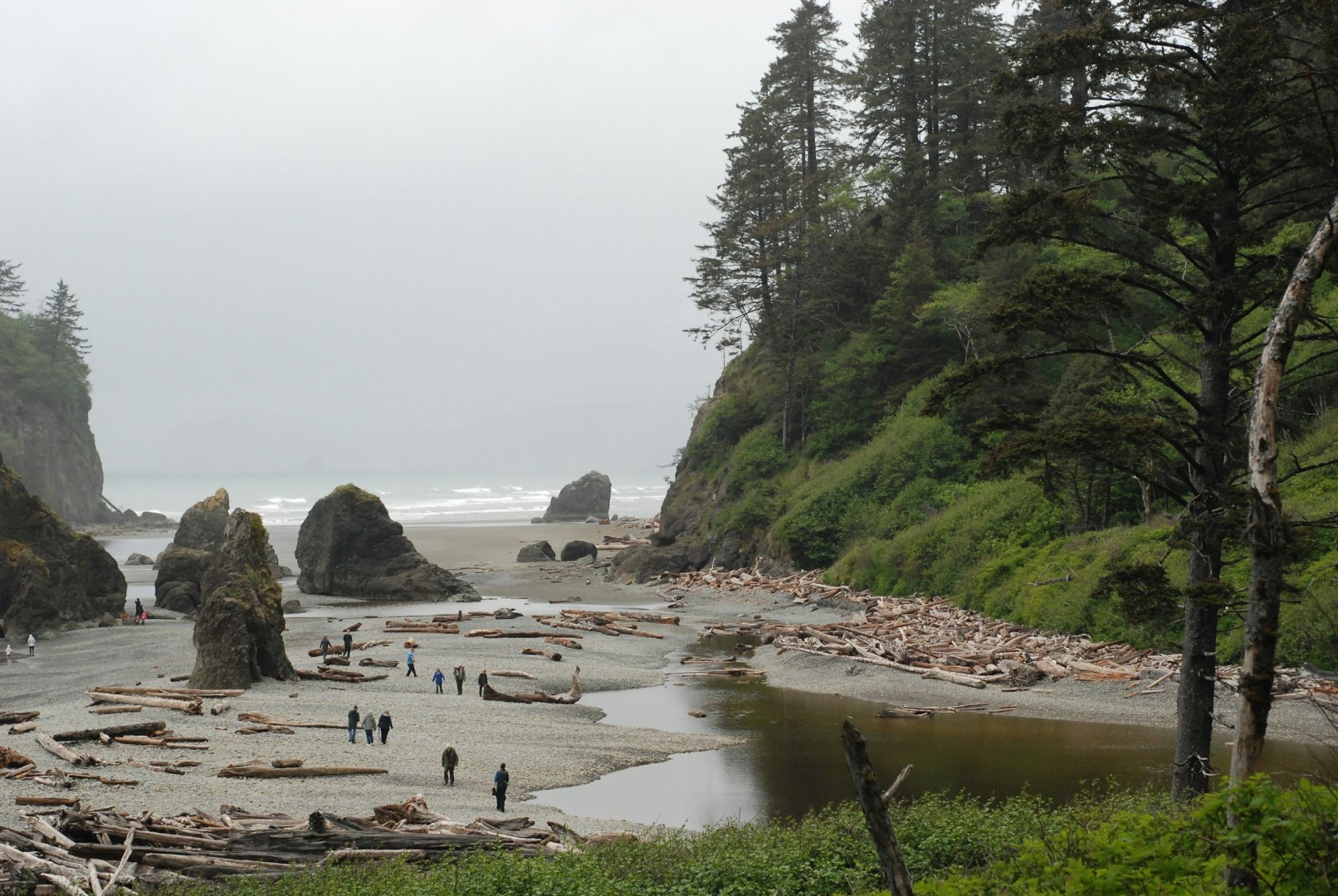
Olympia, the capital of Washington State, is a vibrant city situated at the southern tip of Puget Sound. Known for its scenic waterfront, thriving arts community, and political significance, Olympia offers a unique blend of natural beauty and urban culture.
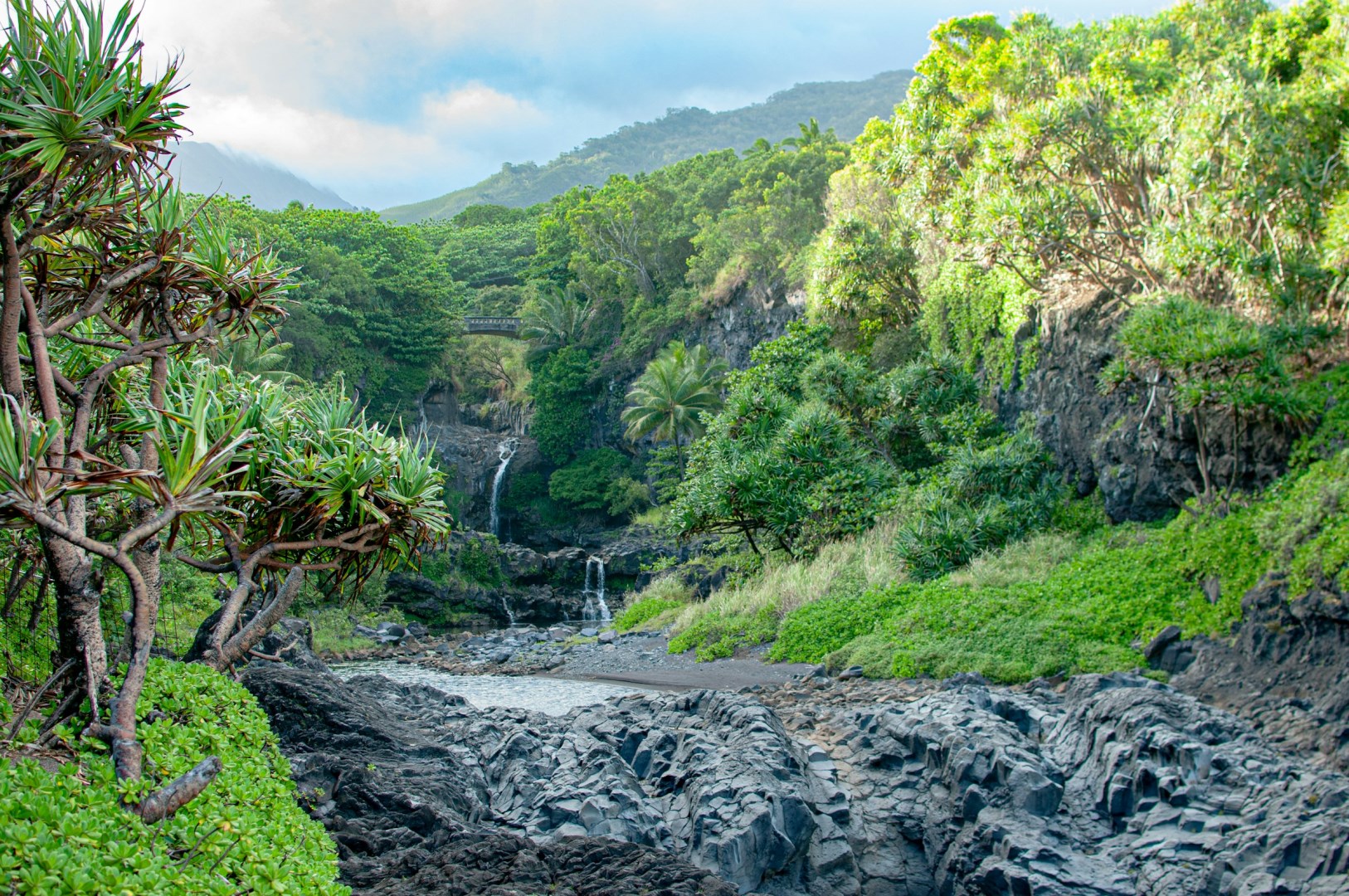
Maui, both second youngest and second largest of the Hawaiian Islands, is home to the world's largest dormant volcano, Haleakala, meaning "House of the Sun." Last erupting about 200 years ago, it makes up the eastern end of the island. Maui was formed by volcanic activity from Haleakala on the east and the West Maui Mountains to the west. The connecting isthmus between the two spots was formed from joining lava from both and gives Maui its nickname, the Valley Isle.
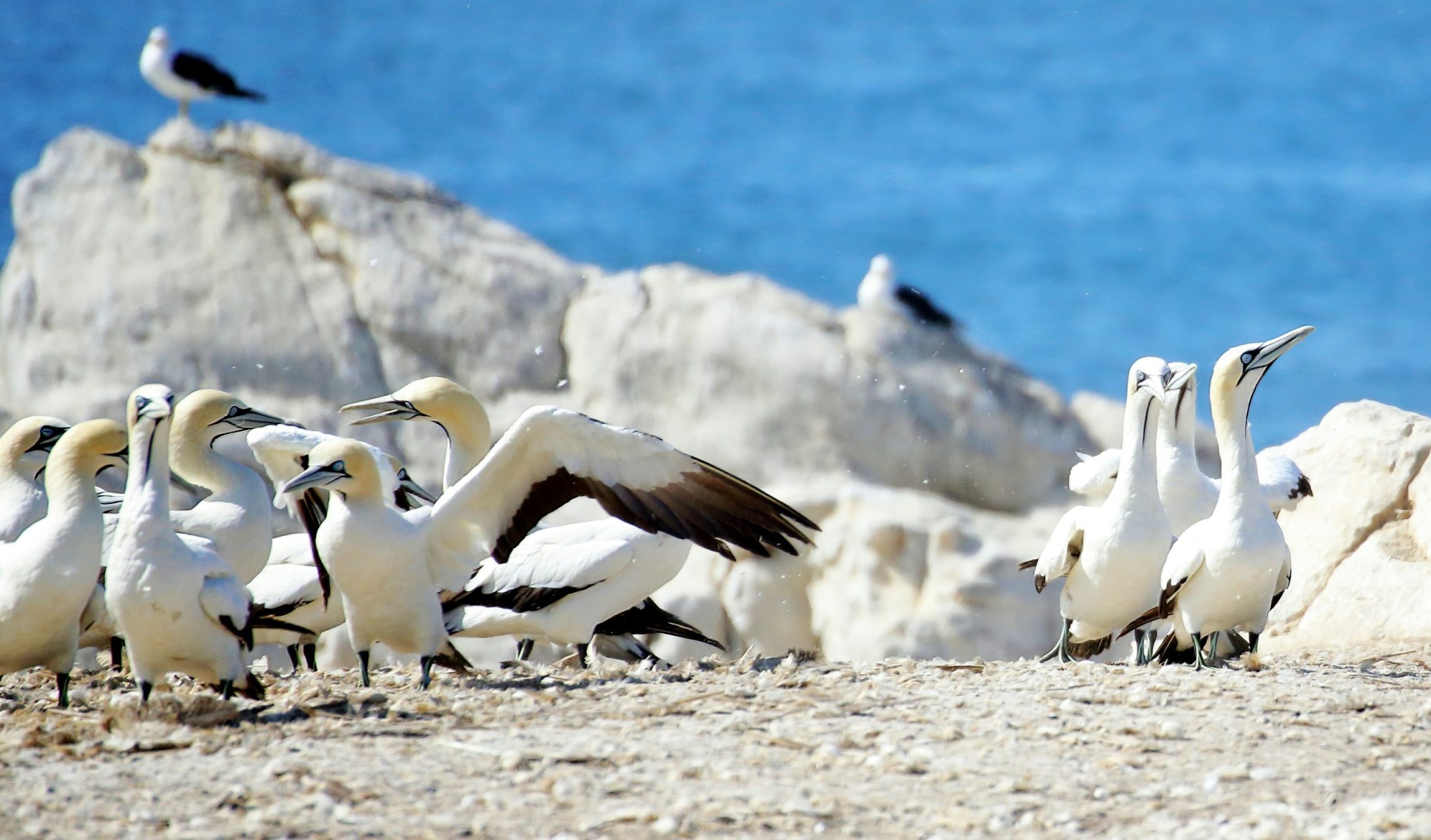
Lambert’s Bay is a small fishing town on South Africa’s West Coast in the Western Cape, positioned beside the Atlantic Ocean. Its setting is defined by a working harbour, sandy beaches, rocky shoreline, and the low, dry vegetation of the West Coast. The town is part of the Cape West Coast Biosphere region and is particularly known for its seabird colonies and fishing industry.
Yucatán, a Mexican state, is popular for its Gulf of Mexico beach areas and spectacular Mayan ruins. It is bordered by the states of Campeche and Quintana Roo. Mexico’s Yucatán Peninsula is also home to mystical cenotes—natural sinkholes filled with crystal-clear water.
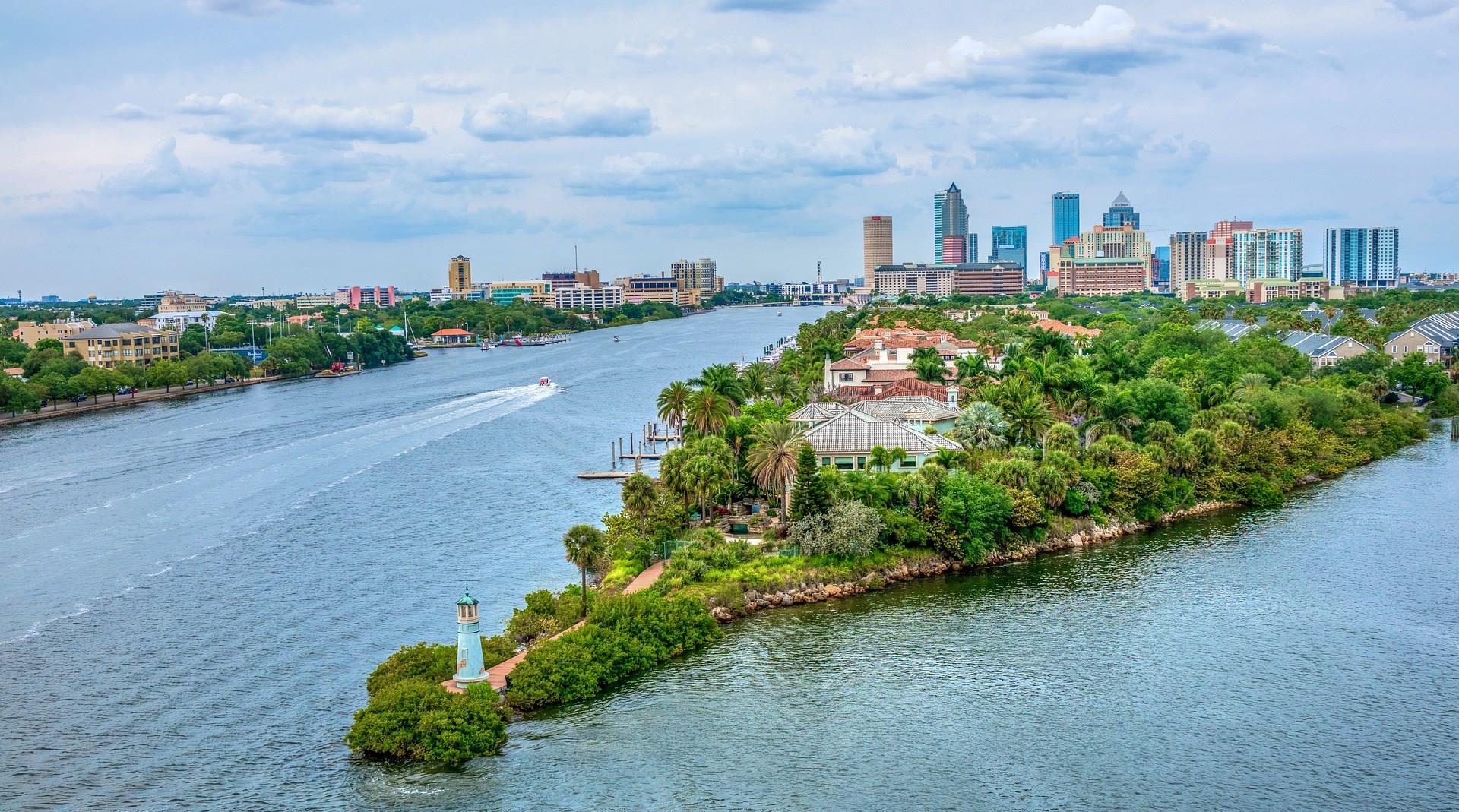
Tampa, Florida, offers more than just sunshine and palm trees, it’s a city with character, history, and plenty of unexpected experiences. Founded as a military outpost in the 19th century, Tampa has grown into a vibrant waterfront city with strong Cuban, Spanish, and Italian influences. This cultural blend is especially noticeable in Ybor City, a historic district known for its red-brick buildings and deep cigar-making roots.
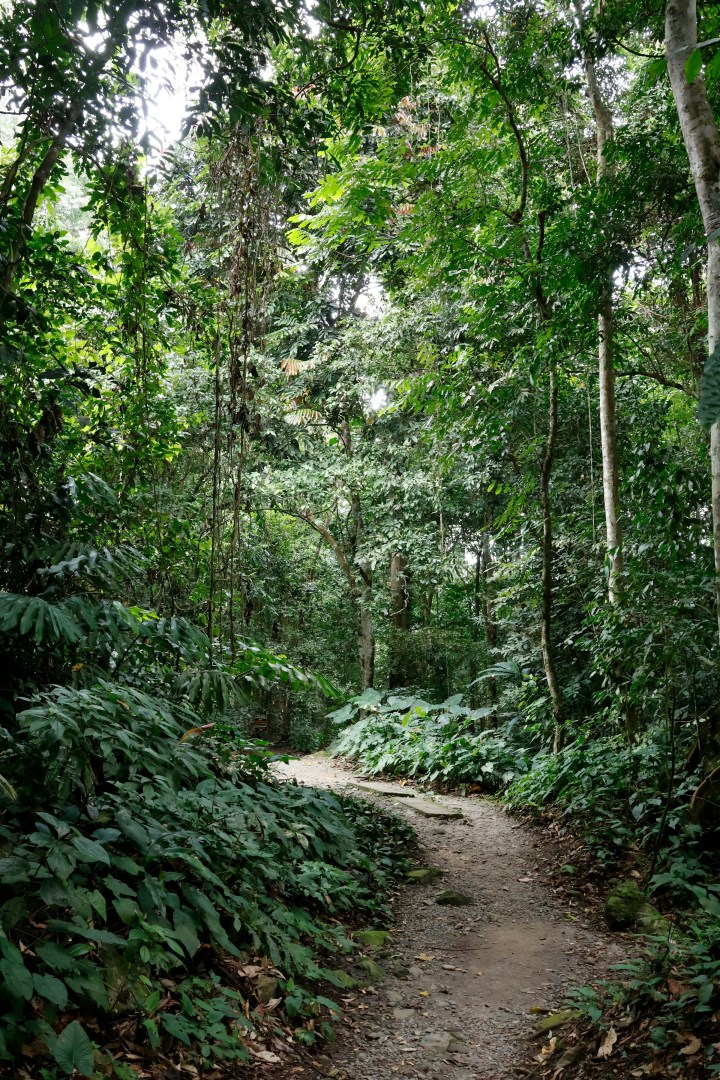
Kinabalu National Park is a protected mountain area in Sabah, Malaysian Borneo, centered on Mount Kinabalu and the surrounding highland forests. The park covers a wide range of elevations, creating distinct habitats from lowland rainforest to montane vegetation and alpine areas.
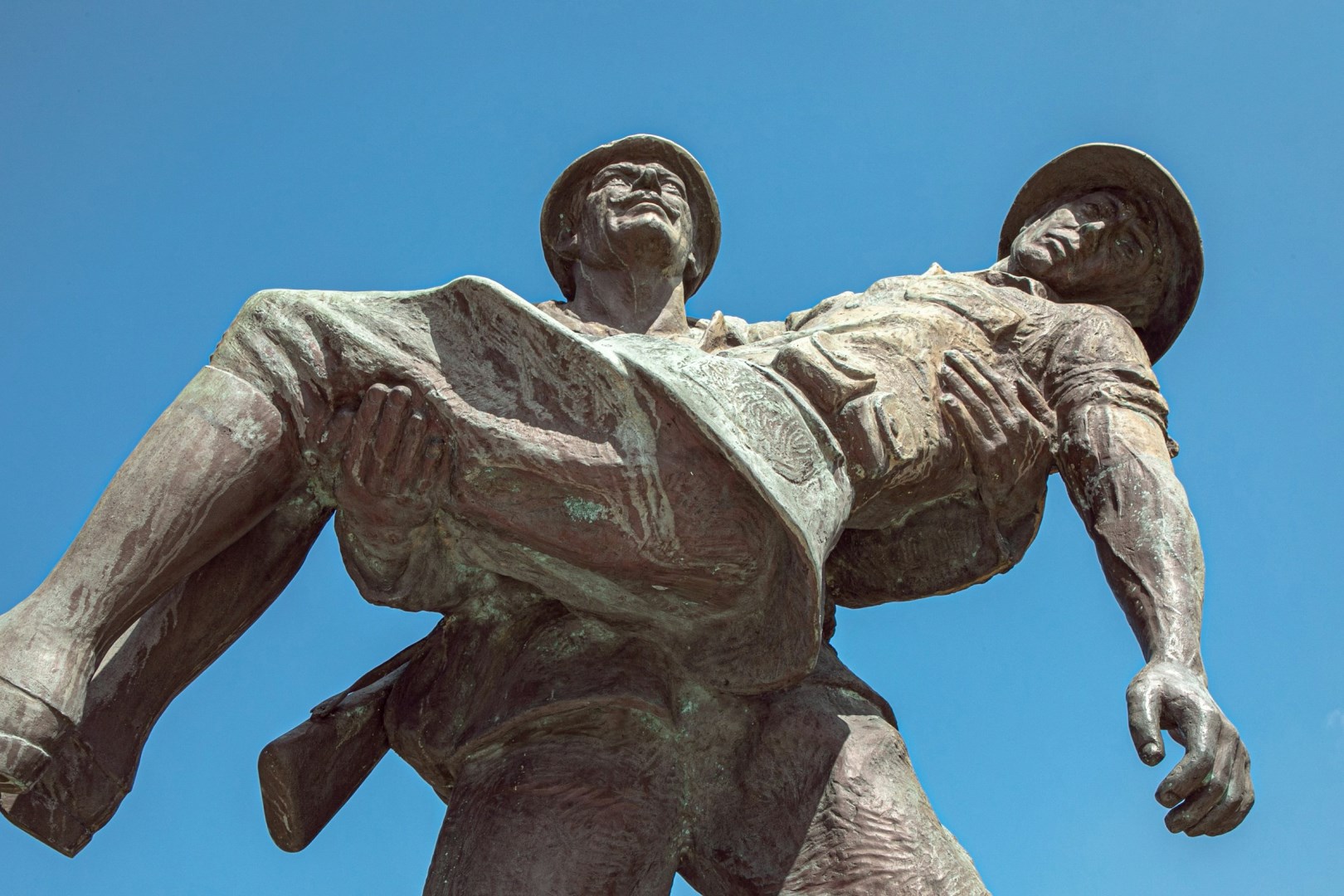
Most people visit Gallipoli for the chilling, contemplative sites of Anzac Cove and Lone Pine Cemetery. To honor the 500,000 soldiers who lost their lives at battle here, this peninsula was made into a National Park.
Other Popular Destinations in Turkey
Istanbul
Istanbul is a city built on layers of empire. Spanning two continents, it was once the capital of three major empires: Roman, Byzantine, and Ottoman. Visitors walking through the Sultanahmet district can witness this timeline firsthand, from the Roman-era Hippodrome to the Byzantine mosaics of Hagia Sophia, and the towering minarets of the Blue Mosque. At nearby Topkapi Palace, rooms still display the jeweled swords, ceremonial robes, and handwritten Qurans once used by Ottoman sultans.
Kuşadası
Kuşadası is a seaside city on Türkiye’s Aegean coast, set around a broad bay with beaches, a marina, and a busy harbor. Its location places it close to several major archaeological sites, including Ephesus, making it an important base for exploring the cultural landscape of western Anatolia. The city itself combines waterfront districts with the narrow streets of Kaleiçi, where shops, cafés, and restaurants occupy traditional buildings.