


USA | Washington | Port Angeles
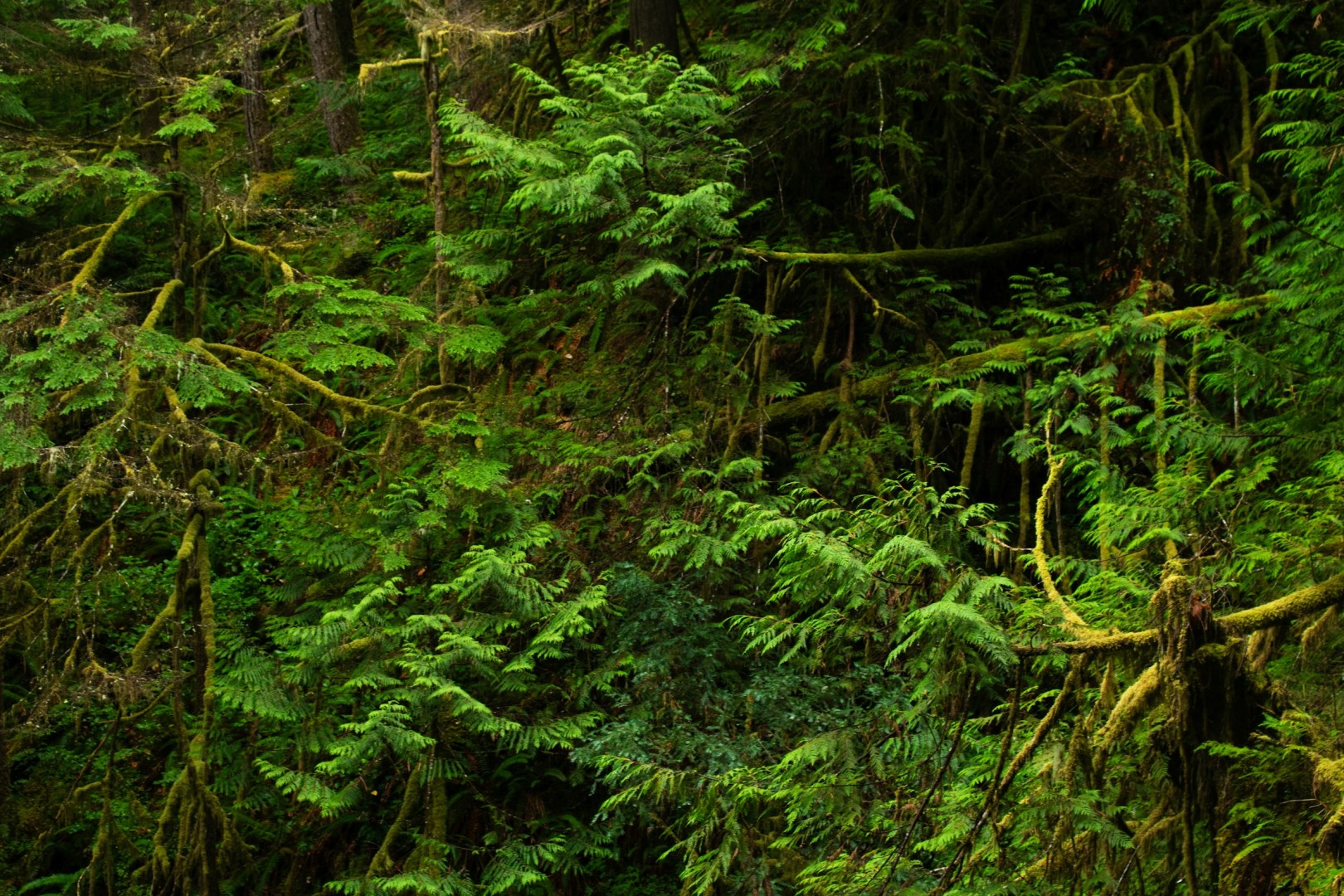

Port Angeles is a coastal city on Washington’s Olympic Peninsula, positioned along the Strait of Juan de Fuca with views toward Vancouver Island and the mountains of Olympic National Park. The city serves as an important gateway to the Olympic Peninsula, combining a working waterfront with a compact downtown, marinas, parks, and nearby forested landscapes. Its location places several contrasting environments within easy reach, from saltwater shoreline and lowland forests to the high peaks and glaciers of the Olympic Mountains.
Port Angeles has longstanding connections to the Lower Elwha Klallam Tribe, whose ancestral lands encompass the area around the city and the Elwha River. The tribe maintains an important cultural presence in the region, while the city’s later development was shaped by maritime trade, fishing, logging, and transportation. The Feiro Marine Life Center and the Museum at the Carnegie provide opportunities to learn about the area’s natural and cultural heritage. The city’s waterfront also reflects its continuing role as a working port and regional transportation center.
Olympic National Park is the major natural attraction surrounding Port Angeles, with the park’s northern entrance located close to the city. Hurricane Ridge provides access to high-elevation mountain scenery, alpine meadows, and panoramic views across the Olympic Mountains. The nearby Elwha Valley contains recovering river ecosystems and forests following the removal of two dams. Within the city, Olympic Discovery Trail follows the waterfront and surrounding communities, while Ediz Hook extends into the Strait of Juan de Fuca and provides views across the water toward Vancouver Island and the Olympic Mountains.
Port Angeles has a food culture influenced by its coastal location and the agricultural resources of the Olympic Peninsula. Local restaurants serve Pacific Northwest seafood, including salmon and Dungeness crab, alongside produce, berries, and other products from nearby farms. The city’s waterfront location also supports recreational boating, fishing, and marine wildlife observation. A distinctive feature of Port Angeles is its position between ocean and mountain environments: visitors can move from a downtown harbor to temperate rainforest and alpine terrain within the same broader region, making the city an important base for exploring the Olympic Peninsula.
Other Popular Destinations in Washington