




Tillamook is a small city on Oregon’s northern coast, located near the head of Tillamook Bay where several rivers meet the Pacific Ocean. The surrounding landscape includes dairy farmland, forested hills, tidal wetlands, and coastal waterways, giving the community a strong connection to both agriculture and the sea. Tillamook serves as a regional center for the surrounding county, with local businesses and services concentrated around its compact downtown. Its location also makes it a useful base for exploring nearby beaches, bays, forests, and coastal state parks.
Tillamook County has long been home to the Tillamook people, whose traditional territory included the coastal region and its waterways. The community’s later development was shaped by logging, farming, fishing, and dairy production, with the fertile valleys around Tillamook Bay supporting agricultural settlement. The Tillamook Air Museum preserves part of the area’s more recent history in a large former blimp hangar, while the Tillamook County Pioneer Museum documents local Indigenous, agricultural, maritime, and settler history. These institutions provide context for the many industries that have shaped the region.
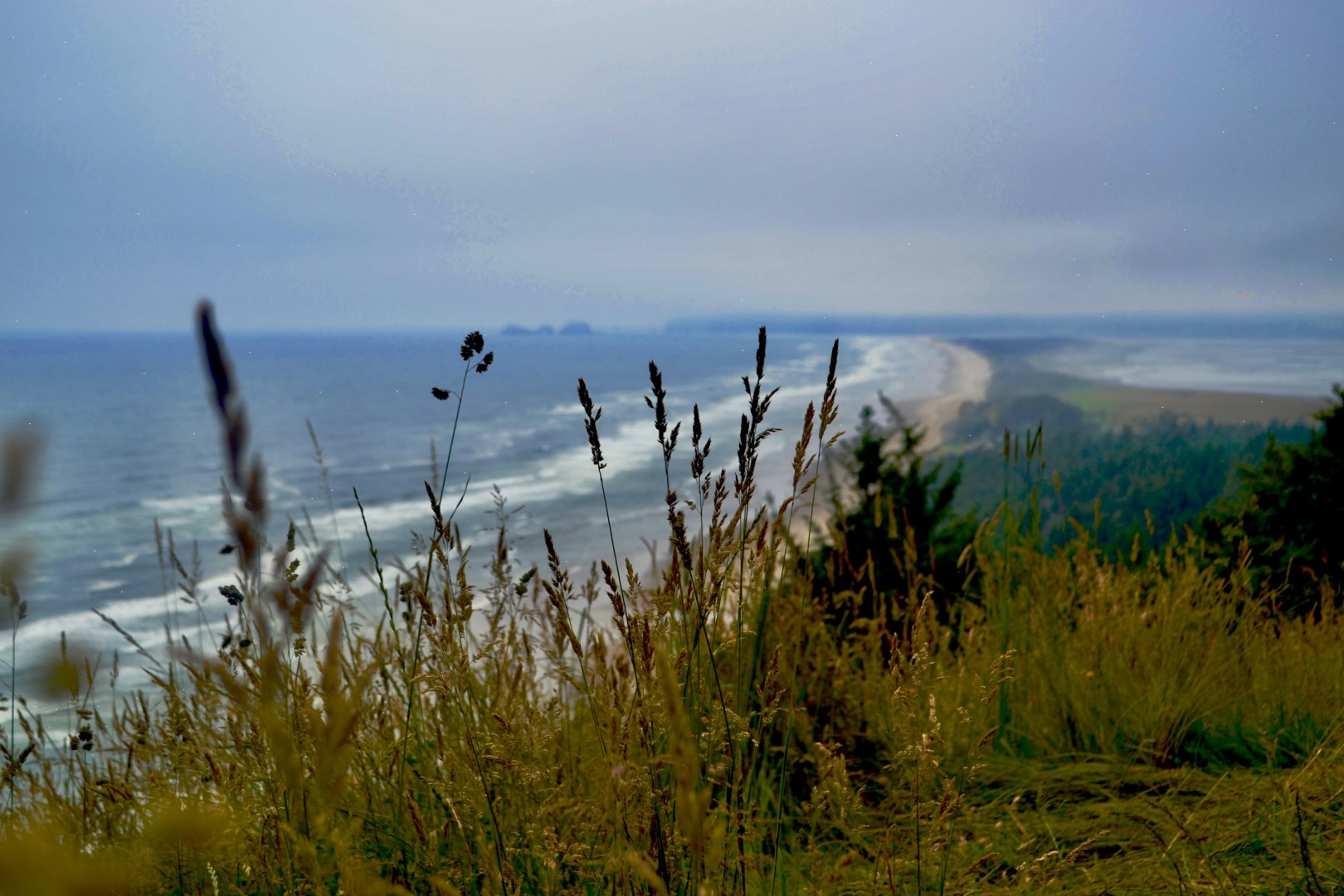
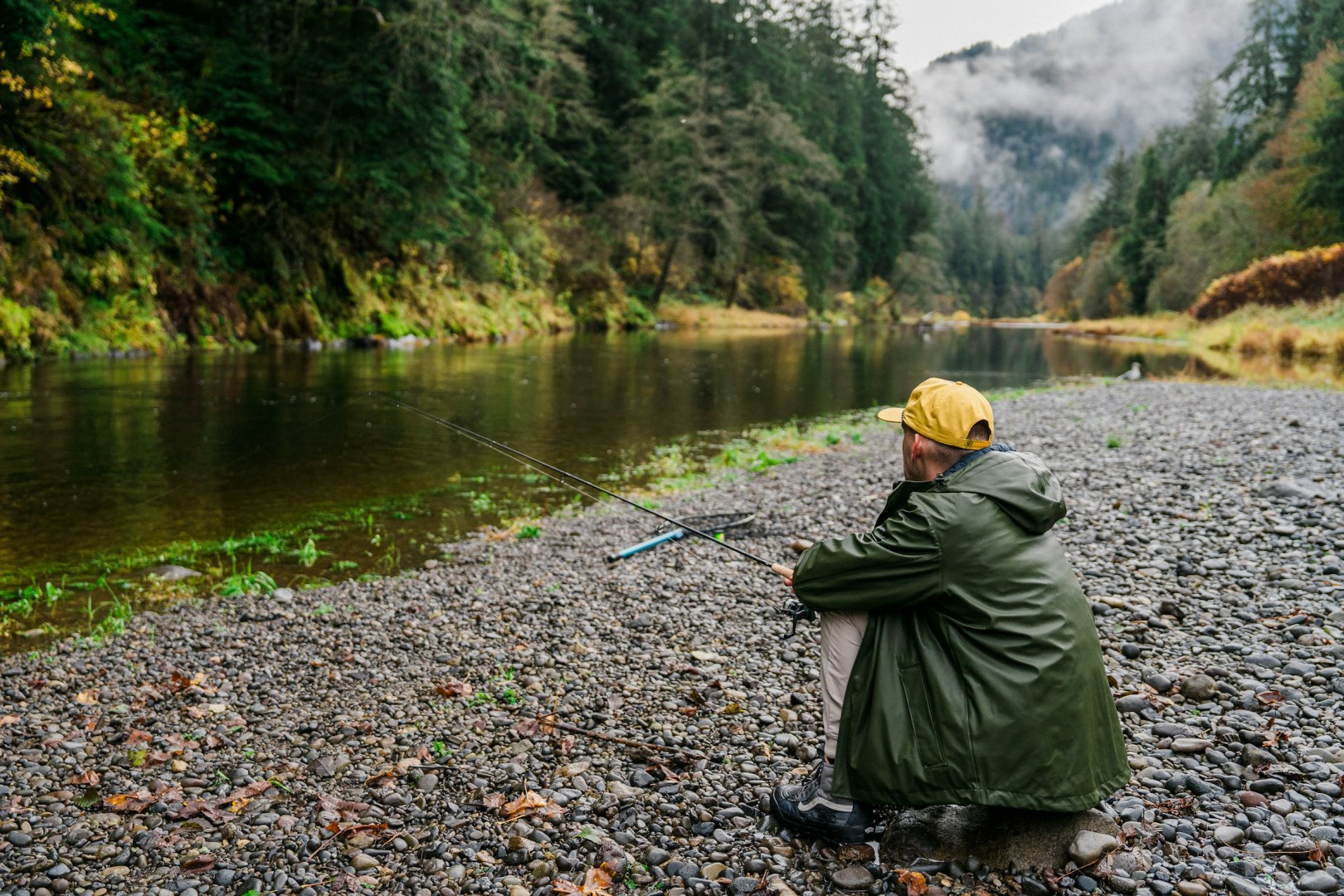
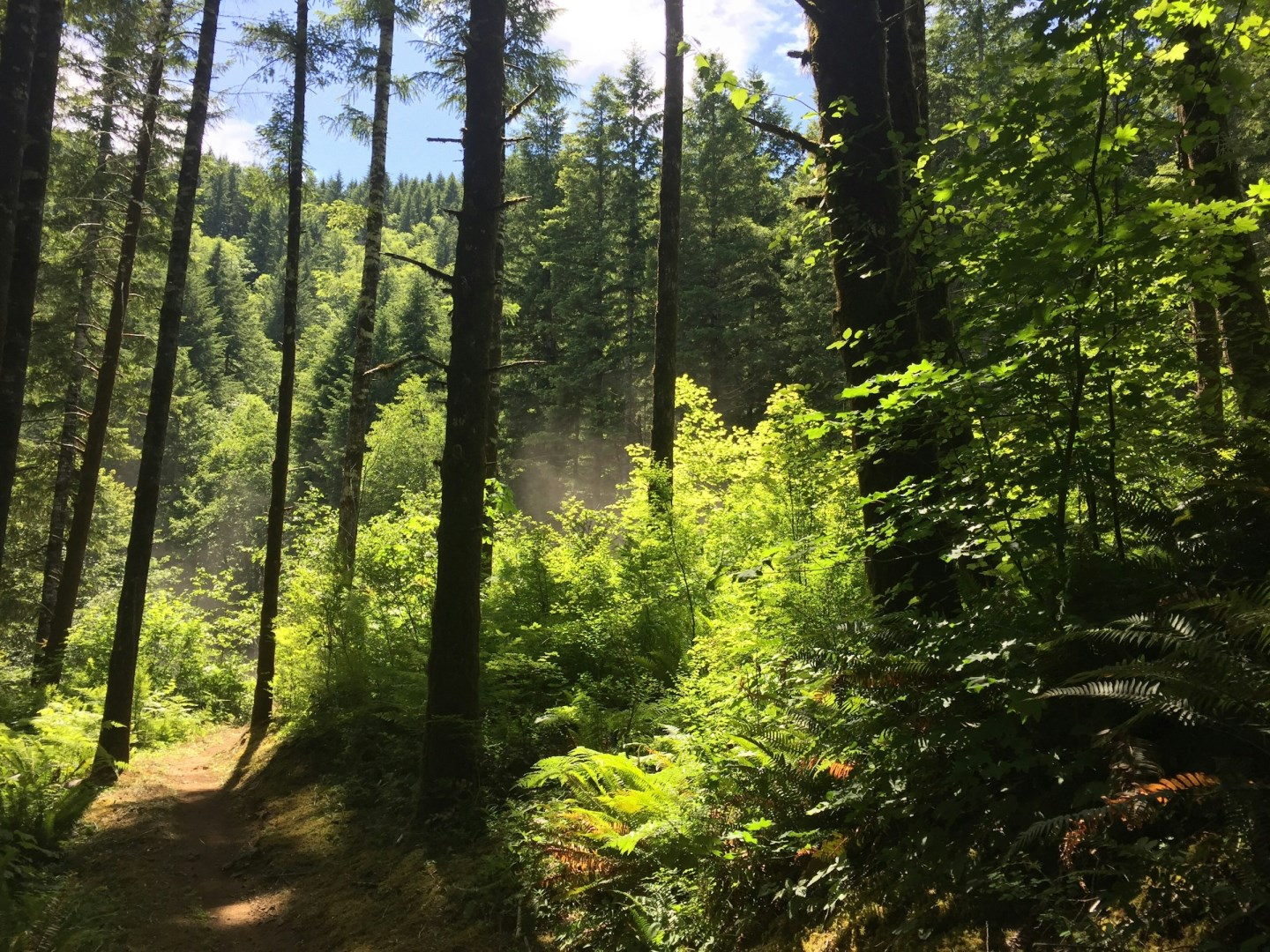
Tillamook is surrounded by distinctive coastal and forest landscapes. Tillamook Bay provides habitat for shorebirds, waterfowl, salmon, and other wildlife, while nearby Cape Meares State Scenic Viewpoint offers ocean views, old-growth forest, and access to the Cape Meares Lighthouse. The Three Capes Scenic Loop connects Tillamook with Cape Meares, Cape Lookout, and Cape Kiwanda, passing beaches, headlands, forests, and coastal wetlands. The Tillamook Forest Center, located east of the city, explains the ecology and history of the surrounding Coast Range and provides access to trails through regenerating forest.
Dairy production is central to Tillamook’s identity, and the Tillamook Creamery is one of the area’s best-known food destinations, offering cheese, ice cream, yogurt, and other dairy products. The surrounding farms also produce meat, berries, vegetables, and other agricultural goods. Seafood remains important along the coast, with salmon, Dungeness crab, oysters, and other Pacific Northwest products appearing on local menus. A distinctive feature of the region is the meeting of farmland and coastal waterways: dairy fields occupy the broad valleys around Tillamook Bay, while rivers, estuaries, and forested mountains surround them on nearly every side.
Other Popular Destinations in Oregon


