



Multnomah Falls
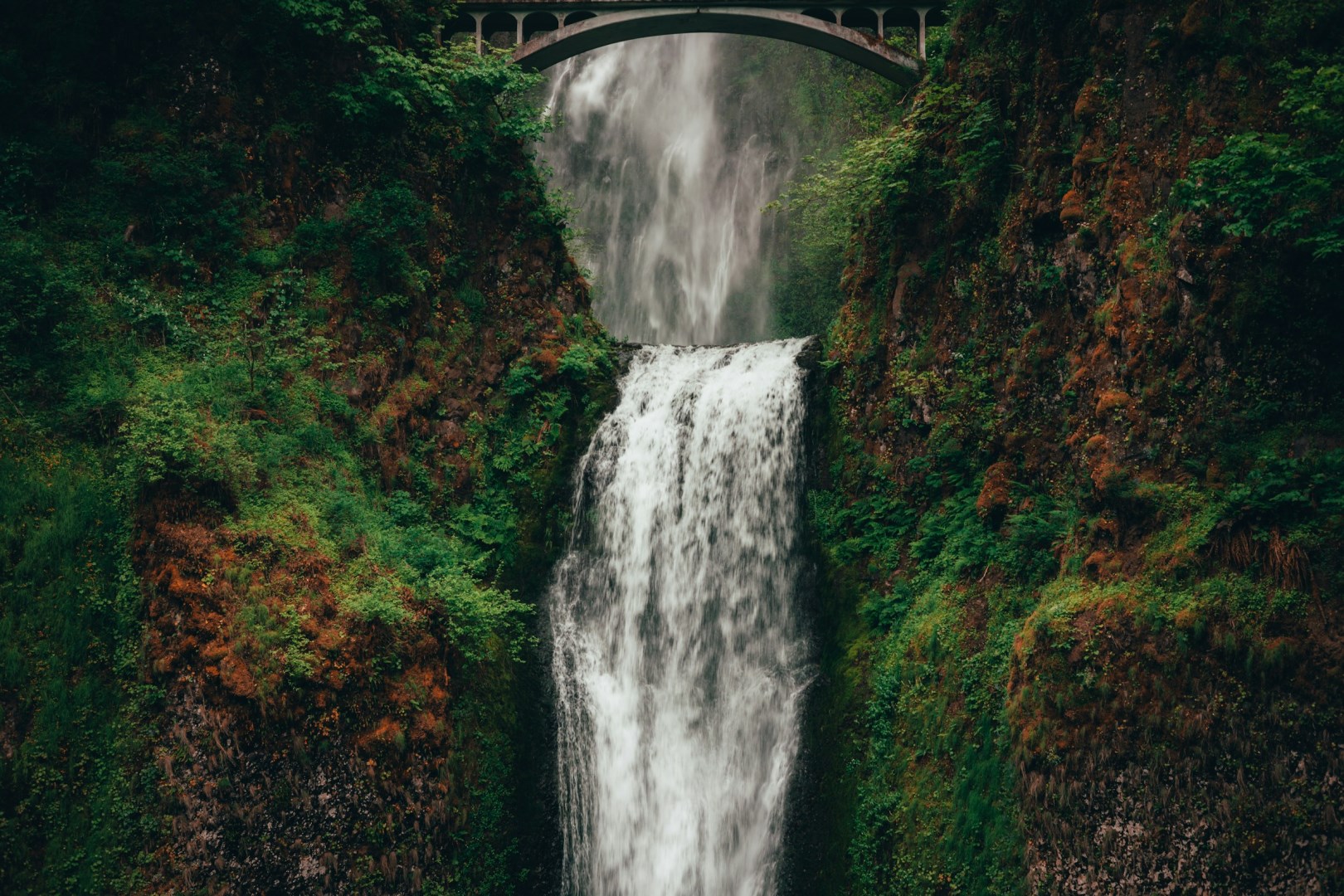
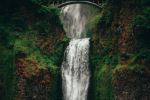
Multnomah Falls, Oregon, stands as one of the most iconic natural wonders of the Pacific Northwest. This stunning 620-foot-tall waterfall, located in the Columbia River Gorge, captivates visitors with its dual cascades that tumble gracefully down rugged cliffs. The falls are easily accessible via a short walk from the parking area, making it a perfect stop for nature enthusiasts and casual hikers alike. For those seeking a bit more adventure, the Multnomah Falls Trail offers a picturesque hike to the top of the falls, where you'll be rewarded with panoramic views of the surrounding landscape.
The area around Multnomah Falls is rich in natural beauty and outdoor activities. The Columbia River Gorge National Scenic Area provides an array of trails for hiking and exploration, including paths that lead to other scenic waterfalls and viewpoints. The nearby historic Multnomah Falls Lodge offers a charming spot for dining and shopping, where visitors can enjoy local cuisine while taking in the breathtaking views of the falls.
A fun fact about Multnomah Falls is that it is the tallest waterfall in Oregon and one of the most photographed natural landmarks in the United States. The falls were originally named "Latah Falls" by the local Native American tribes, but the name was changed to Multnomah Falls in honor of the Multnomah people, who inhabited the area. The picturesque setting and dramatic drop have made it a popular location for both amateur and professional photographers.
To experience the falls at their best, visit during the spring or early summer when the snowmelt contributes to their full flow, creating a spectacular display of natural power. Additionally, autumn brings a stunning array of fall colors, adding to the visual splendor of the area. Whether you're seeking a peaceful retreat in nature or a photo opportunity, Multnomah Falls offers a memorable experience for all who visit.
The area around Multnomah Falls is rich in natural beauty and outdoor activities. The Columbia River Gorge National Scenic Area provides an array of trails for hiking and exploration, including paths that lead to other scenic waterfalls and viewpoints. The nearby historic Multnomah Falls Lodge offers a charming spot for dining and shopping, where visitors can enjoy local cuisine while taking in the breathtaking views of the falls.
A fun fact about Multnomah Falls is that it is the tallest waterfall in Oregon and one of the most photographed natural landmarks in the United States. The falls were originally named "Latah Falls" by the local Native American tribes, but the name was changed to Multnomah Falls in honor of the Multnomah people, who inhabited the area. The picturesque setting and dramatic drop have made it a popular location for both amateur and professional photographers.
To experience the falls at their best, visit during the spring or early summer when the snowmelt contributes to their full flow, creating a spectacular display of natural power. Additionally, autumn brings a stunning array of fall colors, adding to the visual splendor of the area. Whether you're seeking a peaceful retreat in nature or a photo opportunity, Multnomah Falls offers a memorable experience for all who visit.
