
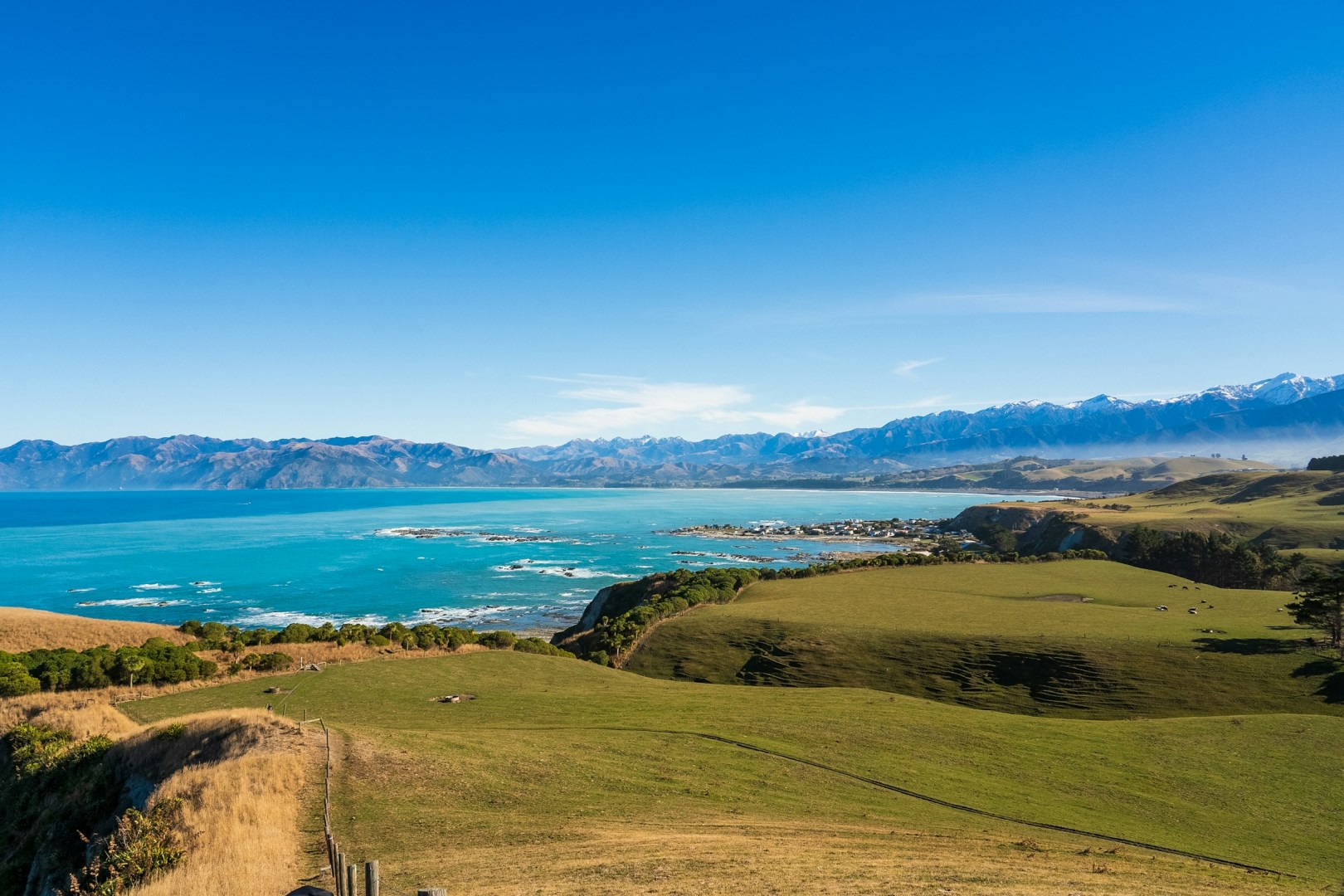
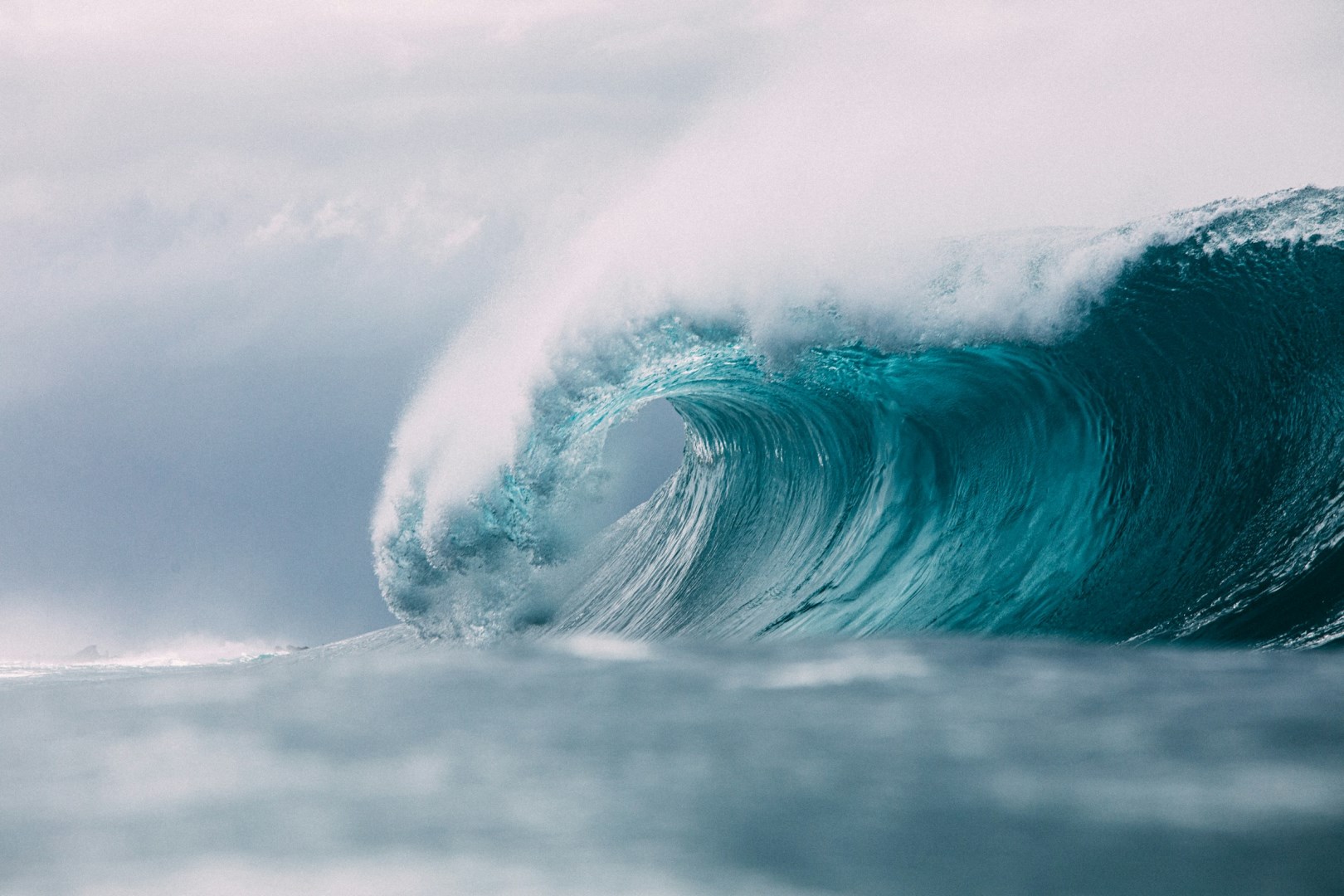

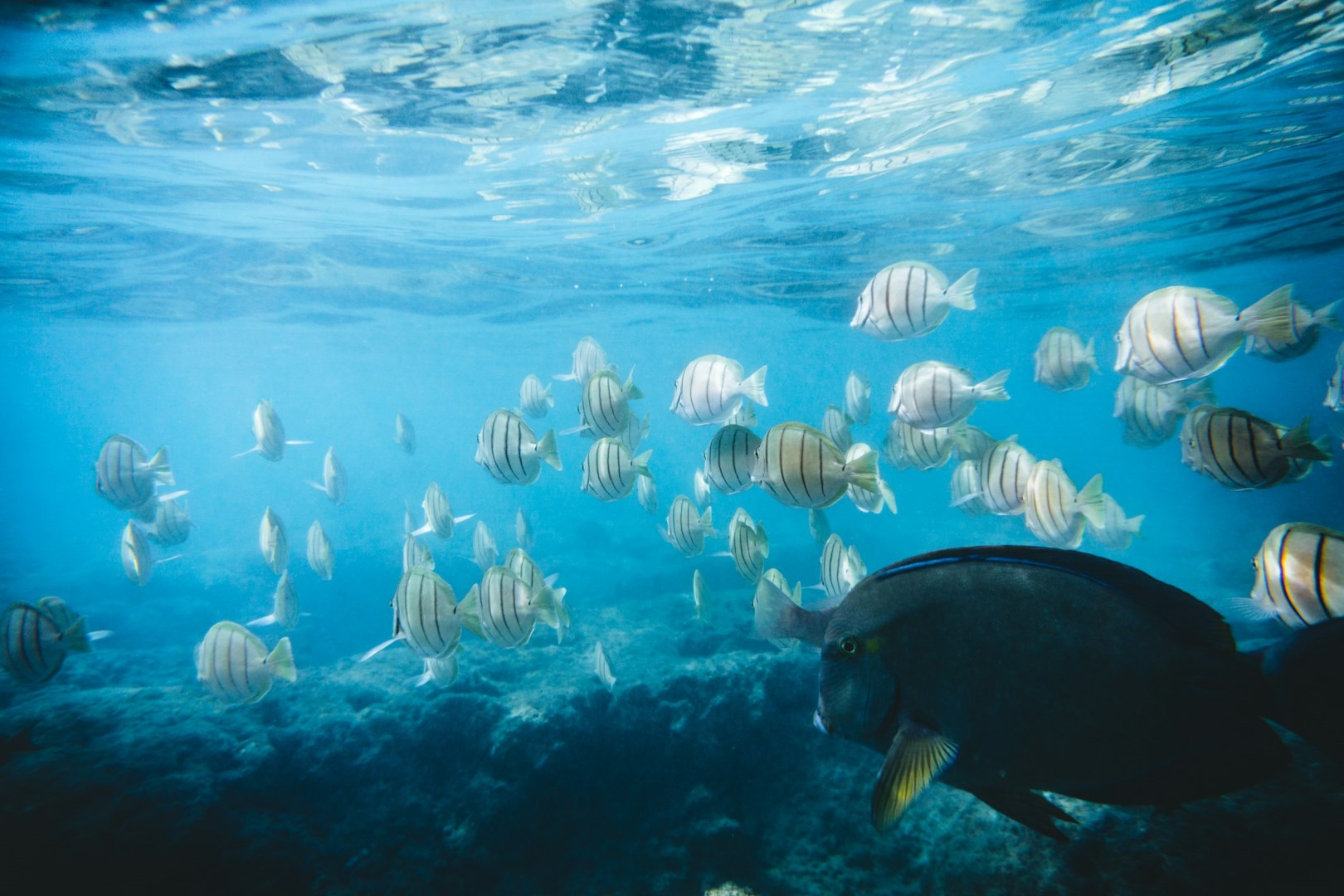
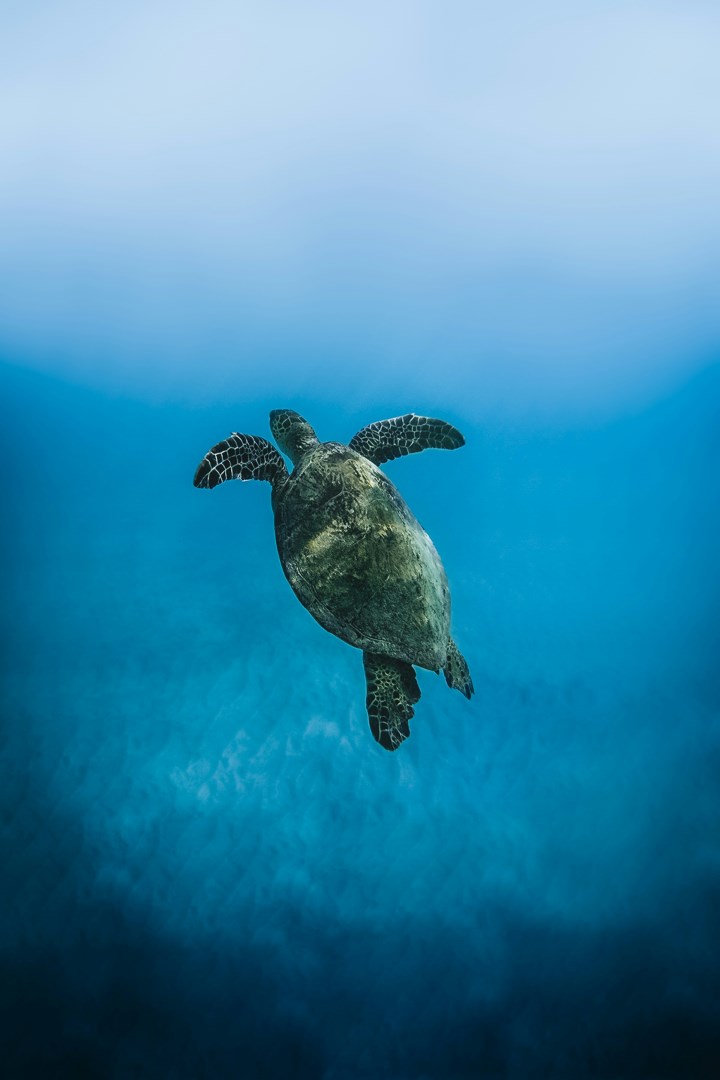
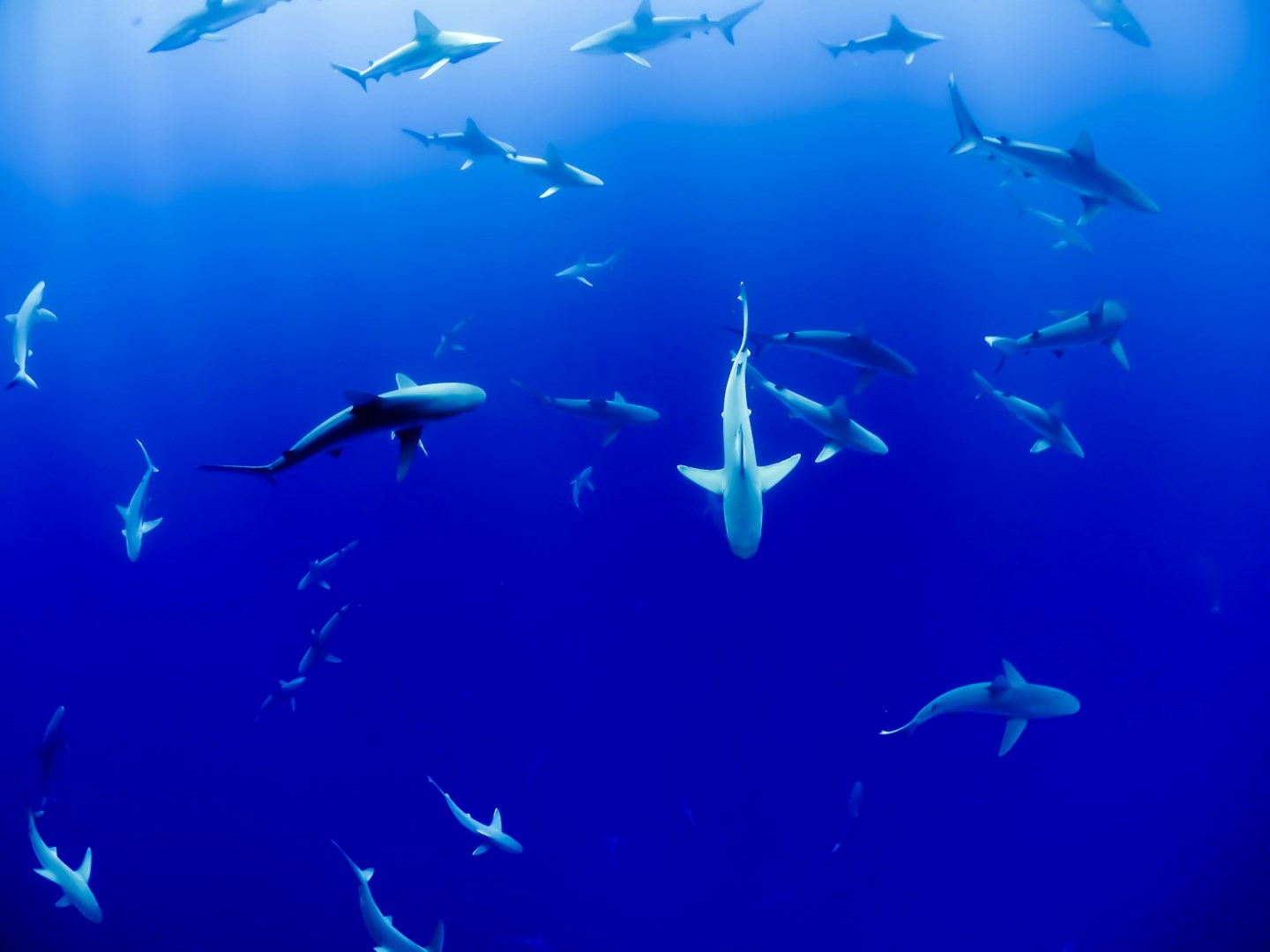
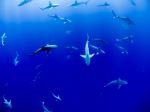
What sets Kaikōura apart are the extraordinary marine encounters that begin just off the shoreline. The Kaikōura Canyon, an underwater gorge that plunges to great depths close to land, creates currents rich with nutrients that attract a remarkable array of sea life year-round. Sperm whales are a common sight here and are frequently spotted on local boat tours. Dusky dolphins twist and leap in large pods, and colonies of New Zealand fur seals laze on rocky outcrops along the coast.
Egypt is a land of timeless wonders, where ancient history meets modern vibrancy. The Great Pyramids of Giza, the Sphinx, and the Temple of Karnak are just a few of the awe-inspiring monuments that attract millions of tourists each year.
Massachusetts, a state steeped in American history and vibrant culture, offers visitors a rich tapestry of experiences. Begin your journey in Boston, the state capital, where history comes alive along the Freedom Trail. This 2.5-mile route takes you through pivotal sites such as the Massachusetts State House, Paul Revere’s House, and the Old North Church, where the famous signal lanterns were hung during the American Revolution.
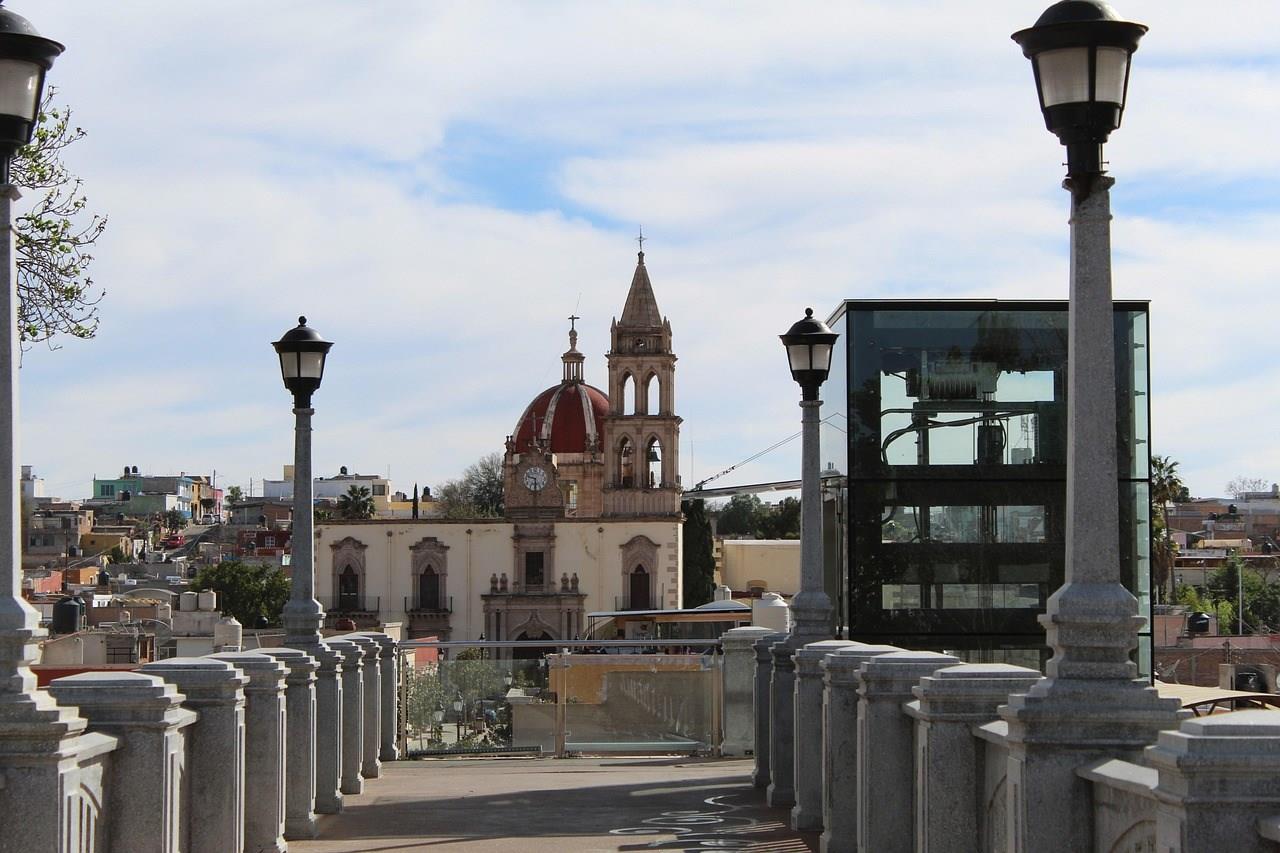
Victoria de Durango rises on a high plateau Mexico’s Sierra Madre Occidental, founded in 1563 by Francisco de Ibarra. Its streets trace layers of history: the historic center holds the most listed buildings in northern Mexico and remains a notable stop on the Camino Real de Tierra Adentro, now a UNESCO World Heritage route.
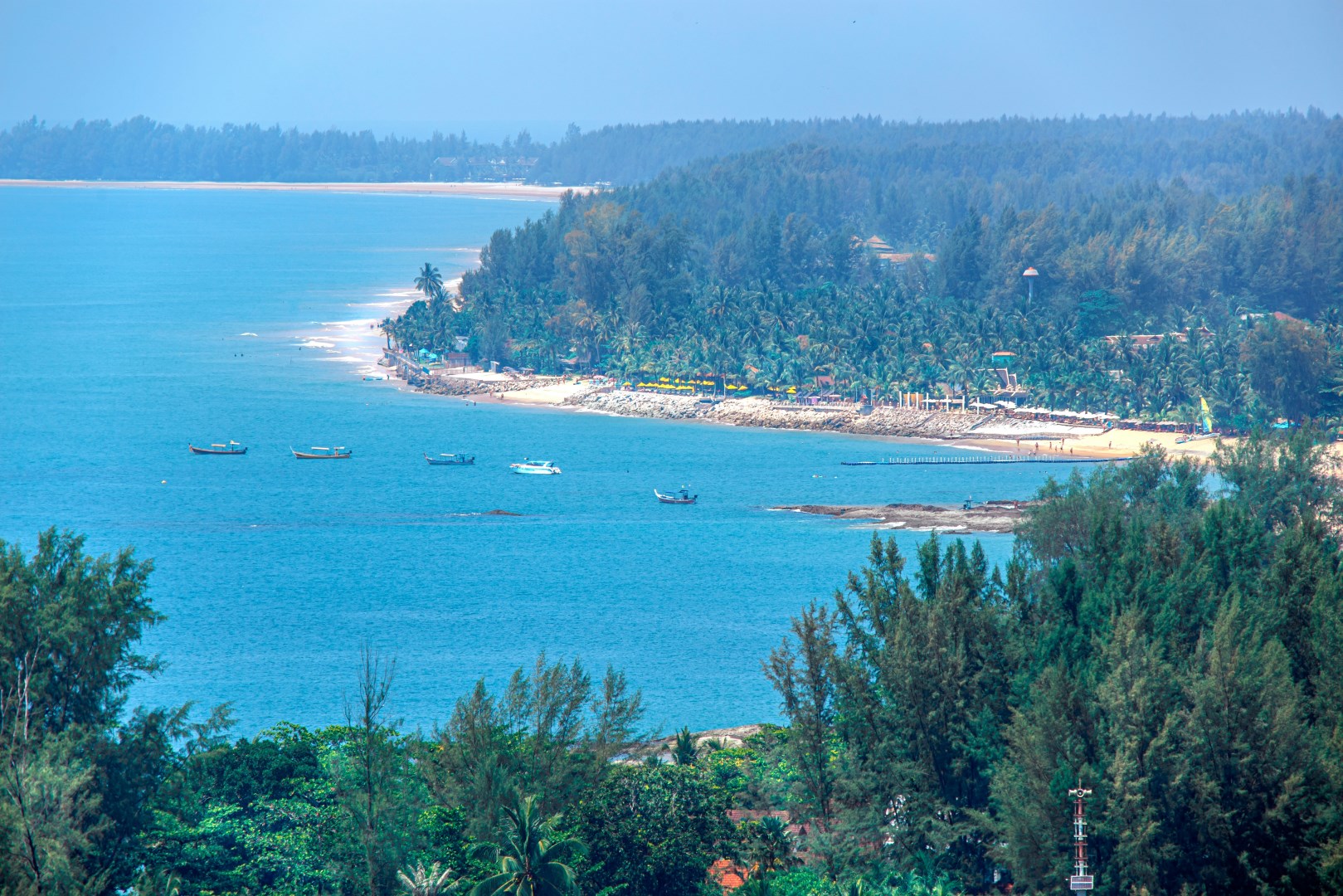
Khao Lak rests quietly along Thailand’s Andaman coastline, about an hour north of Phuket, yet it feels worlds apart. This stretch of shoreline runs for miles, with wide sandy beaches that often seem almost untouched. The name itself comes from the nearby mountain that rises behind the coast, giving the area a dramatic backdrop where forest meets sea.
Photo Credit: Photo by Christian Joudrey on Unsplash
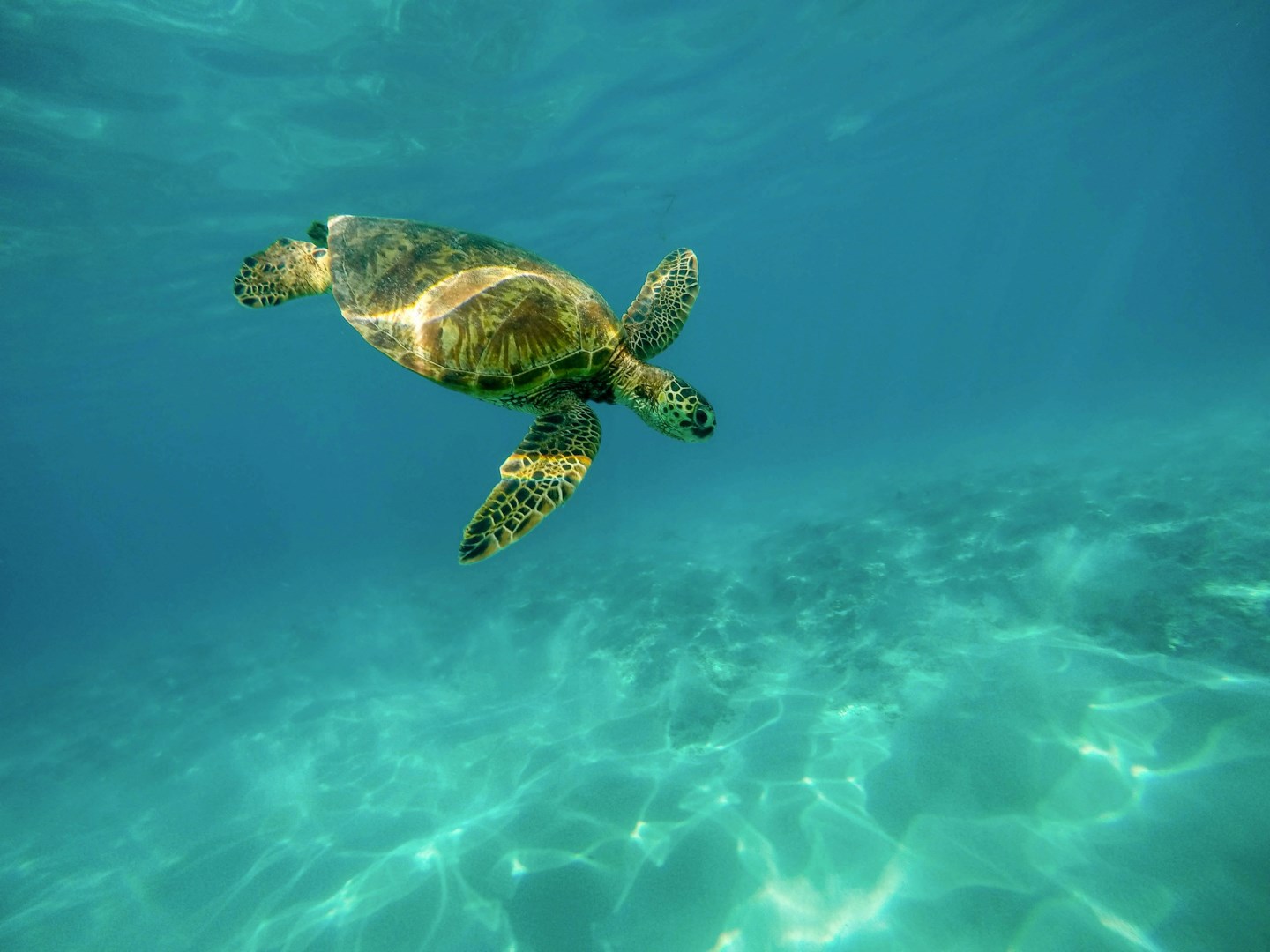
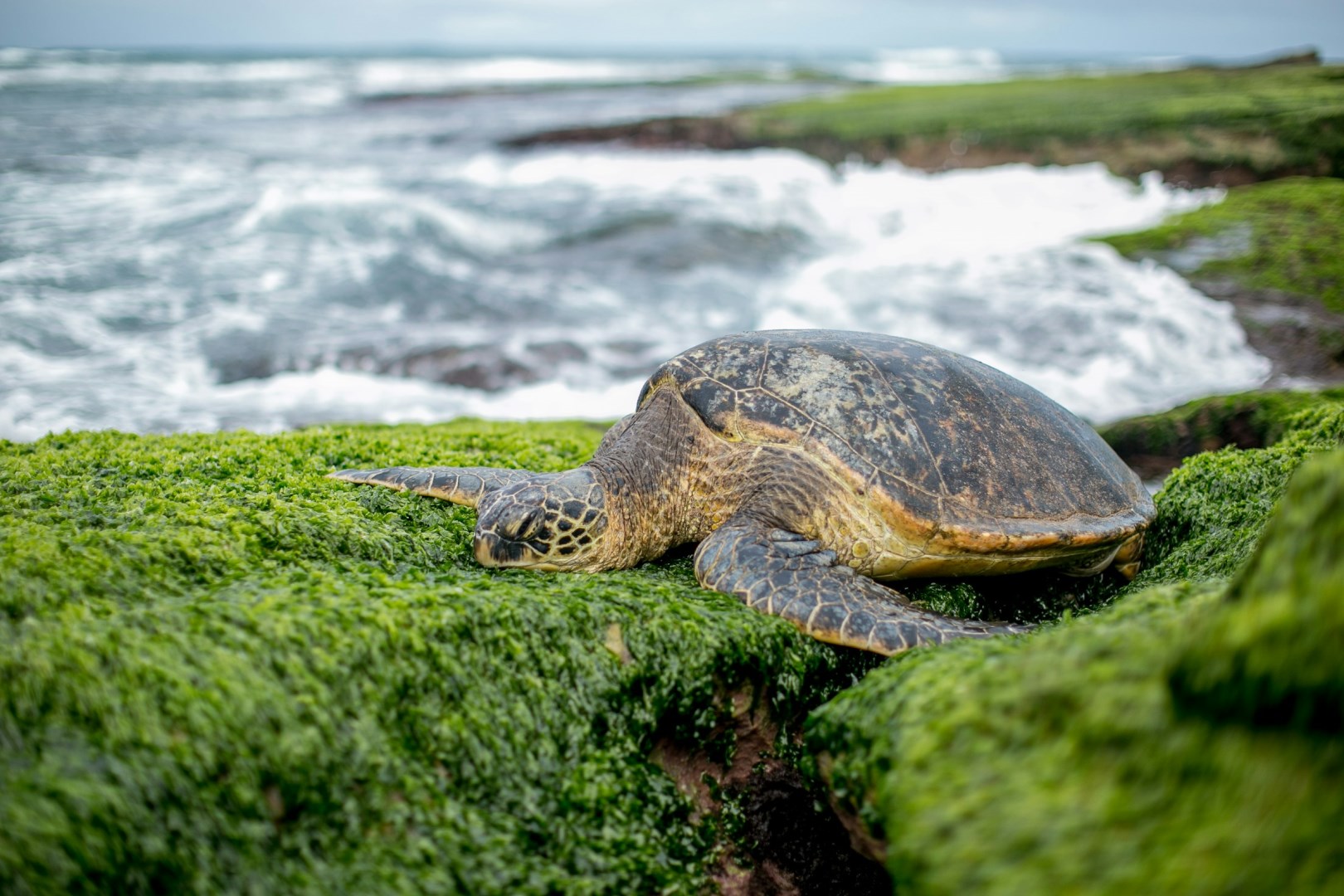
Turtle
Photo Credit: Photo by Jeremy Bishop on Unsplash
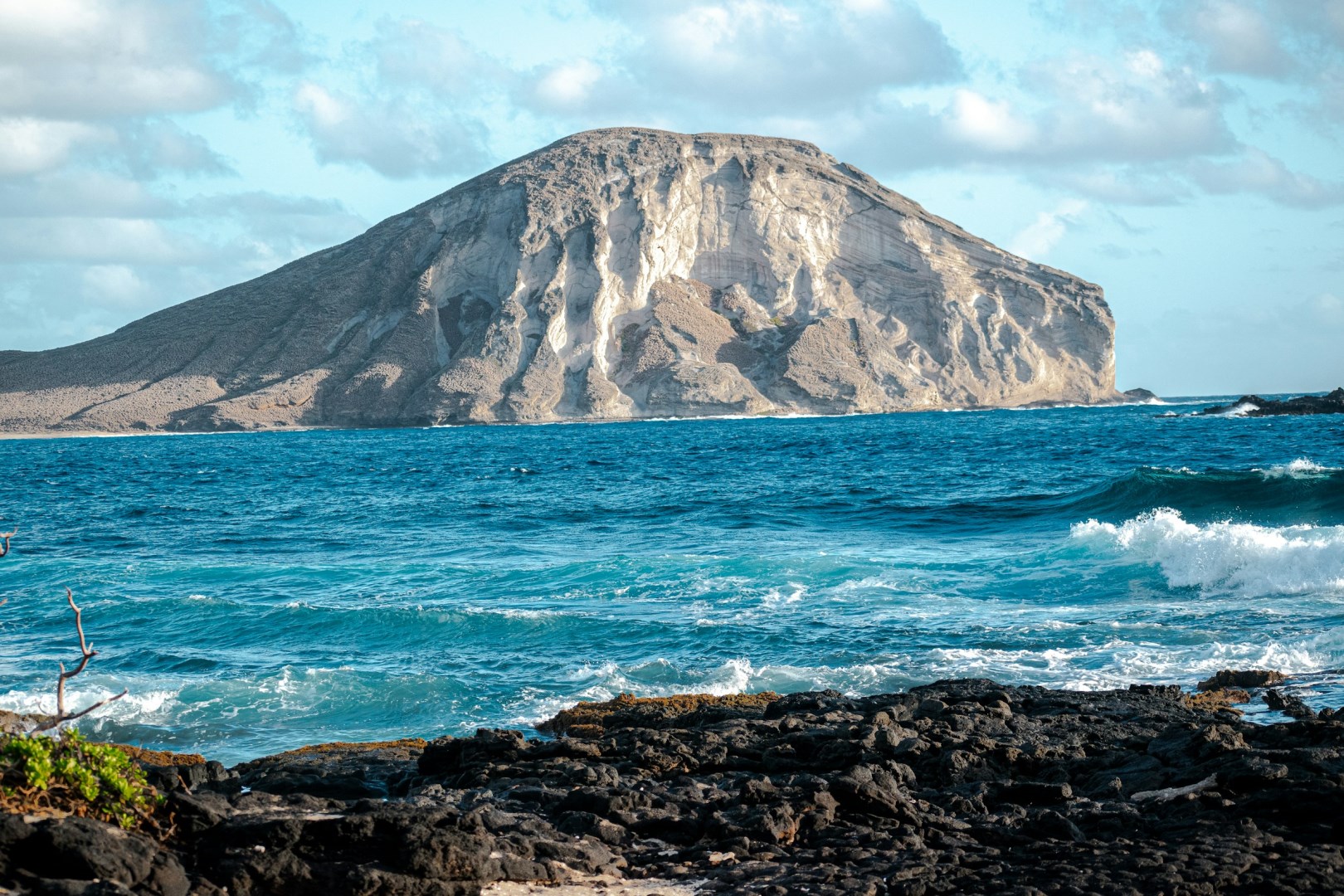
Waimanalo Beach
Photo Credit: Photo by Skye on Unsplash
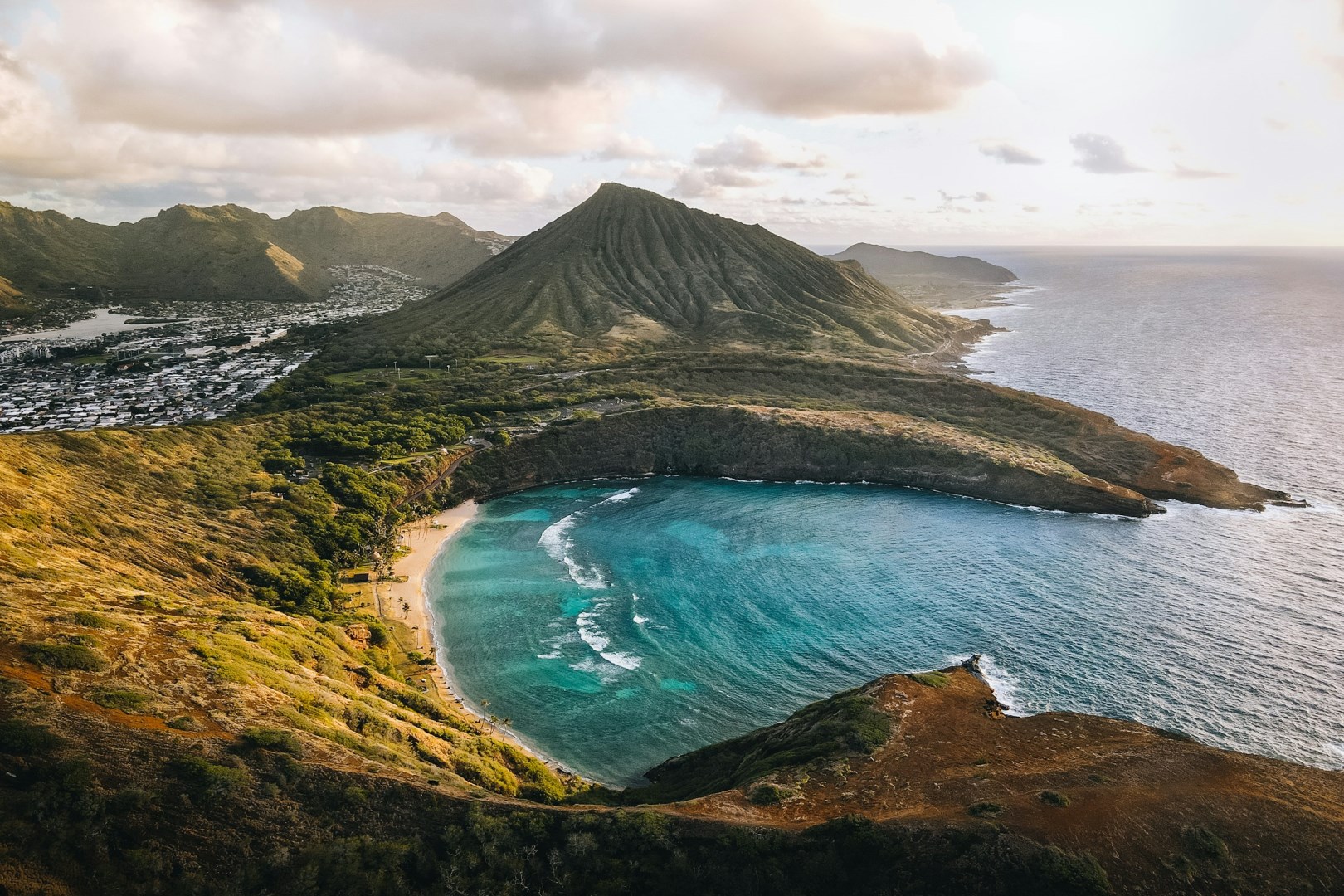
Hanauma Bay
Photo Credit: Photo by Samantha Sophia on Unsplash
Diamond Head Crater
Photo Credit: Photo by Chase O on Unsplash
Haleiwa
Photo Credit: Photo by Matt Paul Catalano on Unsplash
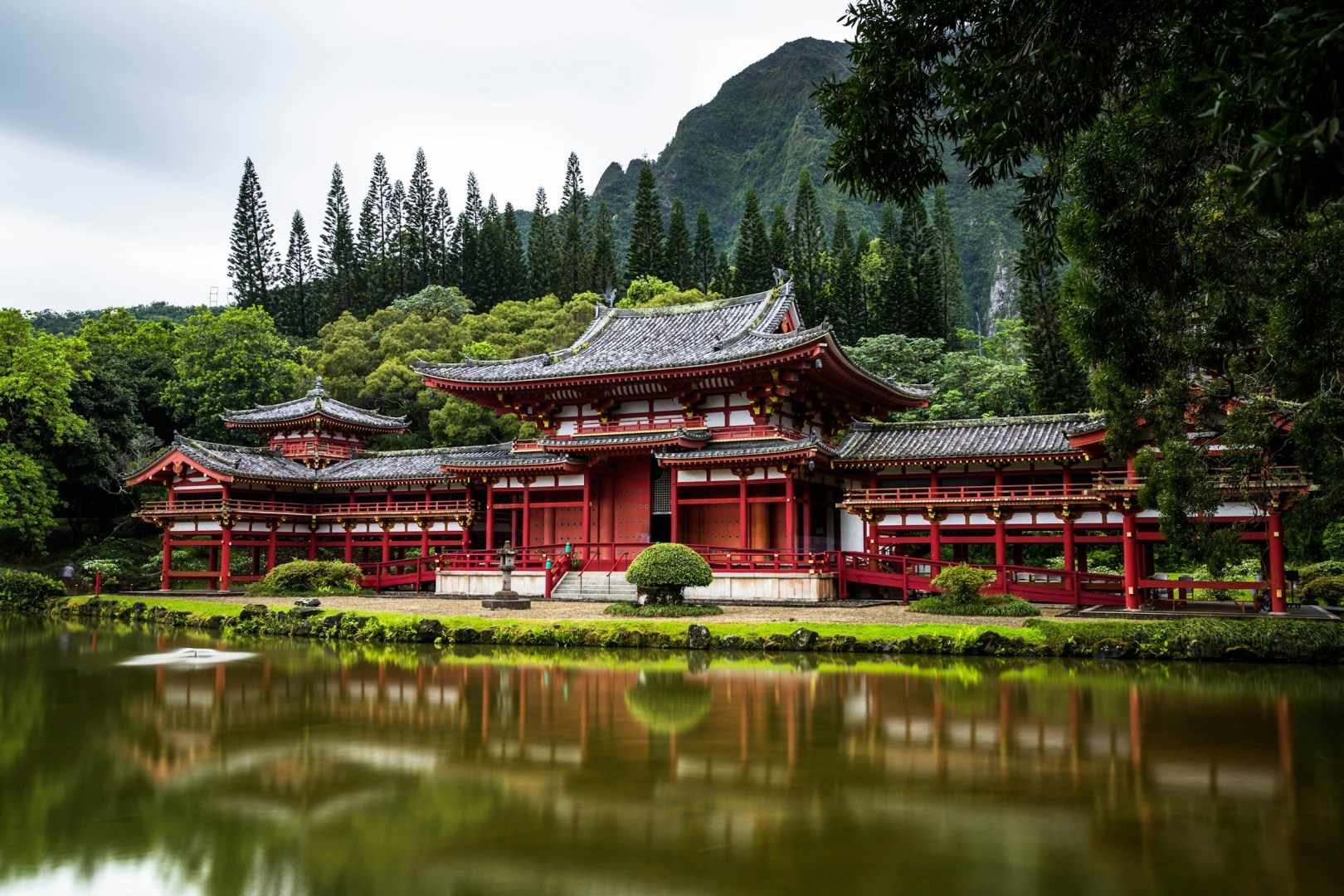
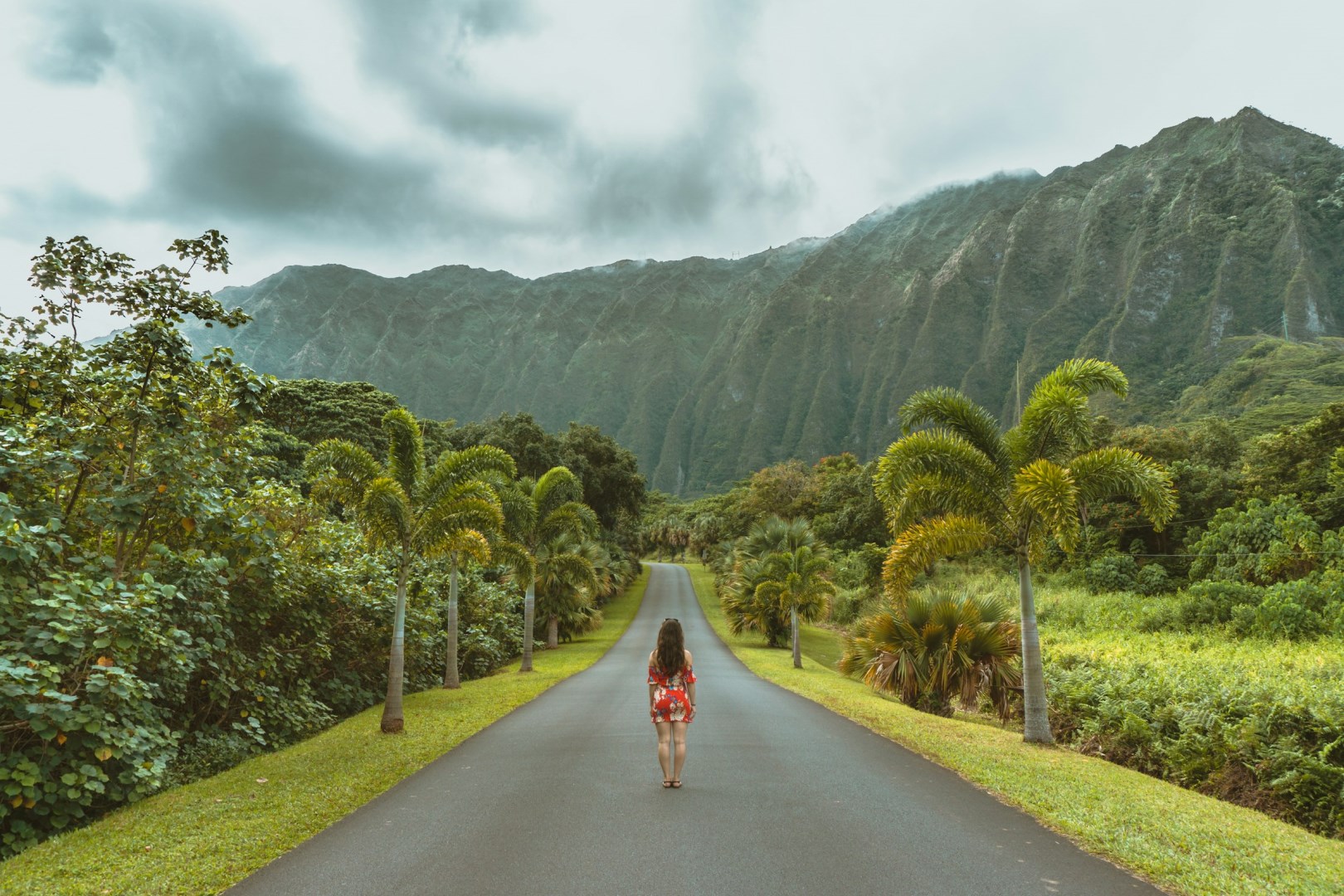
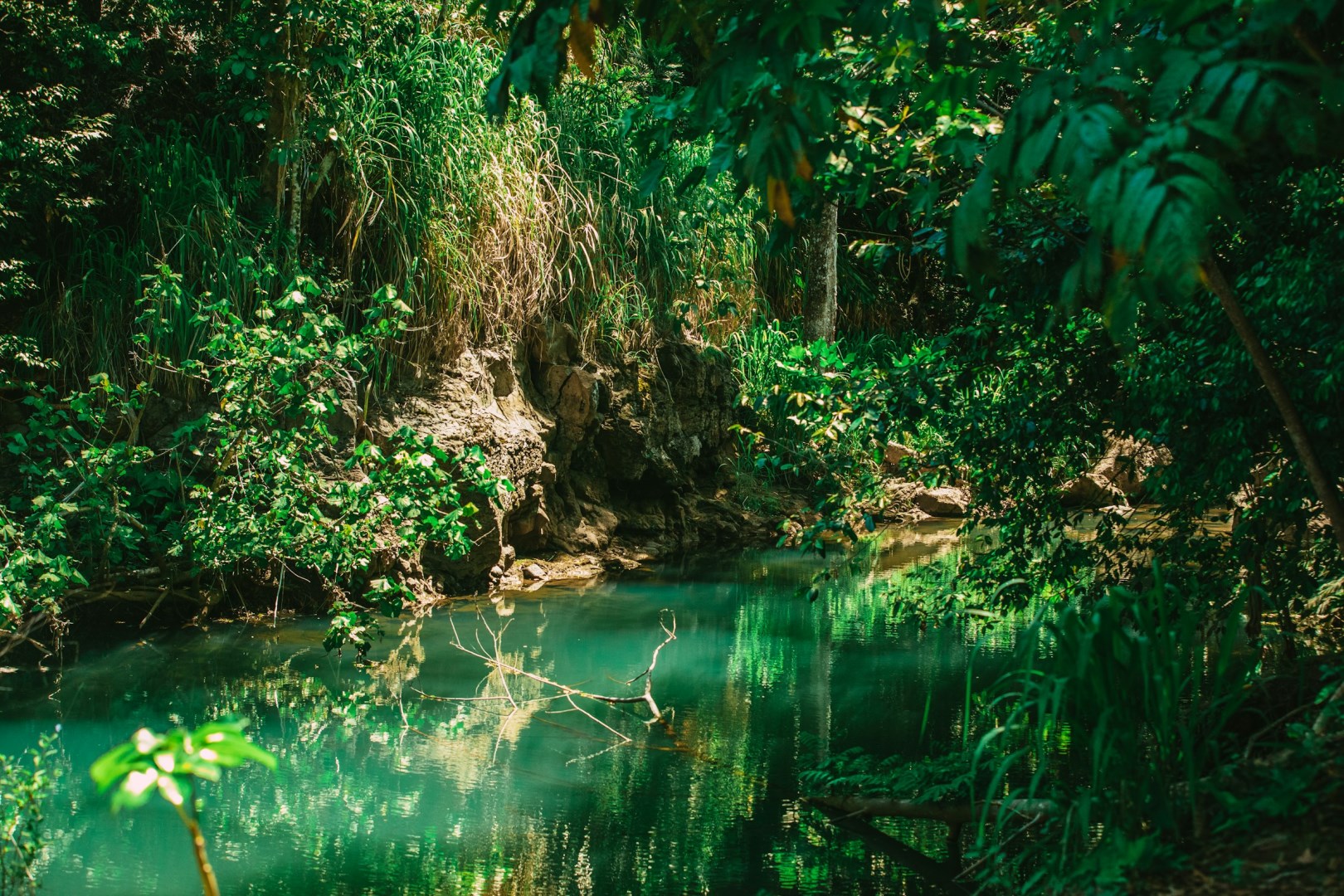
Ho'omaluhia Botanical Garden, Kaneohe
Photo Credit: Photo by Darren Lawrence on Unsplash
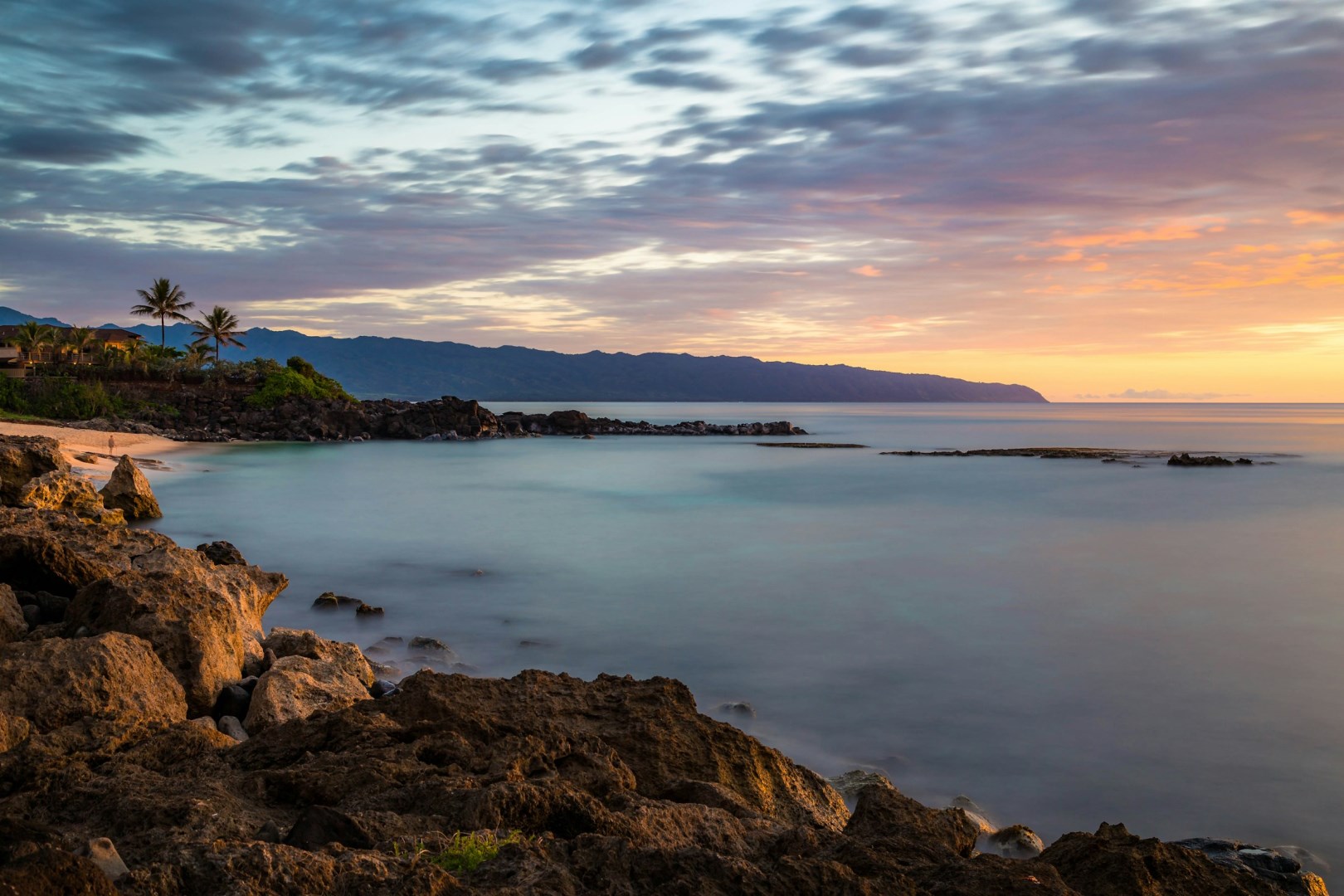
Three Tables Beach, Haleiwa
Photo Credit: Photo by Christian Joudrey on Unsplash
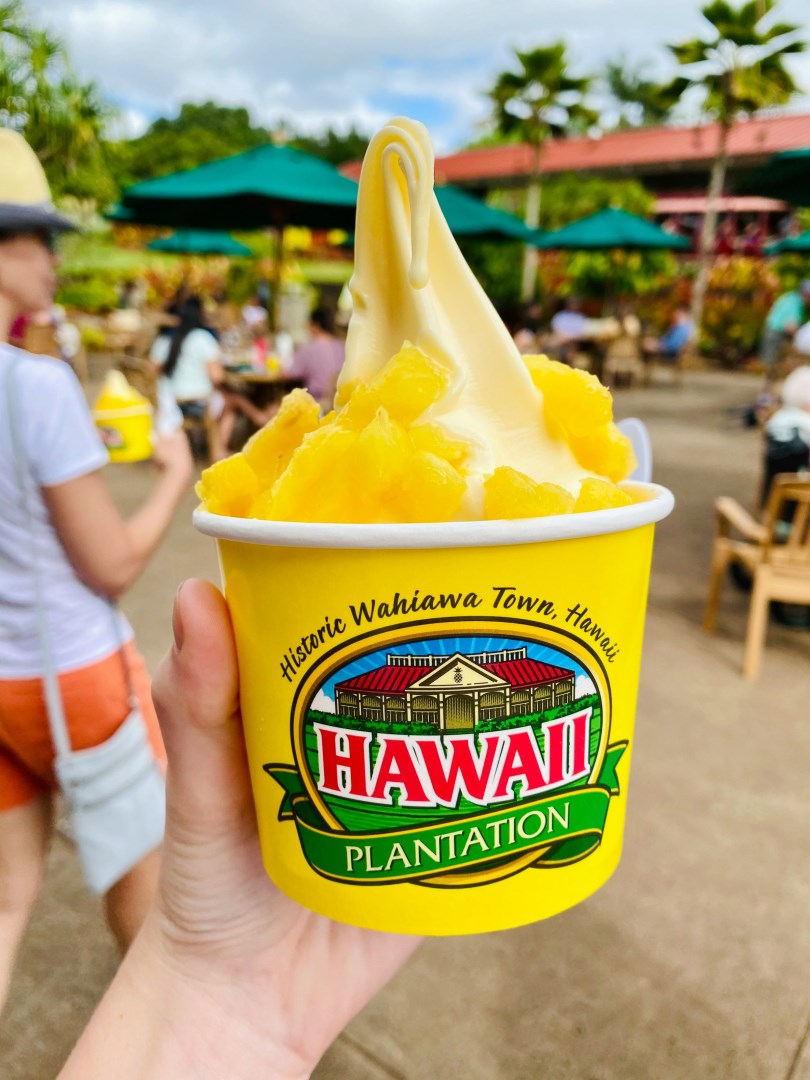
Dole Plantation, Wahiawa
Photo Credit: Photo by Ava W. on Unsplash
Photo Credit: Photo by Kvnga on Unsplash
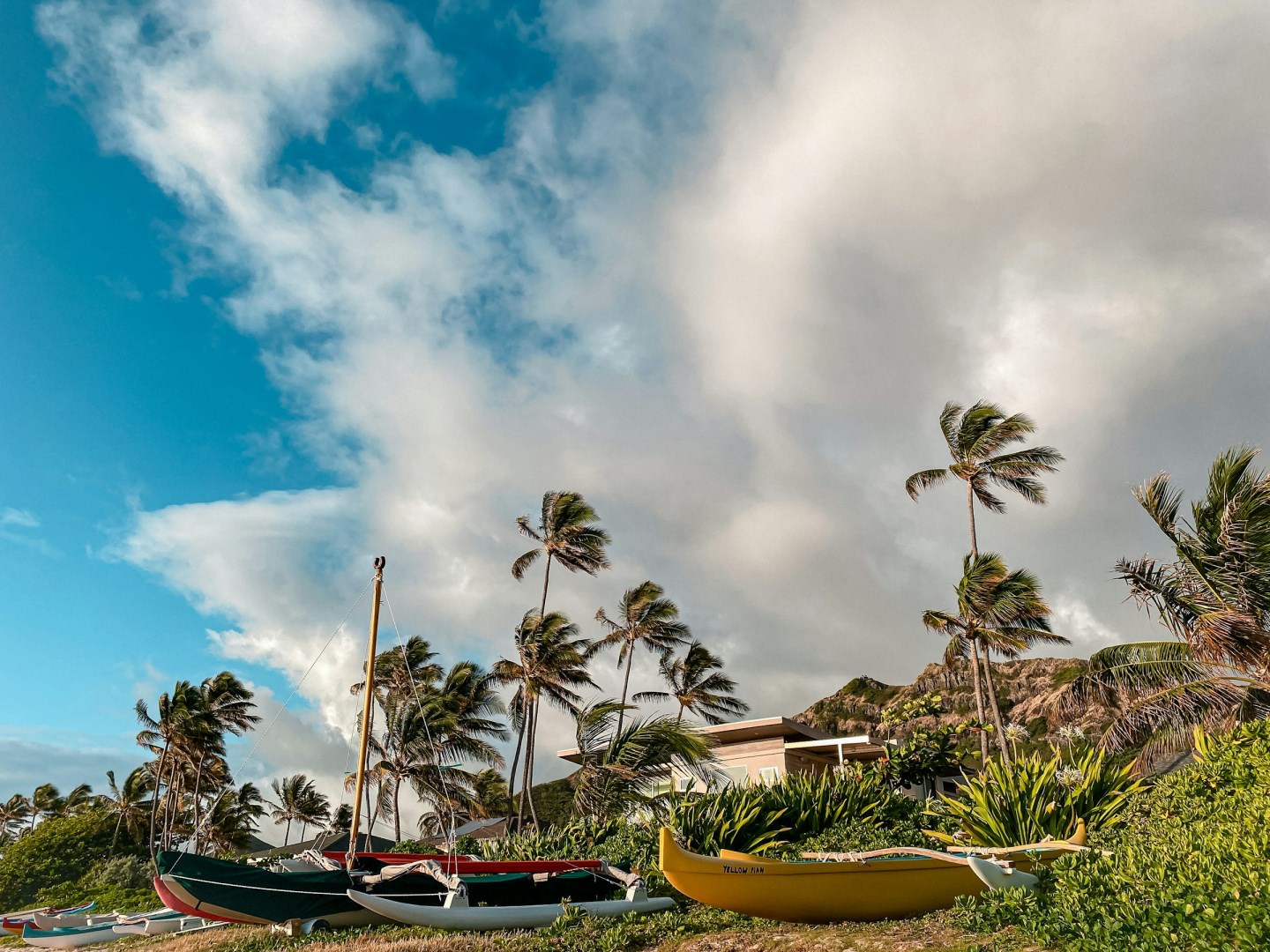
Lanikai Shore
Photo Credit: Photo by Julian Armstrong on Unsplash
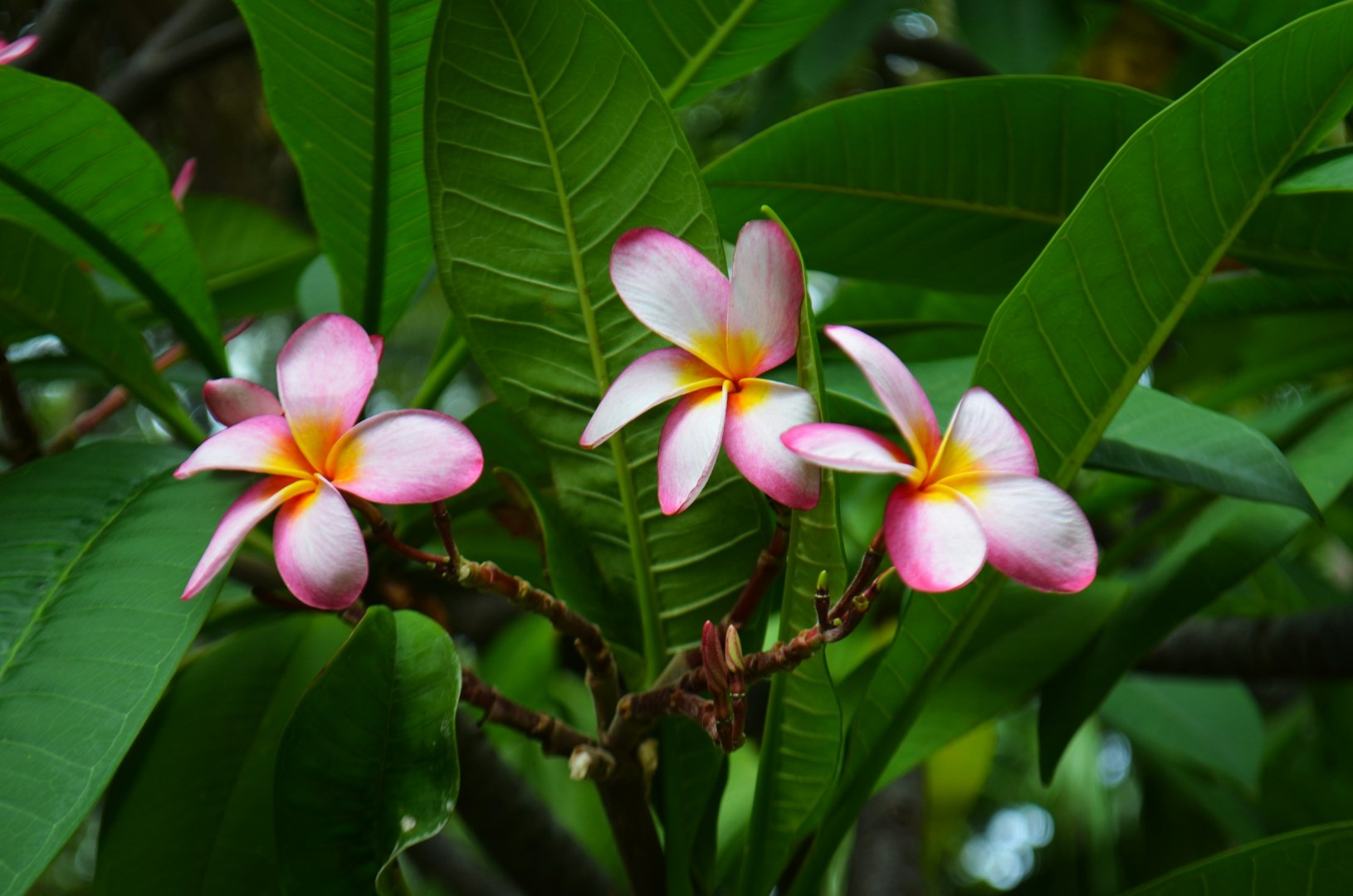
Plumeria
Photo Credit: Photo by Ariana Kaminski on Unsplash
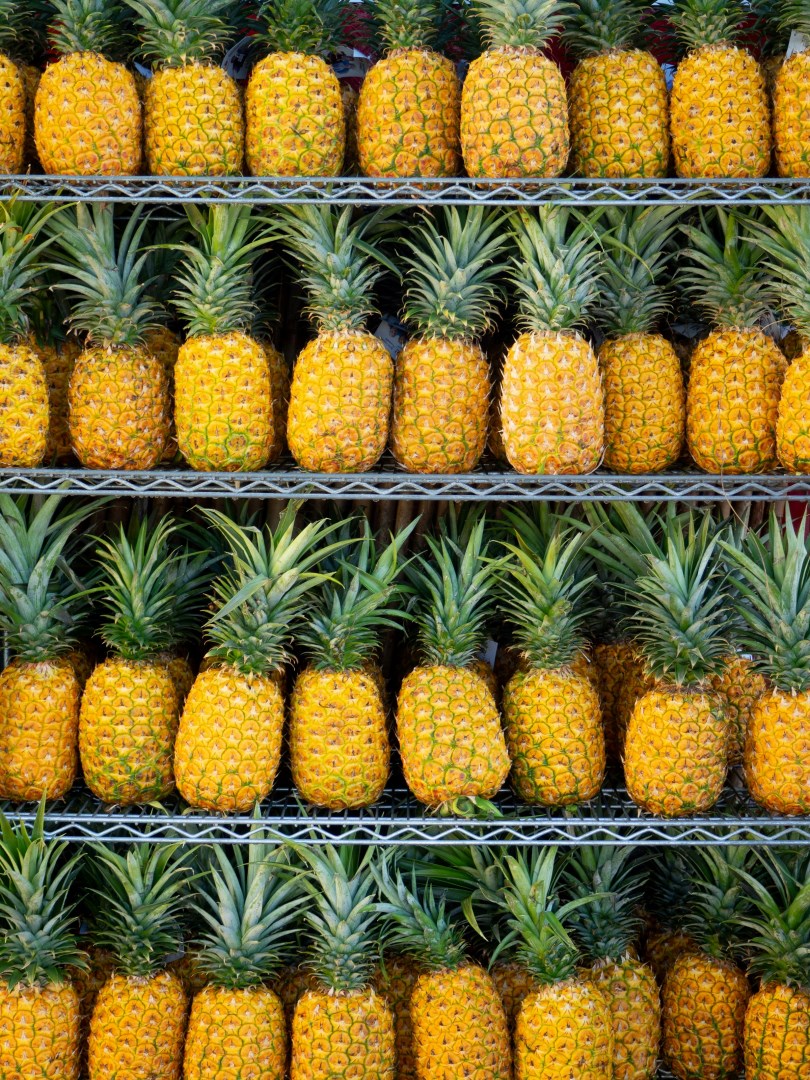
Pineapple
Photo Credit: Photo by Fiona Smallwood on Unsplash
Photo Credit: Photo by Peter Thomas on Unsplash
Photo Credit: Photo by Jakob Owens on Unsplash
Photo Credit: Photo by Keith Champaco on Unsplash
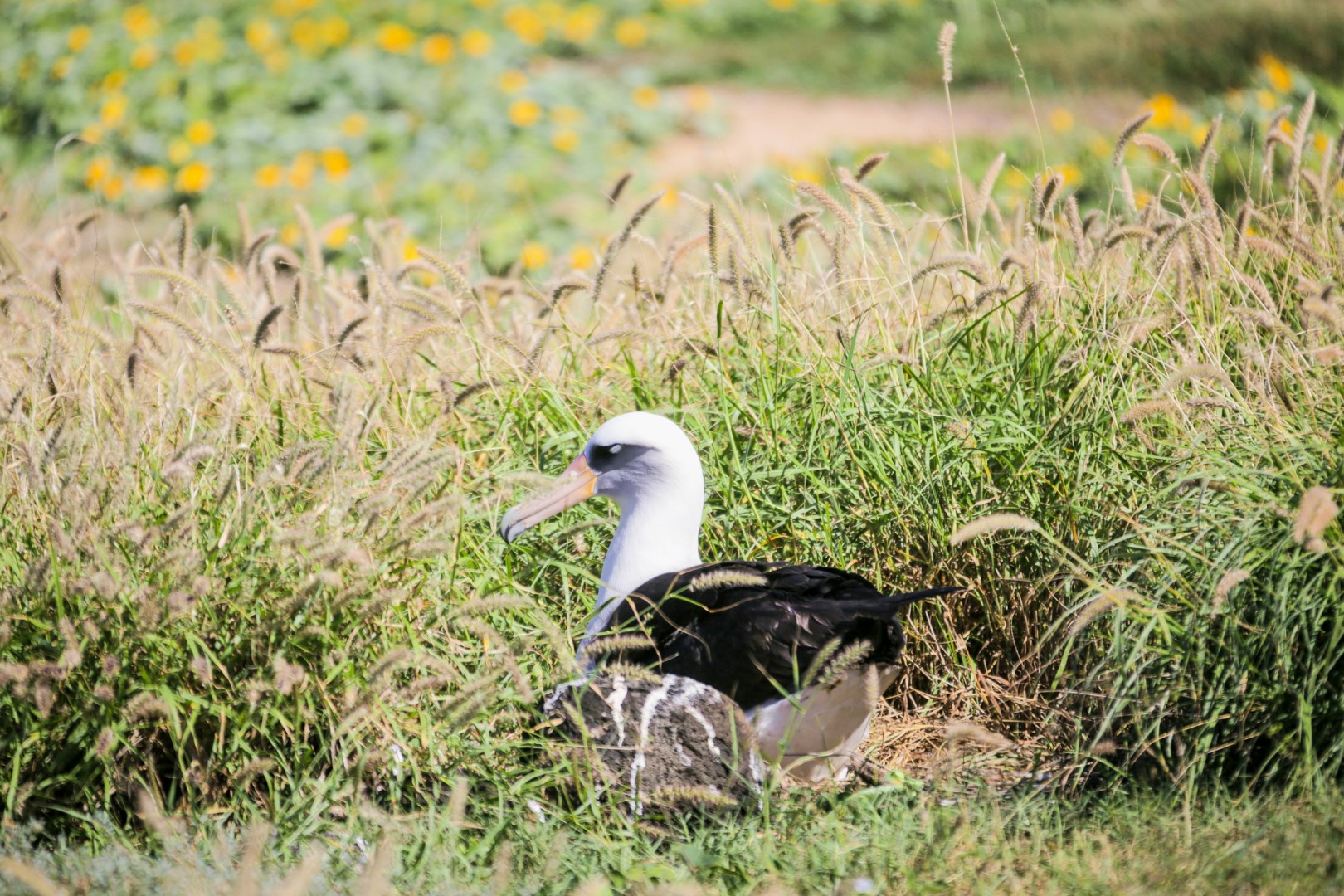
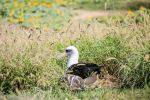
Laysan Albatross nesting
Photo Credit: Photo by Jake Bergen on Unsplash
Oahu, island in central Hawaii, between Kauai and Molokai islands, in Honolulu County; it is the third largest island in the state, after Hawaii and Maui. The most heavily populated of the Hawaiian islands, Oahu is known as the Gathering Place. It is about 64 km (about 40 mi) long and 42 km (26 mi) wide. Oahu is the commercial center of Hawaii and is important to United States defense in the Pacific. Pearl Harbor naval base is situated here. Two parallel mountain ranges, the Koolau Range and the Waianae Range, cross Oahu from northwest to southeast. A wide fertile plateau separates the two ranges. The chief agricultural industries in Oahu are the growing and processing of pineapples and sugarcane; tourism also is very important to the economy. Among the many popular beaches is the renowned Waikiki, backed by the famous Diamond Head, an extinct volcano. The largest community, Honolulu, is the state capital.