
Nelson sits along the West Arm of Kootenay Lake in southeastern British Columbia, embraced by the rugged peaks of the Selkirk Mountains and threaded with over 350 heritage buildings that tell the story of its silver-rush beginnings. A short trip outside town leads to spots like the Salmo–Troup Rail Trail, a wide, gentle path that follows an old rail line for kilometers through forest and alongside rivers.
Barranquilla sits near the mouth of the Magdalena River on Columbia's Caribbean side. It is a major seaport and a center of commerce, but everyone breaks loose for four days in February for one of the liveliest carnivals outside of Rio.
The River Nile, most often associated with Egypt and its ancient civilizations, actually flows through eight other countries including Uganda, Ethiopia, Sudan, and Kenya. It is formed by two major tributaries, the White Nile and Blue Nile, and is considered by many to be the longest river in the world when measured from its source waters in Rwanda and Burundi.
Sesriem, located in the heart of Namibia’s Namib Desert, serves as the gateway to the world-famous Sossusvlei and Deadvlei, two of Namibia’s most iconic landscapes. The dramatic red dunes of the Namib Desert, some of the highest in the world, are an awe-inspiring sight, particularly at sunrise when the light casts long shadows, creating an otherworldly contrast of colors.
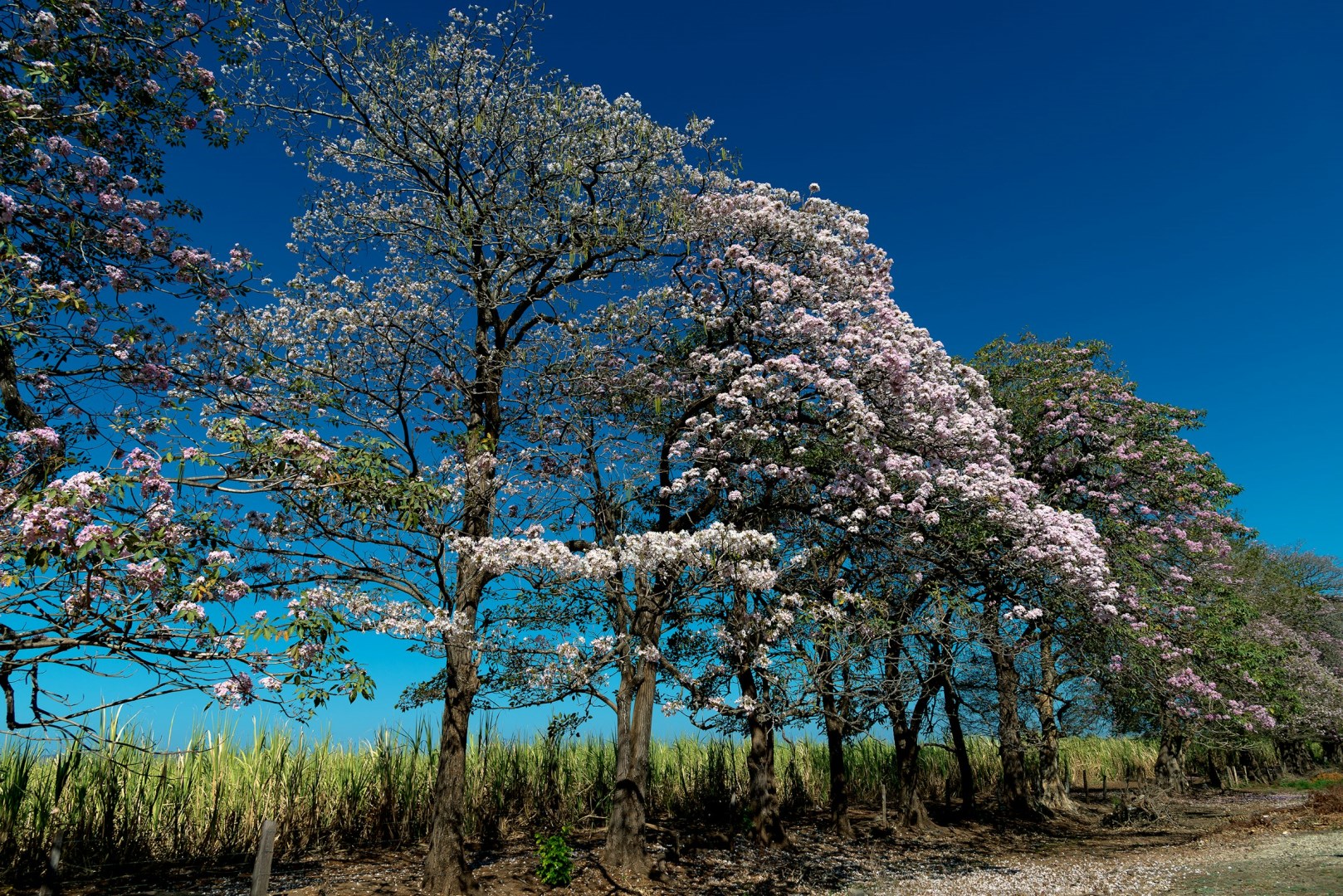
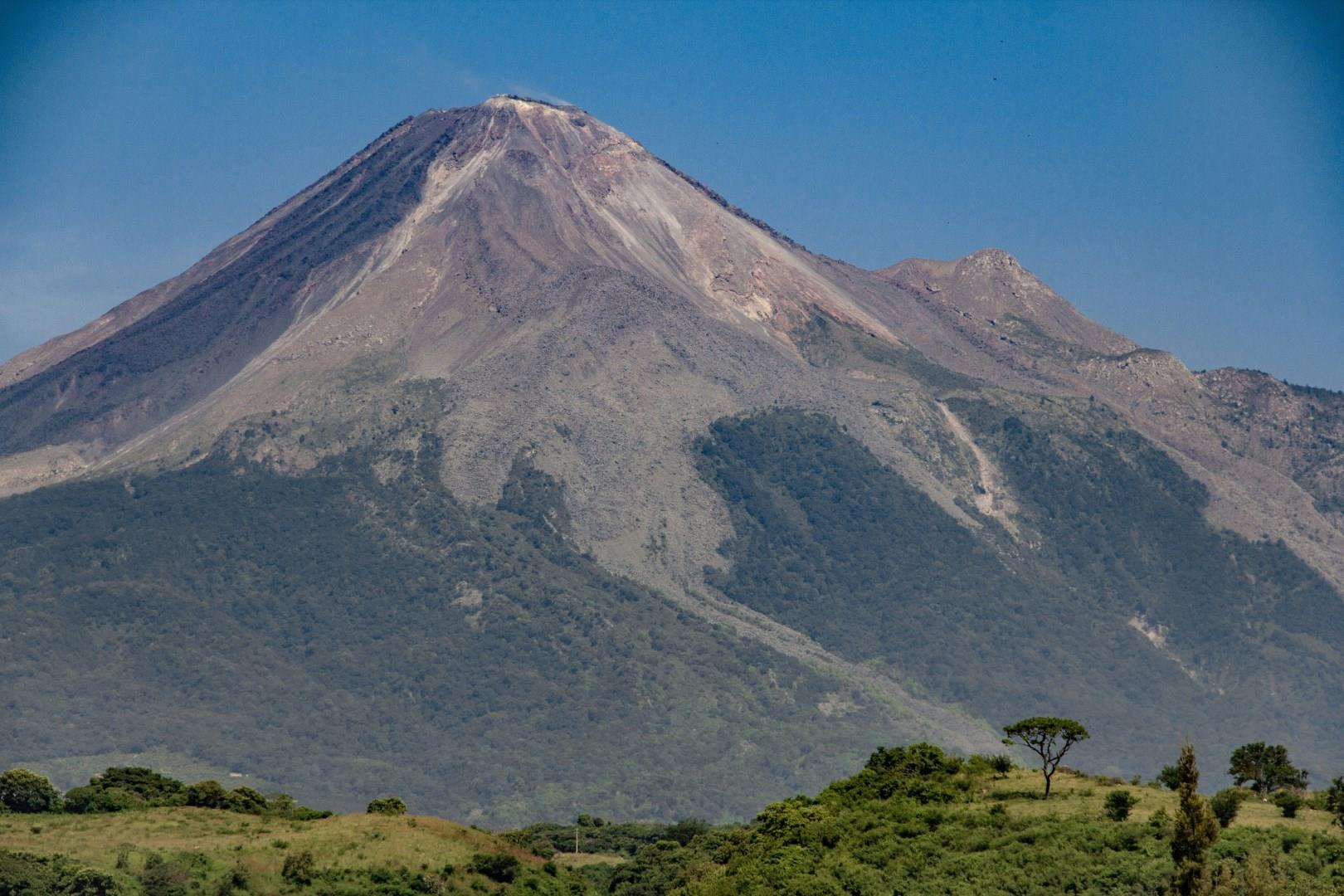
Colima is the capital of the Mexican state of Colima, about 50 miles east of Manzanillo. It is a popular side trip for vacationers who choose to visit this part of Mexico. The landscape of Colima is dominated by the Nevado de Colima, a snow-capped volcano that is still active and last erupted in 1941. Sugar refining, cigar and shoe production, and agriculture trade are the mainstays of Colima's economy.
Visitors to the state of Colima will experience mountains, volcanoes, rivers and alluring beaches. Jalisco sits to the north, and to the south lies Michoacán. It boasts an enviable average temperature of 77 °F.
