
Oklahoma City stands at the crossroads of Western tradition and modern energy. It’s a place where cowboy boots walk into sleek coffee shops, and horse shows take place just a few miles from contemporary art galleries. A good starting point is the National Cowboy & Western Heritage Museum, home to one of the largest collections of Western art and artifacts in the world.
Kẻ Bàng National Park lies in central Vietnam, near the border with Laos, and is known for its vast network of limestone mountains and underground rivers. The park forms part of one of the oldest karst landscapes in Asia, shaped over millions of years into a maze of caves, cliffs, and dense forest. Among its most famous features is Sơn Đoòng Cave, recognized as the largest cave on Earth, with sections so vast that clouds can form inside and a jungle grows beneath its collapsed roof.
Dominica, known as the “Nature Island of the Caribbean,” is a haven for eco-tourists and adventure seekers. Nestled between the French islands of Guadeloupe and Martinique, this lush island boasts a remarkable landscape of volcanic mountains, dense rainforests, and stunning waterfalls. Dominica’s most iconic natural wonder is the Boiling Lake, the second-largest hot spring in the world.
Villahermosa, the capital of Tabasco, is a city where ancient civilizations, tropical landscapes, and modern life intersect. Known as the “gateway to the Mayan world,” the city sits on the banks of the Grijalva River and serves as a cultural hub for southeastern Mexico. One of its most unique attractions is Parque-Museo La Venta, an open-air museum that blends archaeology with a jungle setting.
Chobe National Park, located in the far northeastern corner of Botswana, is a haven for wildlife enthusiasts and one of Africa's premier safari destinations. Known for its immense elephant population—estimated at over 120,000—the park offers an unparalleled opportunity to witness these majestic creatures in their natural habitat
Zion National Park, located in southwestern Utah, is known for its massive sandstone cliffs, narrow slot canyons, and unique desert ecosystems. Established in 1919, it was Utah’s first national park and continues to attract visitors with its dramatic elevation shifts and striking rock formations. The park’s most iconic feature, Zion Canyon, stretches for 15 miles and reaches depths of up to 2,640 feet, carved over time by the Virgin River.
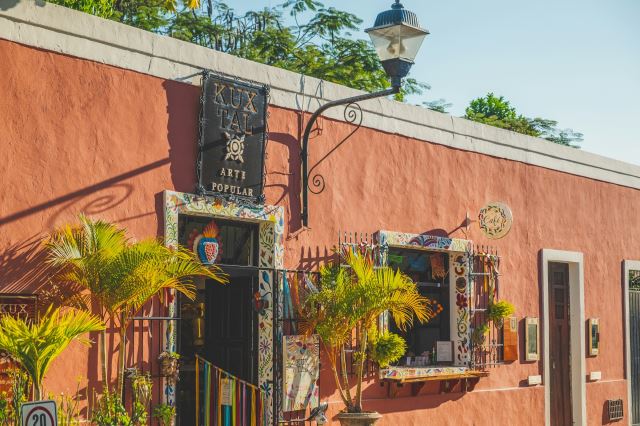
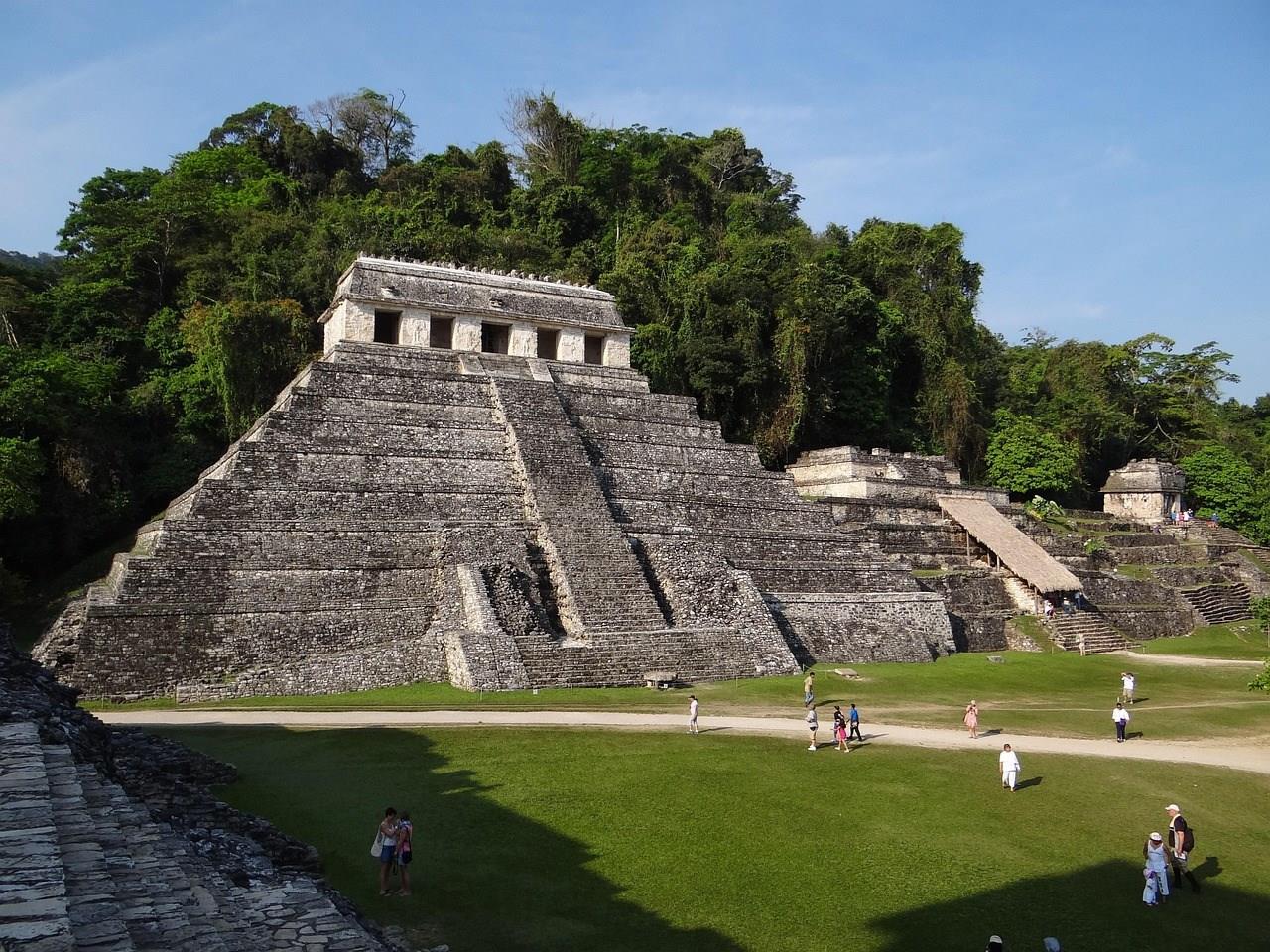
Yucatán, a Mexican state, is popular for its Gulf of Mexico beach areas and spectacular Mayan ruins. It is bordered by the states of Campeche and Quintana Roo.