


East and Southeast Asia | Japan | Kanazawa


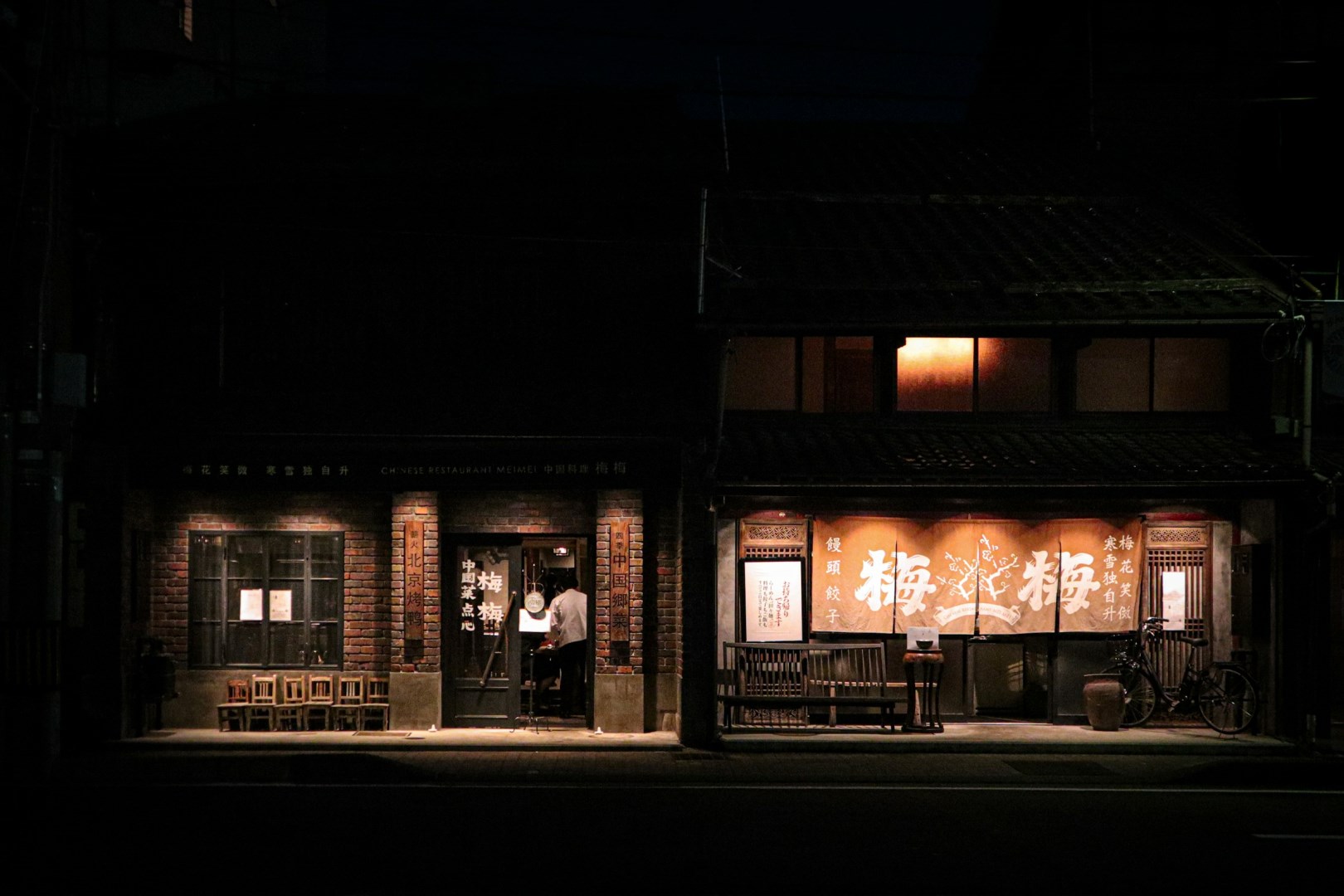

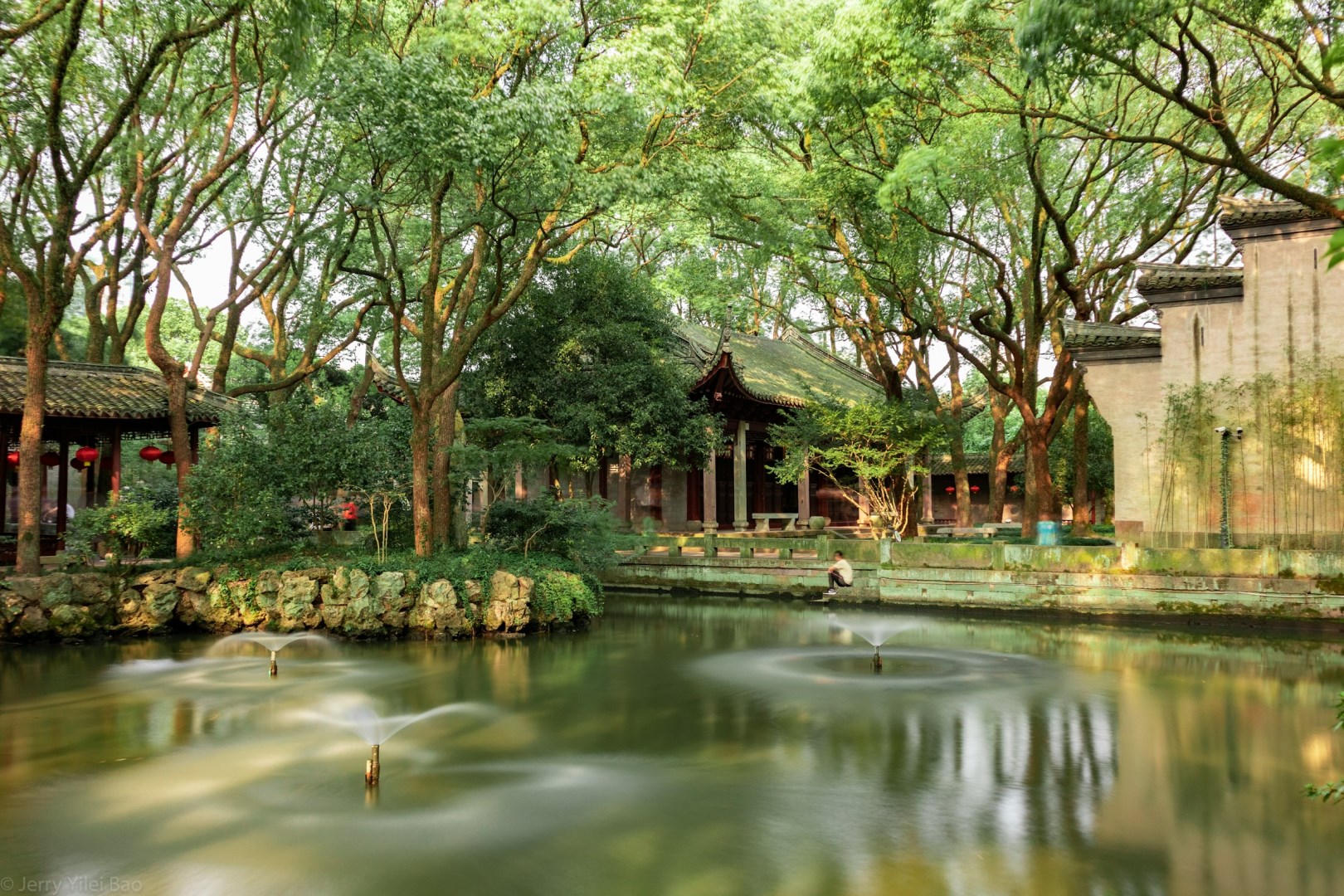
Kanazawa, Japan, is a captivating city that offers a unique blend of historical charm and cultural richness. Known for its well-preserved Edo-period districts, Kanazawa is a treasure trove of traditional Japanese experiences. The Kenroku-en Garden, one of Japan’s Three Great Gardens, is a must-visit for any traveler. This beautiful landscape garden features serene ponds, lush greenery, and seasonal flowers, embodying classic Japanese aesthetics.
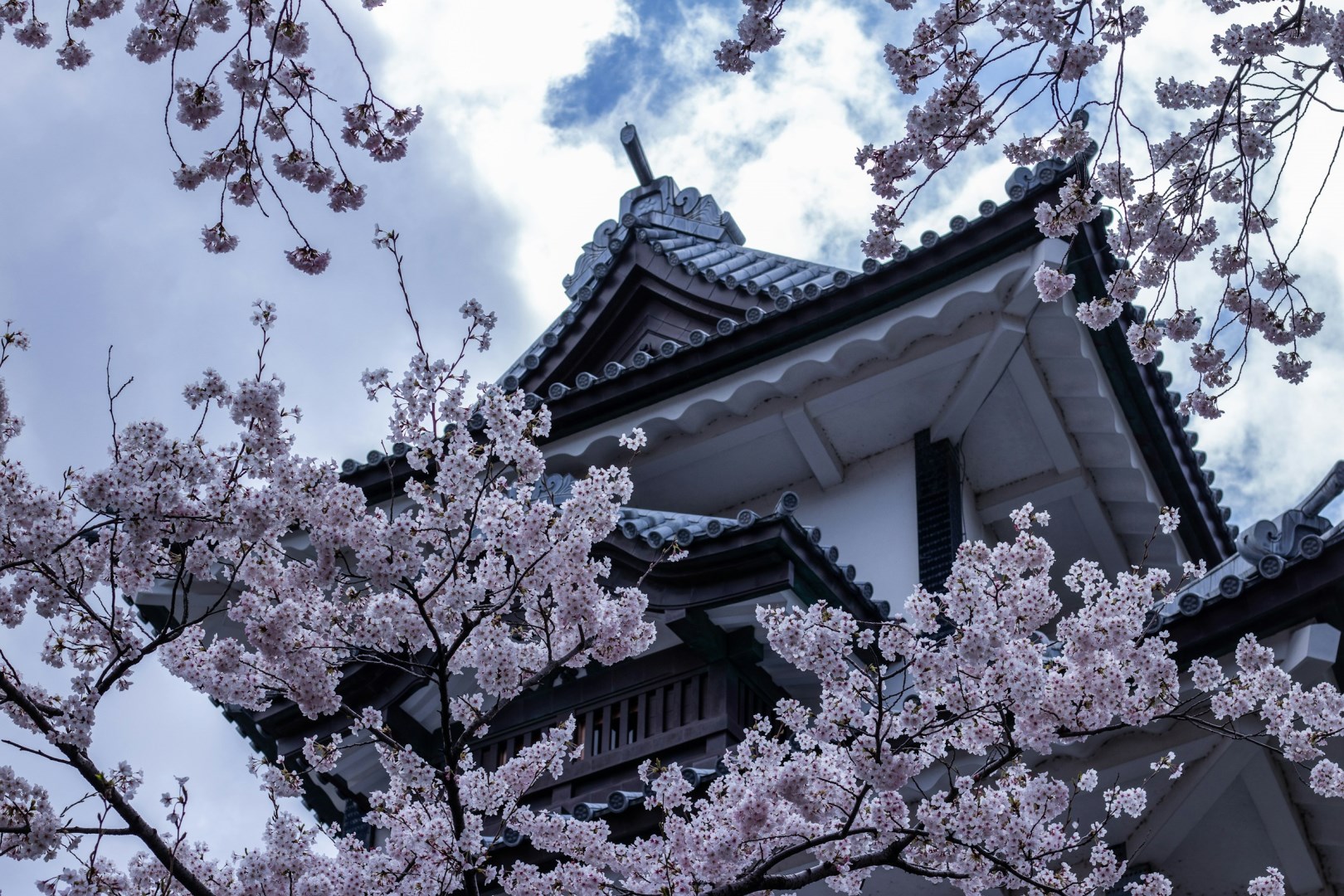
Another gem in Kanazawa is the Kanazawa Castle, which, though rebuilt, retains the grandeur of its original structure. The castle's impressive stone walls and historical exhibits provide a glimpse into the feudal past of the region. Explore the castle grounds and discover the rich history of the Maeda clan, the ruling samurai family of Kanazawa.
For those interested in traditional crafts, Kanazawa is renowned for its gold leaf production, which dates back to the 16th century. The city is home to several workshops where visitors can see artisans at work and even try their hand at creating their own gold leaf art. The Kanazawa Gold Leaf Museum offers a fascinating insight into this craft.
Fun Fact: Kanazawa is also known for its vibrant 21st Century Museum of Contemporary Art, which stands out for its innovative architecture and diverse exhibitions. The museum's round shape and transparent walls make it an architectural marvel in its own right.
Another gem in Kanazawa is the Kanazawa Castle, which, though rebuilt, retains the grandeur of its original structure. The castle's impressive stone walls and historical exhibits provide a glimpse into the feudal past of the region. Explore the castle grounds and discover the rich history of the Maeda clan, the ruling samurai family of Kanazawa.
For those interested in traditional crafts, Kanazawa is renowned for its gold leaf production, which dates back to the 16th century. The city is home to several workshops where visitors can see artisans at work and even try their hand at creating their own gold leaf art. The Kanazawa Gold Leaf Museum offers a fascinating insight into this craft.
Fun Fact: Kanazawa is also known for its vibrant 21st Century Museum of Contemporary Art, which stands out for its innovative architecture and diverse exhibitions. The museum's round shape and transparent walls make it an architectural marvel in its own right.
Other Popular Destinations in Japan

Shopping, historic temples, lush green spaces and exceptional dining are all part of Tokyo, the capital of Japan. This spectacular, highly populated metropolis holds unlimited options for tourists.

