
Oregon invites travelers to experience landscapes and stories that shift dramatically from one region to the next. In the south, Crater Lake National Park holds the title of deepest lake in the U.S., formed inside the remains of an ancient volcano. With its intense blue color and dramatic cliffs, the lake draws visitors year-round for hiking, snowshoeing, or simply standing in awe.
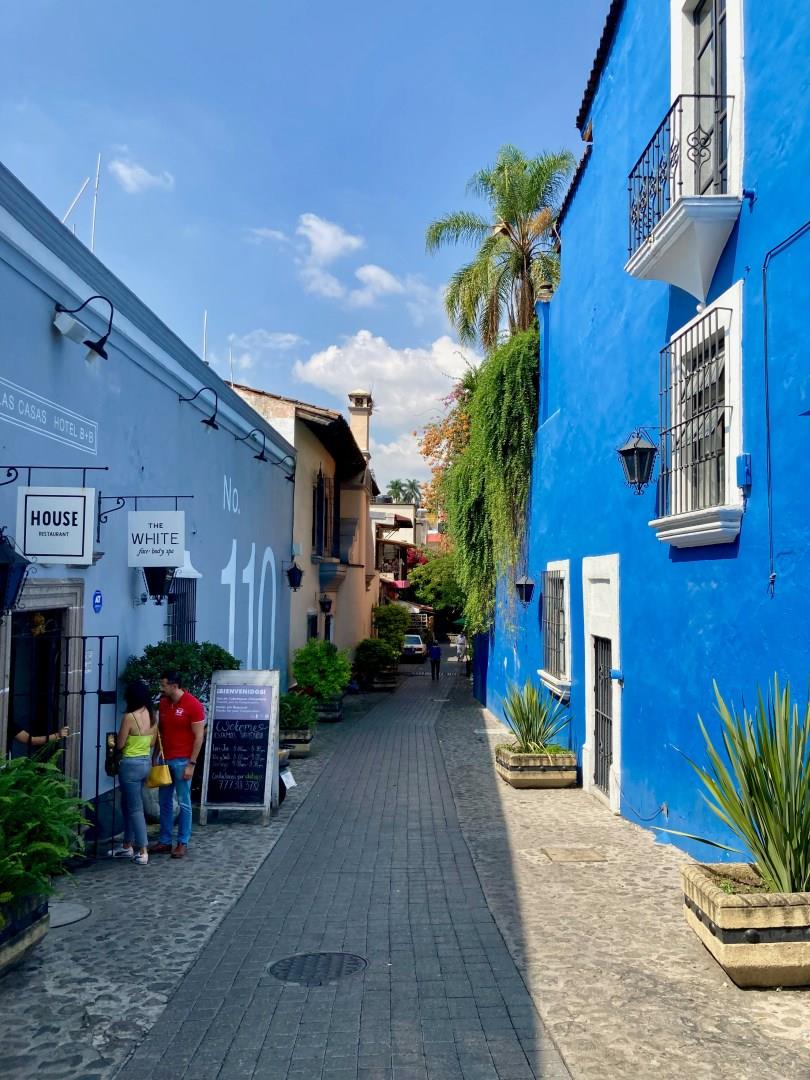
Cuernavaca, often called the “City of Eternal Spring,” has long been a retreat for those seeking warm weather and relaxing surroundings just 90 minutes from Mexico City. With a history that stretches back to the Aztec empire, the city is layered with centuries of cultural change. The historic center of Cuernavaca combines architecture from multiple eras, with narrow streets leading to quiet plazas and colonial churches.
Brussels, the vibrant capital of Belgium, offers a perfect blend of medieval charm and modern sophistication. At its heart lies the iconic Grand Place, a UNESCO World Heritage Site known for its stunning Gothic and Baroque guildhalls.
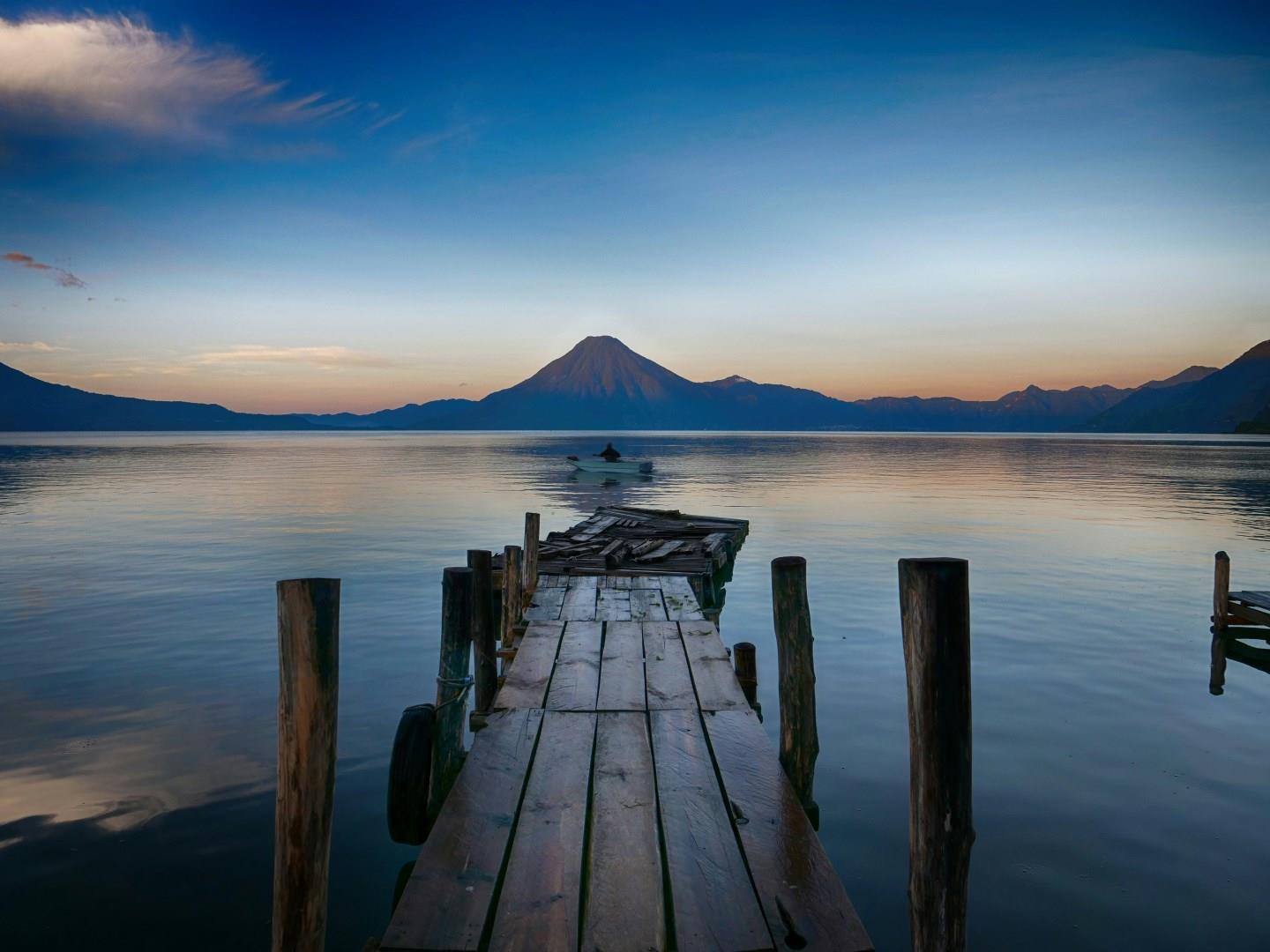
Panajachel, on the shores of Guatemala’s Lake Atitlán, is a vibrant town framed by volcanic peaks and the shimmering waters of one of the world’s most picturesque lakes.
Tsavo West National Park, located in Kenya, offers a quintessential safari experience amidst dramatic landscapes and abundant wildlife. This vast park is part of the larger Tsavo ecosystem and is renowned for its diverse habitats, including semi-arid plains, volcanic hills, and lush riverine forests. The park’s centerpiece, the Mzima Springs, provides a vital water source for wildlife and features crystal-clear pools that allow visitors to view aquatic life such as hippos and fish through underw
Located in central Germany, Frankfurt is a vibrant cultural and economic hub nestled on the Main River. Museums and architectural gems abound in Frankfurt, from the Goethe House, to the picturesque timber houses of Römerberg town square, to the Museumsufer, a collection of museums lining the banks of the Main.
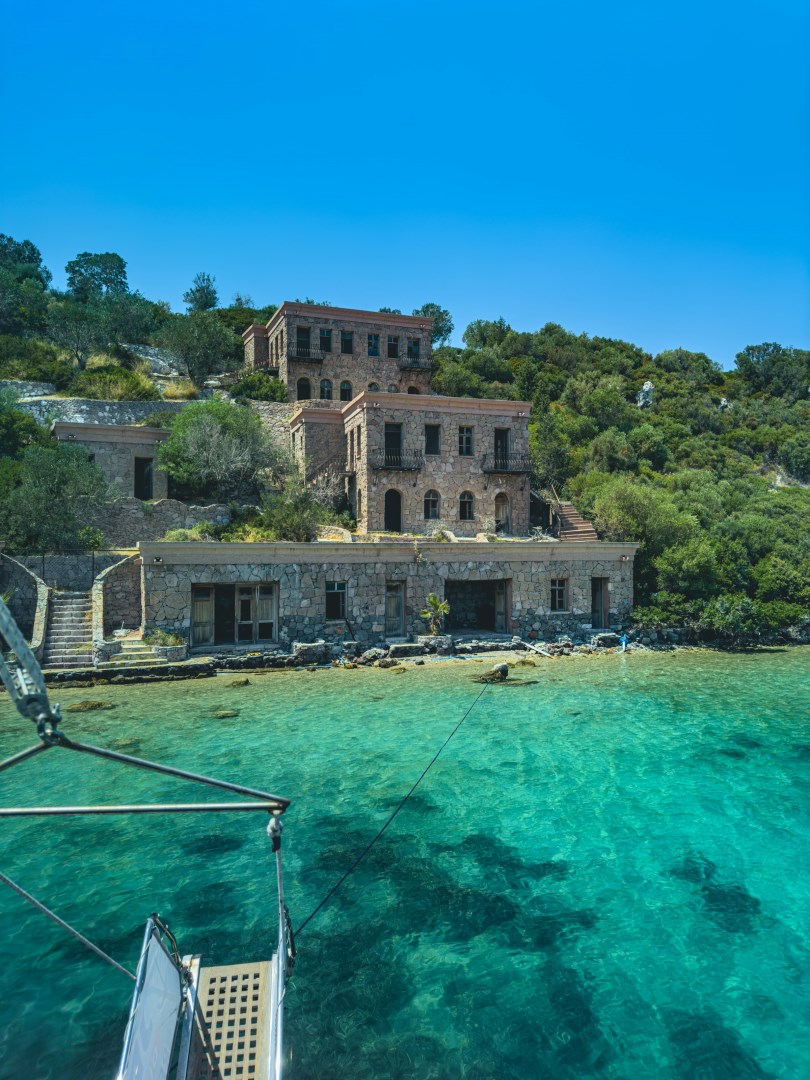
Dikili leads the way to the ancient city of Pergamum, also known as Bergma. This city thrived under the Romans from the 2nd century BC to the 2nd century AD. One of the most fascinating aspects of the ancient site is the medical complex, Asklepieon, where advanced psychological treatments were practiced. The complex was named after Asklepois, the god of medicine, and treatments included extended periods of sleep, massage, therapeutic baths and observing comedy theater. Elsewhere on the site are temples, baths, a gymnasium and a library containing 200,000 ancient scrolls made from Egyptian papyrus.