
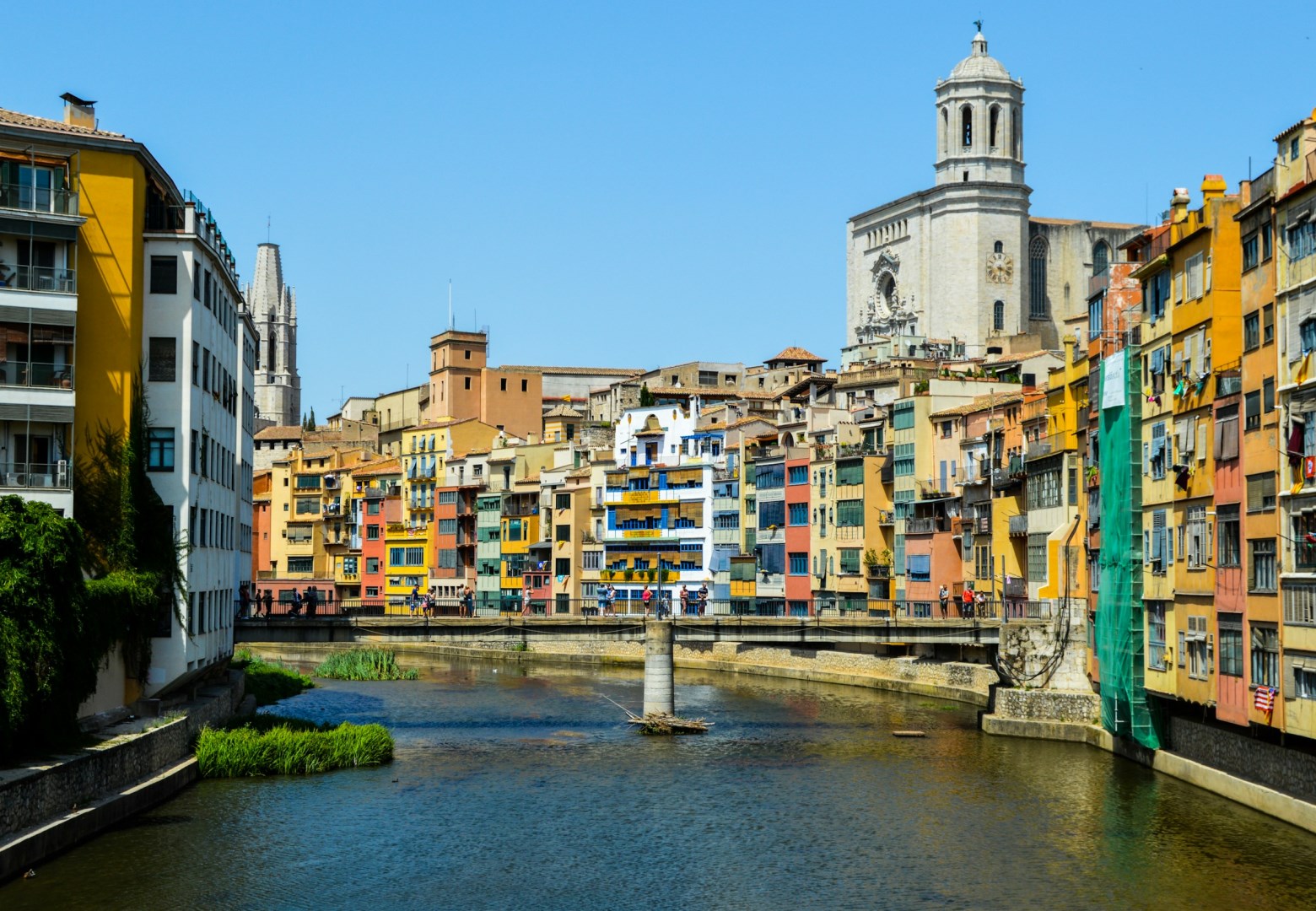

Town walls encapsulate this city, making for fantastic viewpoints all around. Visitors can also walk across the Pont de les Peixateries Velles bridge, designed by Gustave Eiffel. When leaving, it is a must to find El Cul de la Lleona, a lioness statue, and kiss her bottom. Tradition dictates that doing so will ensure a return trip in your future!
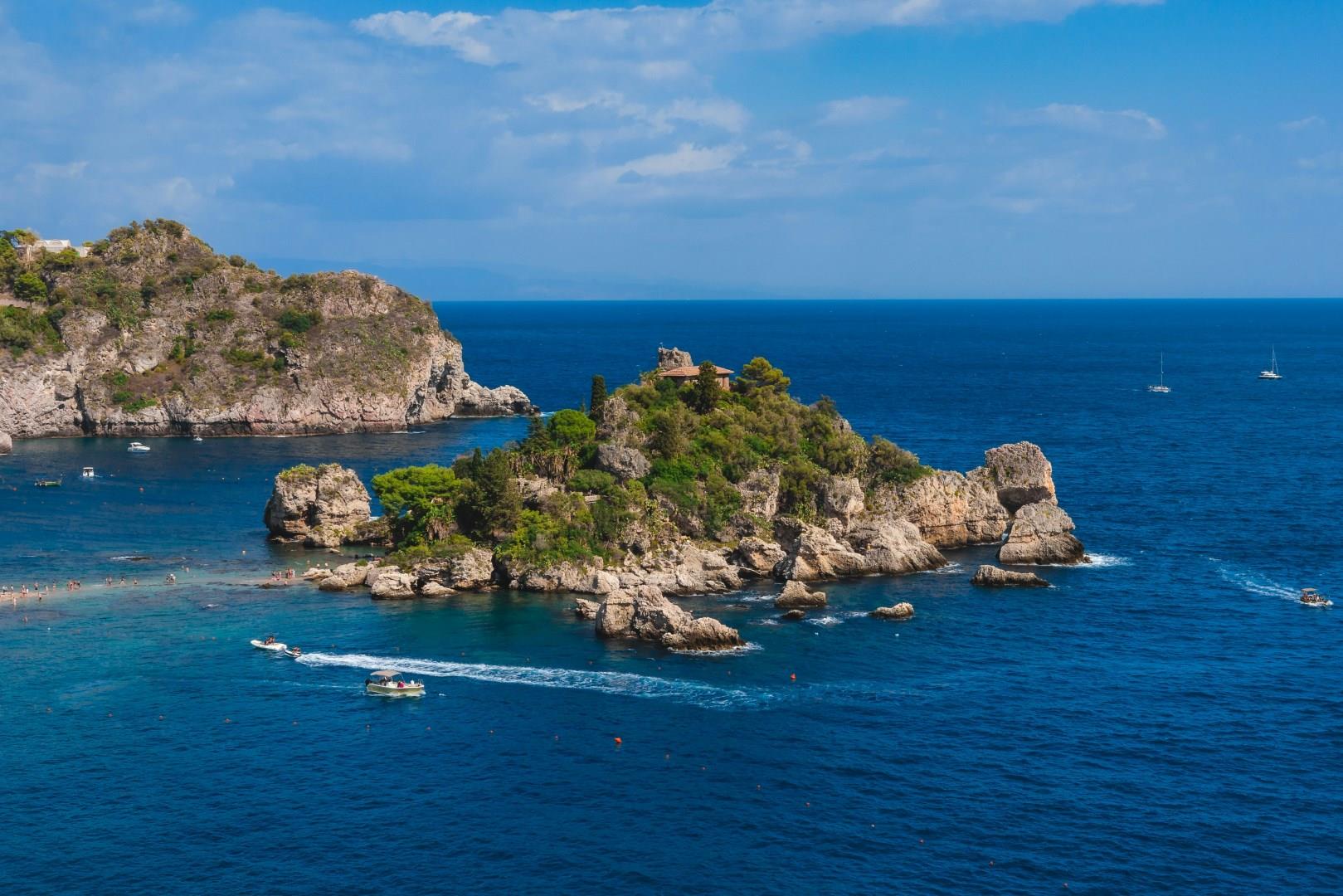
Isola Bella sits on Lake Maggiore as part of the Borromean Islands, closely tied to the ambitions of the Borromeo family who reshaped the rocky outcrop in the 17th century.
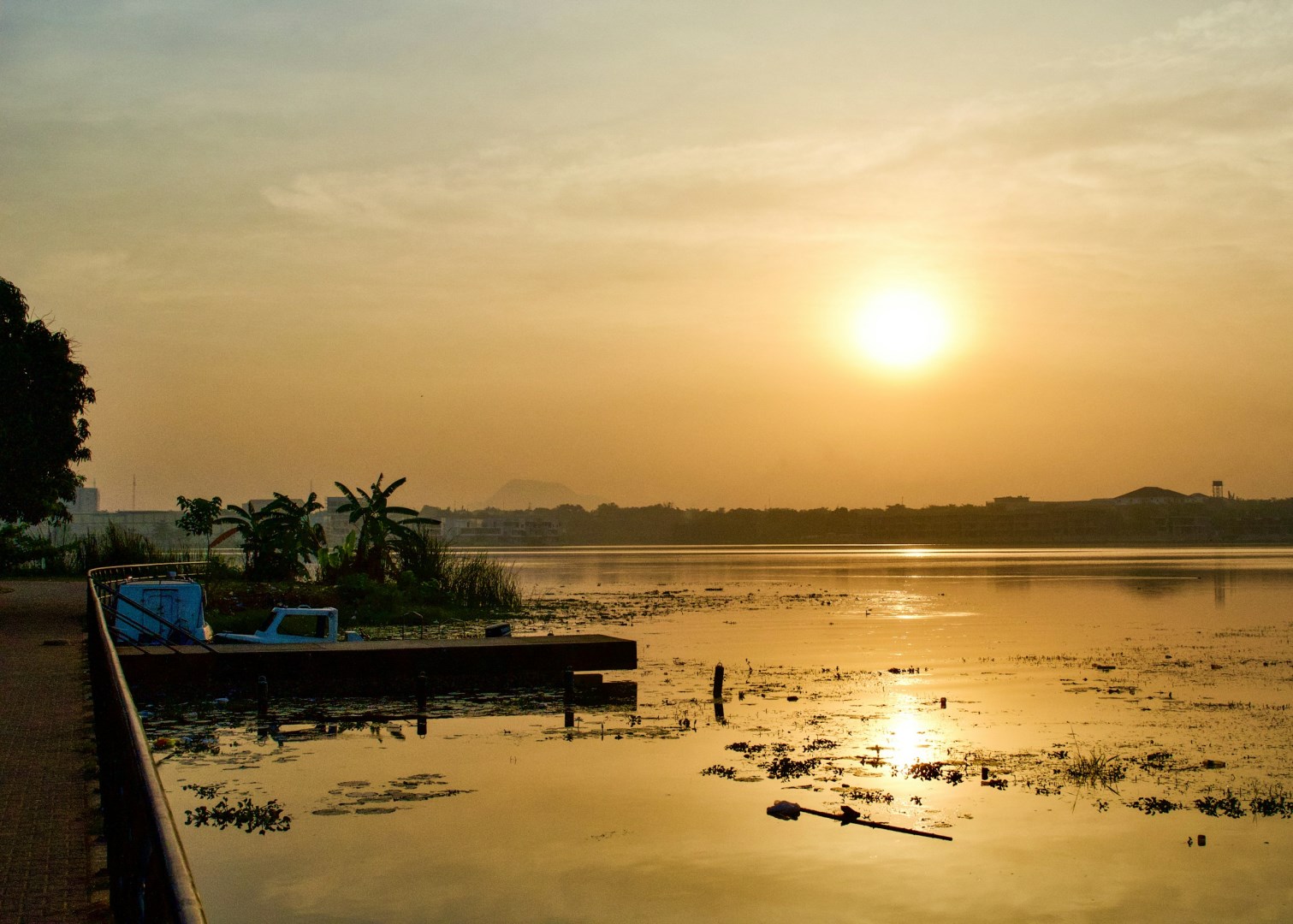
Abuja is a planned, modern city and the proposed new federal capital of Nigeria. The site was chosen to replace the capital Lagos because of the central location, easy accessibility, good climate and land for further expansion.
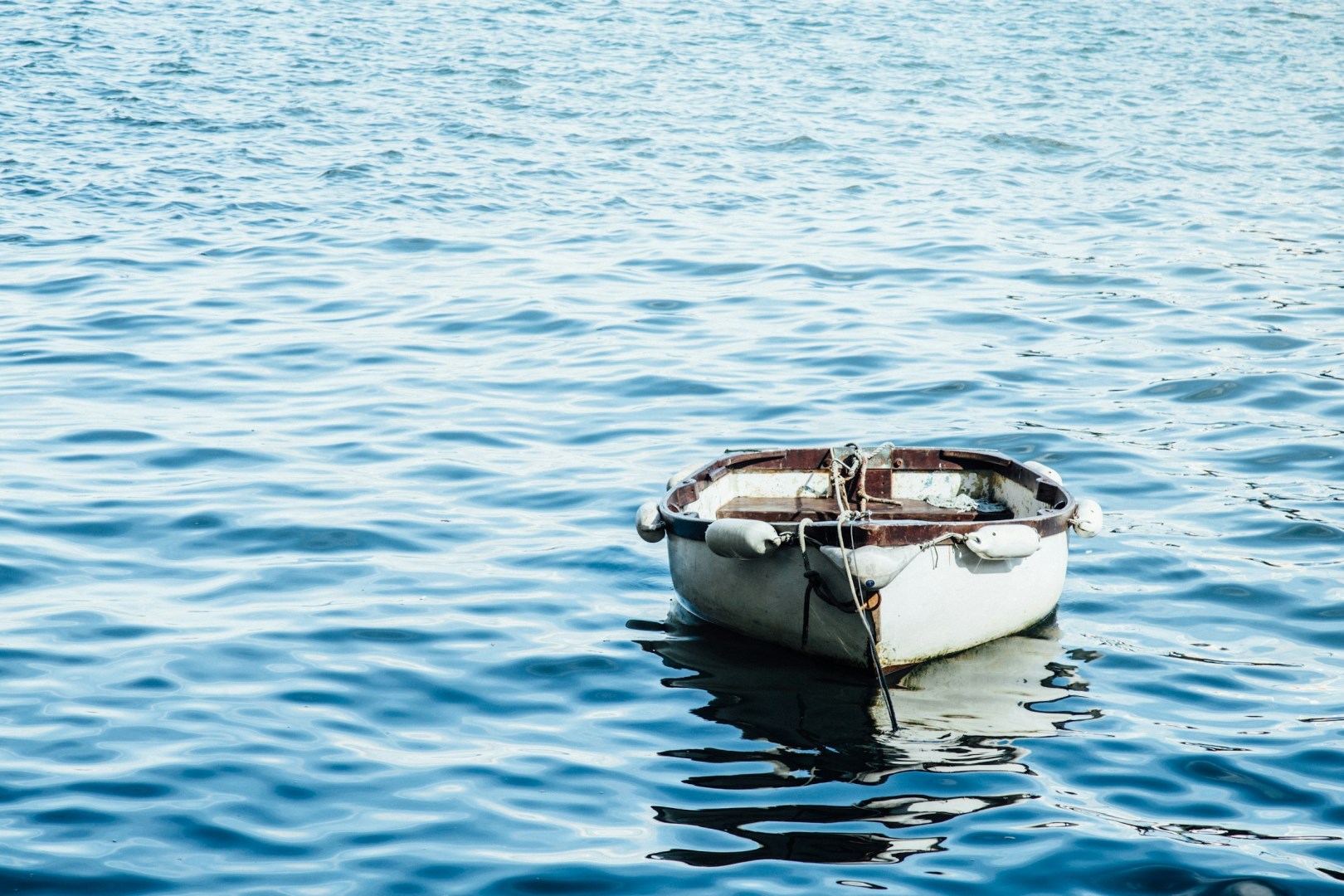
Falmouth, on Cornwall’s south coast, grew around one of the world’s largest natural harbors, a feature that has shaped its maritime identity for centuries. The town expanded during the age of sail, serving as a key port for packet ships, and landmarks like Pendennis Castle still anchor Falmouth firmly in its naval past.
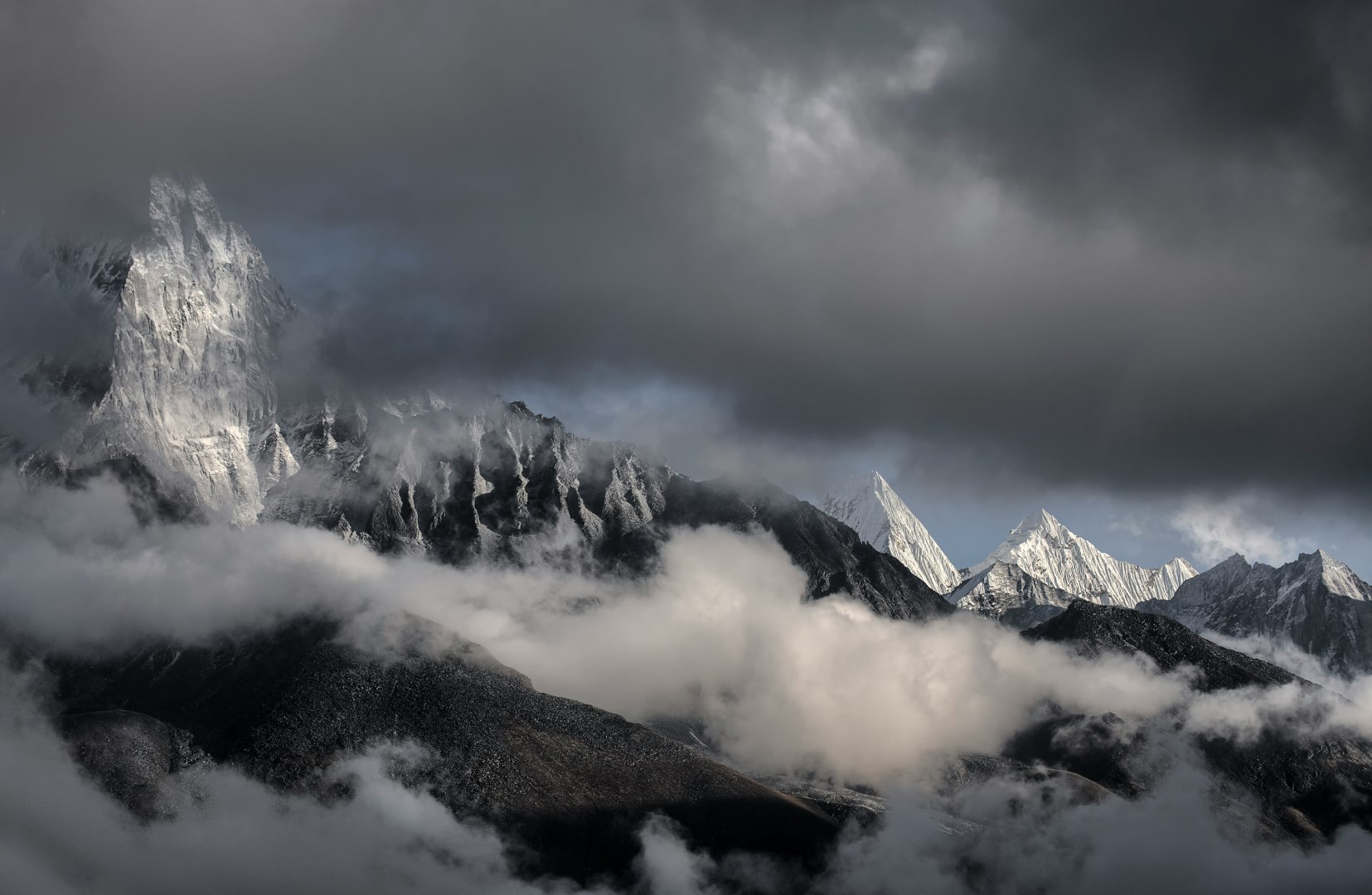
Set high in the Khumbu Valley, Pheriche offers a quiet yet striking stop along the route toward Mount Everest. Surrounded by wide landscapes and rugged peaks, this small settlement sits in a windswept valley where the air is crisp and the views stretch for miles. Unlike busier stops along the trail, Pheriche gives travelers space to pause, adjust to the altitude, and take in the scale of the Himalayas without distraction.
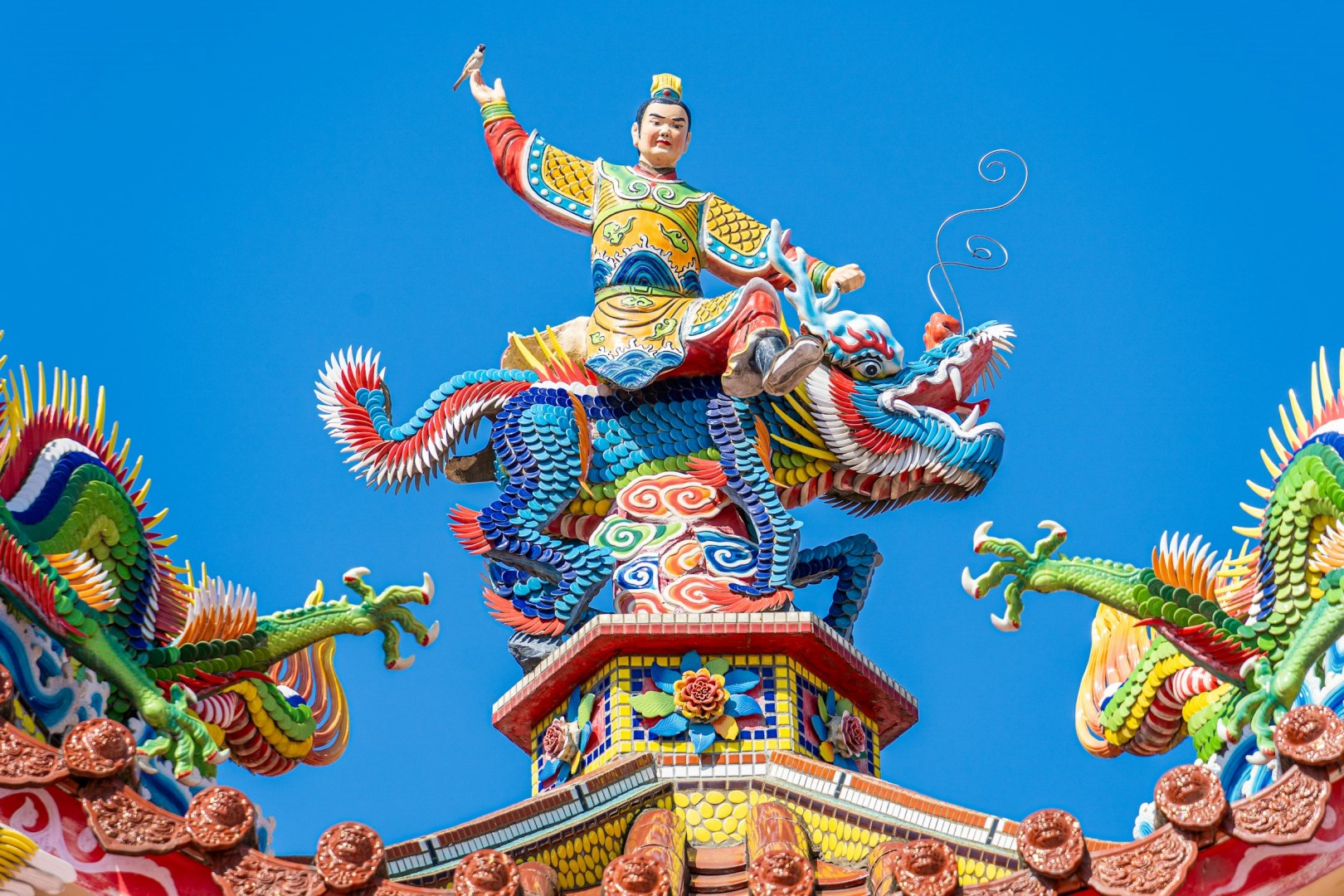
Founded in 1721 by mainland Chinese, it is the third largest city in Taiwan. Occupied by Japanese from 1895-1945, it totally leveled and rebuilt. With many museums, gardens and universities, it is considered the cultural center of Taiwan.
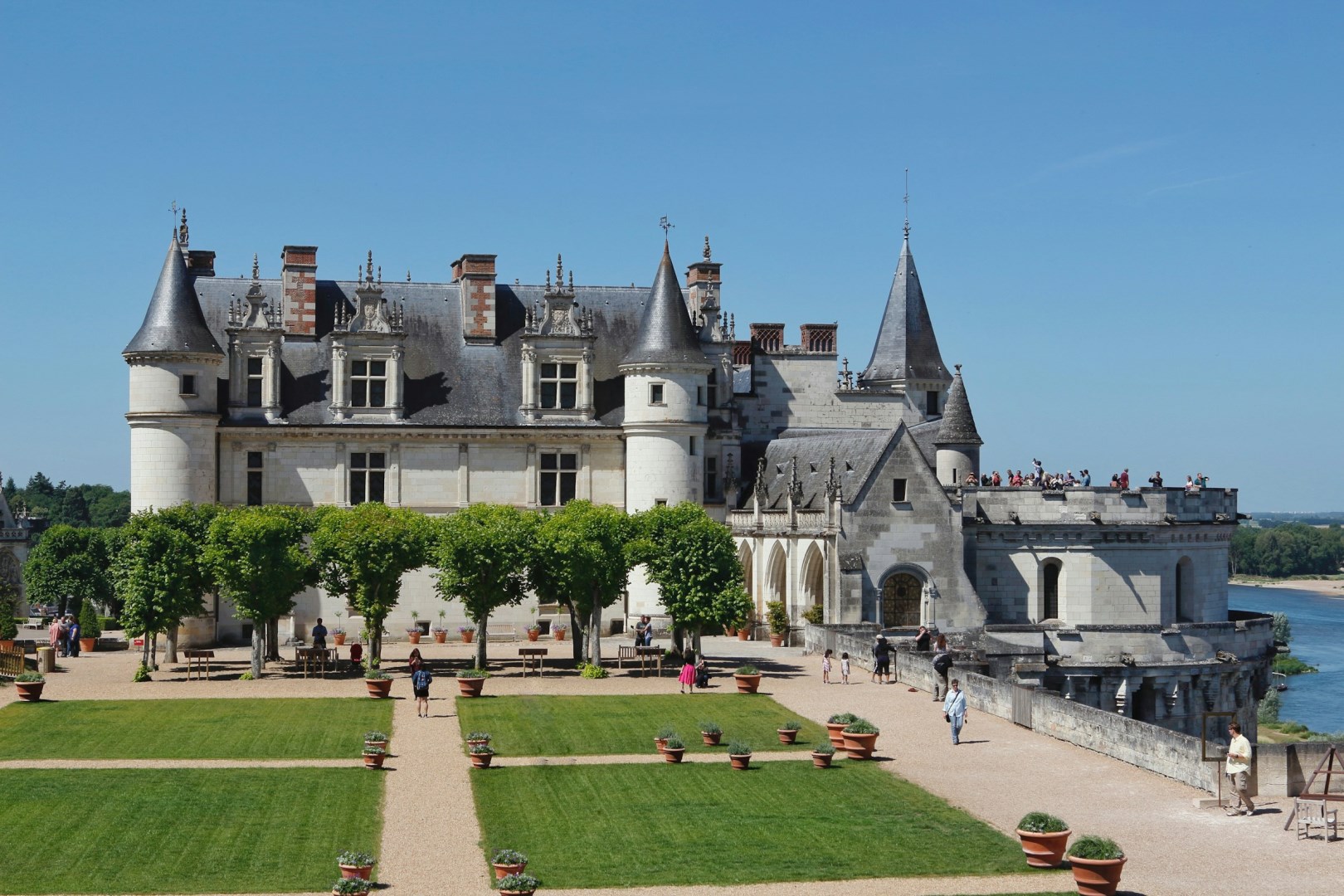
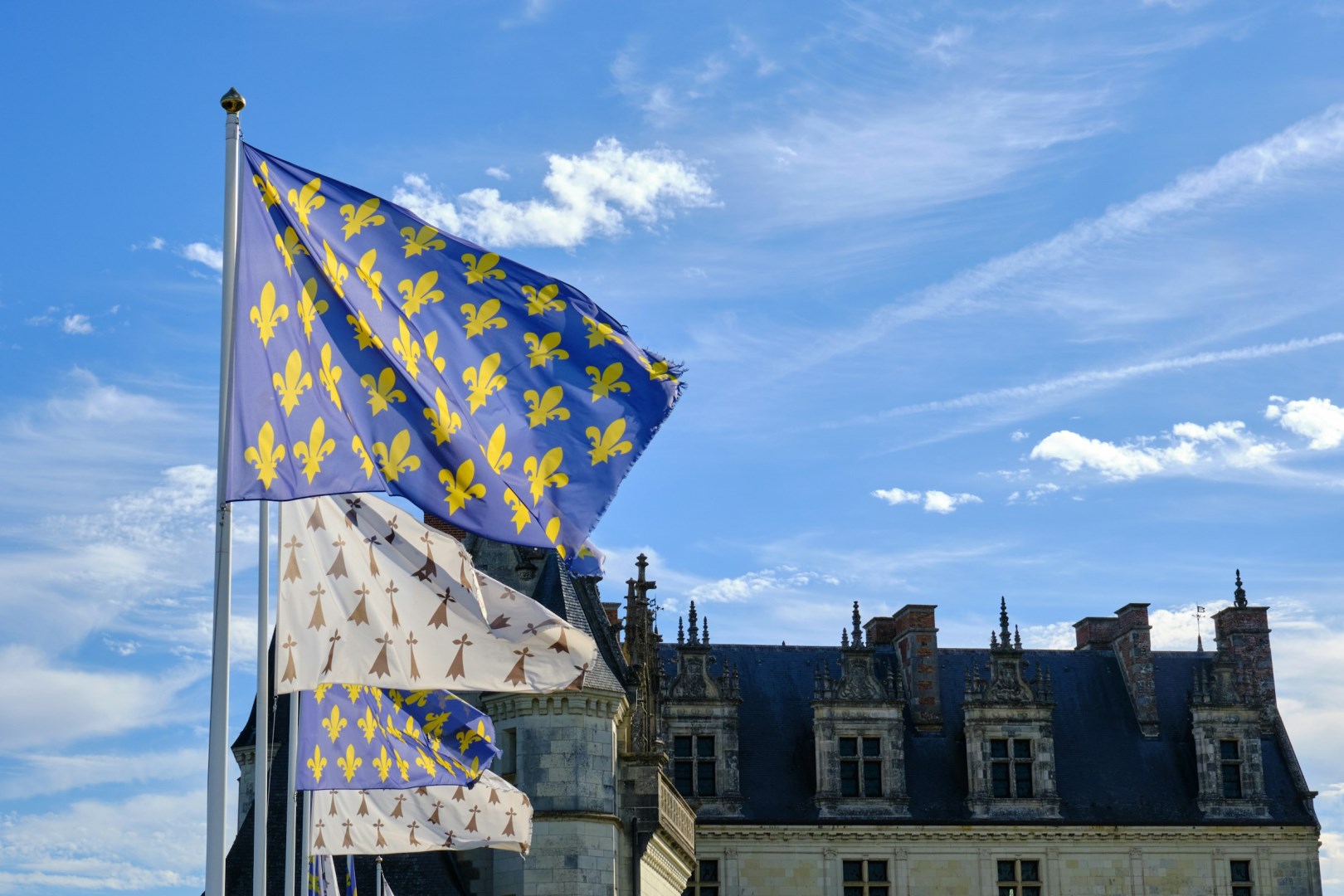
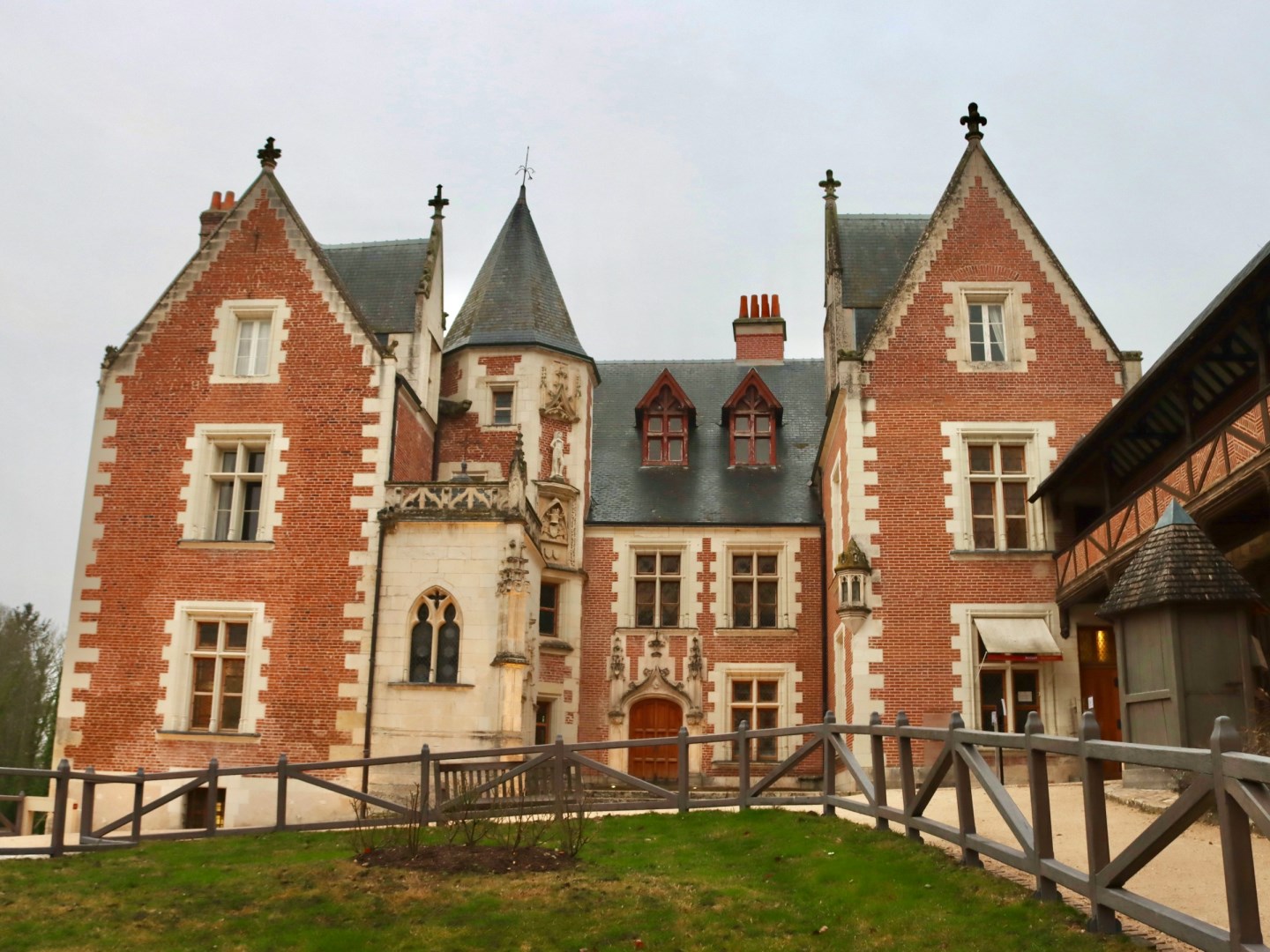
Amboise has 12,000 inhabitants and is in the heart of Touraine, in the land of chateaux. It is a town both traditional and modern, lively and quiet. In Amboise, there is a royal castle set above the Loire Valley and is a strong point extensively embellished during the 15th and 16th centuries. The Tour des Minimes, with its spiral staircase enabling riders to enter without dismounting, is the only one that has survived the ravages of time. The St. Hubert chapel is delightful and quite close to the country house of Clos-Luce where Leonardo da Vinci died and was buried. The medieval Town Hall and St. Florentin church, with its fluted pillars, are in the town while St. Denis stands above it.