


Australia & New Zealand | Australia | Broken Hill
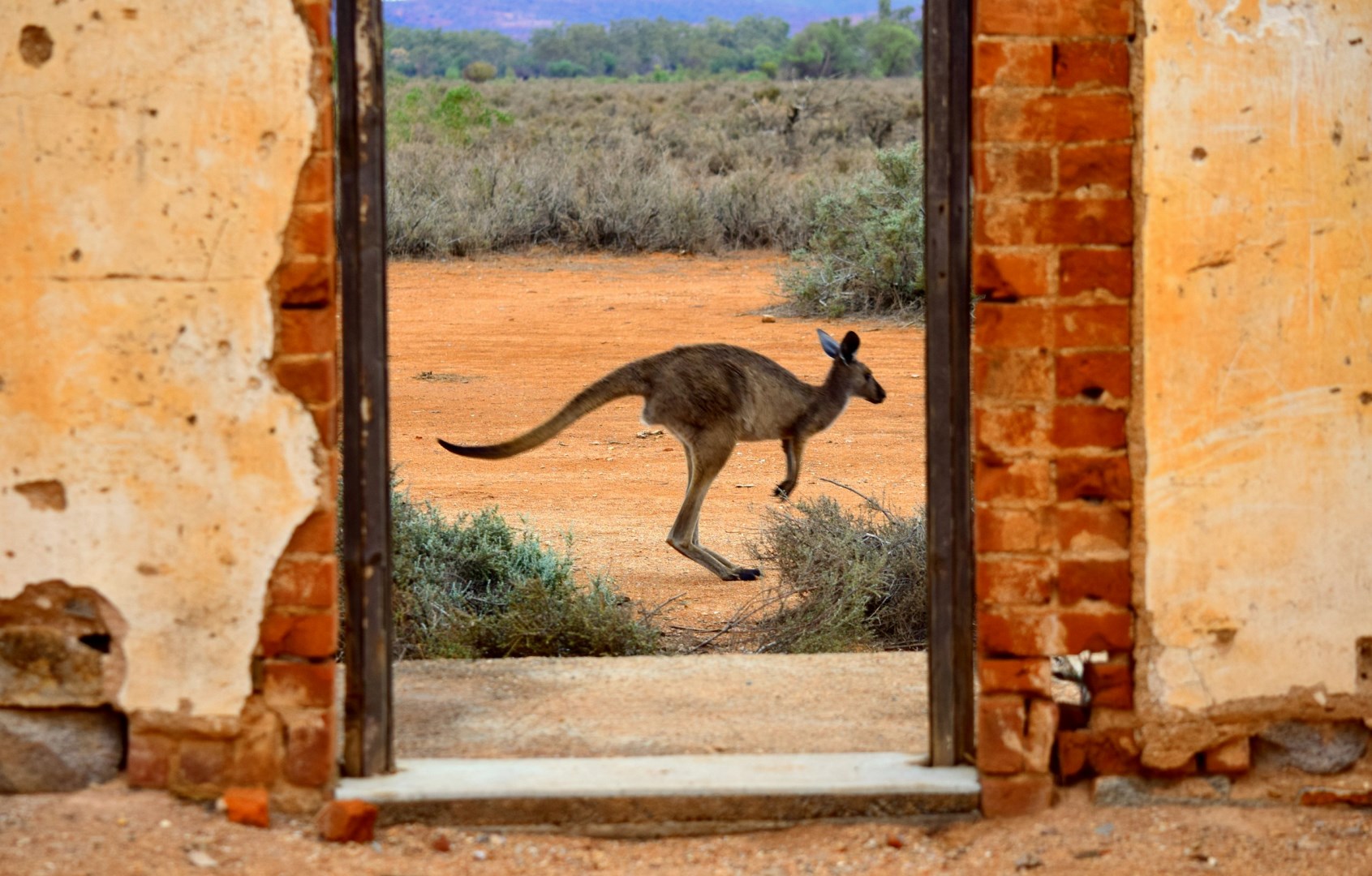

Broken Hill is a mining town which is also very popular amongst Australian artists. The town is known as ‘Silver City’ and still mines for Silver, lead and zinc today. However there is only one mine that is still open today. When you get here be prepared to change your watches. Although Broken Hill is part of NSW, it is only 509km from Adelaide , whilst 1170km from Sydney. It shares the central time with South Australia, and also shares the same telephone code of 08.
The city is easy to get around, as it is set out as a grid. The main street where you will find shops, restaurants and accommodation is Argent Street. The train station is a shirt walk east from here, and the bus stop is outside the tourist information centre on the next street up from here. There are buses to both Adelaide and Sydney, run by Greyhound Pioneer. You can also get to these places by train. If you are looking at heading over to Perth, you can also hop on the Indian Pacific which passes through.
The city is easy to get around, as it is set out as a grid. The main street where you will find shops, restaurants and accommodation is Argent Street. The train station is a shirt walk east from here, and the bus stop is outside the tourist information centre on the next street up from here. There are buses to both Adelaide and Sydney, run by Greyhound Pioneer. You can also get to these places by train. If you are looking at heading over to Perth, you can also hop on the Indian Pacific which passes through.
Other Popular Destinations in Australia

Sydney, Australia, is a vibrant city where iconic landmarks, diverse neighborhoods, and natural beauty converge. The Sydney Opera House, with its striking sail-like design, and the Sydney Harbour Bridge are symbols recognized around the world, yet the city offers much more beyond its famous skyline.

Cairns is the majestic entrance to Australia's Great Barrier Reef. This warm, tropical destination is located in Far North Queensland. Must-see attractions in Cairns include the Tjapukai Aboriginal Cultural Park, which educates tourists about indigenous peoples, and restaurant and bar-dotted Cairns Esplanade, which has a lagoon for swimming.
