





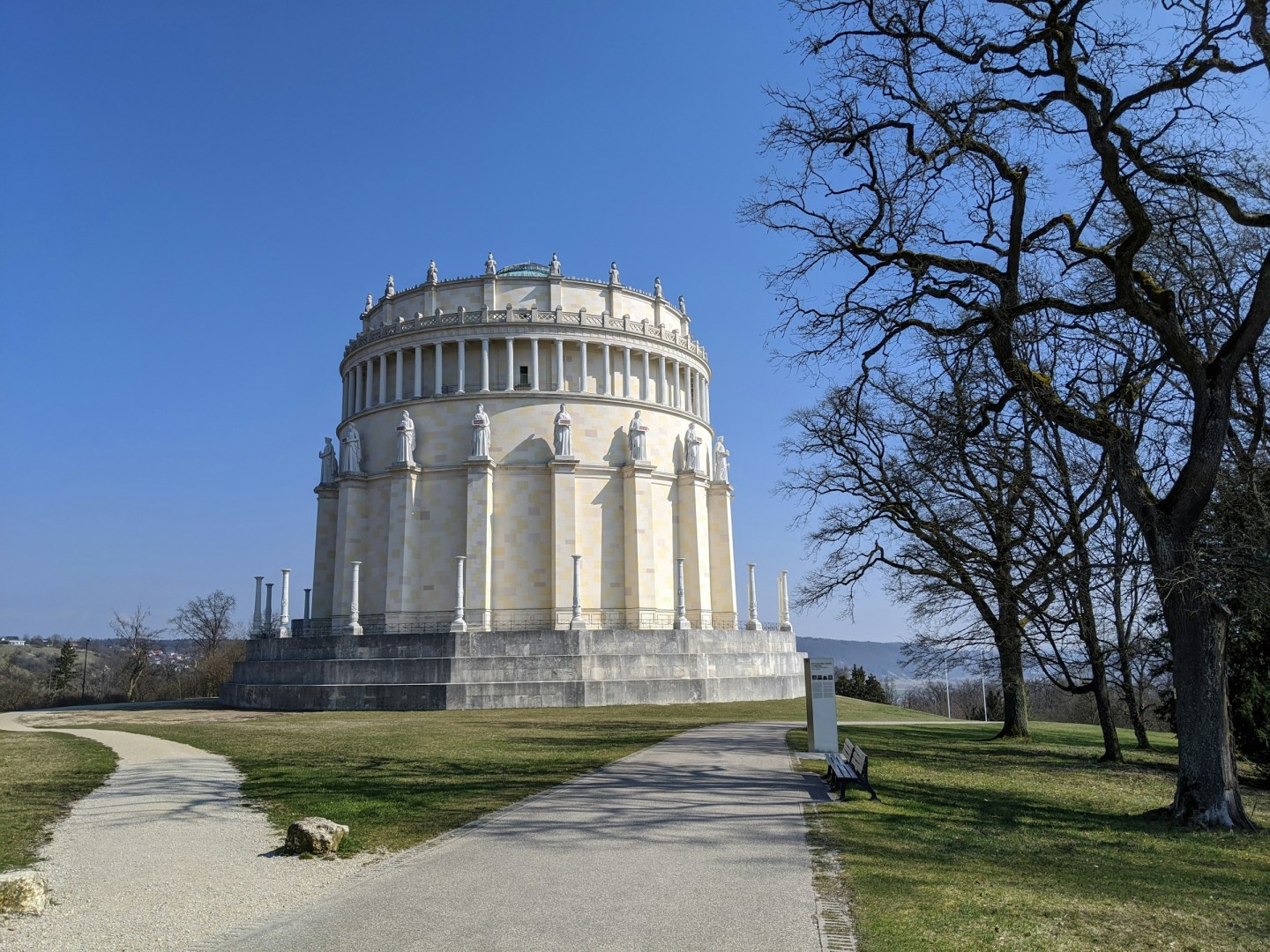



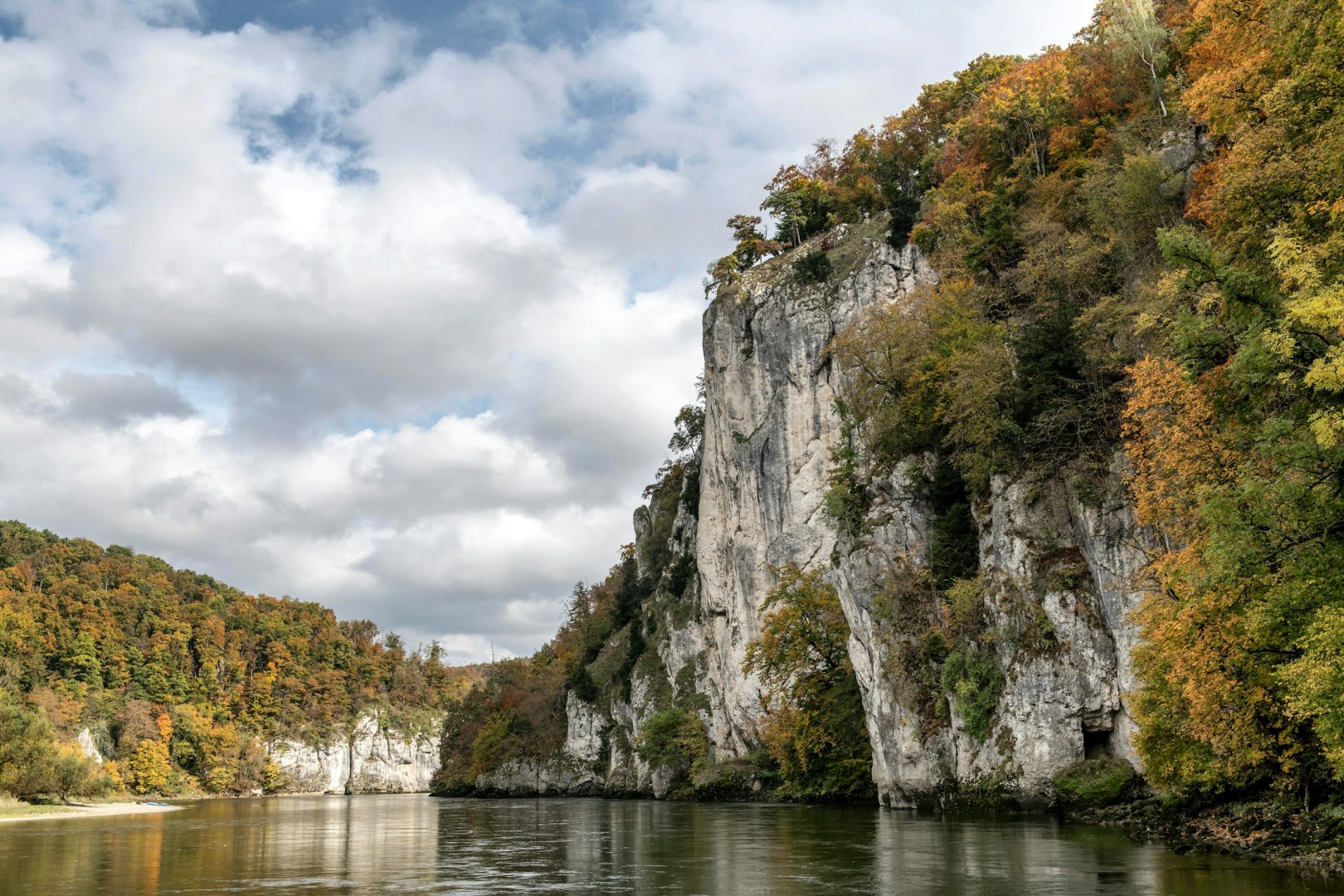



The city of Kelheim is located along the Danube River in the Bavarian region of Germany, southwest of Regensburg.
Historically, Kelheim would gladly have been the Bavarian country capital. Yet the murder of the Wittelsbacher duke, Ludwig I, in 1231 moved its successors to transfer the capital to Munich. As Kelheim did not flourish into the country's center of commerce, the picturesque city of the fated duke remained.
The reinforcements of the 13th century are still visible: the reinforcement walls, all three gate towers and some sections of the moat. Also, both main streets still reflect the life of a manorial city.
Historically, Kelheim would gladly have been the Bavarian country capital. Yet the murder of the Wittelsbacher duke, Ludwig I, in 1231 moved its successors to transfer the capital to Munich. As Kelheim did not flourish into the country's center of commerce, the picturesque city of the fated duke remained.
The reinforcements of the 13th century are still visible: the reinforcement walls, all three gate towers and some sections of the moat. Also, both main streets still reflect the life of a manorial city.
Other Popular Destinations in Germany

Passau sits on the confluence of the Danube, the Inn and the Ilz, so it is fitting that it is known as "the Dreiflüssestadt", which means the “City of Three Rivers.” The historical center offers a cathedral, churches and museums to explore, and the embankment is perfect for a romantic stroll.

This cultural capital and university city holds more than 2,000 years of history and is the cultural hub of Germany. Marvel at the gorgeous twin-spired Cologne Cathedral, known for its gilded medieval reliquary and sweeping river views, or lose yourself in one of Colonge's many museums for a few hours. Cologne boasts of having most pubs per person in Germany, so make sure you sit down for a refreshing regional Kölsch beer during your travels!
