


South America | Brazil | Campo Grande


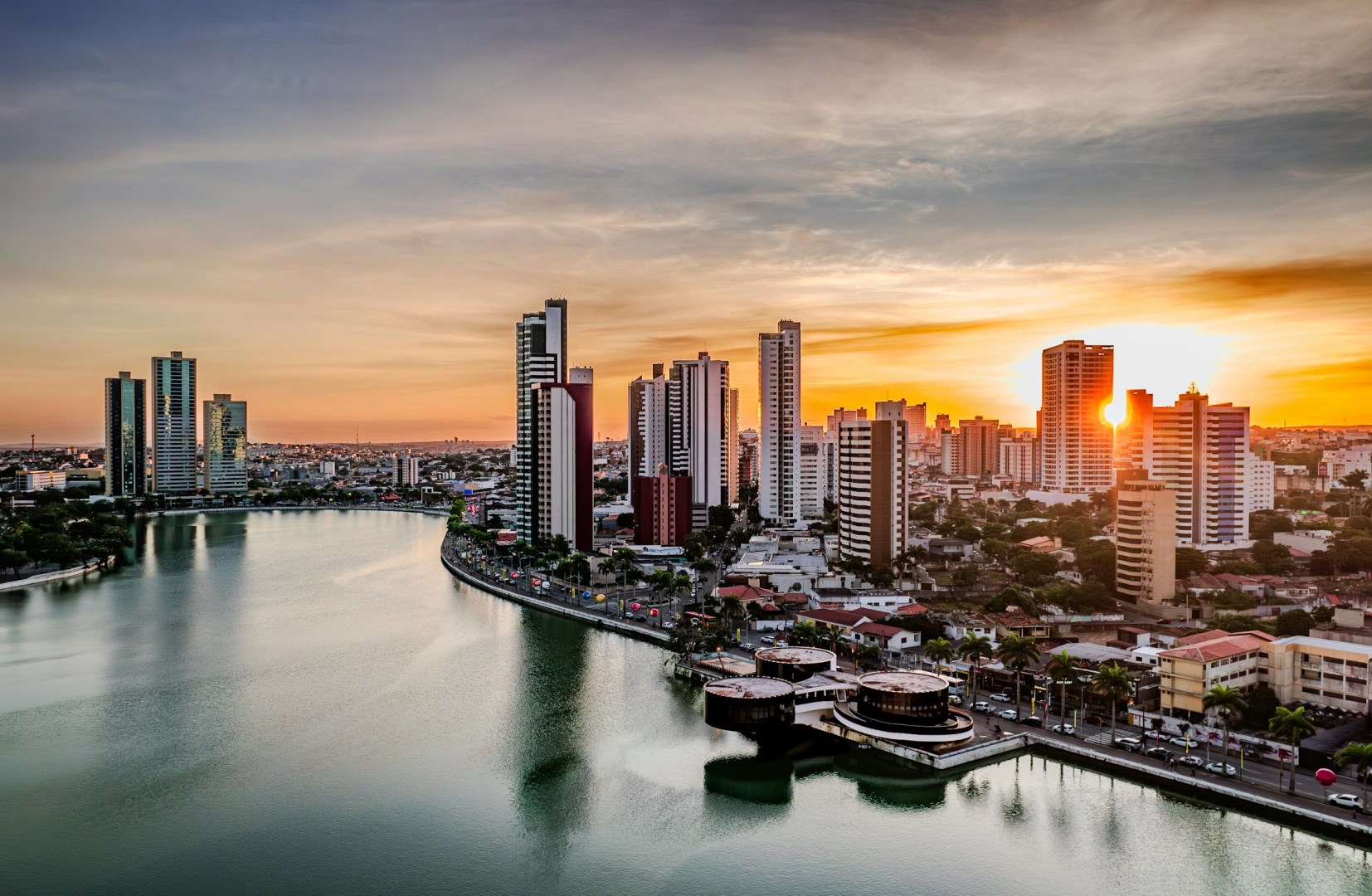
Campo Grande is the capital of Mato Grosso do Sul in central-western Brazil and an important urban gateway to the southern Pantanal and destinations such as Bonito. The city is often known as Cidade Morena, a reference to the reddish soil found across the region. Its broad avenues, parks, and low-density neighborhoods reflect its location on the edge of the Brazilian interior, where urban life meets ranching country and cerrado landscapes. Campo Grande also has a culturally diverse population shaped by Indigenous communities and immigrants from Japan, Paraguay, Lebanon, and other parts of Brazil.
Indigenous heritage is an important part of Campo Grande’s identity, particularly through the Terena and Guarani peoples and the city’s urban Indigenous communities. The Memorial da Cultura Indígena provides a place for Indigenous families to live and sell traditional products, while the Parque das Nações Indígenas includes the Monumento ao Índio and museums devoted to art and regional cultures. The city also preserves buildings and landmarks connected with immigration and its development, including the Morada dos Baís, Casa do Artesão, and the Monumento à Imigração Japonesa.
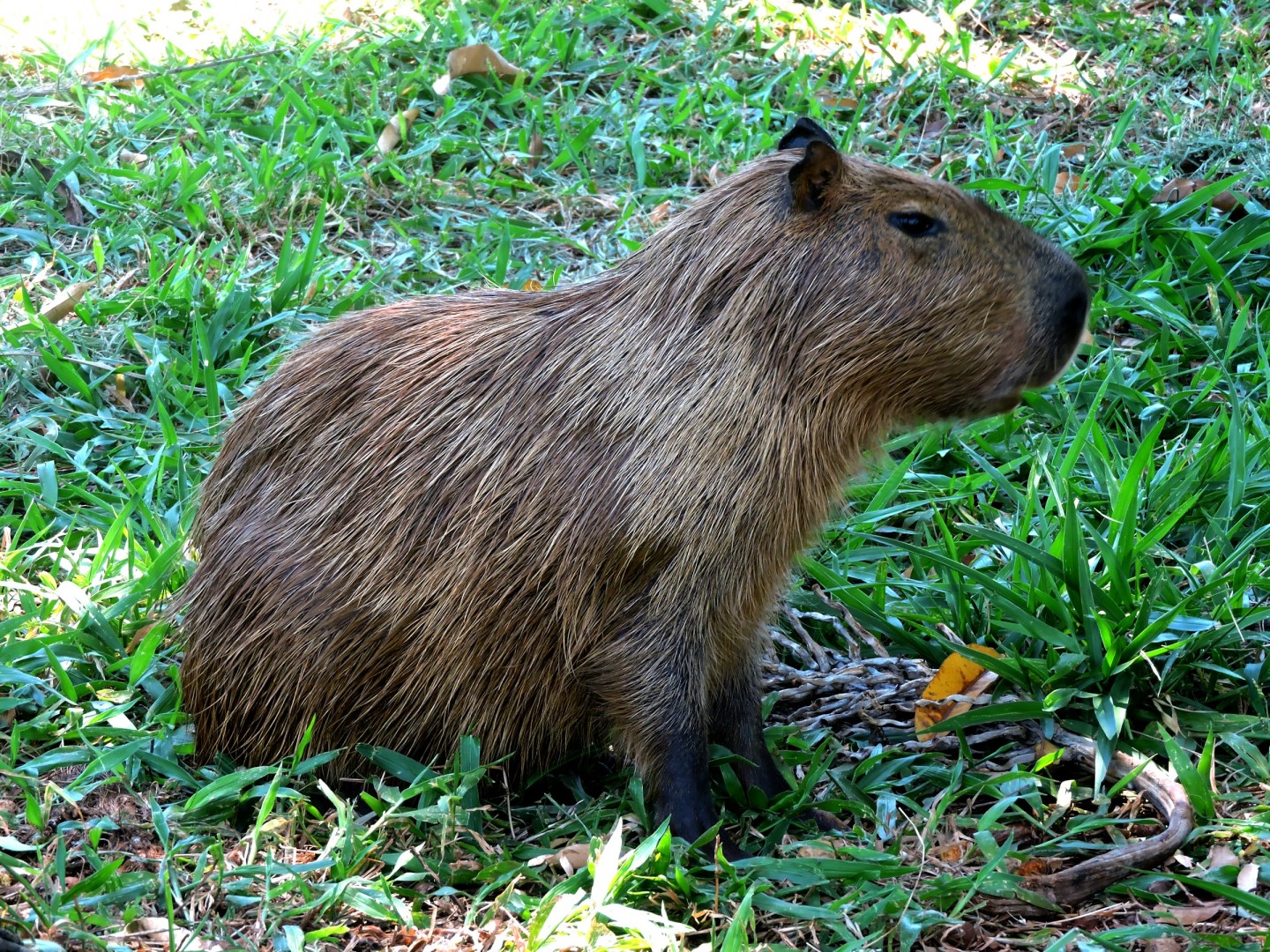
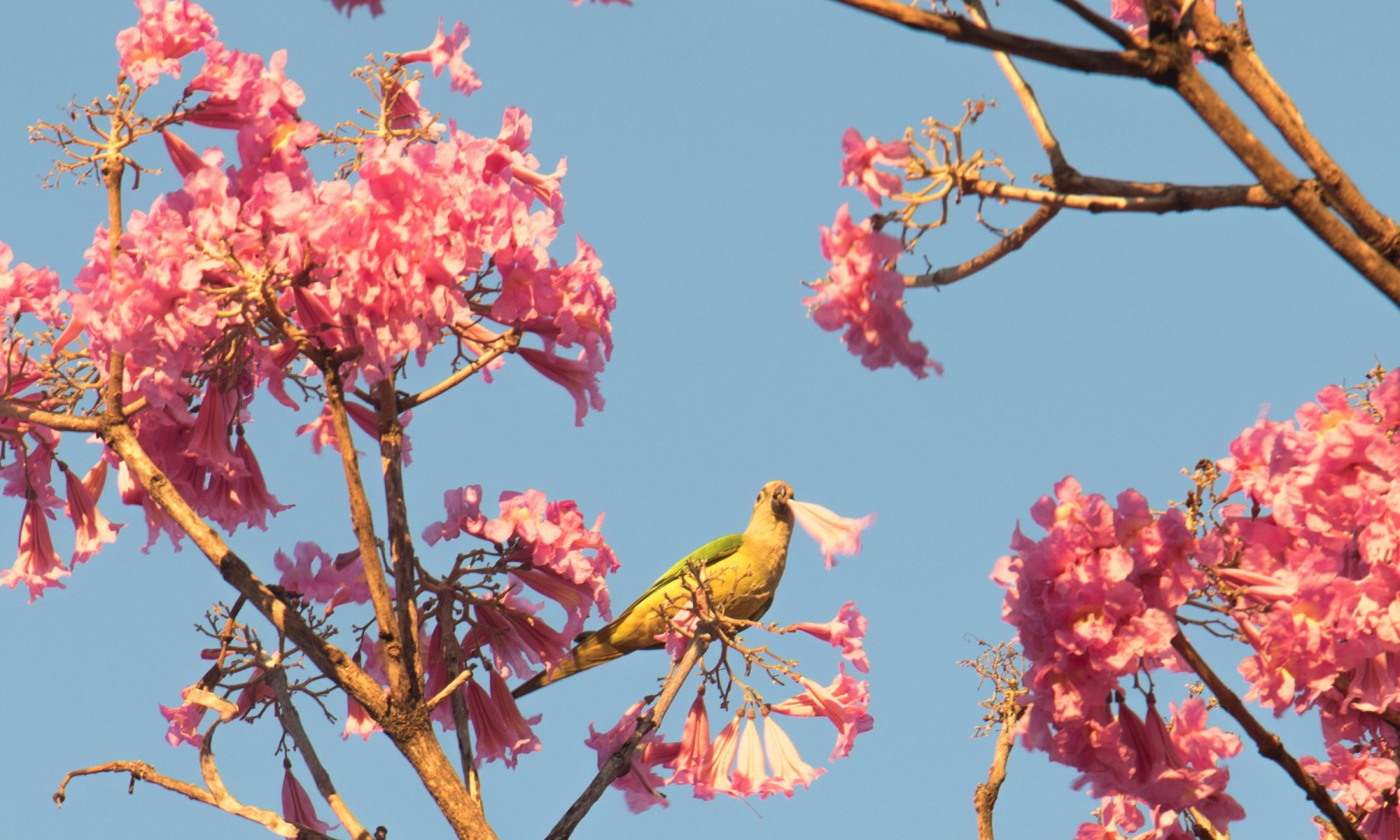
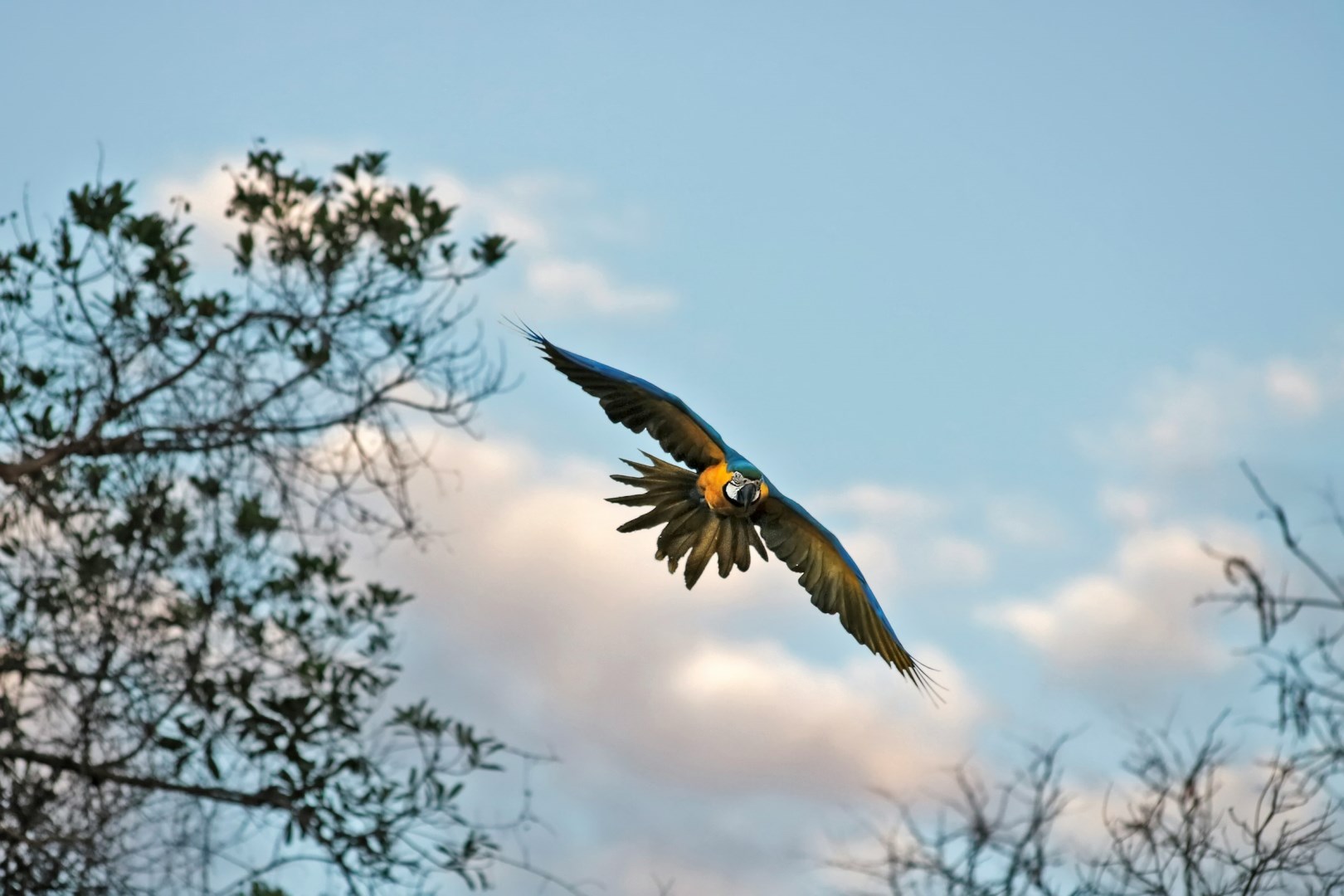
Parque das Nações Indígenas is one of Campo Grande’s principal green spaces, with walking areas and lakes set within an urban landscape. Other notable outdoor areas include Parque Estadual do Prosa, Parque do Sóter, and Lago do Amor. The city also provides access to the wider landscapes of Mato Grosso do Sul, including ranches and rural properties where visitors can experience horseback riding and observe regional flora and fauna. Campo Grande’s position makes it a common starting point for journeys toward the Pantanal, while its own parks and cultural sites provide attractions within the city.
Campo Grande’s food reflects the city’s mixture of Indigenous, Paraguayan, Japanese, Lebanese, and Brazilian influences. Feira Central and Mercado Municipal Antônio Valente are important places to experience local food, with specialties including sobá, a noodle soup associated with Okinawan immigration; sopa paraguaia, a savory corn-and-cheese dish; locro; and tereré, a cold infusion of yerba mate that is widely shared in social gatherings. The city’s Indigenous and regional heritage is also visible in its handicrafts, while local markets sell produce, spices, fish, sweets, and other ingredients from Mato Grosso do Sul.
Other Popular Destinations in Brazil