Caernarfon, a town in northwest Wales, is famed for its medieval heritage, most notably Caernarfon Castle, a UNESCO World Heritage Site built by Edward I in the late 13th century.
Latvia invites visitors to explore a land where medieval streets meet vast forests and a lively coastline. Riga, the country’s capital, is home to one of the largest and best-preserved collections of Art Nouveau architecture in Europe. Walking through the Old Town, visitors can admire intricate facades and cobblestone streets that lead to landmarks like the House of Blackheads and St. Peter’s Church, whose tower offers panoramic views of the city.
Dominica, known as the “Nature Island of the Caribbean,” is a haven for eco-tourists and adventure seekers. Nestled between the French islands of Guadeloupe and Martinique, this lush island boasts a remarkable landscape of volcanic mountains, dense rainforests, and stunning waterfalls. Dominica’s most iconic natural wonder is the Boiling Lake, the second-largest hot spring in the world.
Búzios, a small peninsula just a few hours from Rio de Janeiro, is known for its striking coastline, relaxed atmosphere, and vibrant cultural scene. Once a quiet fishing village, it rose to international attention in the 1960s when French actress Brigitte Bardot visited and fell in love with its laid-back lifestyle. The region is famous for its more than 20 beaches, each with its own personality.
Basel is the global center of the pharmaceutical industry, but most travelers visit for the world-famous ART Basel festival, as well as the numerous art galleries, iconic architecture and museums.
Kẻ Bàng National Park lies in central Vietnam, near the border with Laos, and is known for its vast network of limestone mountains and underground rivers. The park forms part of one of the oldest karst landscapes in Asia, shaped over millions of years into a maze of caves, cliffs, and dense forest. Among its most famous features is Sơn Đoòng Cave, recognized as the largest cave on Earth, with sections so vast that clouds can form inside and a jungle grows beneath its collapsed roof.
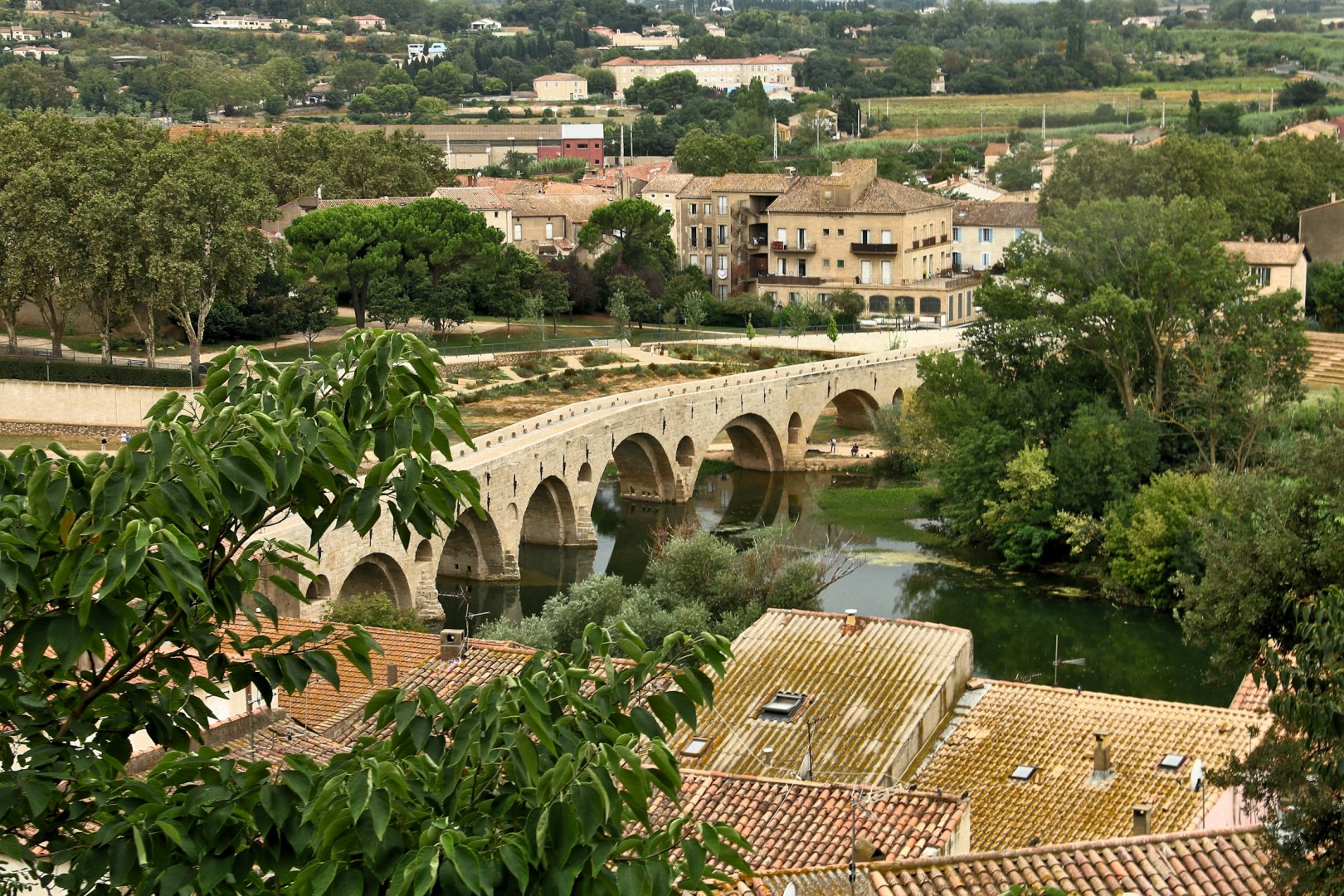
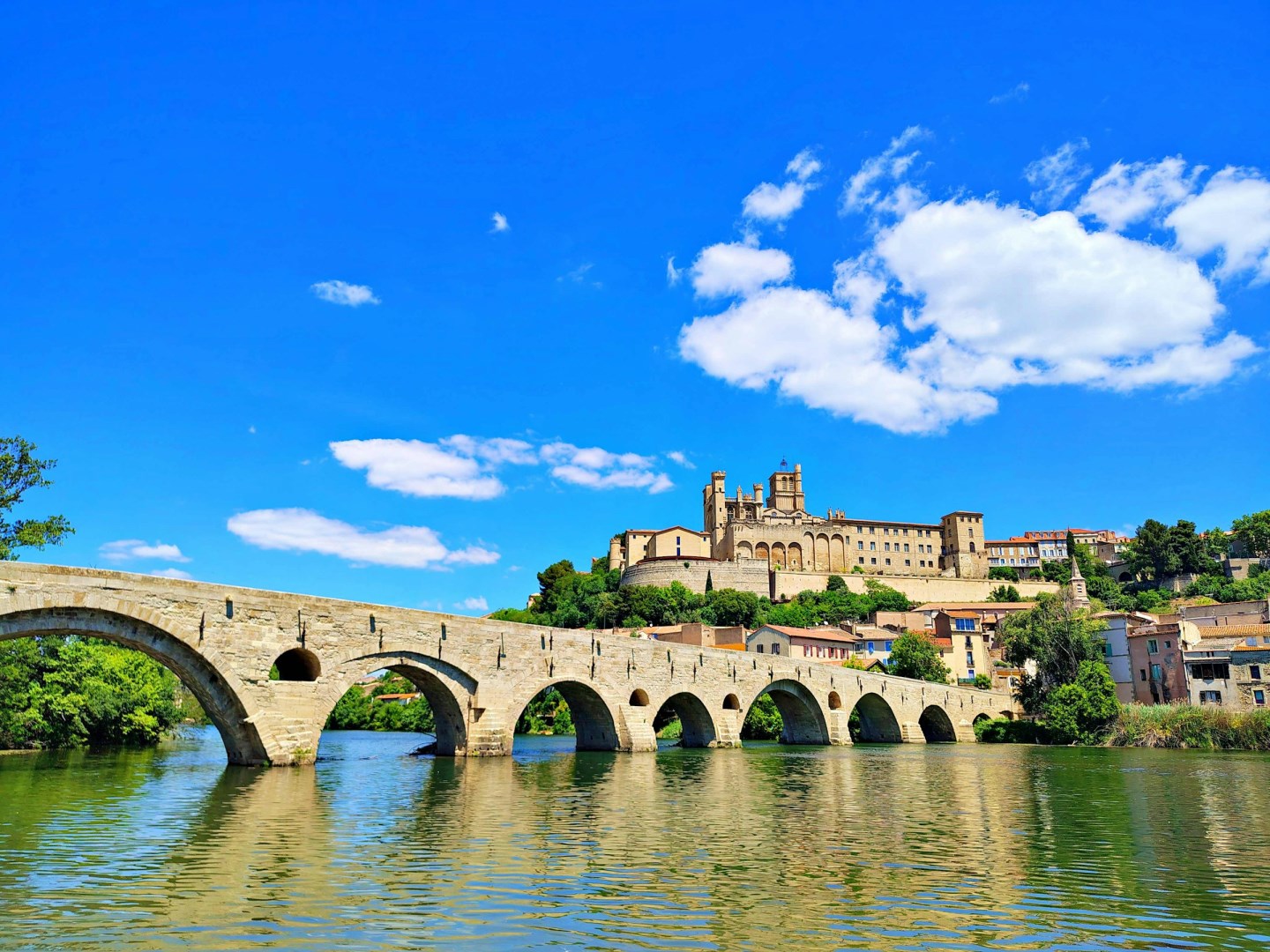
The Romans arrived in Beziers in 35 BC wher they found a bustling city, which they were quick to colonize. Beziers today is a dynamic city whose oldest houses are laid out in the elliptical pattern revealing the underlying Roman Amphitheatre, which is currently being excavated. The Beziers townspeople are passionate about rugby and the bullfights held in their modern arena.
The best places to visit to Les Neuf Ecluses (Nine Canal Locks) of Fonserances, the Oppidum d'Enserune (hillfort ruins from a Third Century BC Iberian Greek settlement), and the ruins of romanesque Abbey de Fontcause, a romantic location for concerts.