



Antarctica | Antarctica | Drake Passage
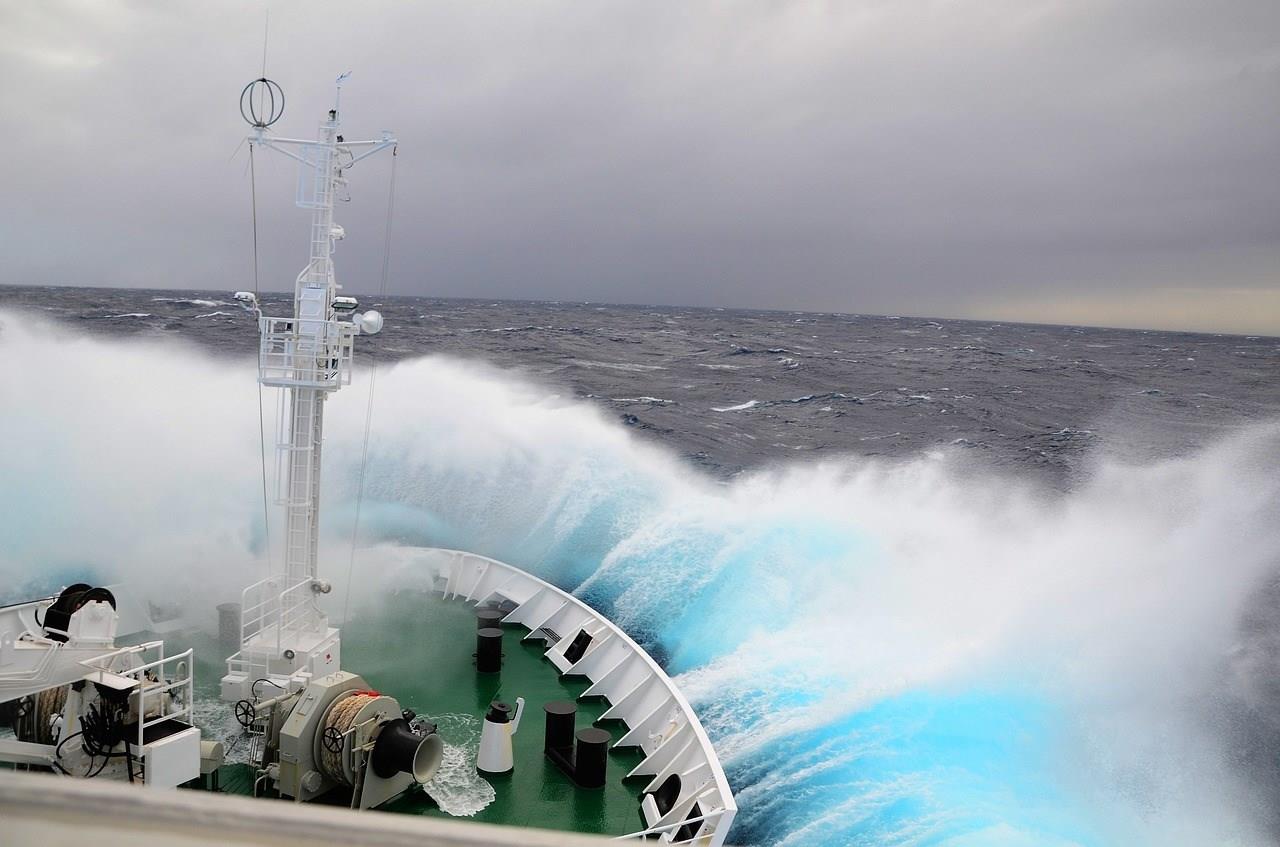




Drake Passage is a stretch of ocean between Cape Horn at the southern tip of South America and the South Shetland Islands near Antarctica. It connects the Atlantic and Pacific Oceans and is widely known for rough seas, powerful currents, and rapidly changing weather. The passage is about 1,000 kilometers wide and forms part of the Southern Ocean. Expedition ships traveling to Antarctica usually cross these waters, making the passage an important route for scientific missions and polar tourism. Strong winds and open water conditions often produce large waves, giving the crossing a reputation among sailors and travelers.
The passage carries the name of English navigator Sir Francis Drake, although Dutch explorer Willem Schouten is recognized as the first recorded sailor to pass through the area. For centuries, these waters were important for trade and exploration before the Panama Canal reduced the need for ships to sail around South America. Maritime culture surrounding the passage is shaped by stories of difficult voyages, survival, and Antarctic expeditions. The region is also closely connected to scientific research, especially studies involving ocean circulation, climate systems, and the Antarctic environment.
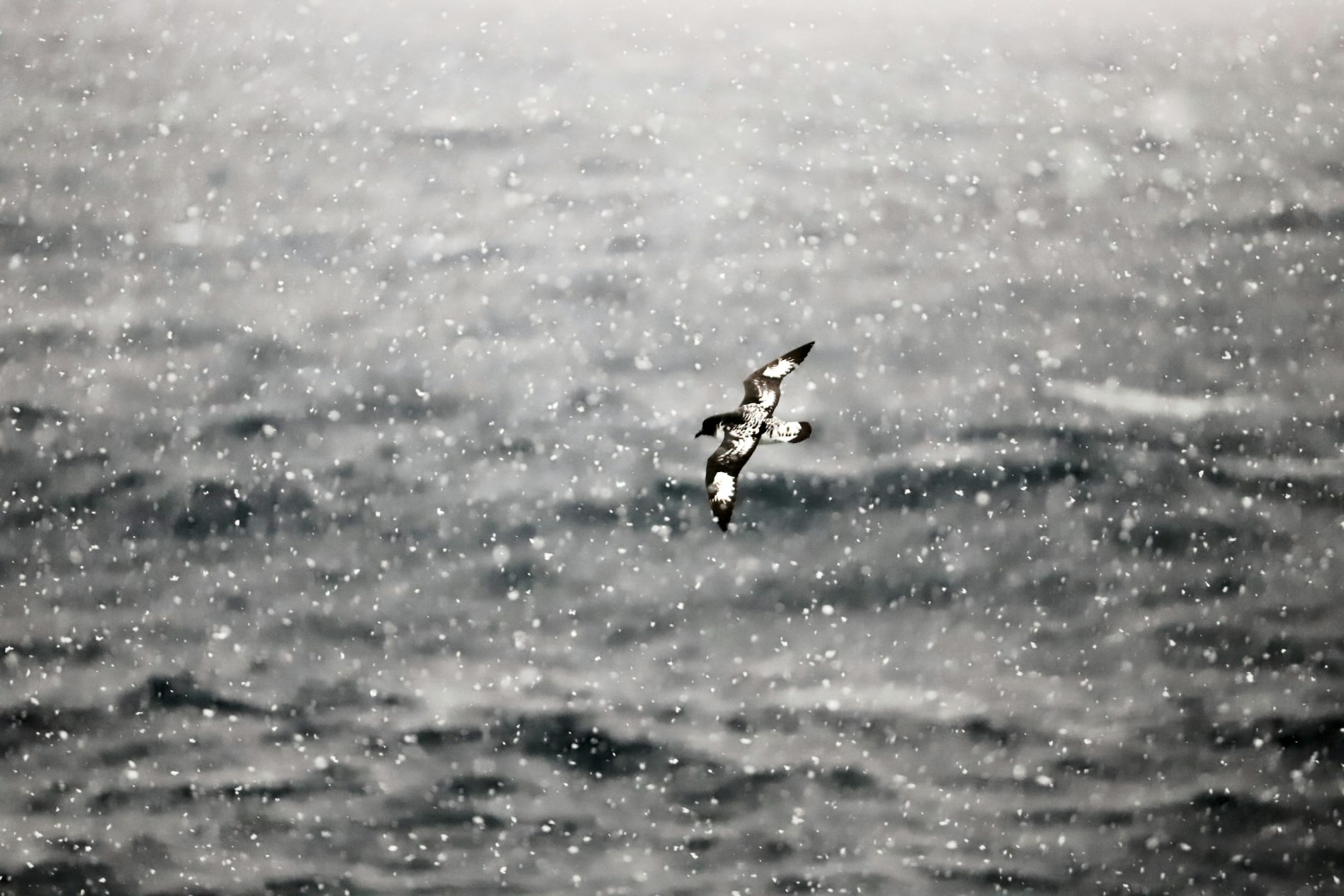
Drake Passage is part of the Antarctic Circumpolar Current, the world’s strongest ocean current, which flows freely around Antarctica without interruption from major landmasses. The mixing of cold Antarctic water with currents from the Atlantic and Pacific creates nutrient-rich seas that support marine life. Travelers often spot humpback whales, albatrosses, petrels, dolphins, and penguins during crossings. Icebergs and shifting weather add to the dramatic environment. Expedition cruises departing from Ushuaia in Argentina frequently cross the passage on their way to the Antarctic Peninsula, where conditions can change from calm seas to heavy swells within hours.
Other Popular Destinations in Antarctica