




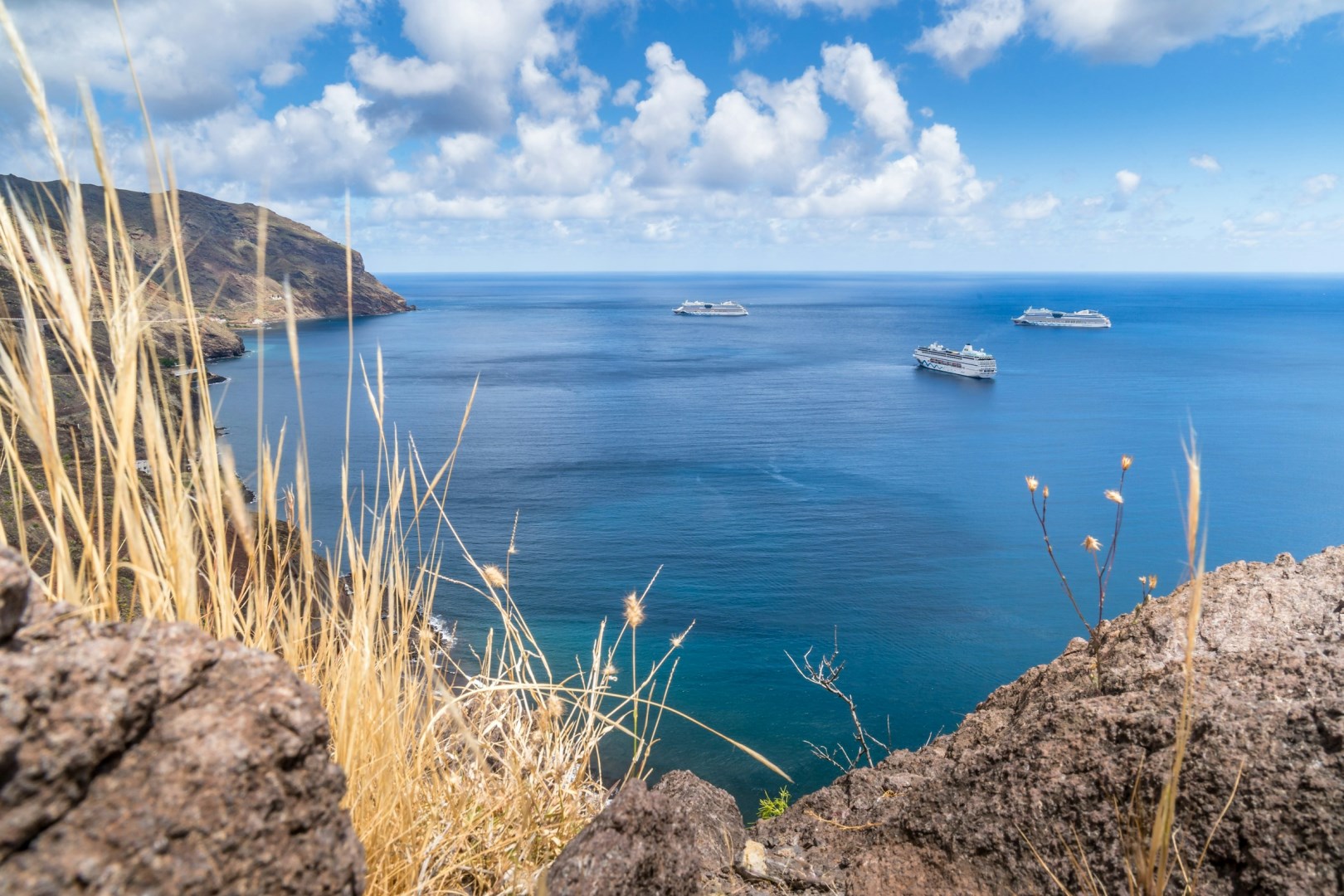

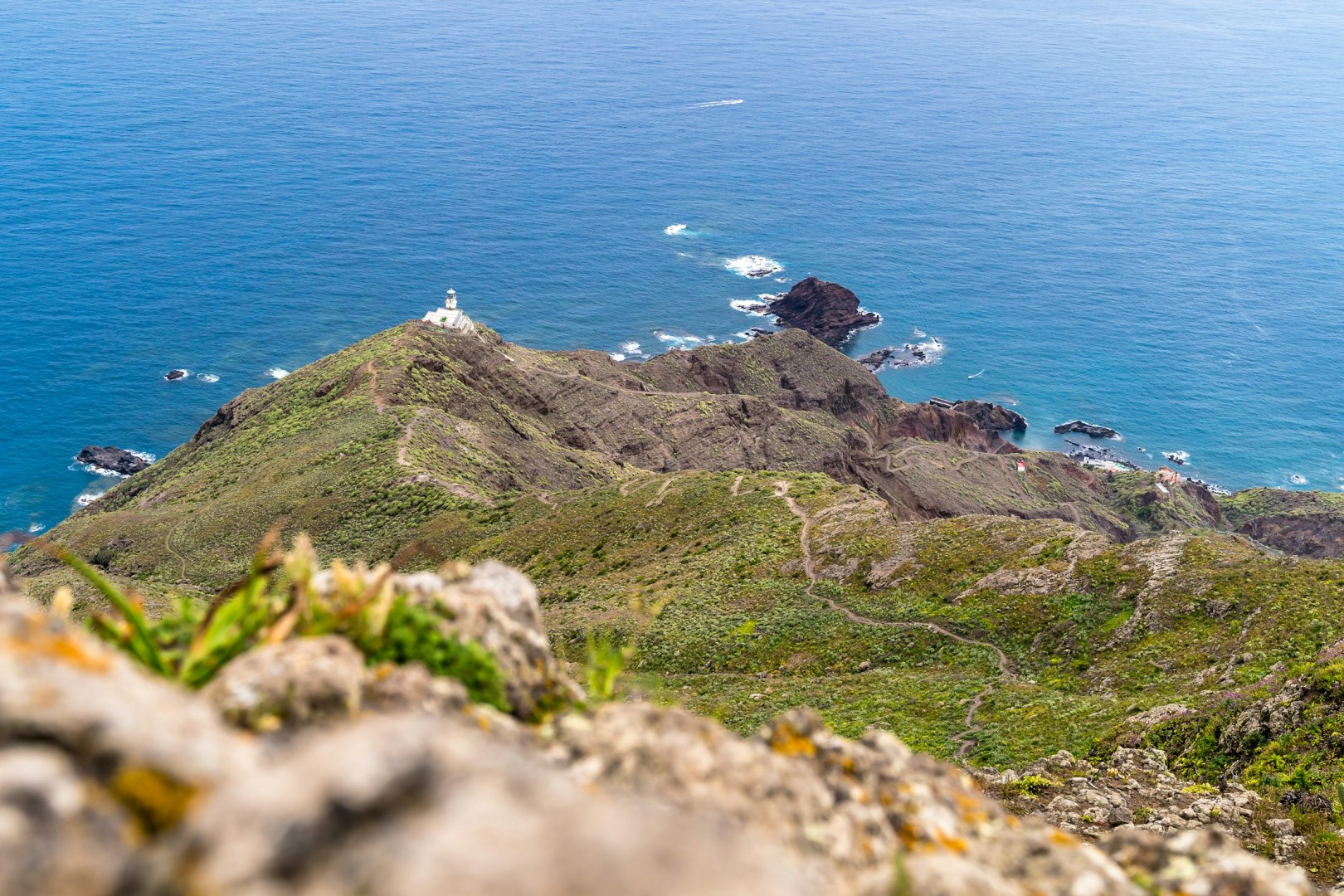

The city of Santa Cruz De Tenerife, located on the island of Tenerife, is a favorite stop for Transatlantic voyagers. Tenerife is both the largest and most populated of the seven Canary Islands and of Spain itself. As the island's main city, Santa Cruz De Tenerife is home to almost half of the island's population.
Primary landmarks include the Santa Cruz Towers and the Iglesia de la Conception. In addition, its charming old wood-balconied buildings house attractive shops full of island handicrafts and enticing duty-free goods.
As an alternative, take a tour inland through steep mountains forested in pine and laurel to snow-capped Mount Teide (the highest peak in Spain). The last part of your island tour may be by funicular and there's a stunning view at the top.
Primary landmarks include the Santa Cruz Towers and the Iglesia de la Conception. In addition, its charming old wood-balconied buildings house attractive shops full of island handicrafts and enticing duty-free goods.
As an alternative, take a tour inland through steep mountains forested in pine and laurel to snow-capped Mount Teide (the highest peak in Spain). The last part of your island tour may be by funicular and there's a stunning view at the top.
Other Popular Destinations in Spain

To visit Barcelona is to embrace both the past and the future. There is much to do and see in this cosmopolitan capital of Catalonia, from medieval structures to beaches to UNESCO Heritage Sites by Antoni Gaudí and Lluís Doménech i Montaner.

Granada, nestled at the foot of the Sierra Nevada mountains in southern Spain, is a city where history and culture converge in a mesmerizing blend. The jewel of Granada is the Alhambra, a stunning palace and fortress complex that dates back to the 13th century. This UNESCO World Heritage Site is a testament to the city's Moorish past, showcasing intricate Islamic art and architecture.
