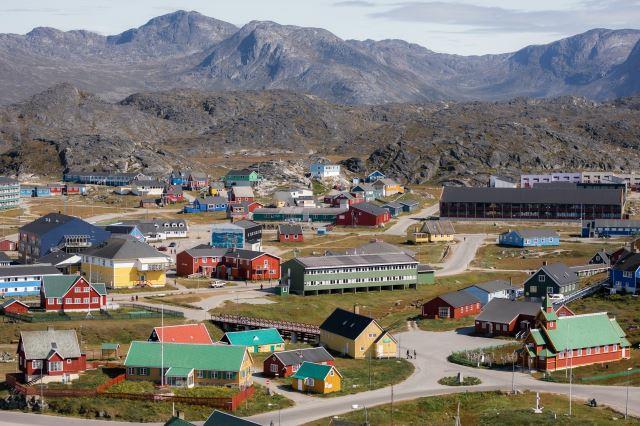




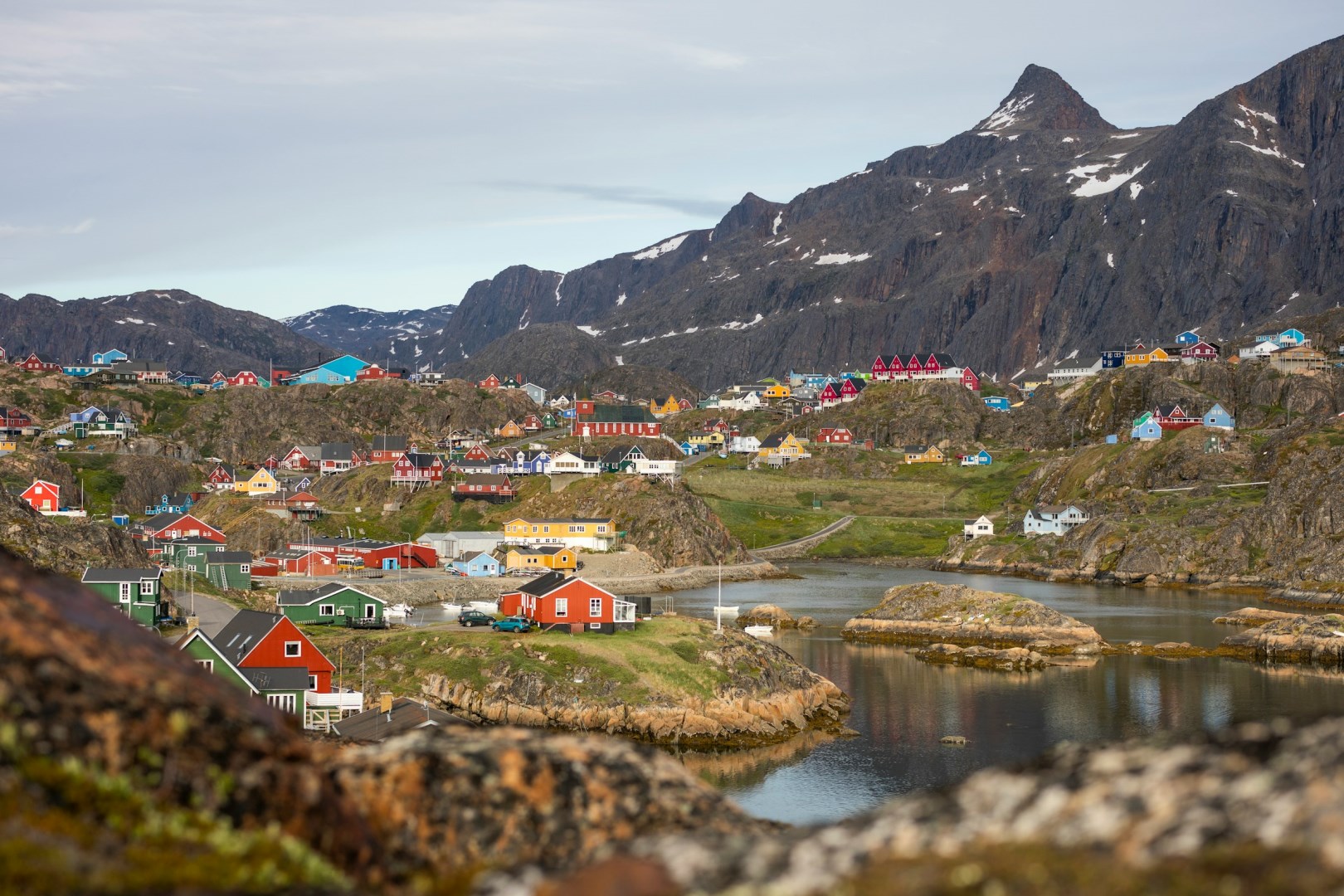
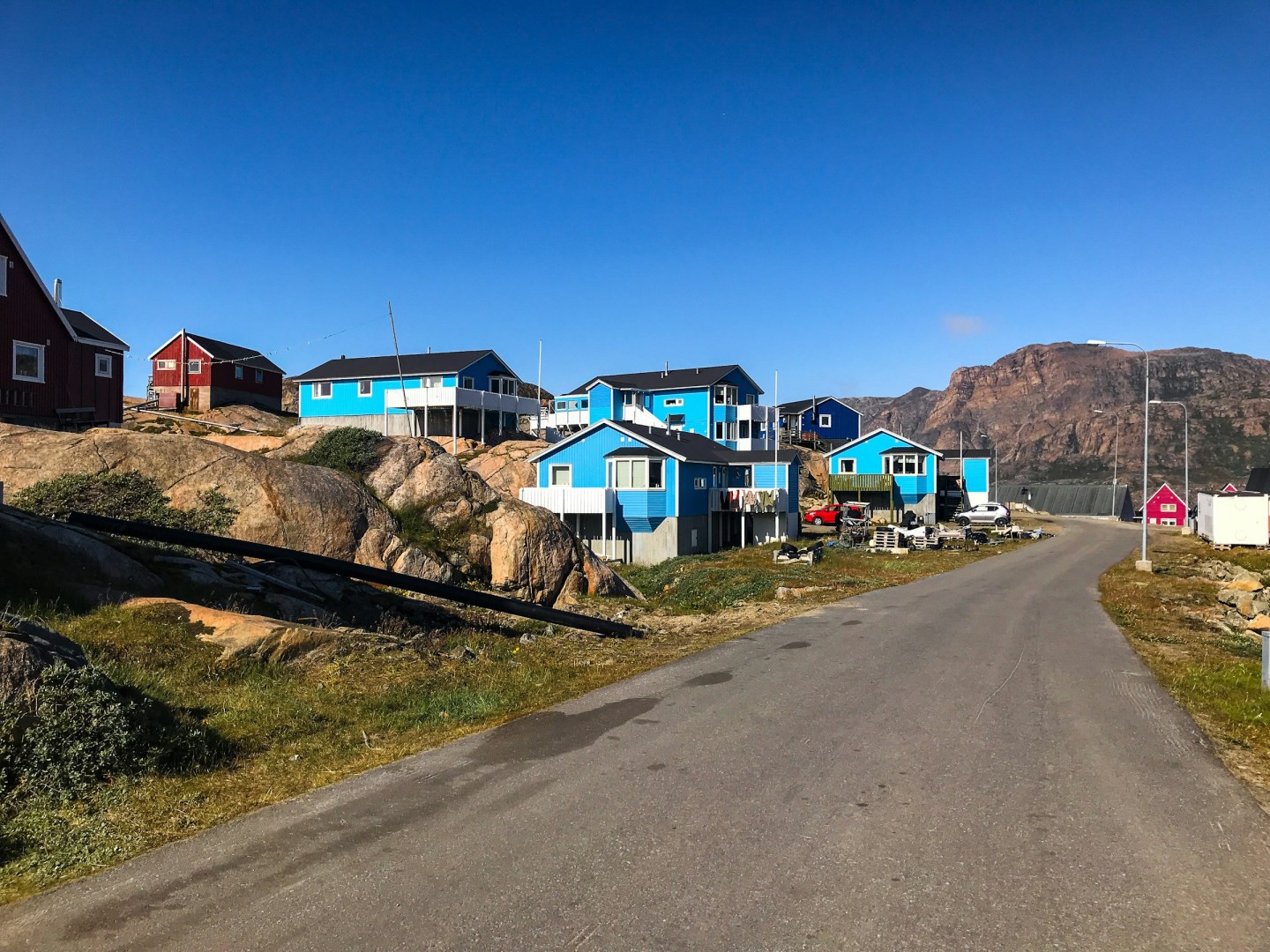
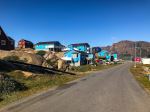
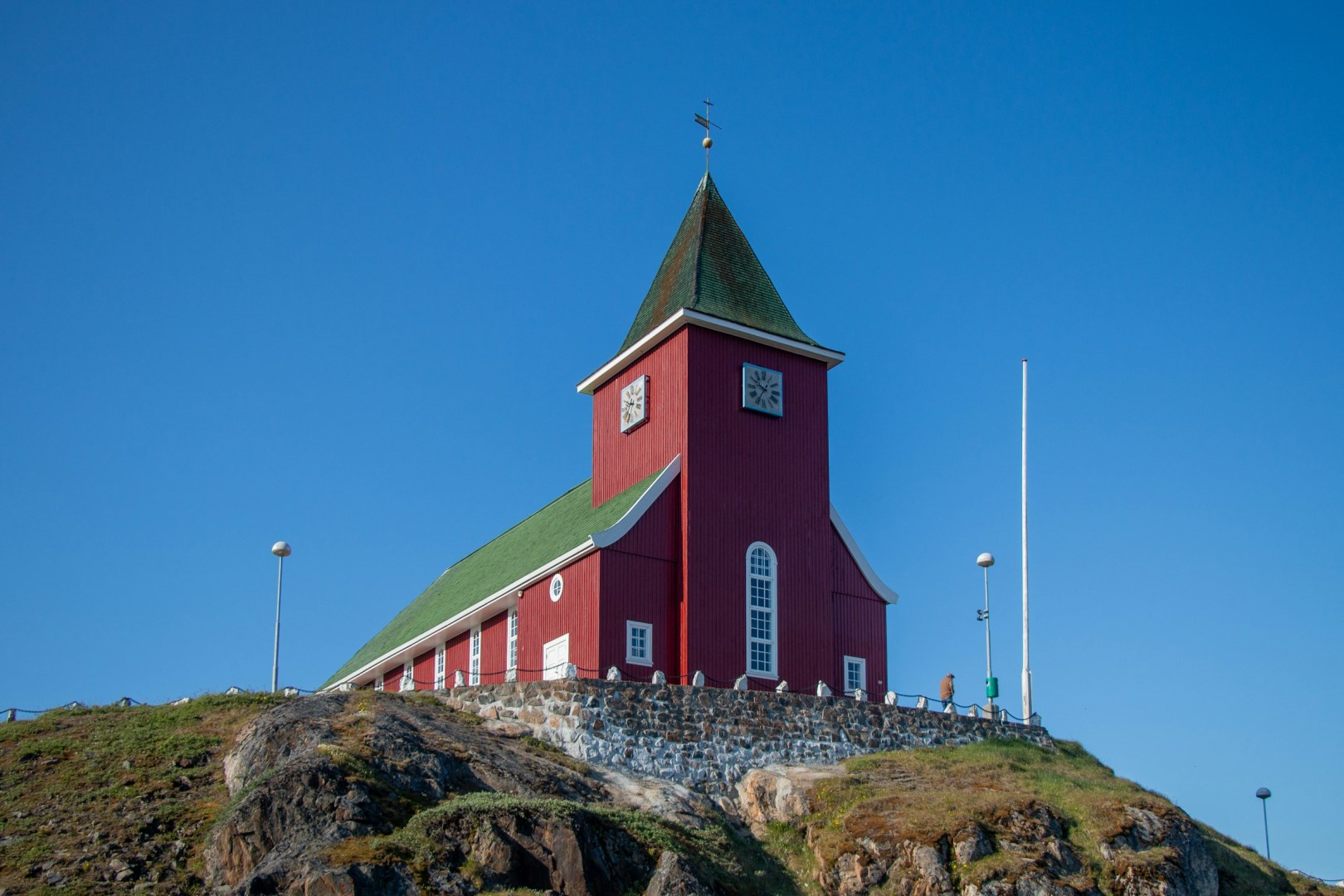
Sisimiut, Greenland's second-largest city, offers a captivating glimpse into Arctic life and stunning natural beauty. Nestled on the shores of the Davis Strait, Sisimiut is renowned for its striking landscapes and rich cultural heritage. The city's colorful houses, set against a backdrop of rugged mountains and icy waters, create a picturesque setting that is perfect for both exploration and relaxation.
Adventure seekers will find Sisimiut a gateway to thrilling experiences. The surrounding wilderness is ideal for hiking, with trails offering breathtaking views of fjords and glaciers. In winter, the city transforms into a haven for dog sledding, snowmobiling, and ice fishing. For an unforgettable Arctic adventure, consider a trip to the nearby Kangerlussuaq, where you can witness the awe-inspiring Ilulissat Icefjord, a UNESCO World Heritage Site known for its calving glaciers and icy beauty.
Sisimiut also provides a unique opportunity to observe traditional Inuit culture. The city hosts several festivals throughout the year, including the Sisimiut Carnival, where locals and visitors alike can enjoy music, dancing, and vibrant parades. The local cuisine, featuring fresh seafood and traditional dishes like whale blubber and seal meat, offers a true taste of Greenlandic life.
A fun fact about Sisimiut: It is the northernmost town in Greenland that experiences the phenomenon of the Midnight Sun during summer, where the sun does not set for several weeks. This unique experience is a highlight for many visitors and provides ample time to explore the Arctic wilderness under the eternal daylight. For the best experience, plan your visit between June and August when the weather is milder and the days are long.
Adventure seekers will find Sisimiut a gateway to thrilling experiences. The surrounding wilderness is ideal for hiking, with trails offering breathtaking views of fjords and glaciers. In winter, the city transforms into a haven for dog sledding, snowmobiling, and ice fishing. For an unforgettable Arctic adventure, consider a trip to the nearby Kangerlussuaq, where you can witness the awe-inspiring Ilulissat Icefjord, a UNESCO World Heritage Site known for its calving glaciers and icy beauty.
Sisimiut also provides a unique opportunity to observe traditional Inuit culture. The city hosts several festivals throughout the year, including the Sisimiut Carnival, where locals and visitors alike can enjoy music, dancing, and vibrant parades. The local cuisine, featuring fresh seafood and traditional dishes like whale blubber and seal meat, offers a true taste of Greenlandic life.
A fun fact about Sisimiut: It is the northernmost town in Greenland that experiences the phenomenon of the Midnight Sun during summer, where the sun does not set for several weeks. This unique experience is a highlight for many visitors and provides ample time to explore the Arctic wilderness under the eternal daylight. For the best experience, plan your visit between June and August when the weather is milder and the days are long.
Other Popular Destinations in Greenland

Nuuk, the vibrant capital of Greenland, offers a unique blend of Arctic beauty and modern living. Nestled between picturesque fjords and surrounded by rugged mountains, Nuuk is the gateway to exploring Greenland’s stunning natural landscapes. The city’s old harbor, with its colorful wooden houses, provides a charming introduction to Greenlandic culture and history. This area is perfect for leisurely strolls and offers striking views of the surrounding mountains and sea.