







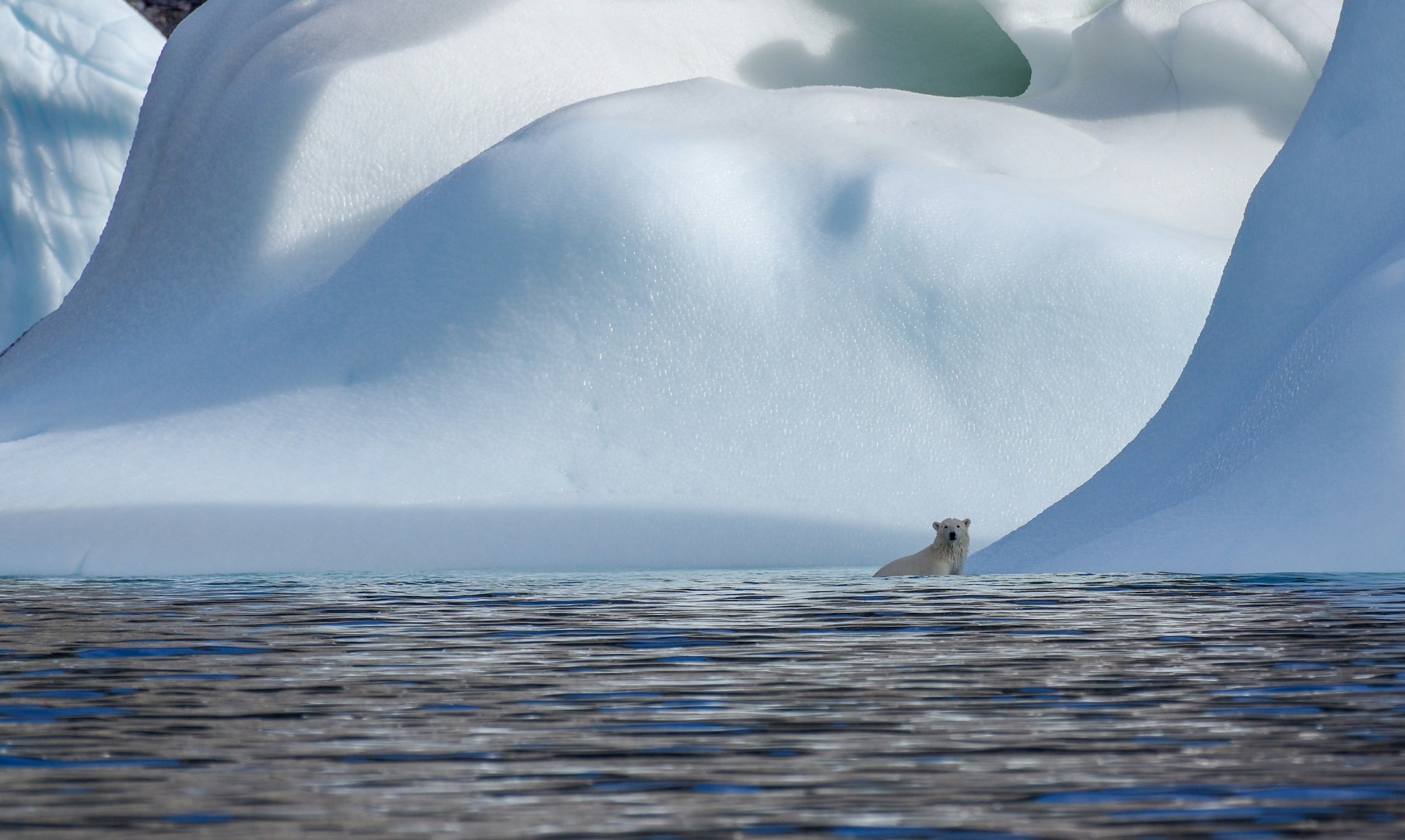

The Arctic Ocean, the world's smallest and shallowest ocean, offers a breathtaking and unique adventure for those seeking the grandeur of the polar regions. This icy expanse, bordered by Europe, Asia, and North America, is renowned for its stunning natural beauty and pristine landscapes. Travelers can explore the Svalbard Archipelago, a group of islands located between mainland Norway and the North Pole, where you can experience the northern lights and encounter polar bears in their natural habitat.
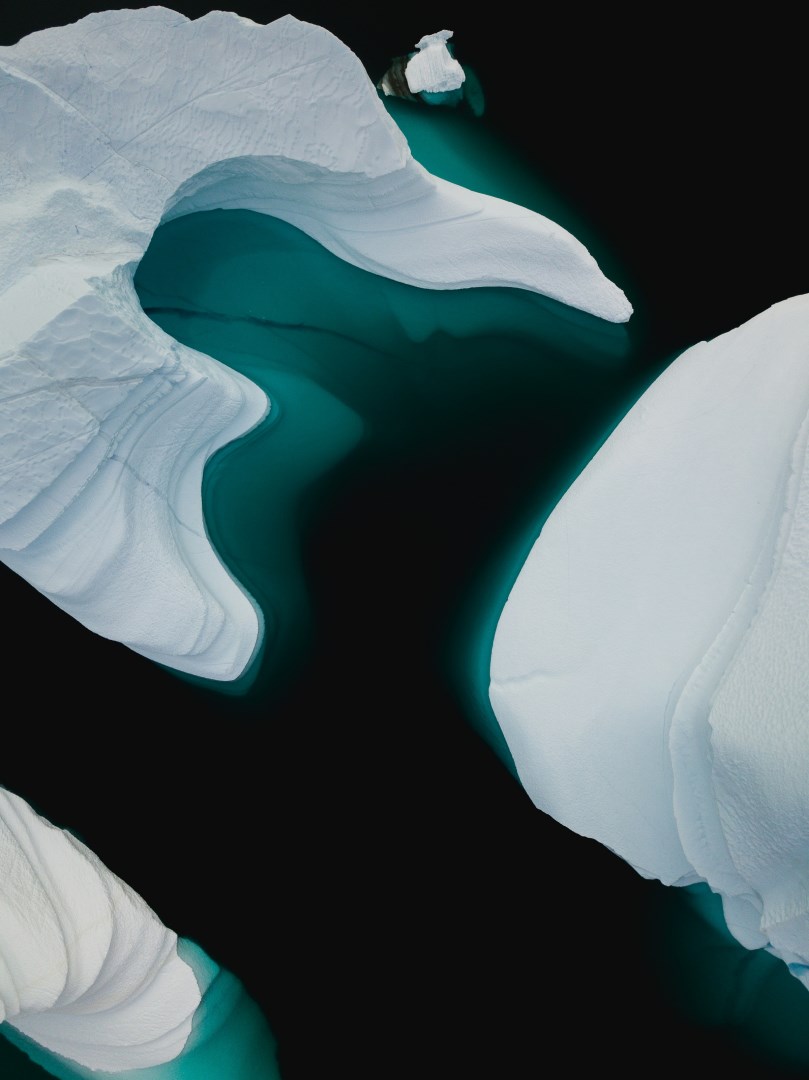
A journey through the Arctic Ocean promises a variety of extraordinary experiences, including exploring Greenland’s Ice Sheet, the second-largest ice body in the world. Adventure seekers can embark on ice hiking or glacier tours, marveling at the dramatic ice formations and the vivid colors of the icebergs. In addition, the Arctic waters are home to a diverse range of marine life, including seals, whales, and numerous seabirds, making it a haven for wildlife enthusiasts.
The Arctic Ocean is also dotted with fascinating scientific research stations and historical sites. The North Pole itself is a destination of legend and adventure, often visited by daring explorers and researchers. The region's history is rich with tales of exploration and survival, as seen in the expeditions of figures like Roald Amundsen and Robert Peary, whose journeys are commemorated in various Arctic museums and exhibits.
Fun Fact: Despite its icy reputation, the Arctic Ocean is a vital part of global climate regulation. Its ice cover reflects sunlight, helping to keep the planet cool. As climate change affects this delicate balance, visiting the Arctic Ocean provides a unique opportunity to witness firsthand the impacts of environmental changes on one of Earth’s most remote regions.
A journey through the Arctic Ocean promises a variety of extraordinary experiences, including exploring Greenland’s Ice Sheet, the second-largest ice body in the world. Adventure seekers can embark on ice hiking or glacier tours, marveling at the dramatic ice formations and the vivid colors of the icebergs. In addition, the Arctic waters are home to a diverse range of marine life, including seals, whales, and numerous seabirds, making it a haven for wildlife enthusiasts.
The Arctic Ocean is also dotted with fascinating scientific research stations and historical sites. The North Pole itself is a destination of legend and adventure, often visited by daring explorers and researchers. The region's history is rich with tales of exploration and survival, as seen in the expeditions of figures like Roald Amundsen and Robert Peary, whose journeys are commemorated in various Arctic museums and exhibits.
Fun Fact: Despite its icy reputation, the Arctic Ocean is a vital part of global climate regulation. Its ice cover reflects sunlight, helping to keep the planet cool. As climate change affects this delicate balance, visiting the Arctic Ocean provides a unique opportunity to witness firsthand the impacts of environmental changes on one of Earth’s most remote regions.
Other Popular Destinations in At Sea
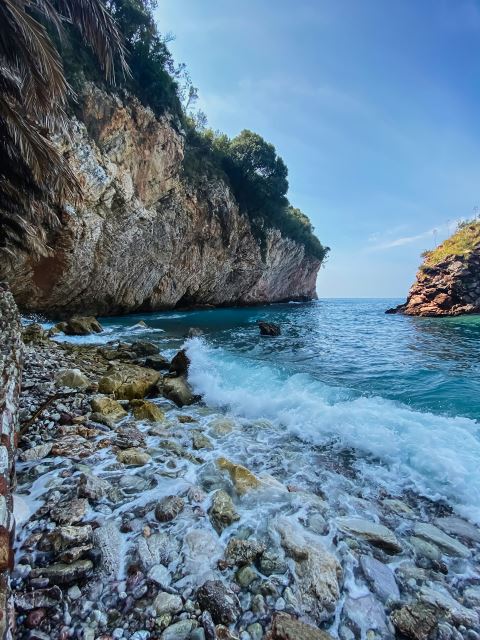
The Adriatic Sea, a stunning crescent-shaped expanse of turquoise water between the Italian Peninsula and the Balkan Peninsula, offers a captivating destination for travelers seeking both natural beauty and rich history. Stretching from the Gulf of Trieste in the north to the Gulf of Kotor in the south, this Mediterranean gem is renowned for its crystal-clear waters, charming coastal towns, and diverse marine life. The pristine beaches of Croatia's Dalmatian Coast and Montenegro's Bay of Kotor p

