

USA | California | Redwood National Park
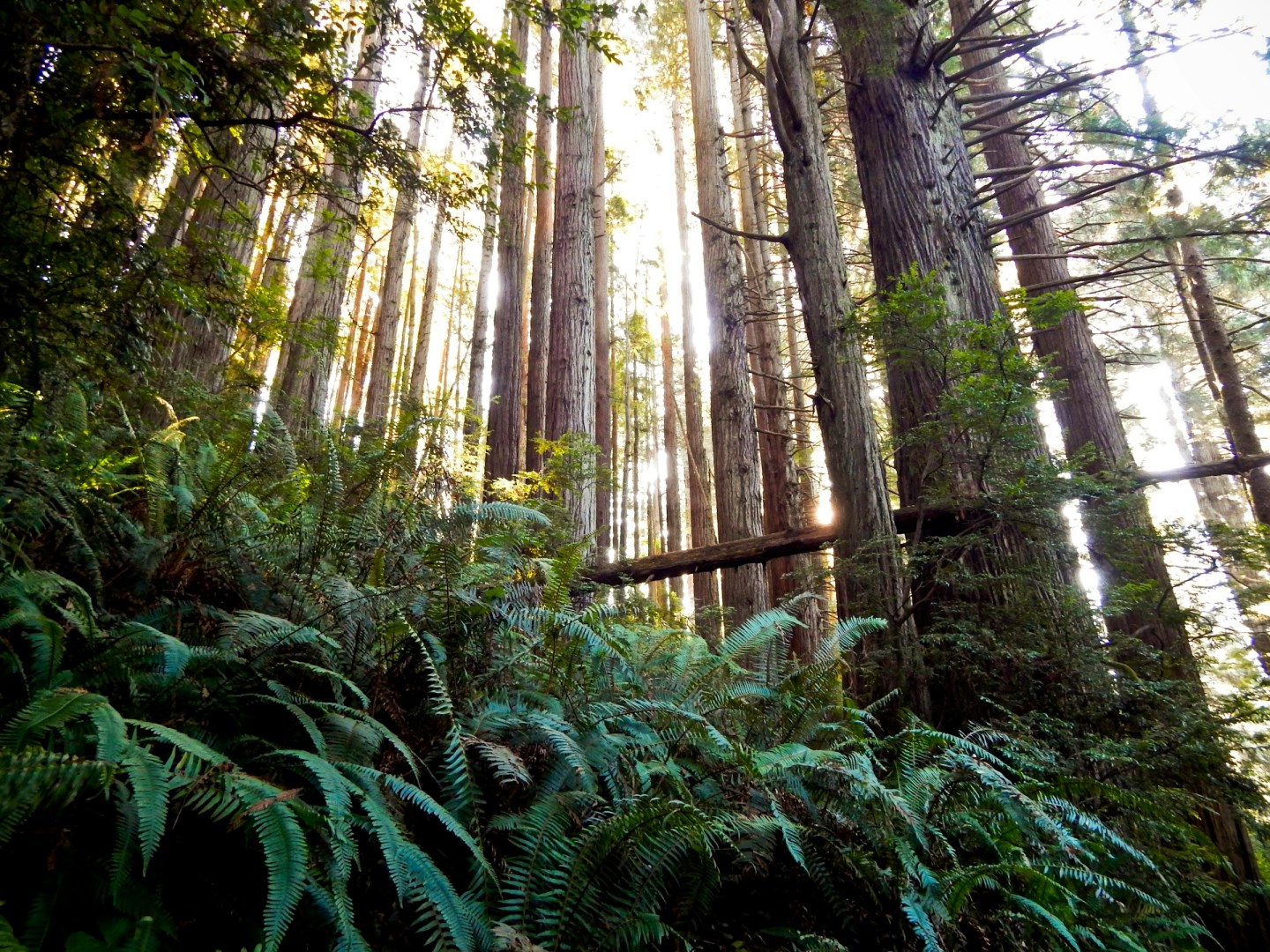

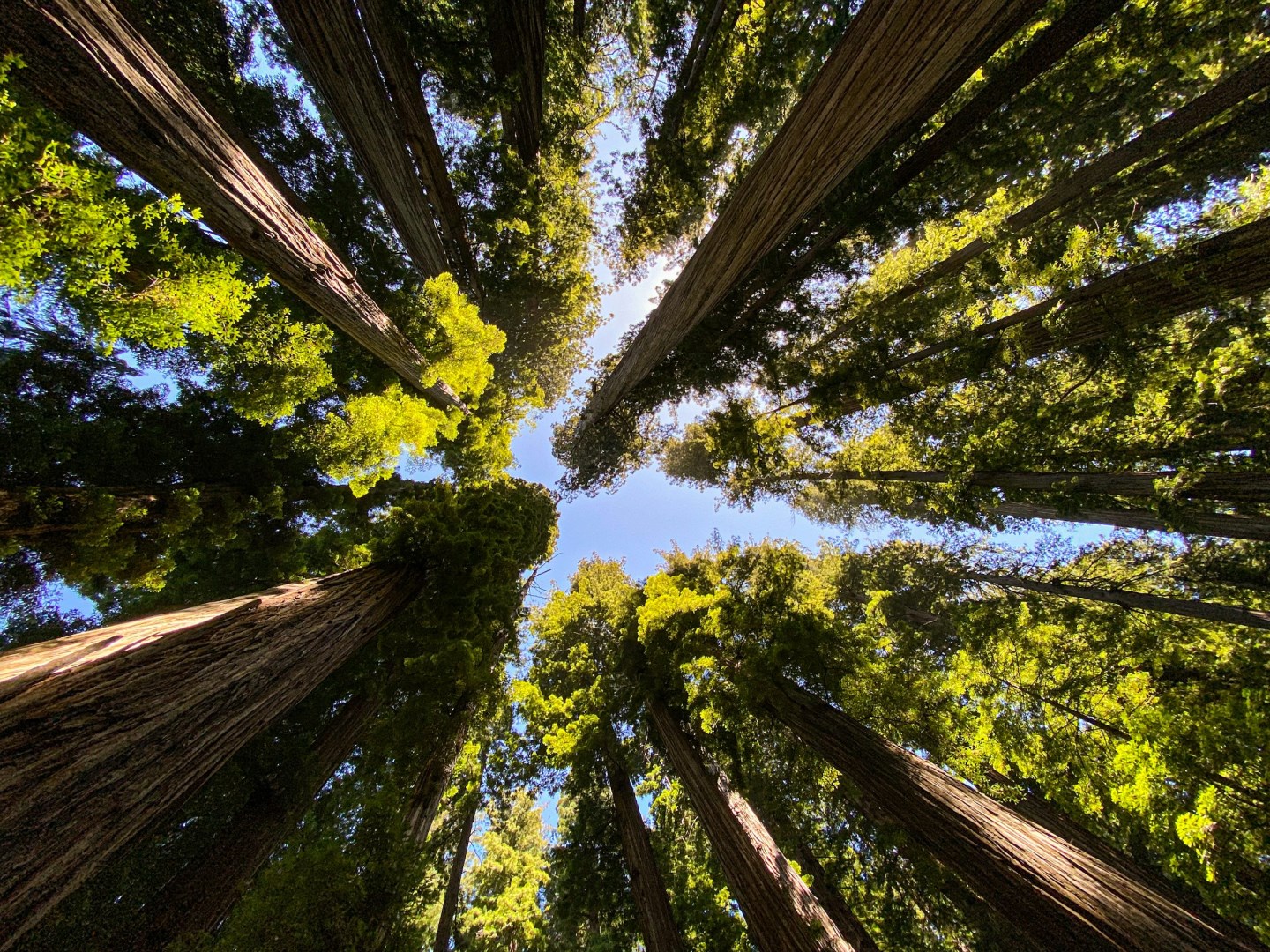
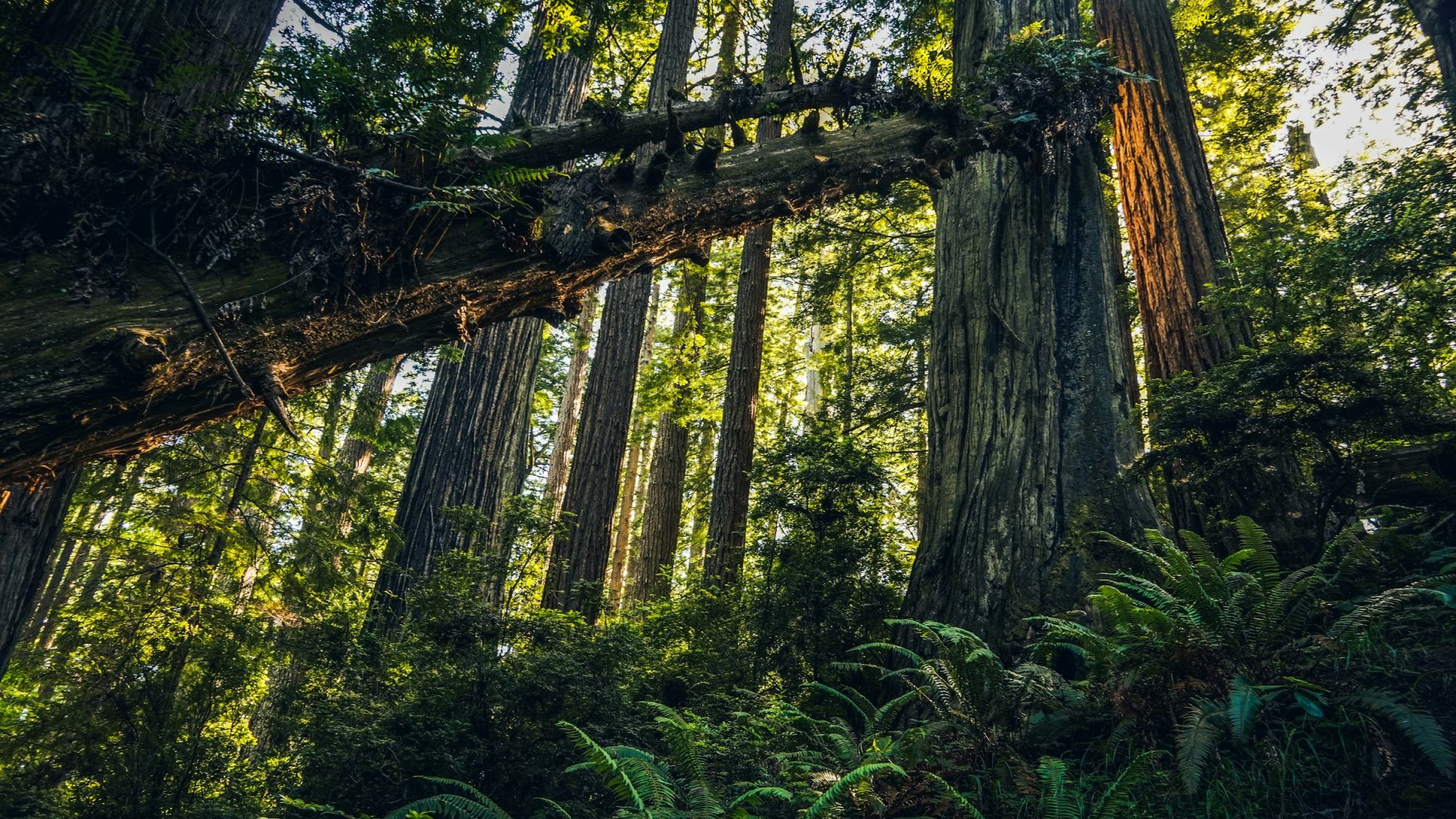
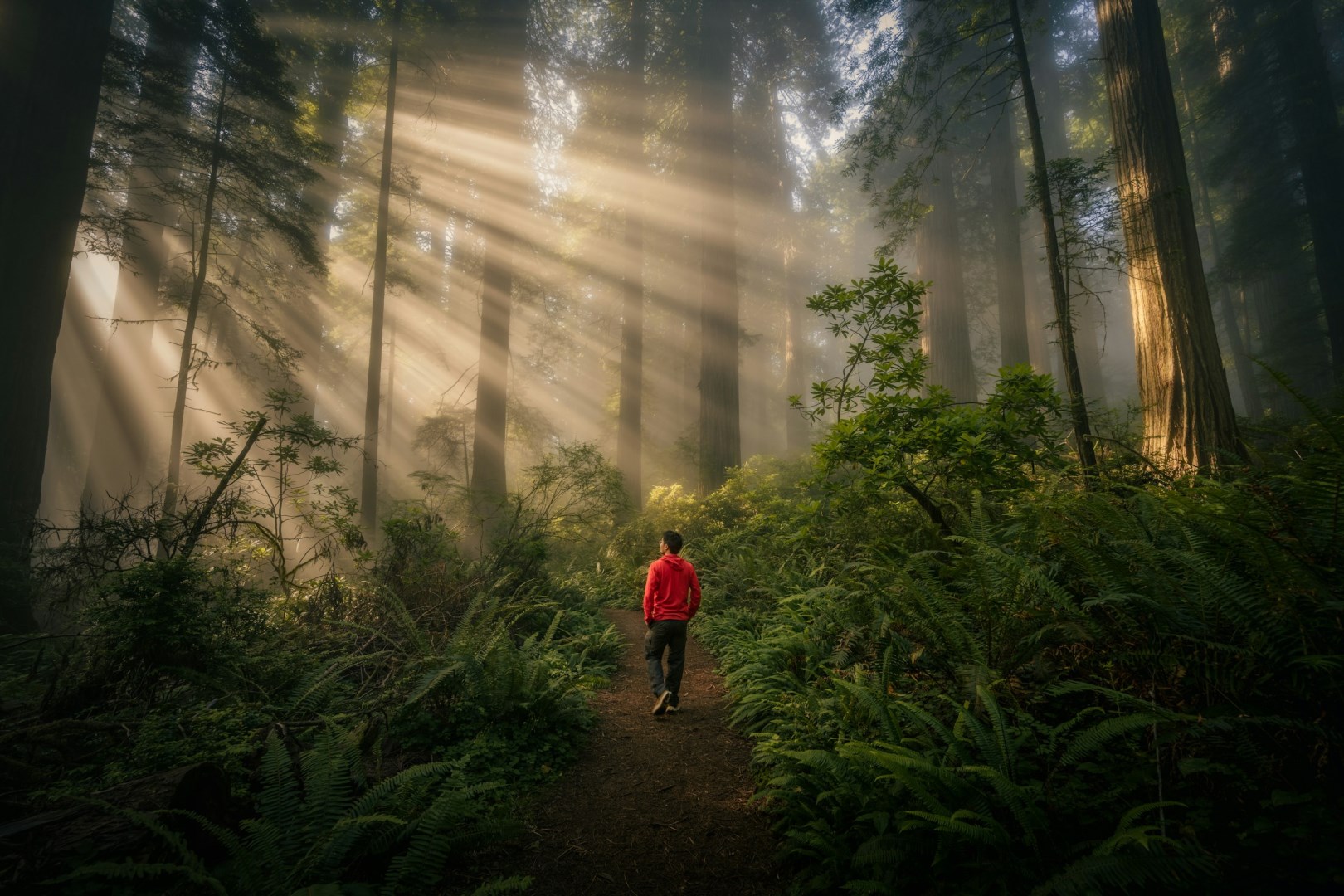
Redwood National and State Parks protect a remarkable coastal landscape in northern California, where ancient redwood forests grow alongside rivers, prairies, wetlands, and the Pacific Ocean. The protected area extends across a series of parks in Del Norte and Humboldt counties, preserving some of the tallest trees on Earth. Dense stands of coast redwoods create shaded forest environments beneath a canopy of towering trunks, while nearby coastal bluffs and beaches provide a striking contrast. The parks also protect important watersheds and habitats that connect the forests with the surrounding coastline.
The redwood country has longstanding connections to Indigenous peoples, including the Yurok, Tolowa Dee-ni', and Karuk, whose cultures remain closely tied to the forests and rivers of northern California. These communities have used redwood and other natural materials for houses, boats, tools, and ceremonial purposes, while maintaining deep cultural relationships with the land. Later logging transformed large portions of the region, but conservation efforts eventually protected remaining old-growth forests. Today, Indigenous stewardship, cultural traditions, and ecological restoration are important parts of managing the protected landscape.
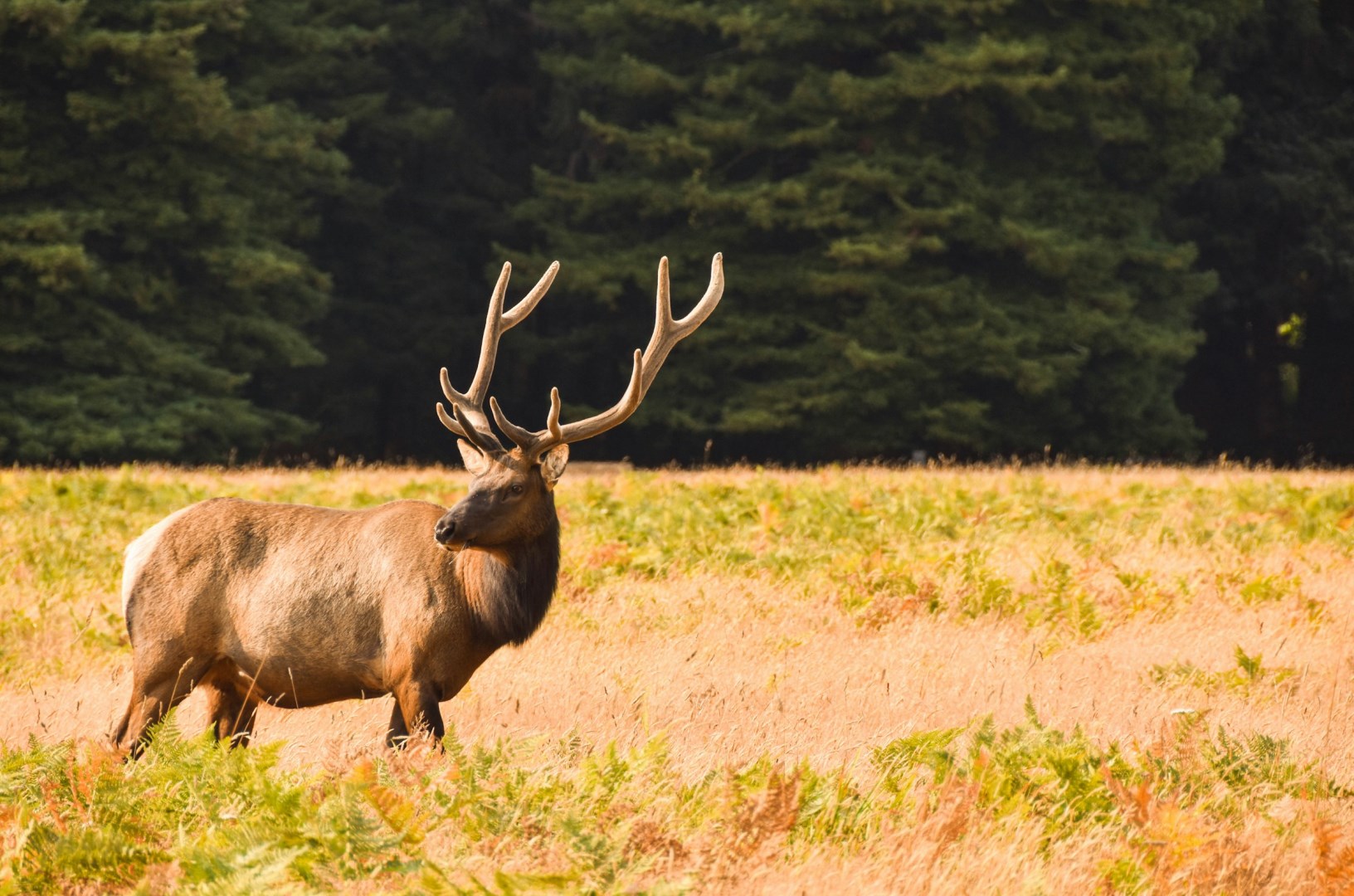
The parks contain several notable places for exploring the redwood environment. Tall Trees Grove protects a particularly impressive stand of coast redwoods, while Lady Bird Johnson Grove provides a relatively accessible trail through mature forest. Fern Canyon features steep walls covered in ferns and a stream running through a narrow gorge, creating a habitat unlike the surrounding upland forest. Along the coast, Gold Bluffs Beach and other shoreline areas provide views of the Pacific, while the Klamath River and Redwood Creek support salmon and other aquatic species. Roosevelt elk can also be seen in open coastal prairies.
The region's food culture reflects the broader North Coast, with locally harvested seafood, mushrooms, berries, farm products, and other ingredients appearing in nearby communities. The parks themselves are primarily protected natural areas rather than food destinations, so towns such as Crescent City, Klamath, and Orick provide most visitor services. One distinctive feature of the redwood ecosystem is its dependence on the cool, moist coastal climate, which helps sustain enormous trees and dense understory vegetation. The combination of old-growth forest, open prairie, river habitat, and Pacific coastline makes Redwood National and State Parks one of California's most distinctive protected landscapes.
Other Popular Destinations in California