


Central America | Panama | Fuerte Amador
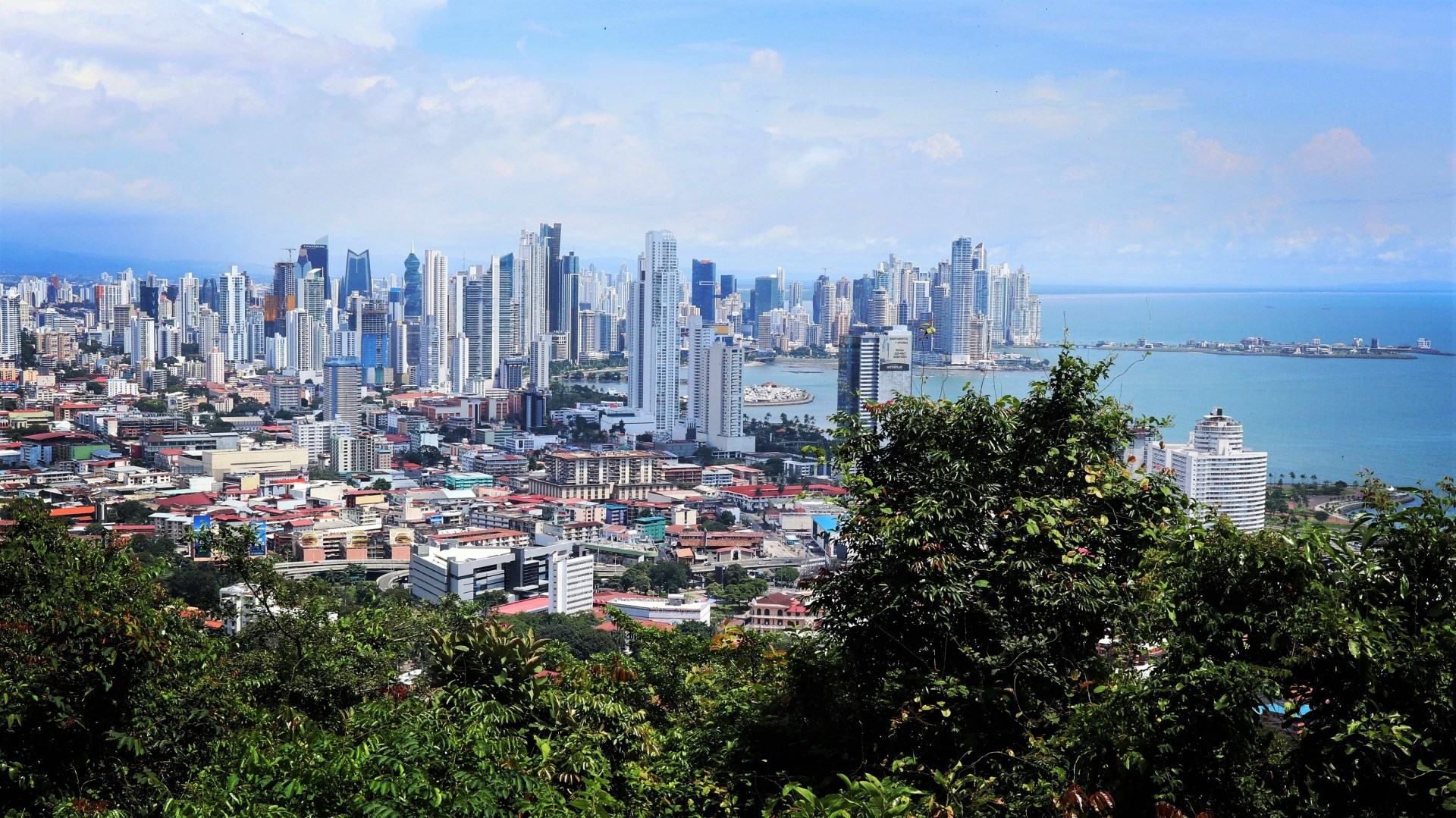
Fuerte Amador is a waterfront district located at the Pacific entrance of the Panama Canal in Panama City. Built on a causeway created with rock excavated during canal construction, the area links four small islands: Naos, Perico, Culebra, and Flamenco. The long coastal road is lined with marinas, restaurants, walking paths, and views of ships waiting to enter the canal. Because of its position between the ocean and the city skyline, Fuerte Amador functions as both a recreational area and an important observation point for maritime traffic moving through one of the world’s busiest shipping routes.
The district takes its name from a former military installation connected to Panama’s strategic role in canal defense and international trade. Remains of military infrastructure can still be found on some of the islands, though much of the area has shifted toward tourism, leisure, and scientific research. The Smithsonian Tropical Research Institute operates facilities nearby, supporting marine and tropical studies in the region. Residents and visitors use the causeway for cycling, jogging, fishing, and weekend gatherings, while small yacht clubs and fishing boats continue to reflect Panama’s longstanding connection to the sea.
One of the main landmarks in Fuerte Amador is the Biomuseo, designed by architect Frank Gehry. The museum focuses on Panama’s biodiversity and the geological formation that connected North and South America. Nearby viewpoints offer clear views of cargo ships approaching the Miraflores Locks and the Pacific Ocean beyond. The Amador Causeway itself is a major attraction, especially in the evening when the skyline of Panama City becomes visible across the bay. Ferries and tour boats also depart from the marina area toward Taboga Island and other destinations in the Gulf of Panama.
Seafood plays a major role in the dining scene around Fuerte Amador, with waterfront restaurants serving ceviche, grilled octopus, corvina, and fried whole fish. Vendors along the causeway sell raspados, coconut drinks, and local snacks popular with families spending the afternoon outdoors. The area is also known for sightings of pelicans, frigatebirds, and passing dolphins near the marina. Because ocean breezes remain strong along the narrow strip of land, the causeway has become a favored location for cycling events and open-air activities throughout the year.
Other Popular Destinations in Panama


