


Australia & New Zealand | New Zealand | Abel Tasman National Park
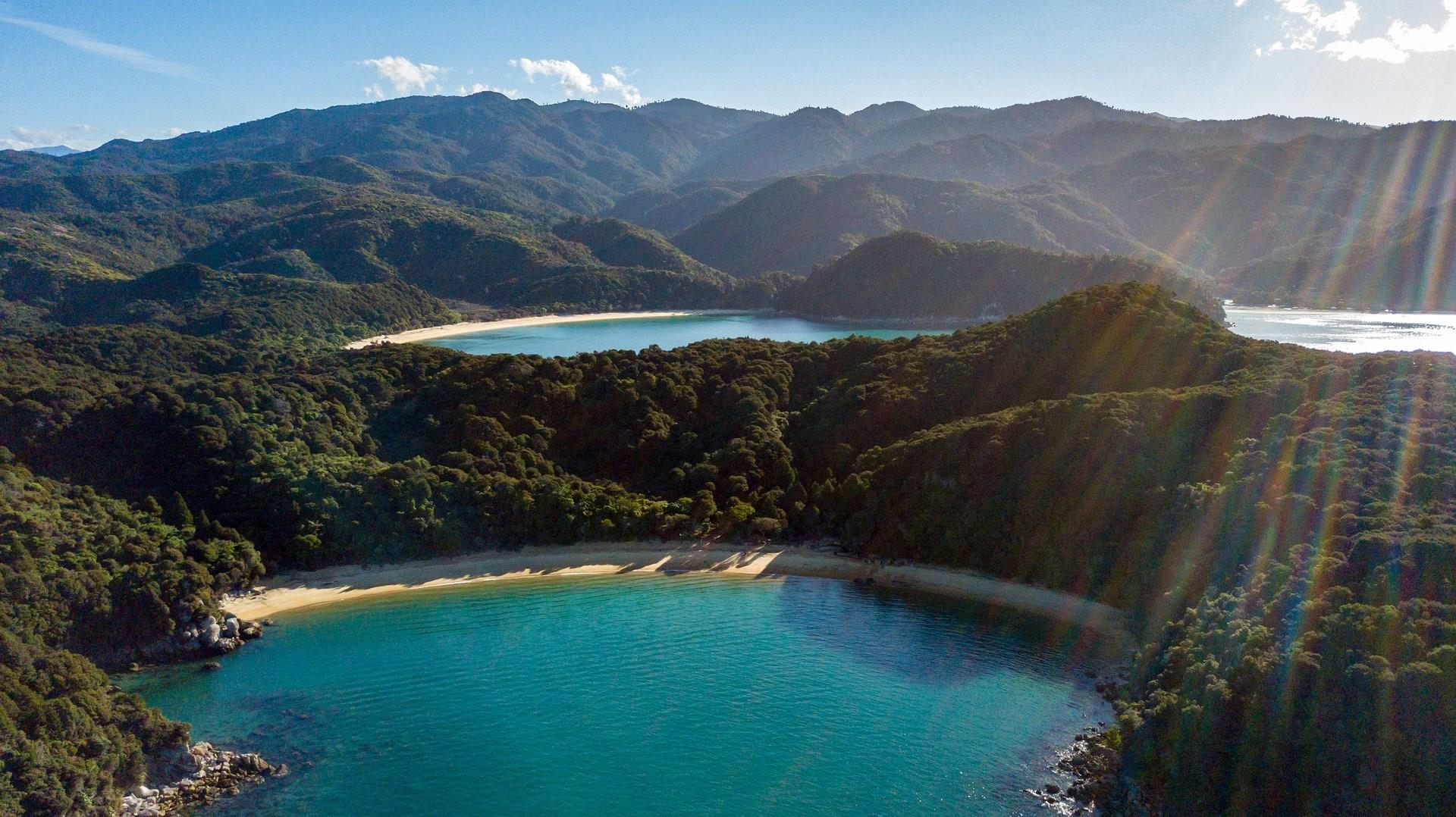


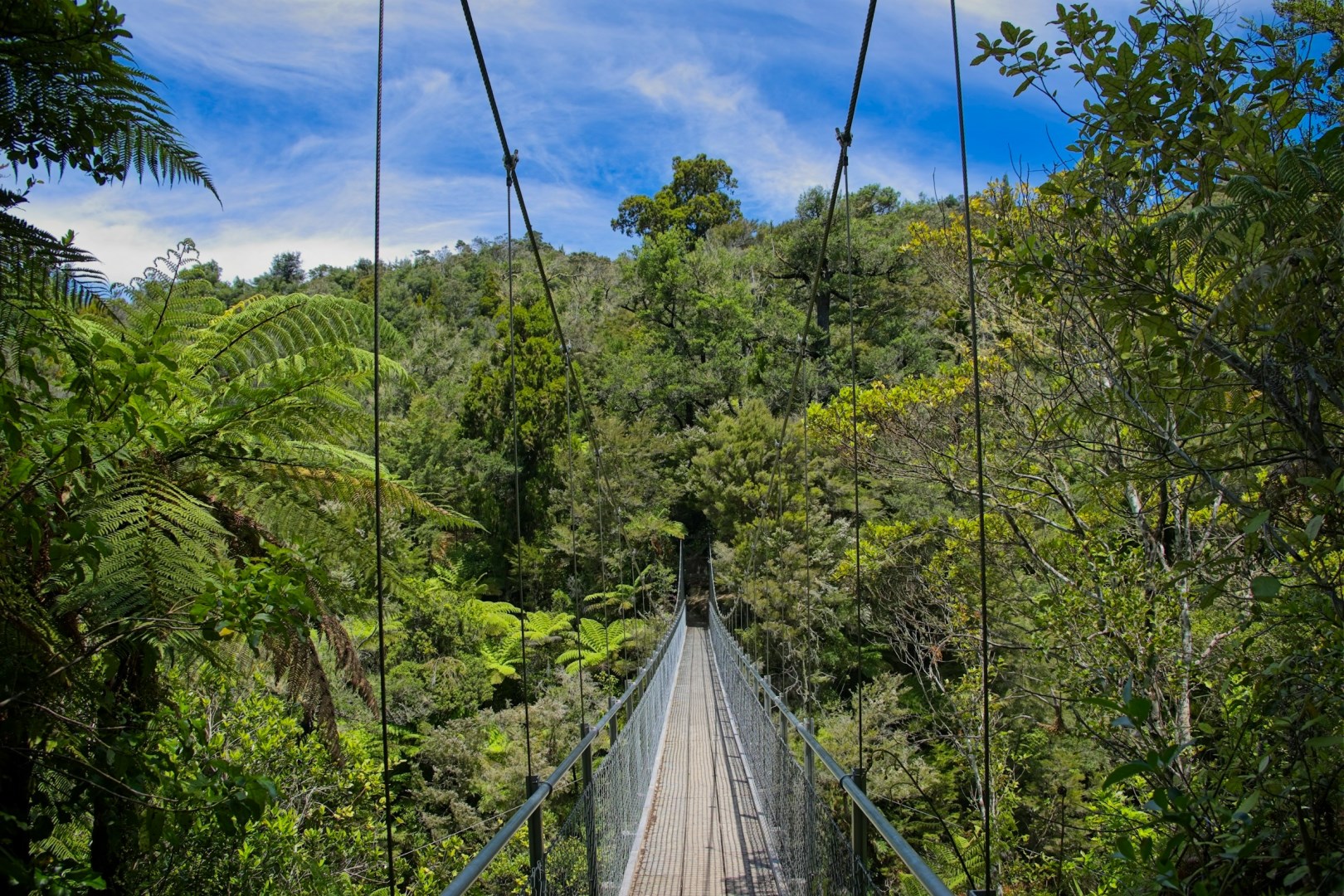
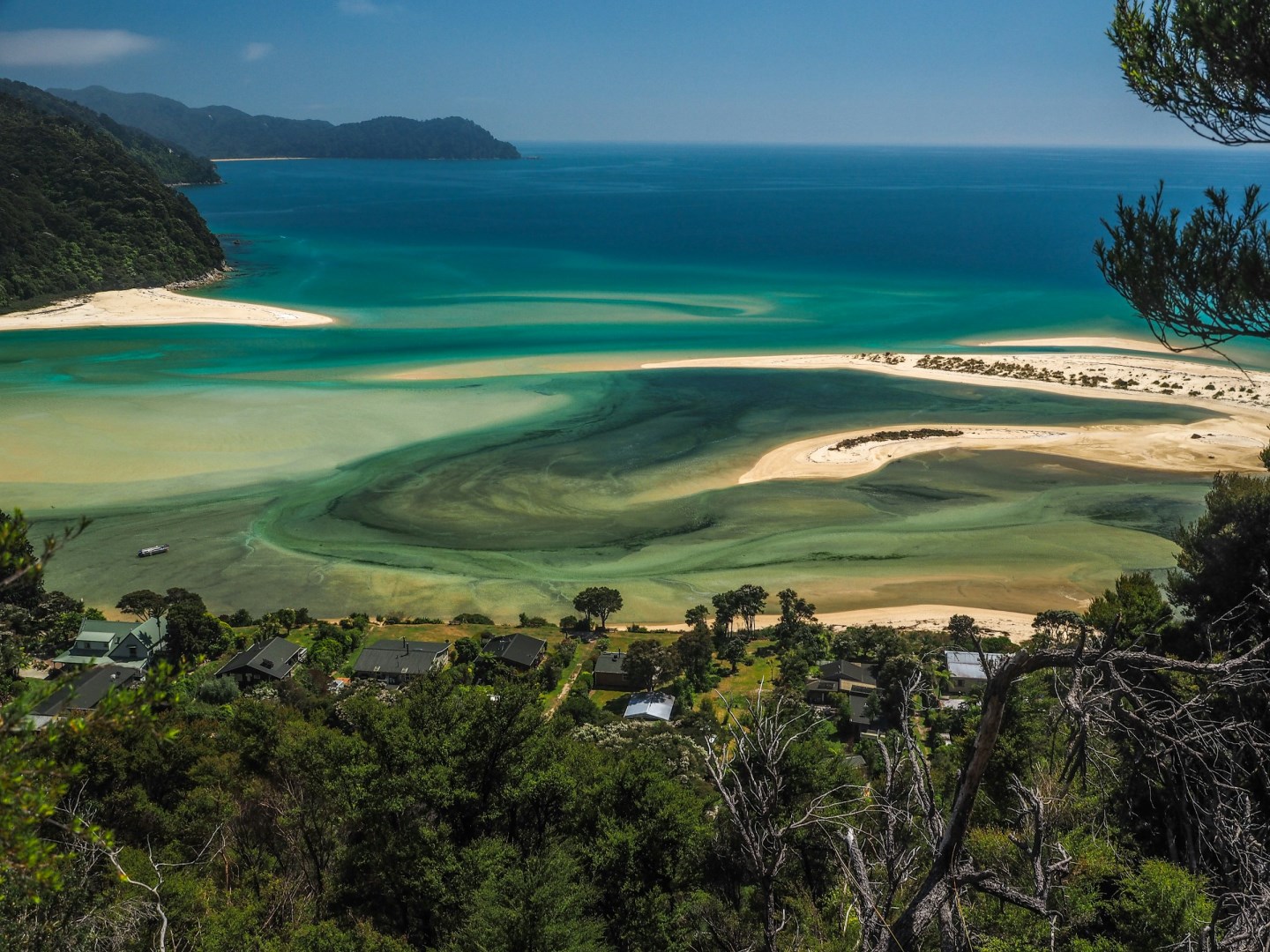
Abel Tasman National Park, located at the northern tip of New Zealand's South Island, is a paradise for nature lovers and outdoor enthusiasts. Renowned for its golden beaches, lush forests, and crystal-clear waters, the park offers an array of activities, from hiking to kayaking. The Abel Tasman Coastal Track, one of New Zealand's Great Walks, stretches over 60 kilometers and provides breathtaking views of the coastline, making it a must-do for visitors.
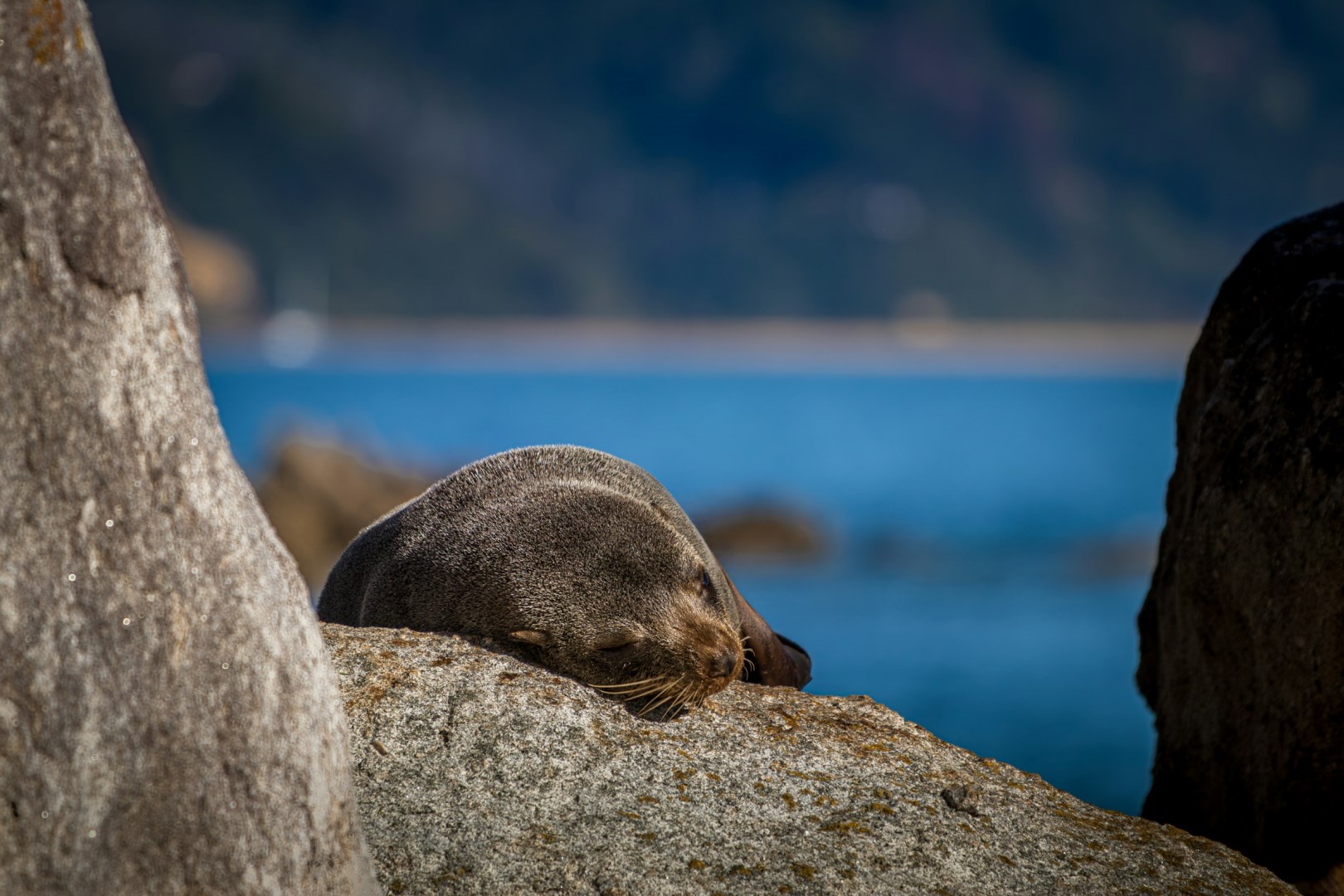
The park's unique combination of pristine beaches and native bush creates a haven for wildlife, including the little blue penguin and the New Zealand fur seal. Kayaking along the coast offers the chance to explore secluded coves and spot marine life up close. For those interested in history, the park is named after the Dutch explorer Abel Tasman, the first European to sight New Zealand in 1642.
Fun fact: Abel Tasman National Park is the smallest national park in New Zealand, yet it boasts some of the most stunning landscapes and diverse ecosystems in the country, making it a must-see destination for anyone traveling to New Zealand.
The park's unique combination of pristine beaches and native bush creates a haven for wildlife, including the little blue penguin and the New Zealand fur seal. Kayaking along the coast offers the chance to explore secluded coves and spot marine life up close. For those interested in history, the park is named after the Dutch explorer Abel Tasman, the first European to sight New Zealand in 1642.
Fun fact: Abel Tasman National Park is the smallest national park in New Zealand, yet it boasts some of the most stunning landscapes and diverse ecosystems in the country, making it a must-see destination for anyone traveling to New Zealand.
Other Popular Destinations in New Zealand
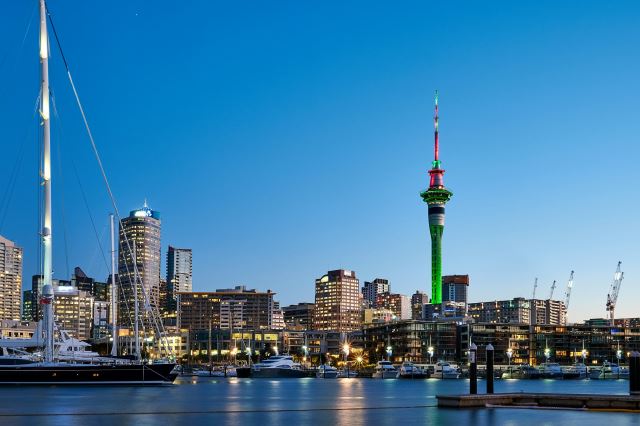
A veritable paradise on Earth, Auckland combines the best of both worlds – a thrilling urban metropolis surrounded by striking natural areas, sparkling blue water, and colorful wildlife. New Zealand’s cultural and recreational hub, beautiful Auckland has something for everyone.

This beautiful resort town has a little something for everyone! Whether you are into skiing and snowboarding, jet boating, whitewater rafting, bungy jumping, or mountain biking there is no end to the year around adventure sports you can take advantage of. If you love wine, Queenstown lies close to the center of a small wine producing region, including The Two Paddocks vineyard which is owned by actor Sam Neill.
