South America | Brazil | Fernando de Noronha

Fernando de Noronha is a volcanic archipelago in the Atlantic Ocean, belonging to the Brazilian state of Pernambuco. The archipelago consists of 21 islands and islets, with only the main island permanently inhabited. Much of the land and surrounding sea is protected through the Fernando de Noronha Marine National Park and the Fernando de Noronha Environmental Protection Area. Its isolated position has helped preserve important terrestrial and marine ecosystems, while the local community has developed an economy closely connected with tourism, conservation, and maritime activities.
Fernando de Noronha has a cultural landscape shaped by island life, maritime traditions, religion, and military history. Vila dos Remédios, the main historic settlement, contains the Church of Nossa Senhora dos Remédios, the Palácio São Miguel, and remnants of former fortifications. Traditional fishing remains part of local life, although activities are regulated within protected areas. Conservation is also central to the archipelago’s identity, with measures designed to protect marine species, nesting sites, vegetation, and coastal habitats. Fernando de Noronha and the Atol das Rocas are collectively recognized by UNESCO as a World Heritage property.
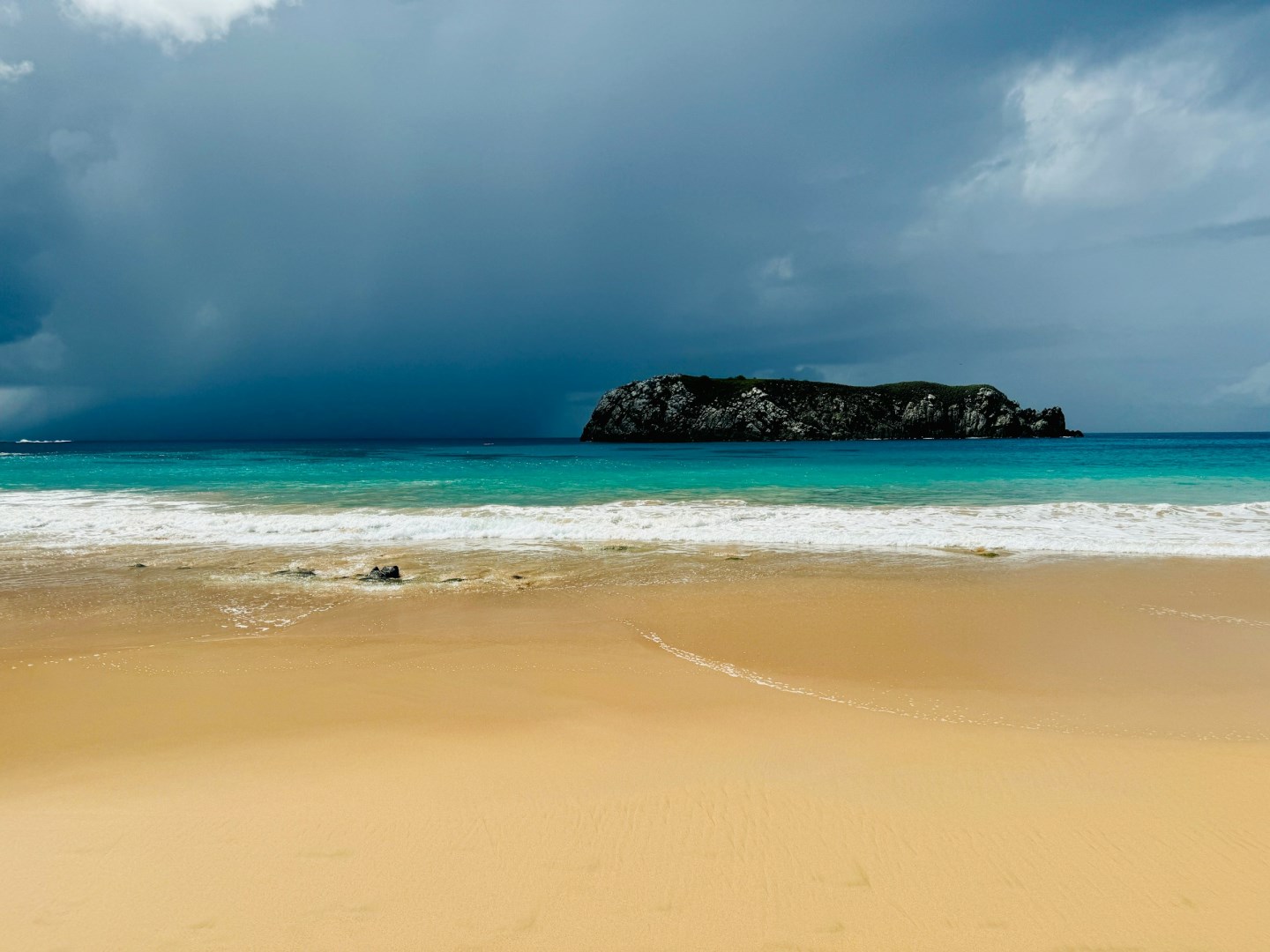
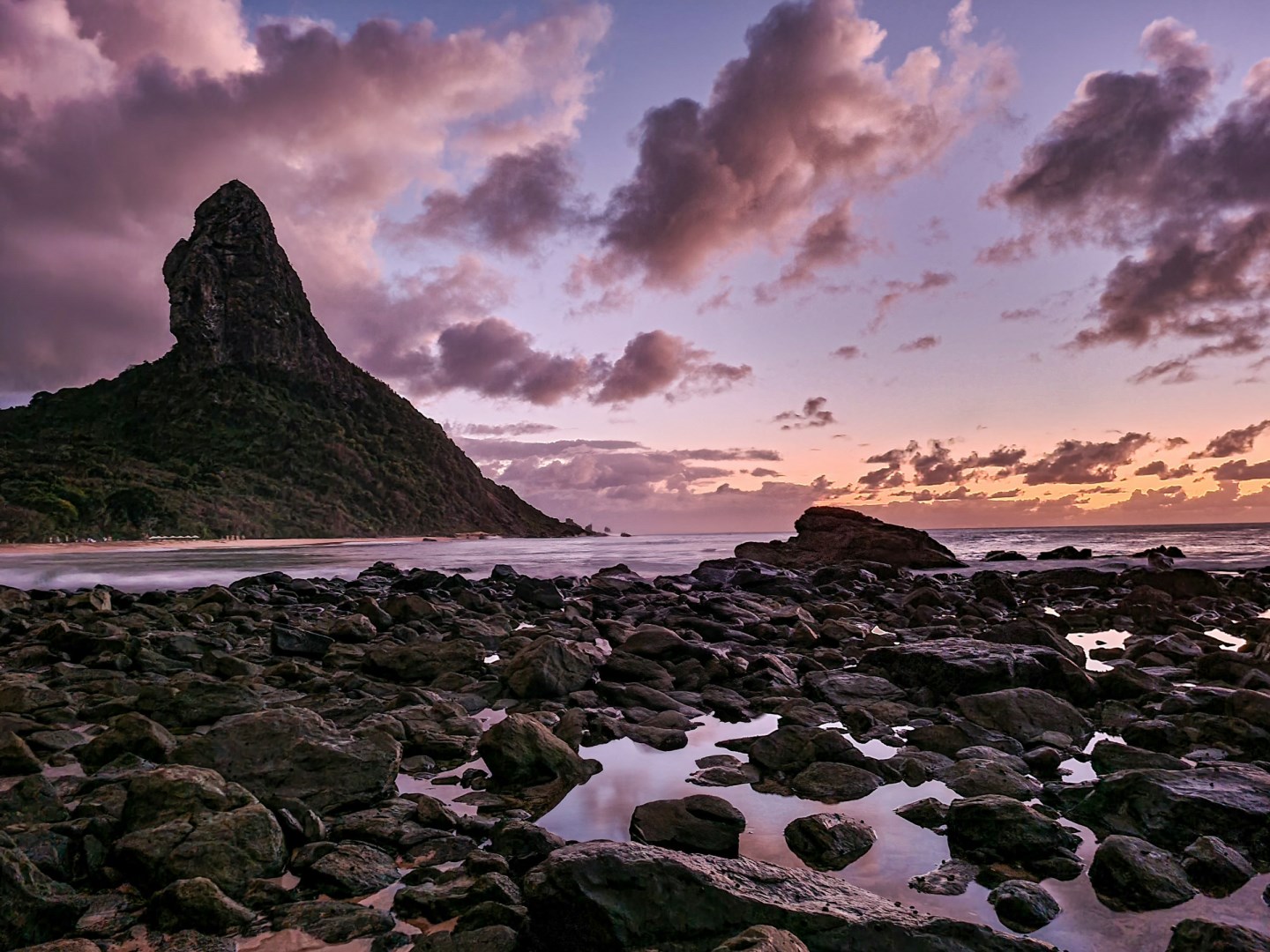
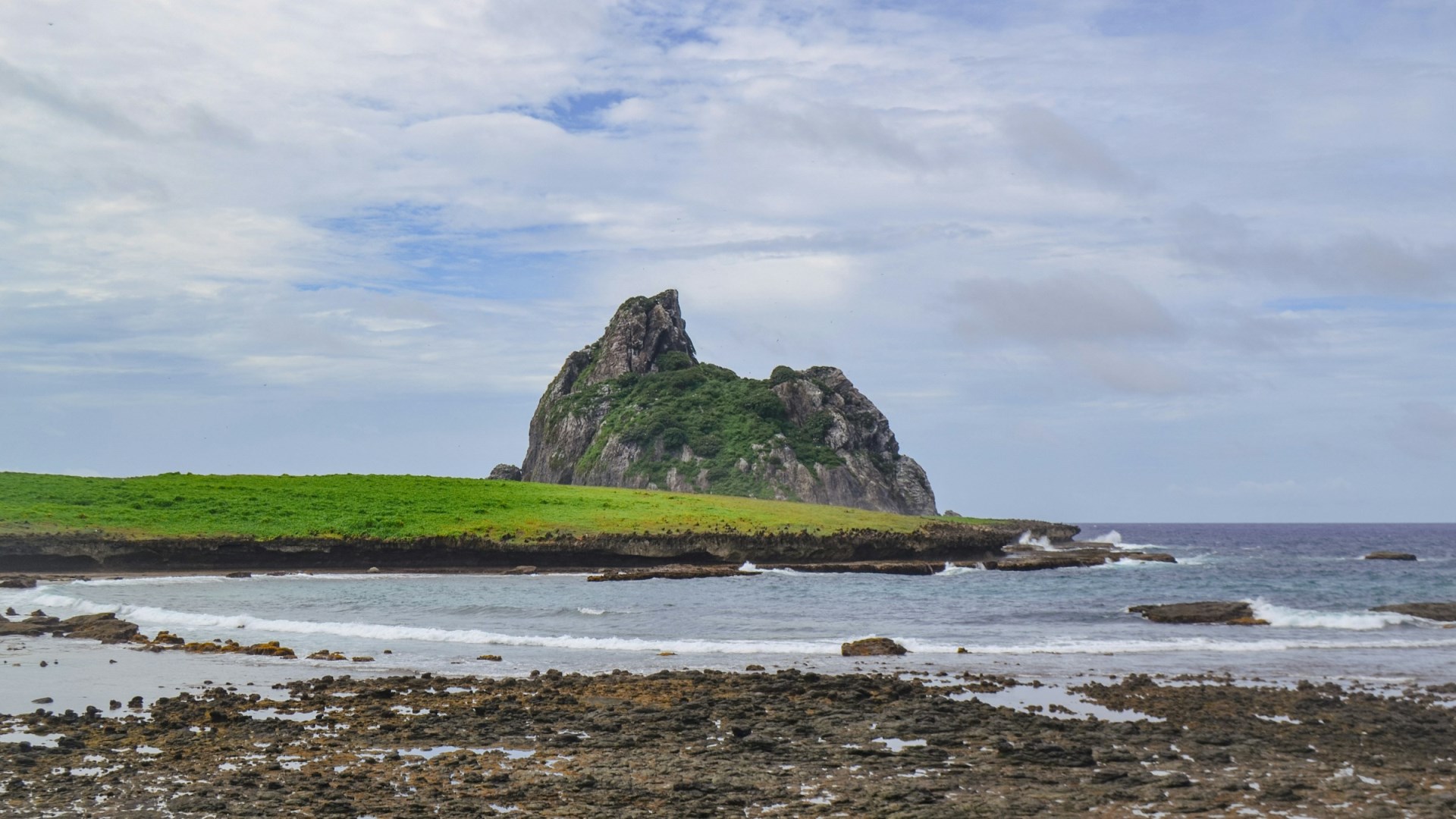
The archipelago is known for its volcanic coastline, forested hills, clear waters, and secluded beaches. Baía do Sancho, Baía dos Porcos, Praia do Leão, and Praia da Atalaia are among its best-known natural attractions, while Morro Dois Irmãos and Morro do Pico are prominent geological landmarks. The surrounding waters support dolphins, sea turtles, rays, sharks, tropical fish, and coral communities. Diving and snorkeling are important activities, while trails provide access to beaches, viewpoints, forests, and coastal habitats within the protected areas.
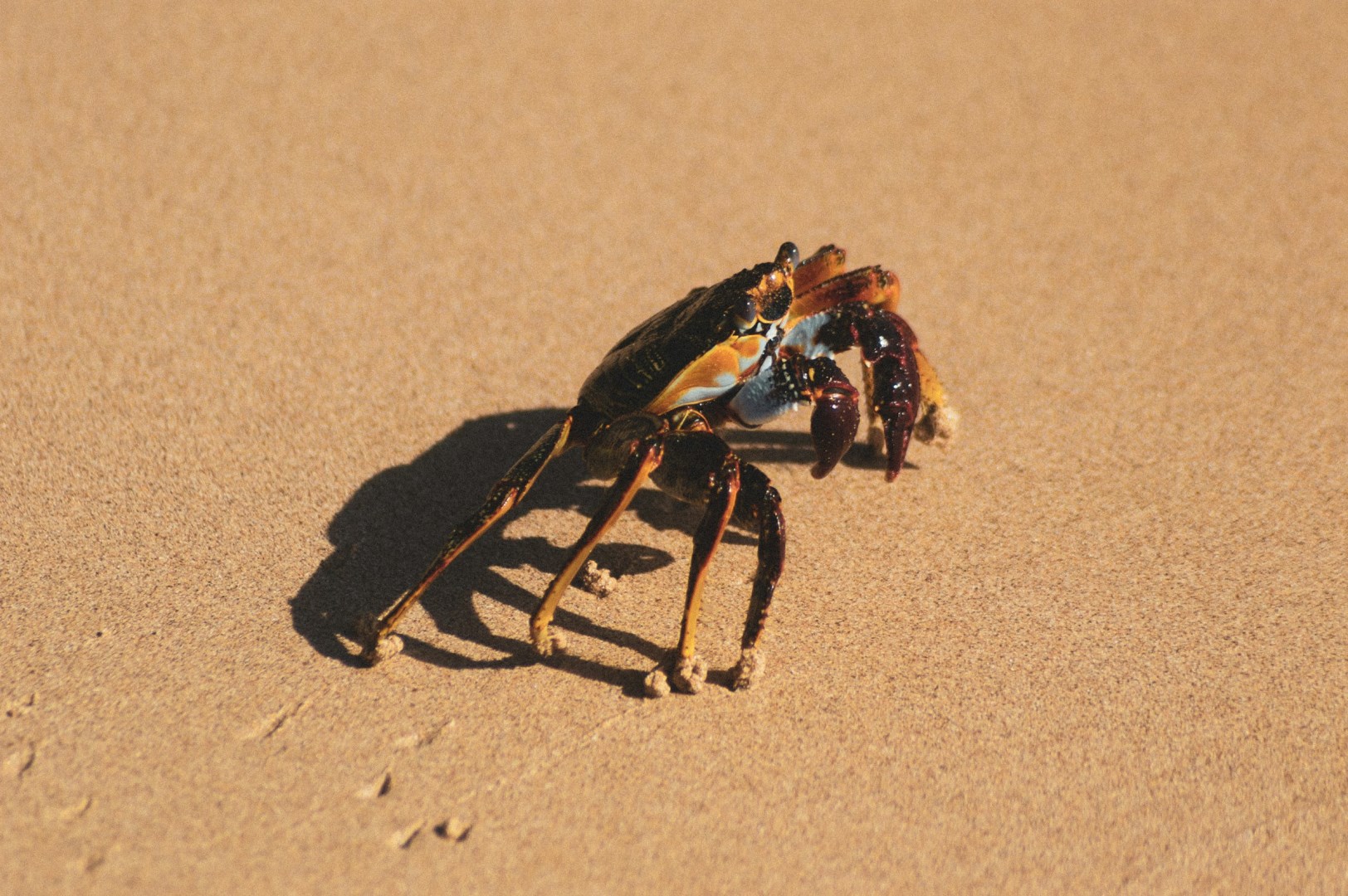
Food in Fernando de Noronha reflects its island setting and the wider culinary traditions of northeastern Brazil. Fresh fish and other seafood feature prominently in local restaurants, alongside regional ingredients and preparations. The surrounding environment also contains several unusual ecological features, including a small oceanic mangrove considered the only one of its kind in the South Atlantic. The islands provide nesting and feeding areas for numerous seabirds, while green and hawksbill turtles use the beaches and coastal waters. These ecological features, combined with its volcanic landscape and maritime culture, define Fernando de Noronha.
Other Popular Destinations in Brazil