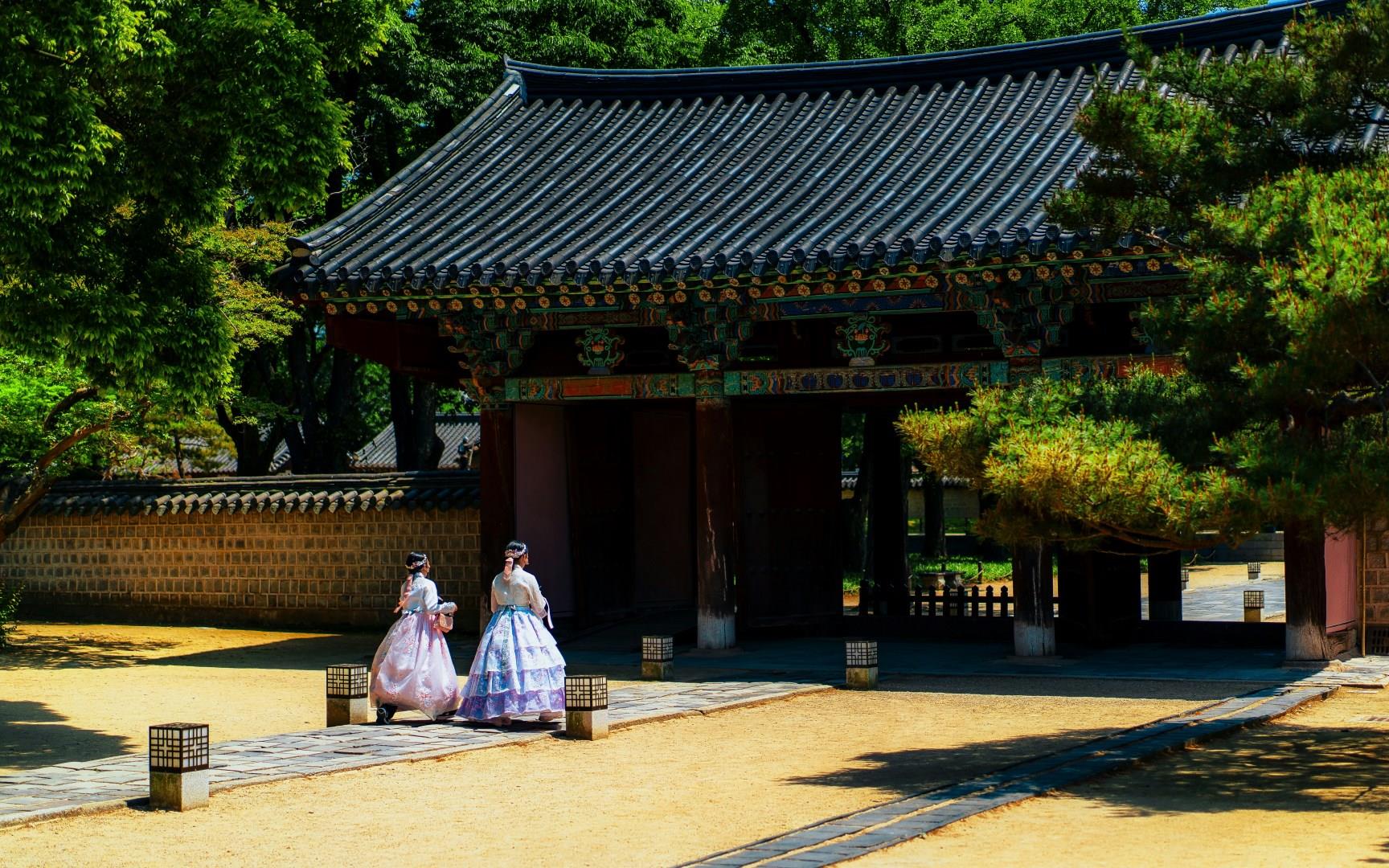
Jeonju-si, in South Korea’s North Jeolla Province, is widely associated with preservation rather than spectacle. The city’s identity is closely tied to its role as a former provincial capital during the Joseon Dynasty and as the birthplace of the royal Yi family.
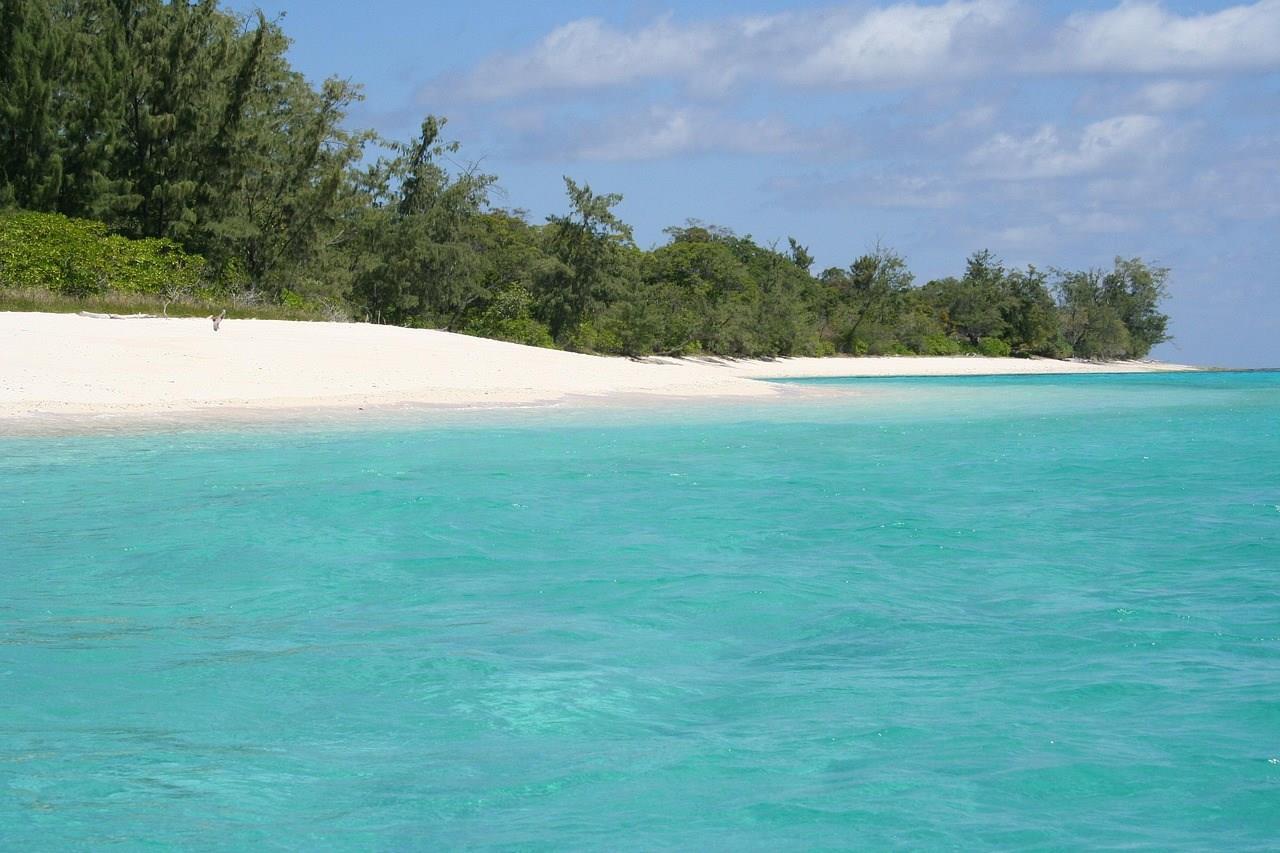
Watamu, located on Kenya’s picturesque coast, is a paradise for beach lovers and nature enthusiasts alike. Renowned for its pristine white-sand beaches and turquoise waters, Watamu is part of the Watamu Marine National Park, a protected area known for its vibrant coral reefs and rich marine biodiversity. The park is a haven for snorkeling and diving, with opportunities to see colorful fish, sea turtles, and even dolphins.
Nestled in the foothills of the Eastern Alps, Salzburg, Austria, exudes a timeless charm that combines Baroque splendor, musical heritage, and breathtaking natural beauty. The city is famously known as the birthplace of Wolfgang Amadeus Mozart, one of the world's greatest composers. Visitors can immerse themselves in the life and works of Mozart by visiting his birthplace, now a museum, on Getreidegasse, a picturesque street lined with wrought-iron signs and colorful facades.
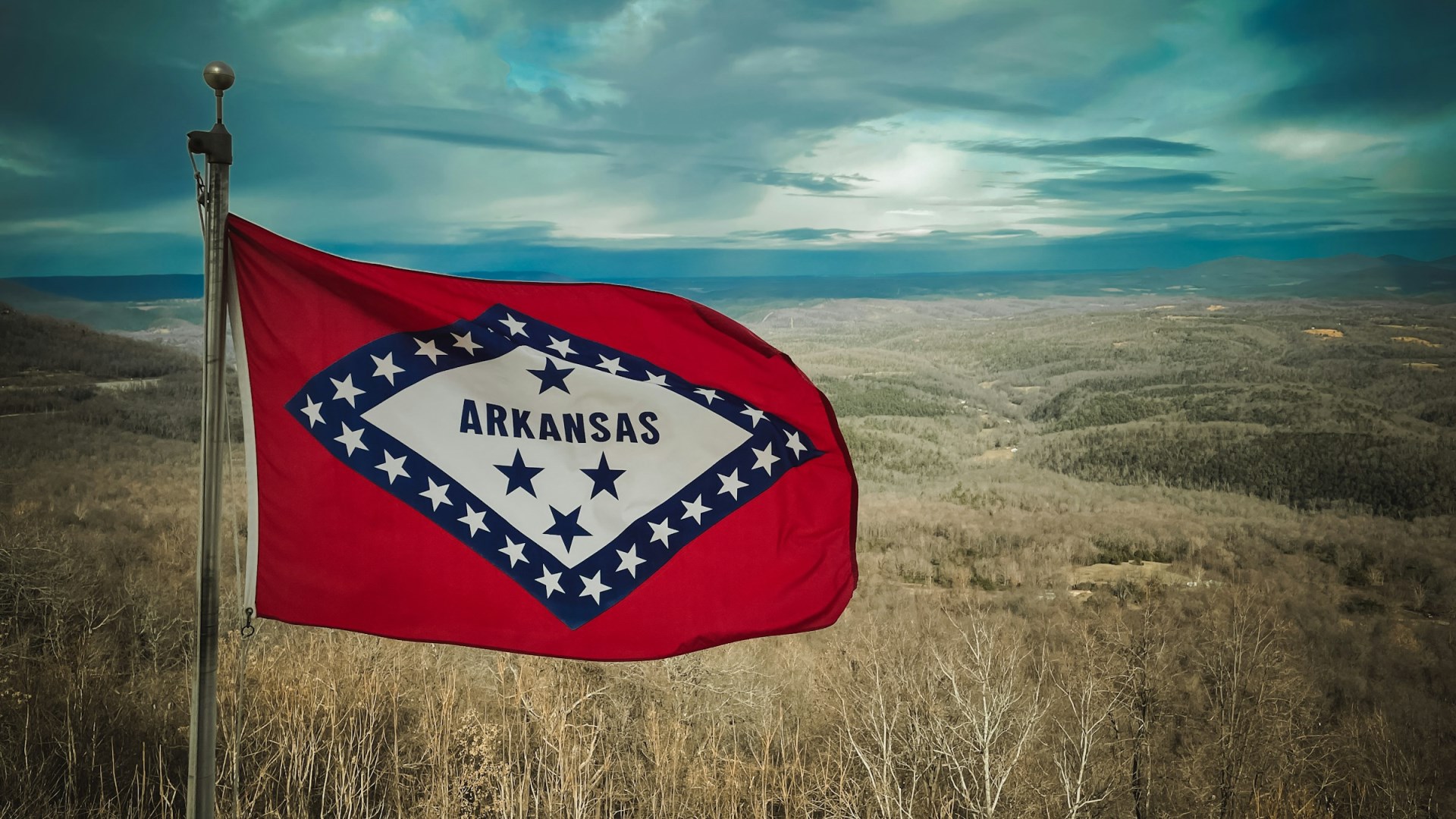
Arkansas is often called “The Natural State,” and for good reason as it’s home to more than 600,000 acres of lakes and 9,700 miles of rivers and streams. From the Ozark Mountains in the north to the Delta plains in the east, the state’s landscapes offer a wide range of backdrops for hiking, paddling, or simply taking in the view.
Timor-Leste, one of the world’s youngest nations, is a place where resilience and cultural richness shape everyday life. Its history is deeply marked by centuries of Portuguese colonial rule, followed by Indonesian occupation and a long struggle for independence, achieved in 2002.
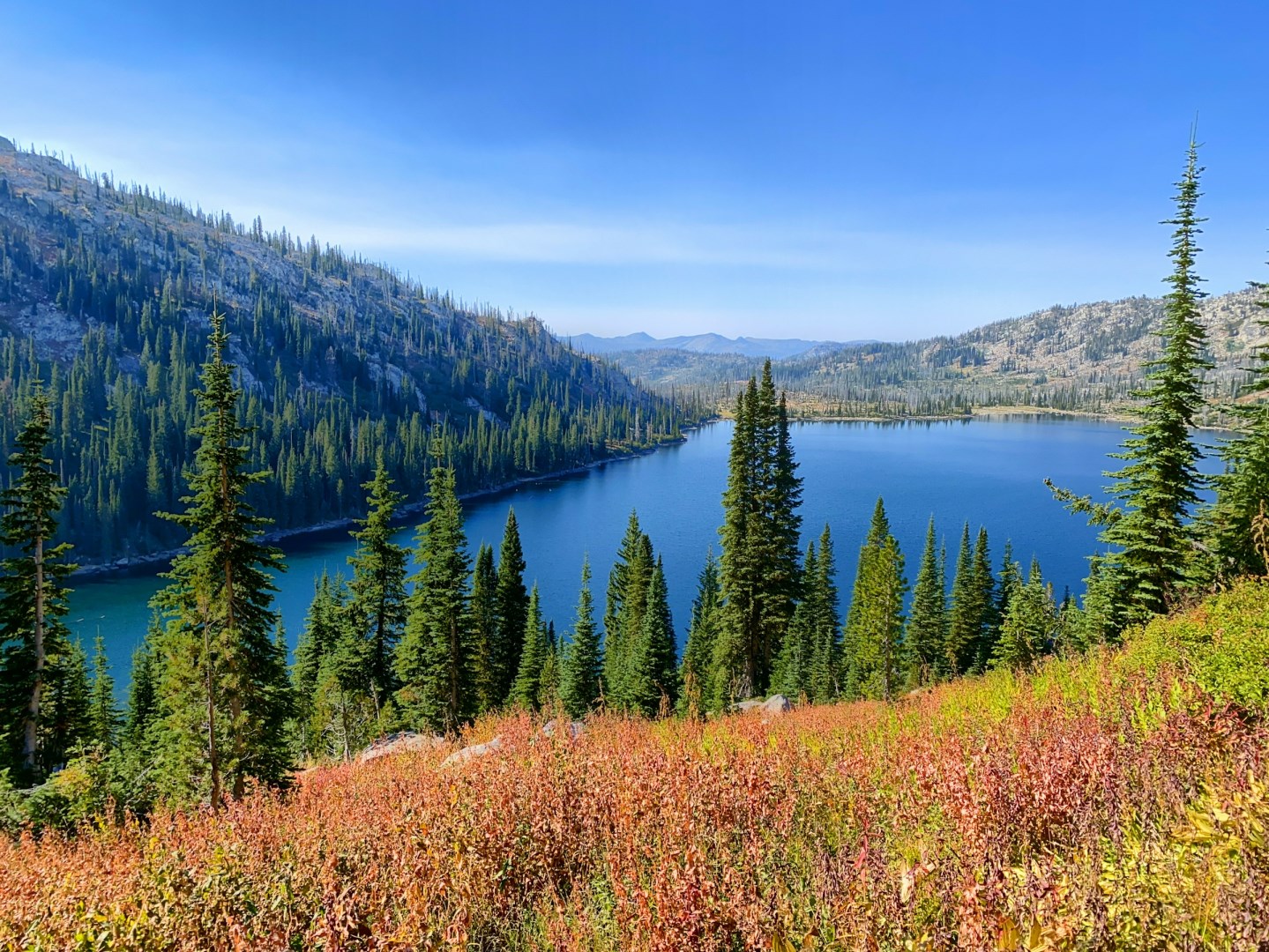
Payette National Forest covers a large area of west-central Idaho, extending across the rugged Salmon River Mountains and the western side of the state’s central mountain country. The forest includes alpine ridges, deep river valleys, conifer forests, meadows, and high mountain lakes.
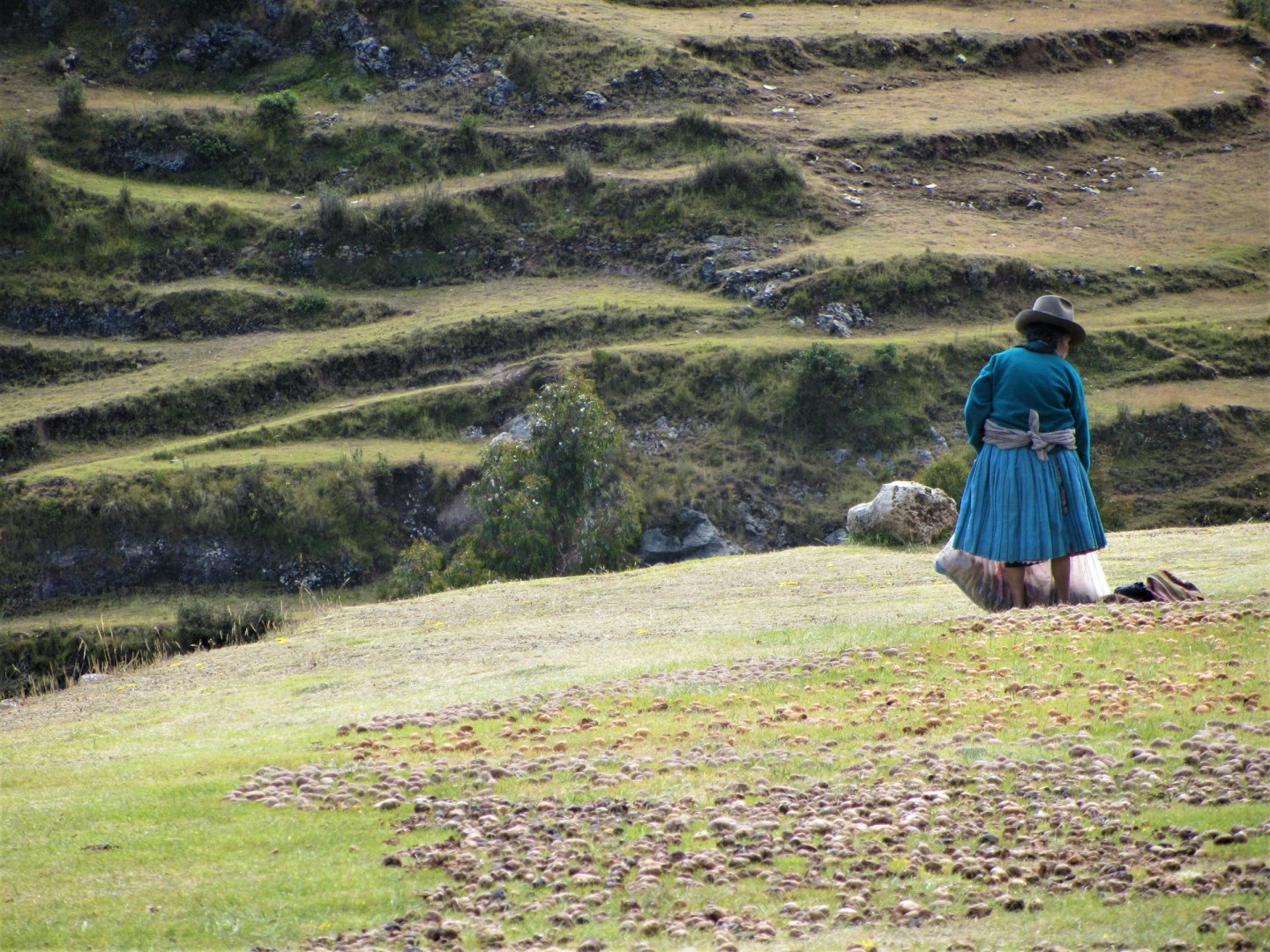
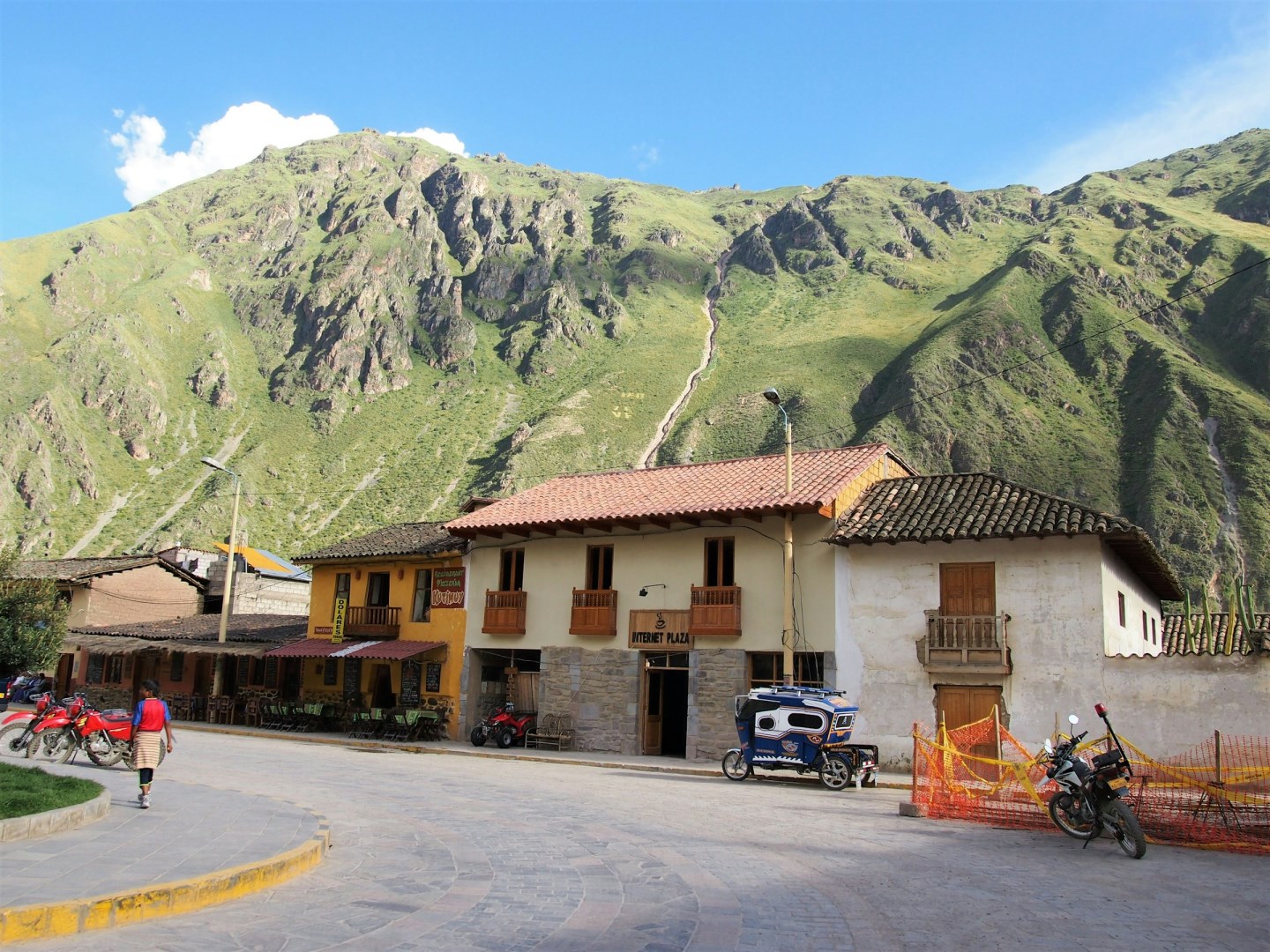
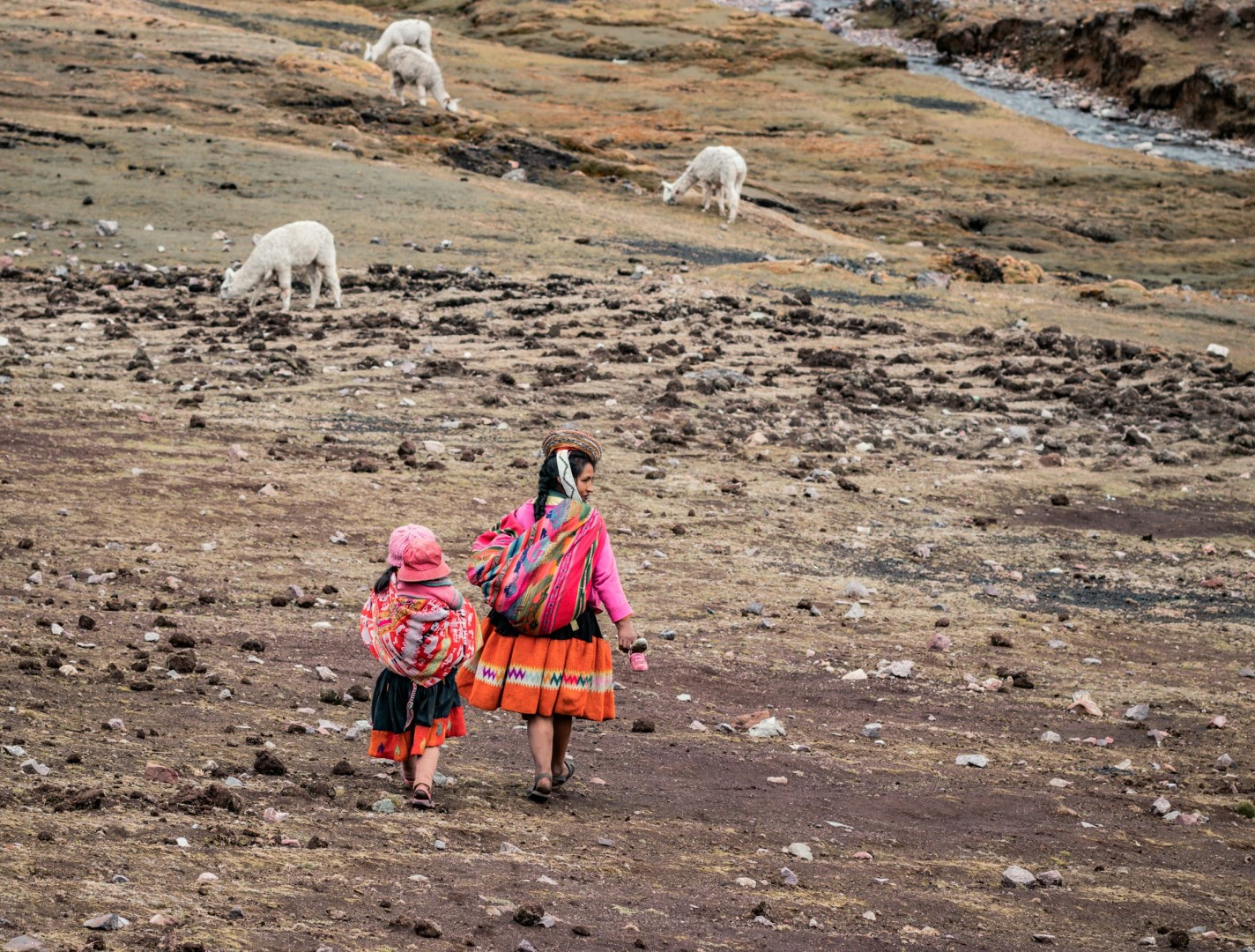
The Sacred Valley, located in the Andes and divided by Urubamba River, was part of the larger Inca Empire, along with Machu Picchu and the closeby town of Cusco. Tourists will see green agricultural landscapes and Spanish hamlets like Ollantaytambo and Pisac, the latter featuring a Sunday market. While most travelers understandably focus on getting to Macchu Picchu, the picturesque Sacred Valley is a highly worthwhile stop on any Peruvian itinerary. Cusco, a one-hour flight from Lima, is an ideal base for exploring Sacred Valley, and guided tours are widely available.
Other Popular Destinations in Peru

Cusco
Cusco once served as the heart of the Inca Empire, and that legacy still shapes every corner of the city even as it serves as a gateway to Machu Picchu. Outside the historic center, the ruins of Sacsayhuamán overlook the city from a nearby hilltop. This ceremonial complex is best known for its massive zigzag stone walls, some weighing over 100 tons. During the Inti Raymi festival in June, thousands gather here to reenact ancient Andean rituals.
Machu Picchu
Machu Picchu is a story carved into stone, perched nearly 2,500 meters above sea level in the cloud forests of southern Peru. Built in the 15th century and later abandoned, this Inca citadel was unknown to the outside world until 1911, when explorer Hiram Bingham brought it to international attention. Today, it remains remarkably well-preserved, with more than 150 stone structures, terraced fields, ceremonial fountains, and temples aligned with astronomical events.