USA | California | Half Moon Bay
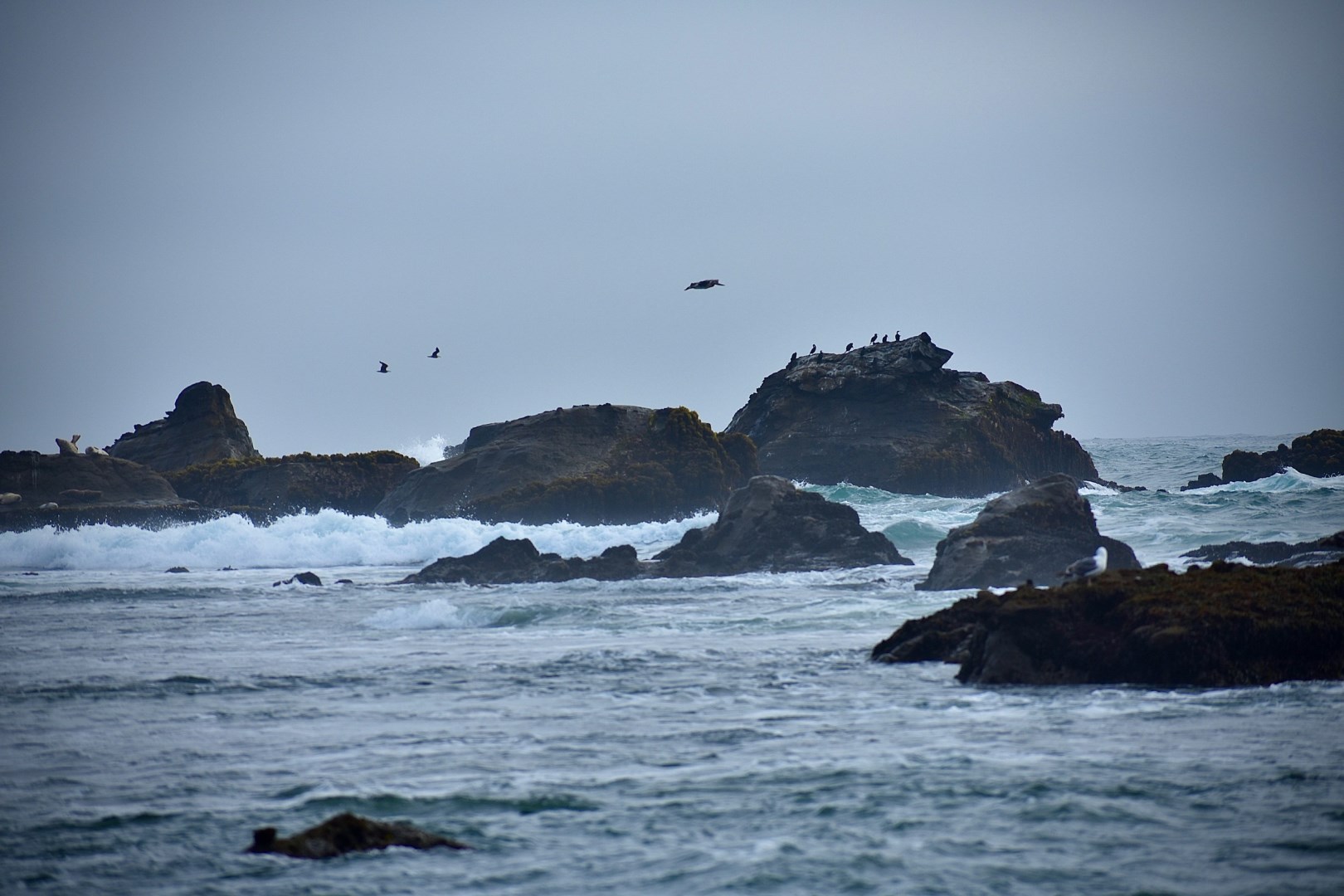
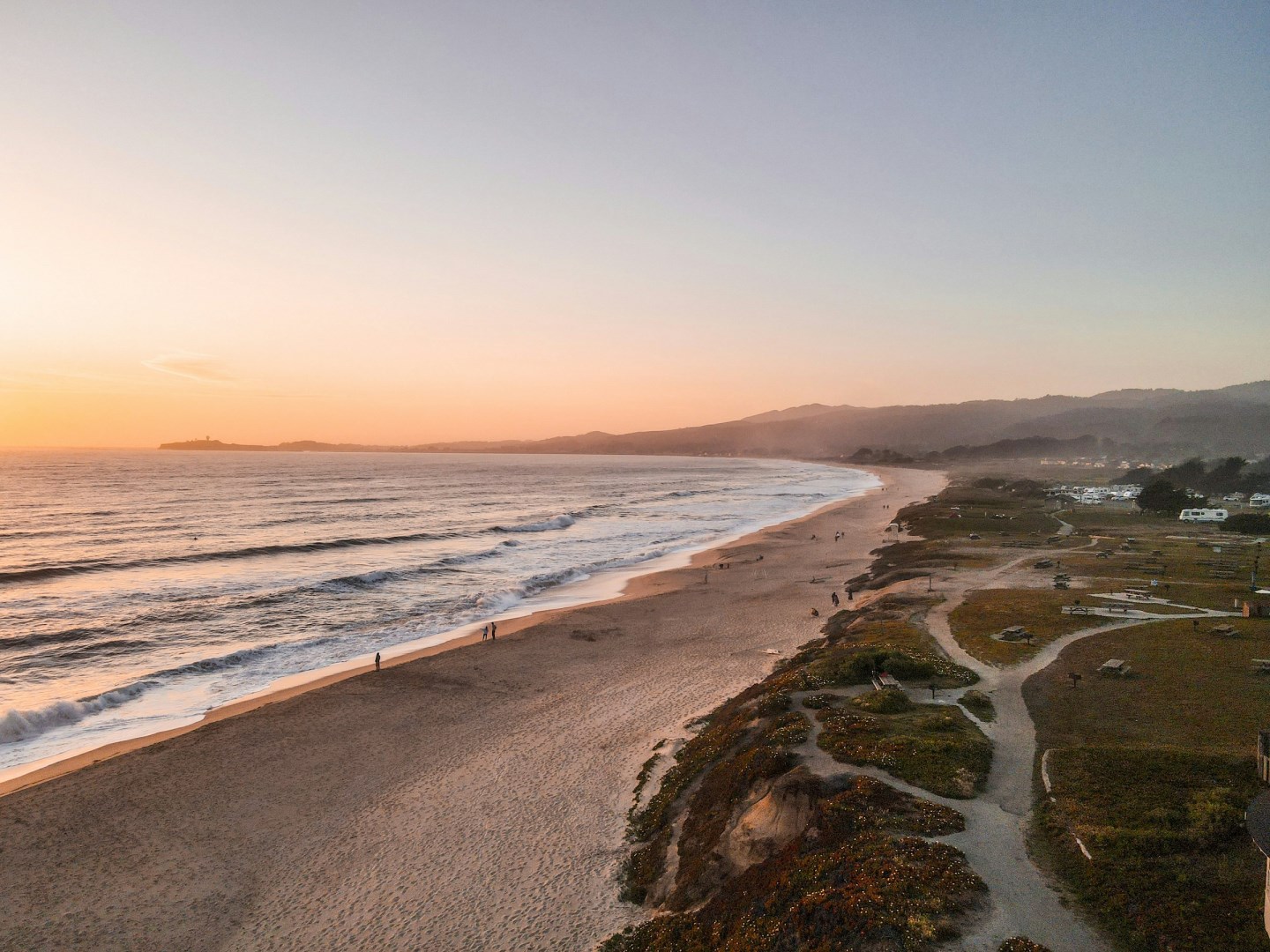
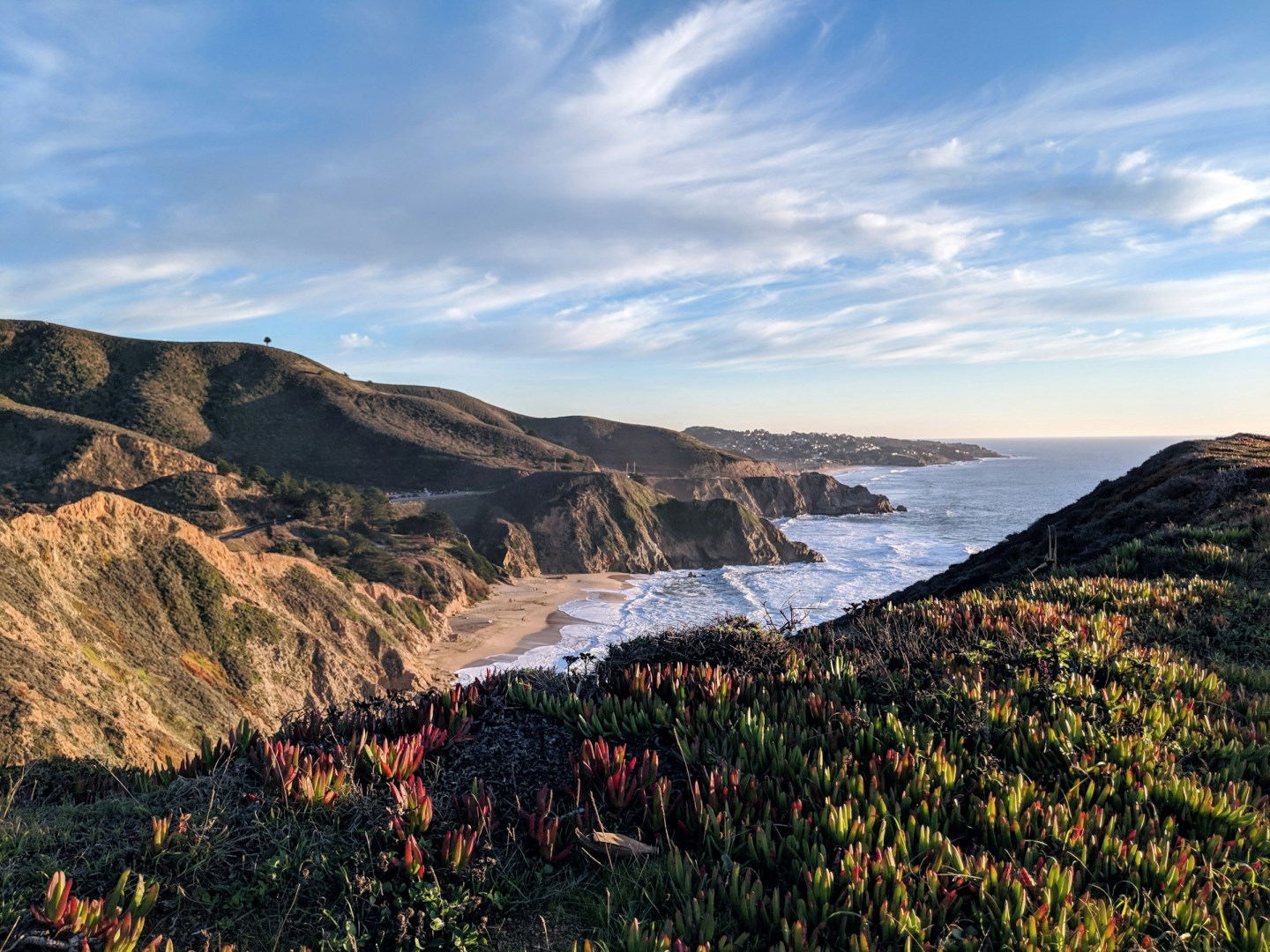
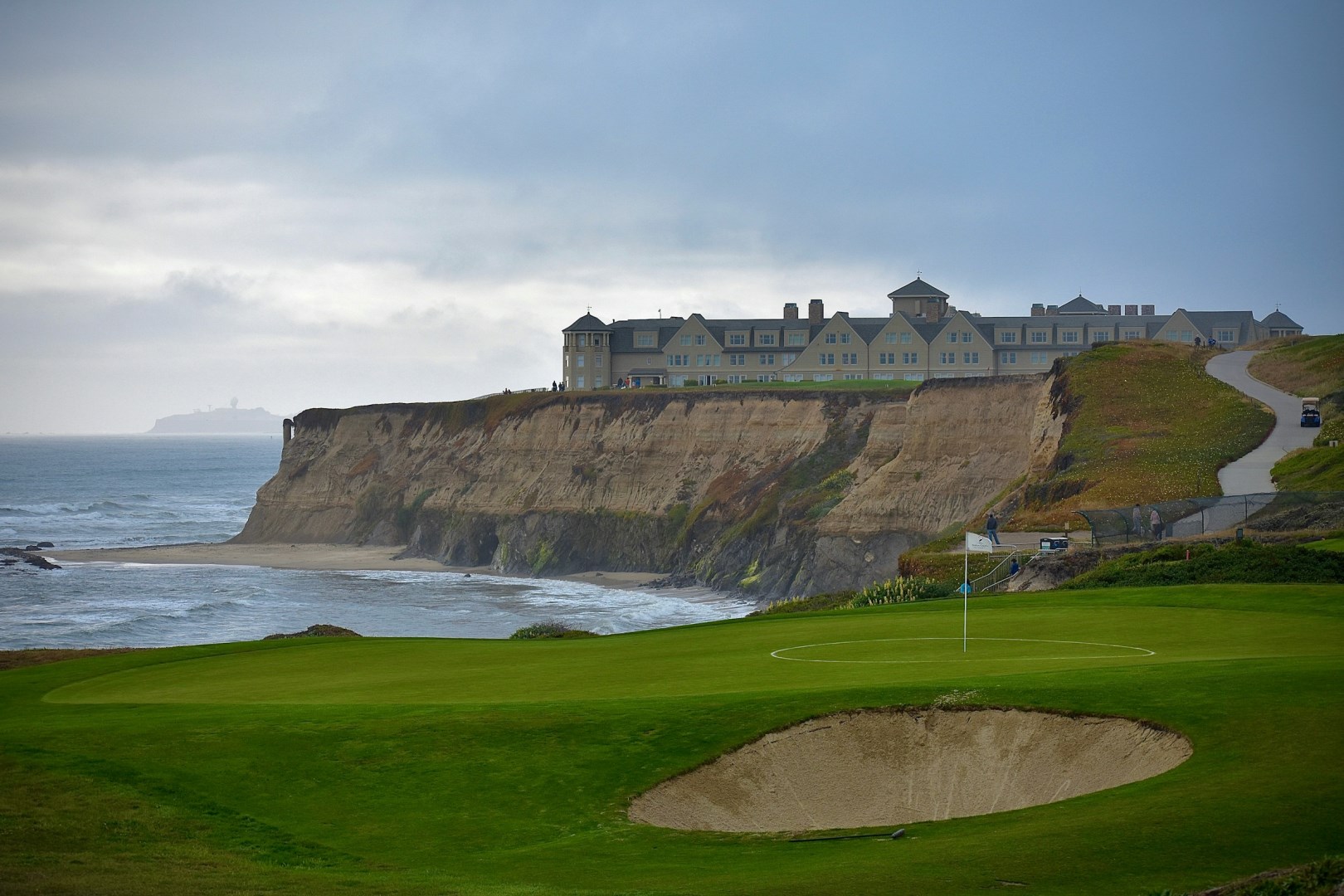
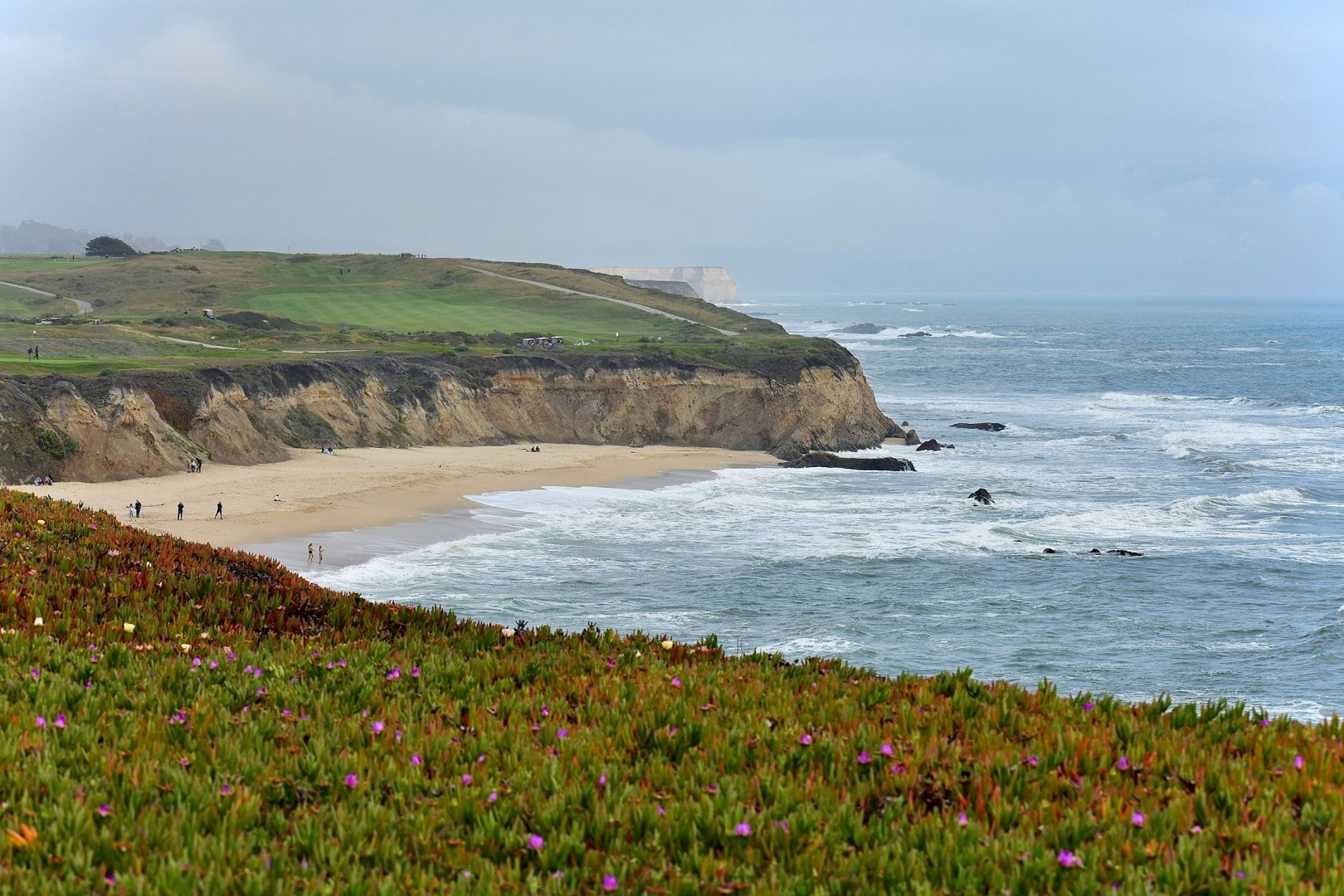
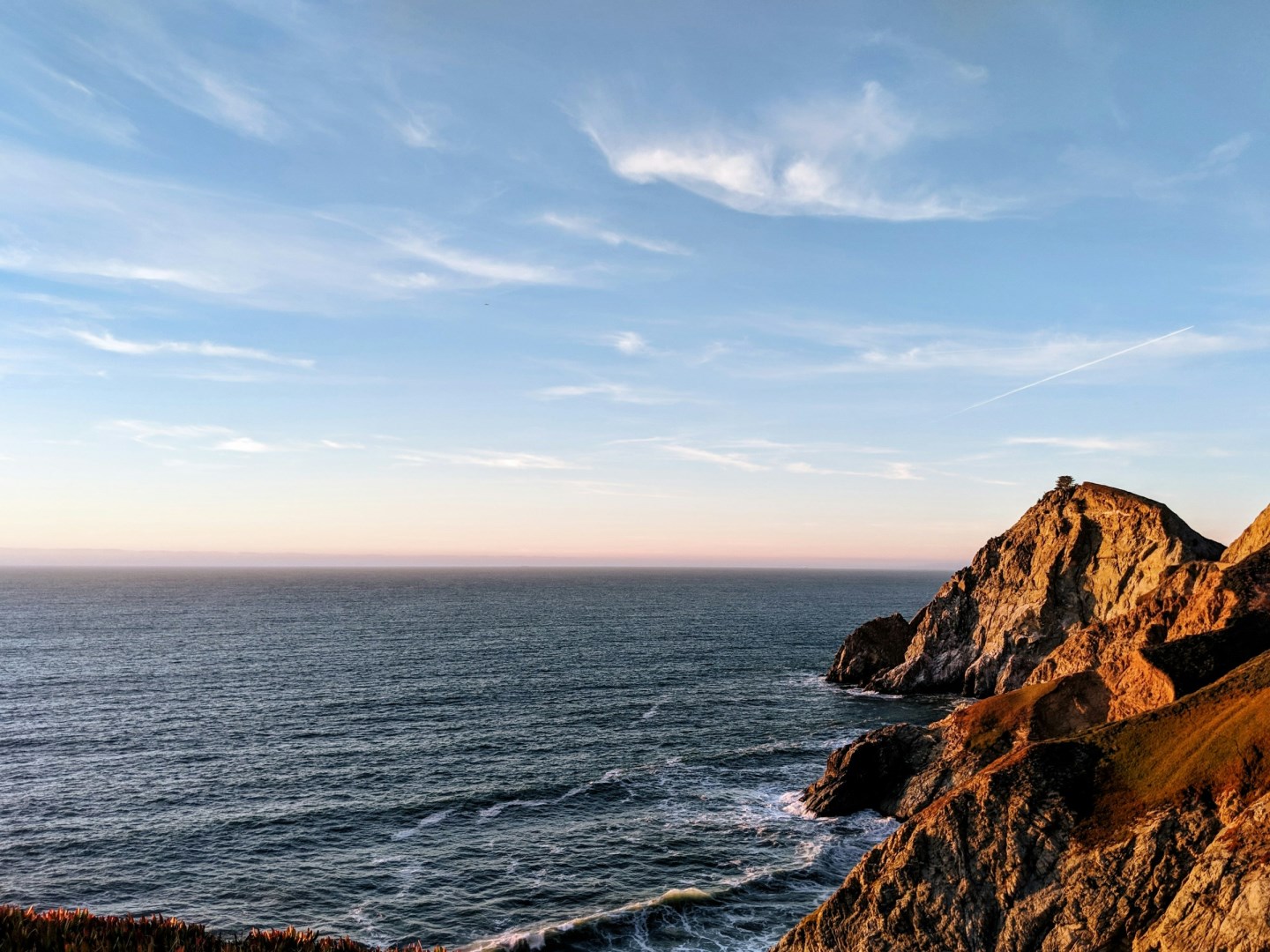
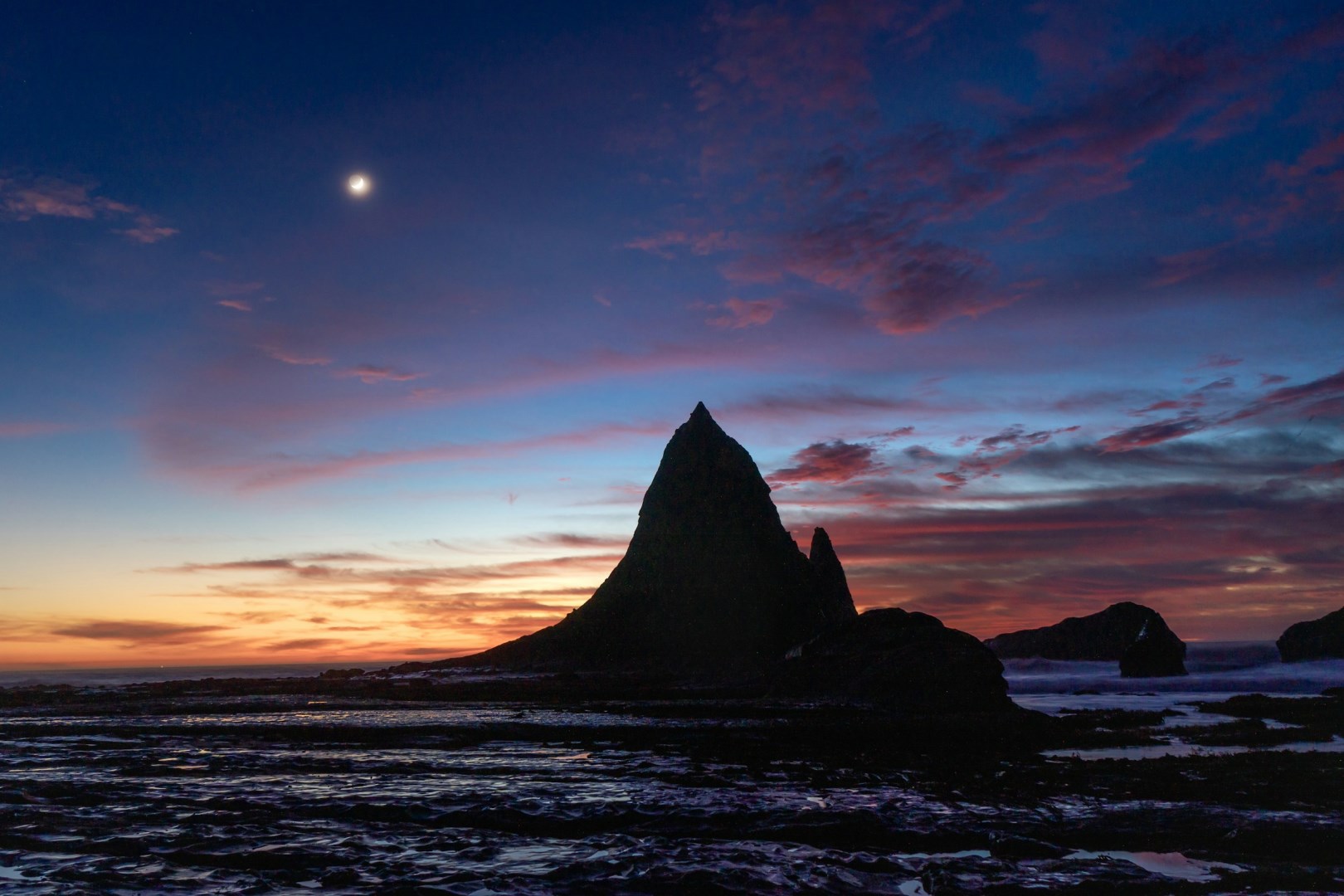
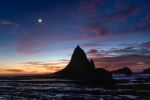
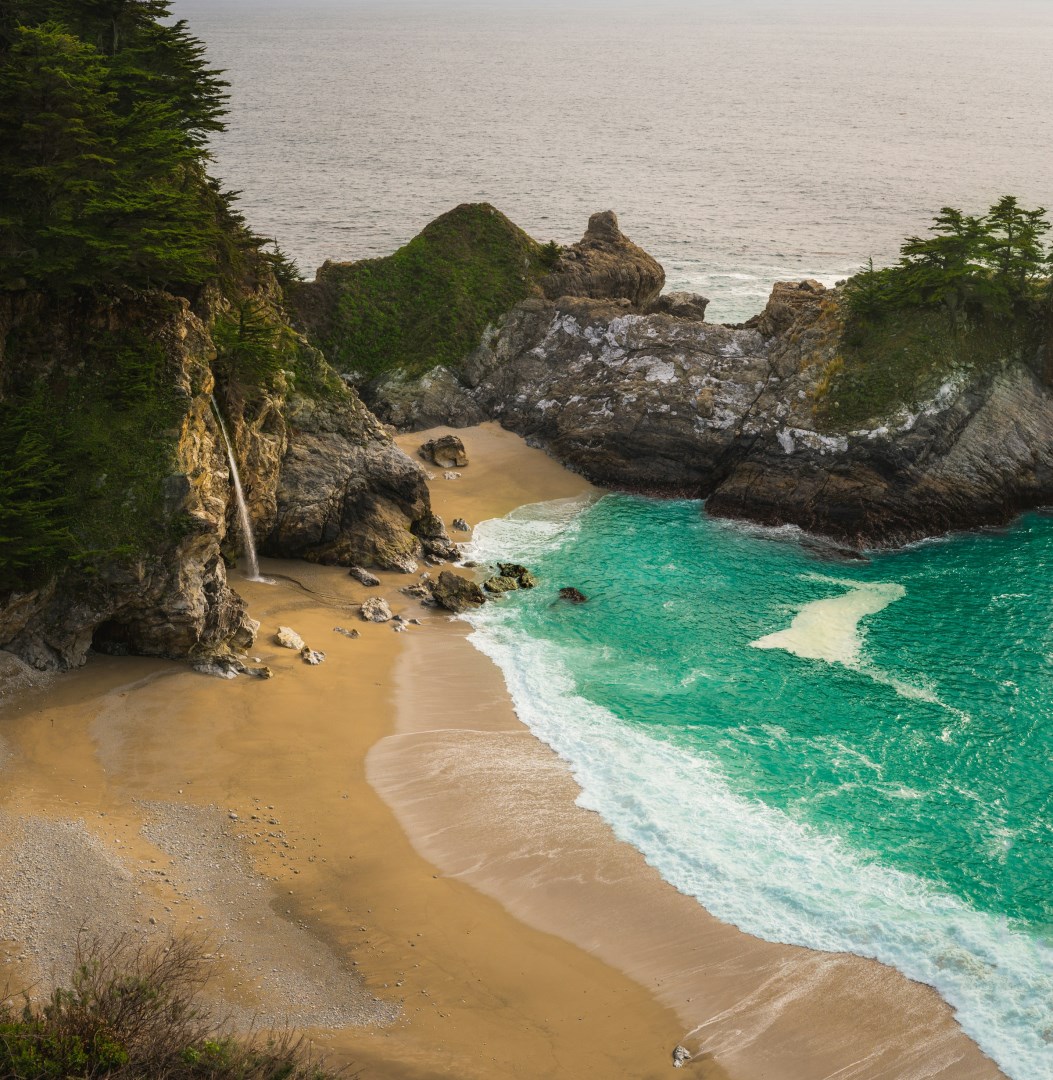
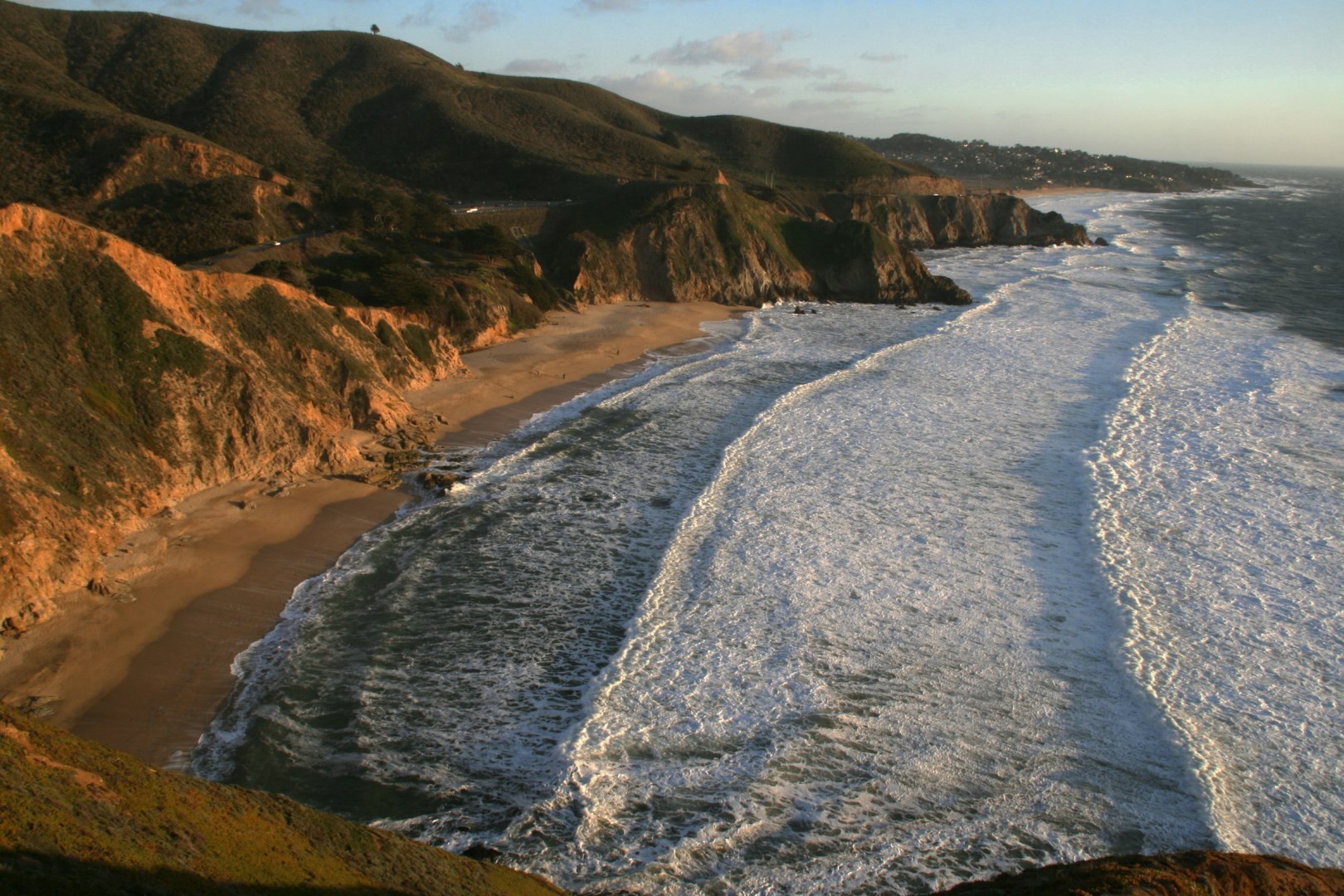
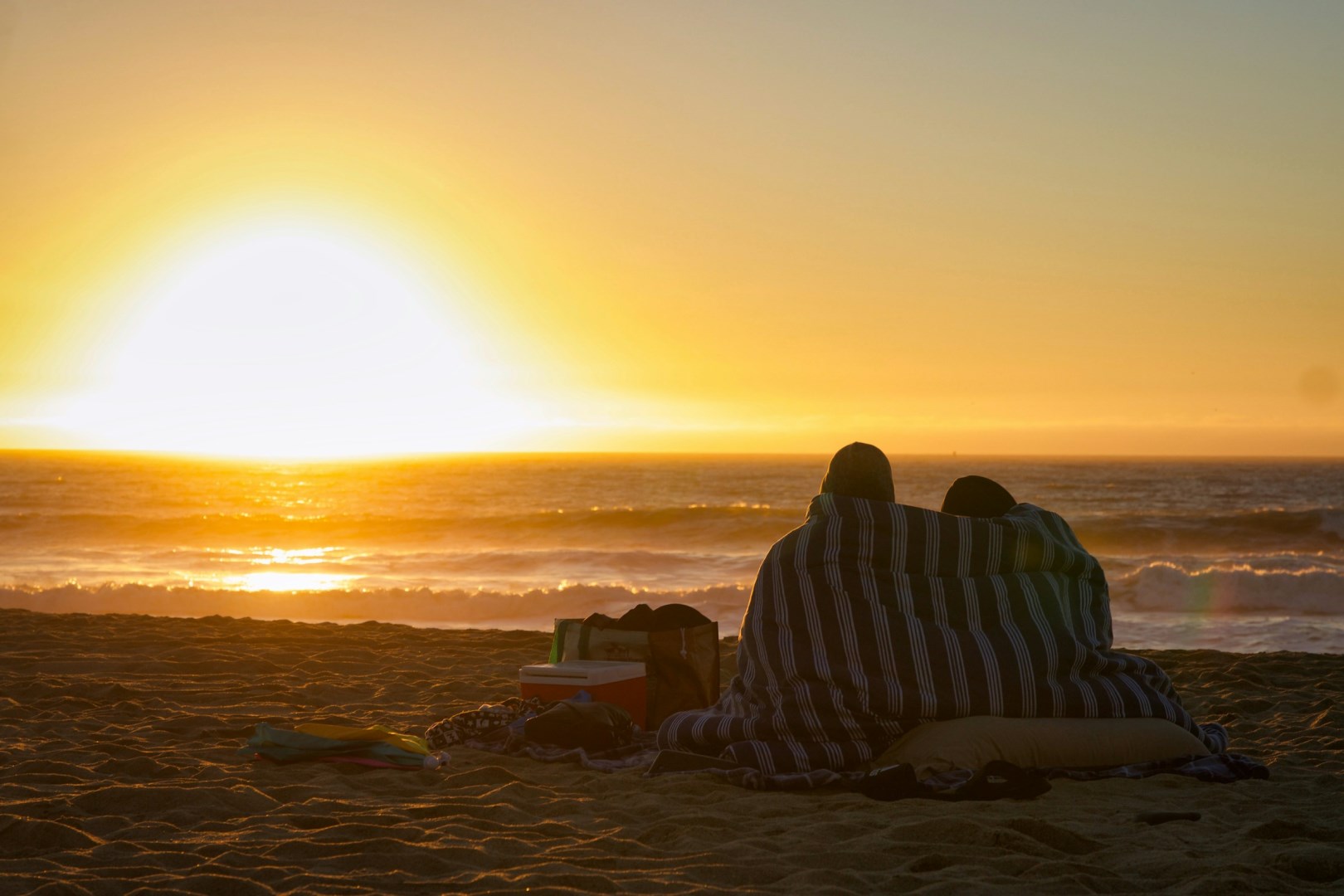
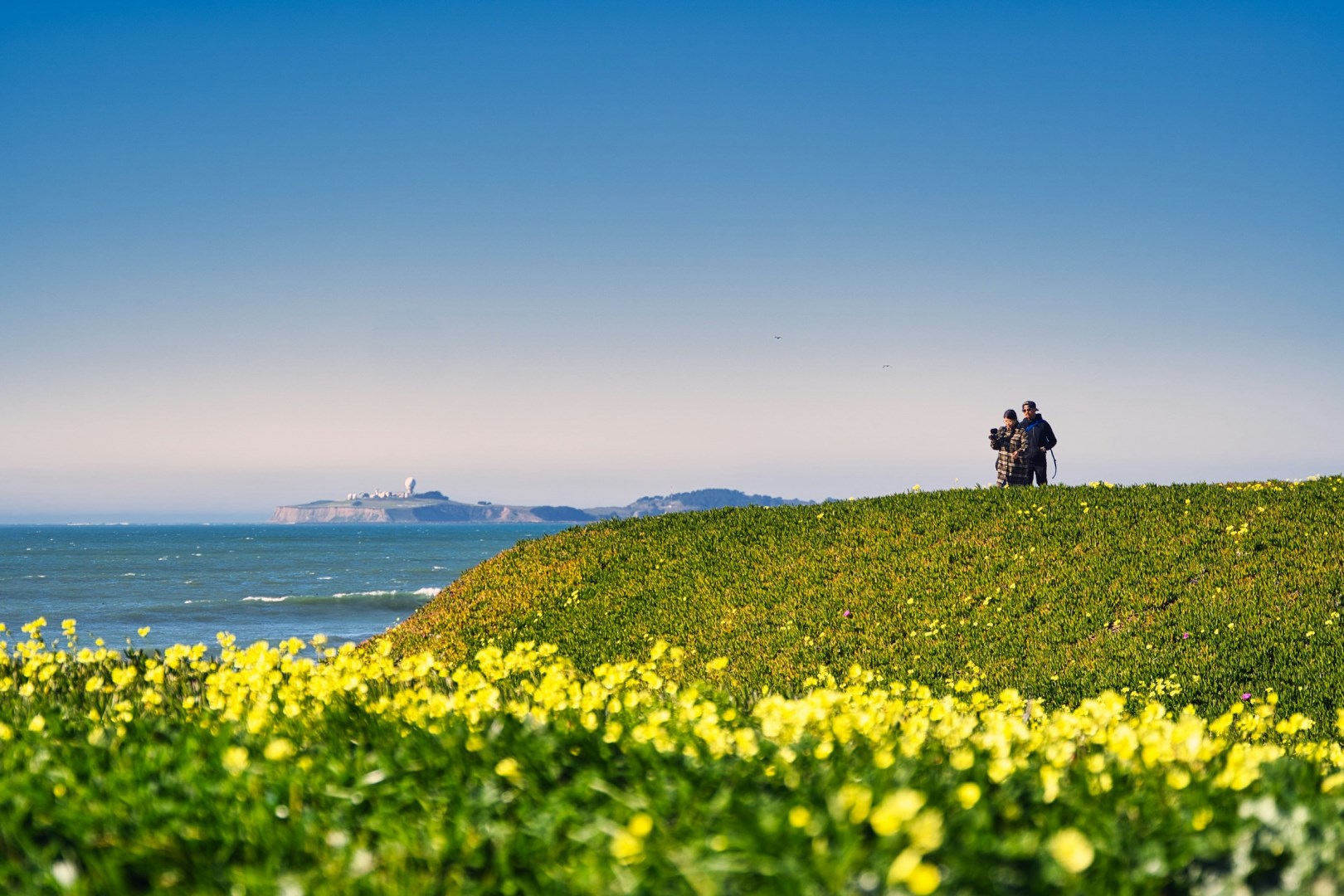
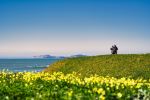
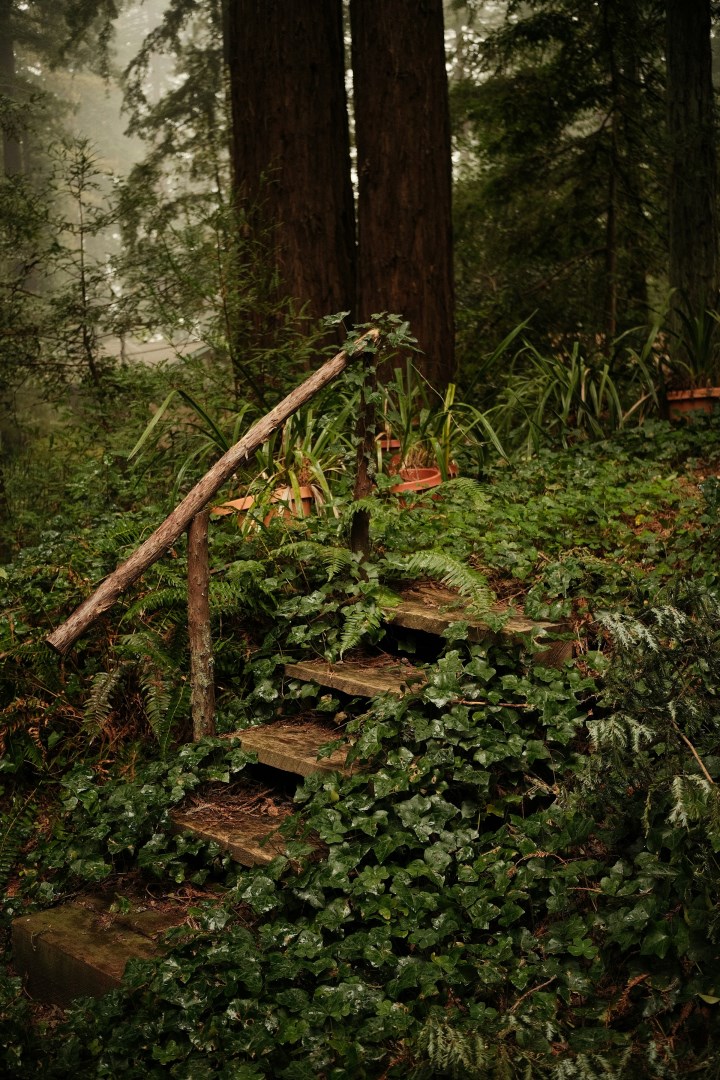
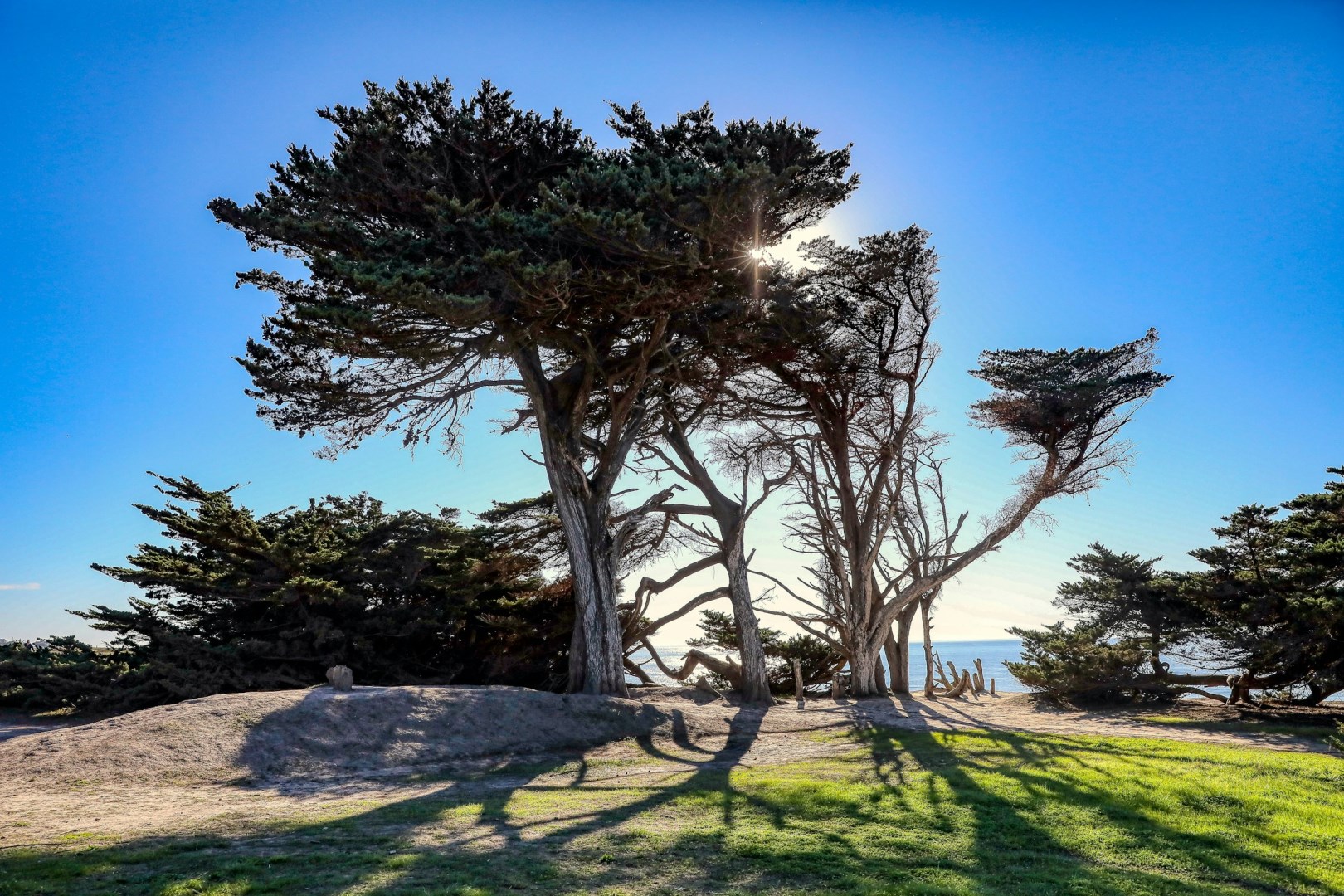
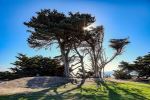
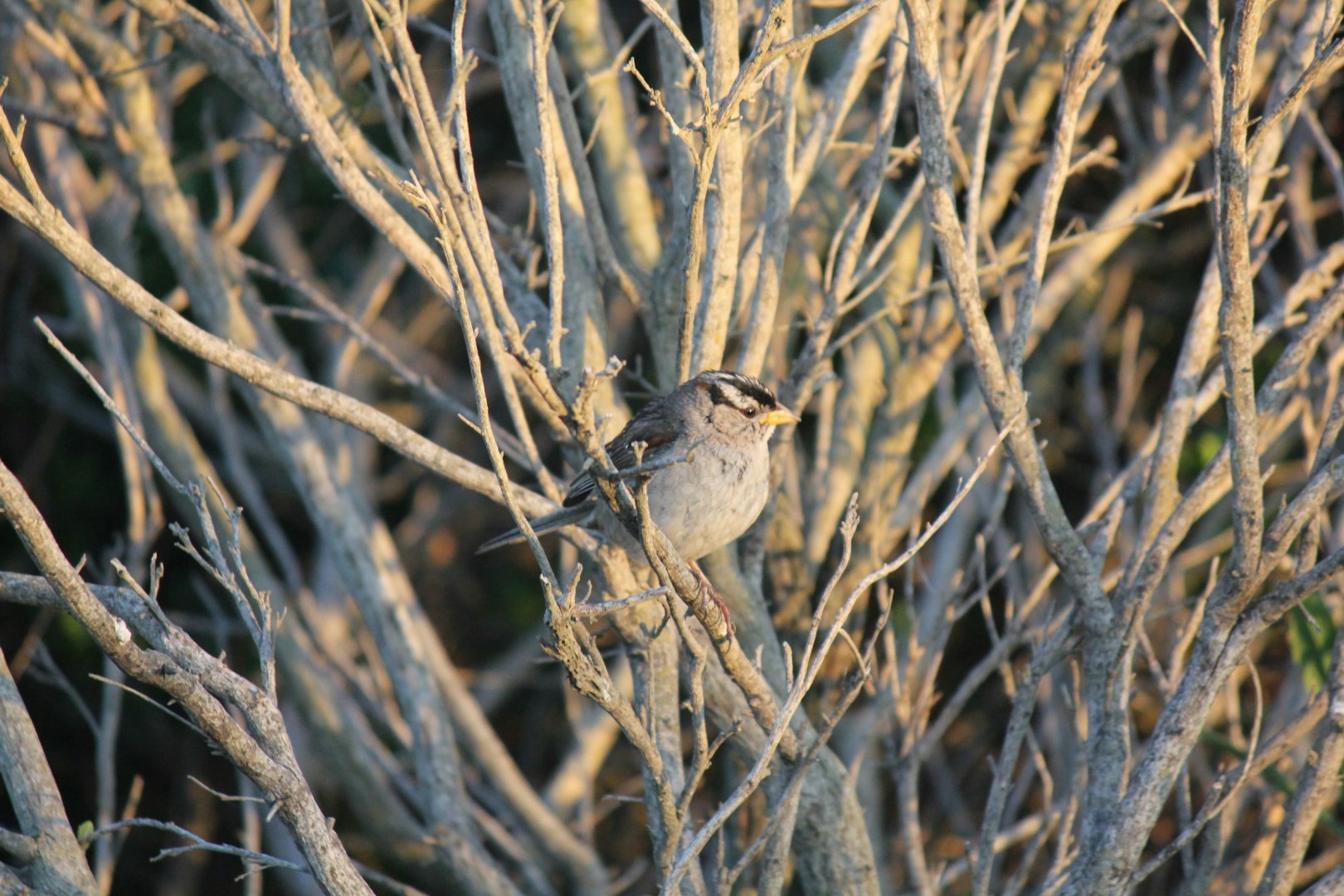
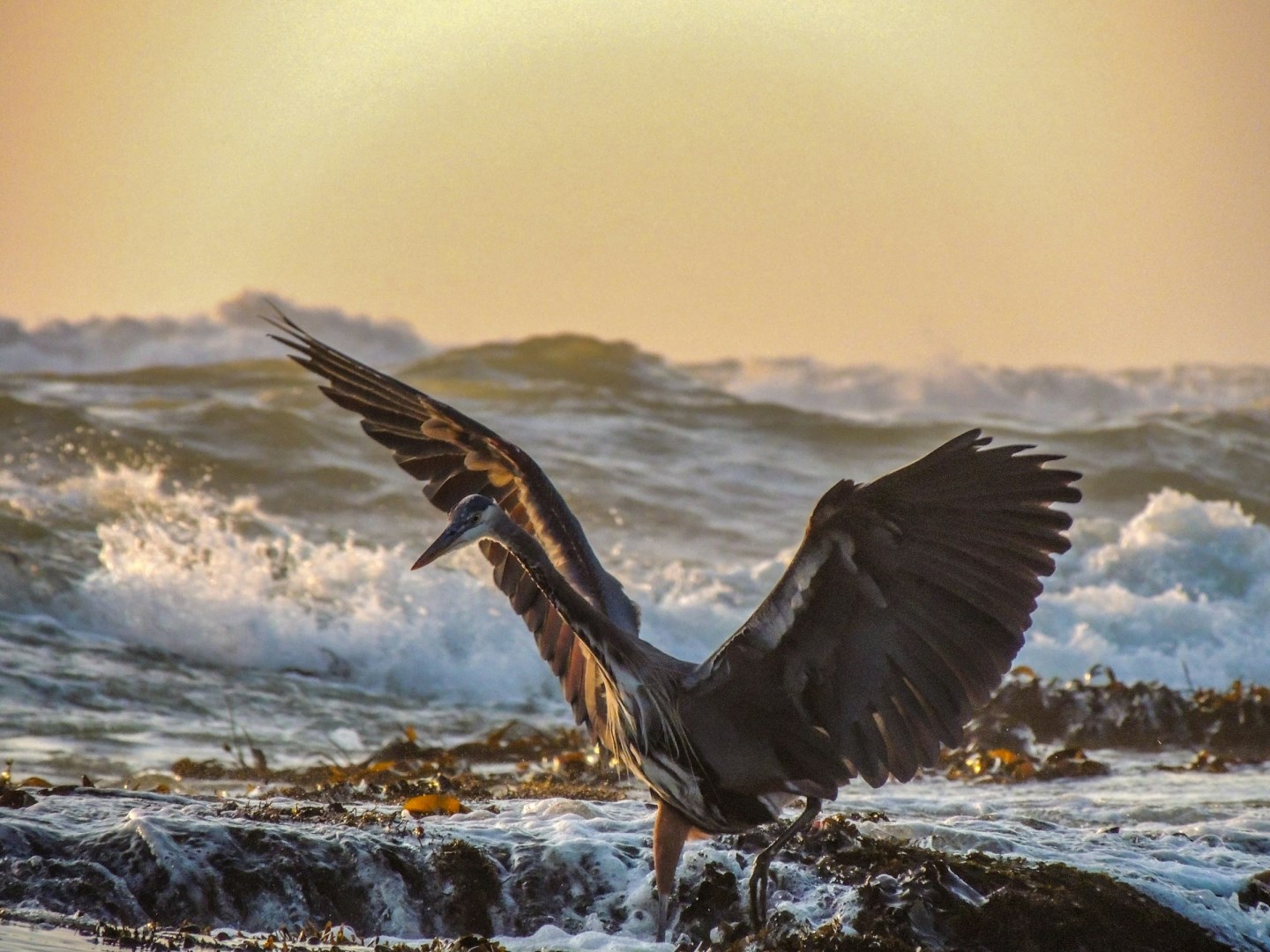

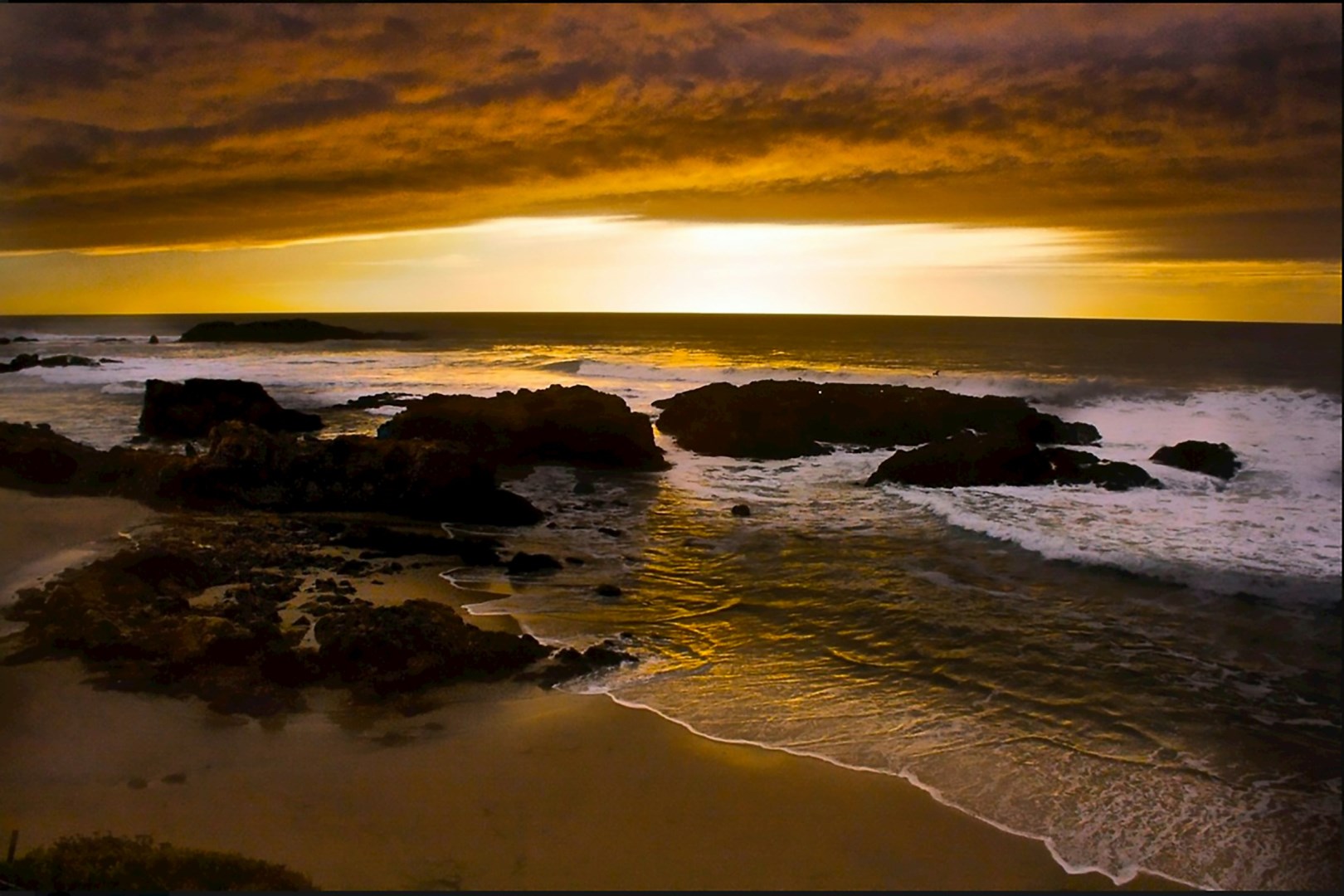
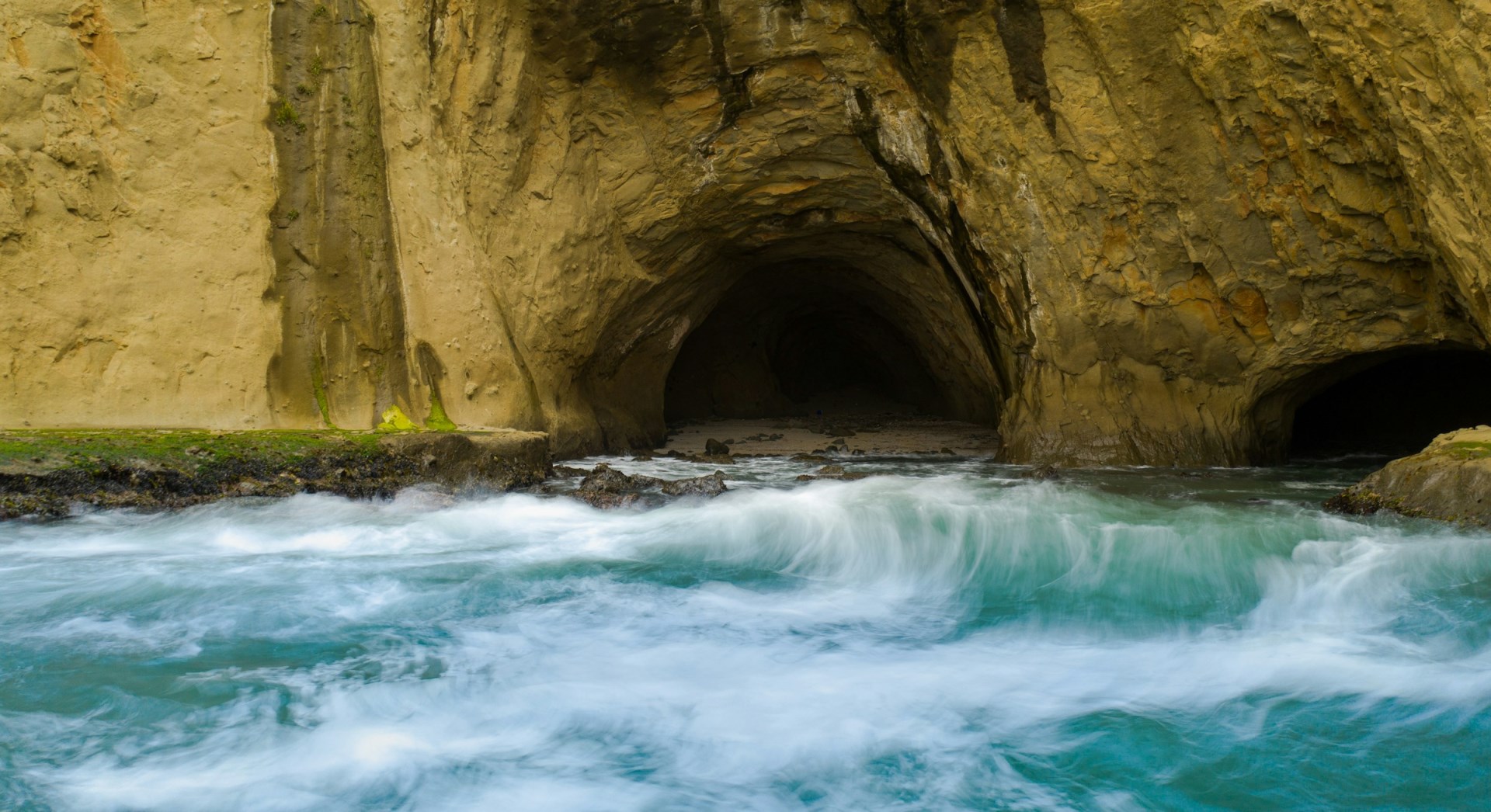
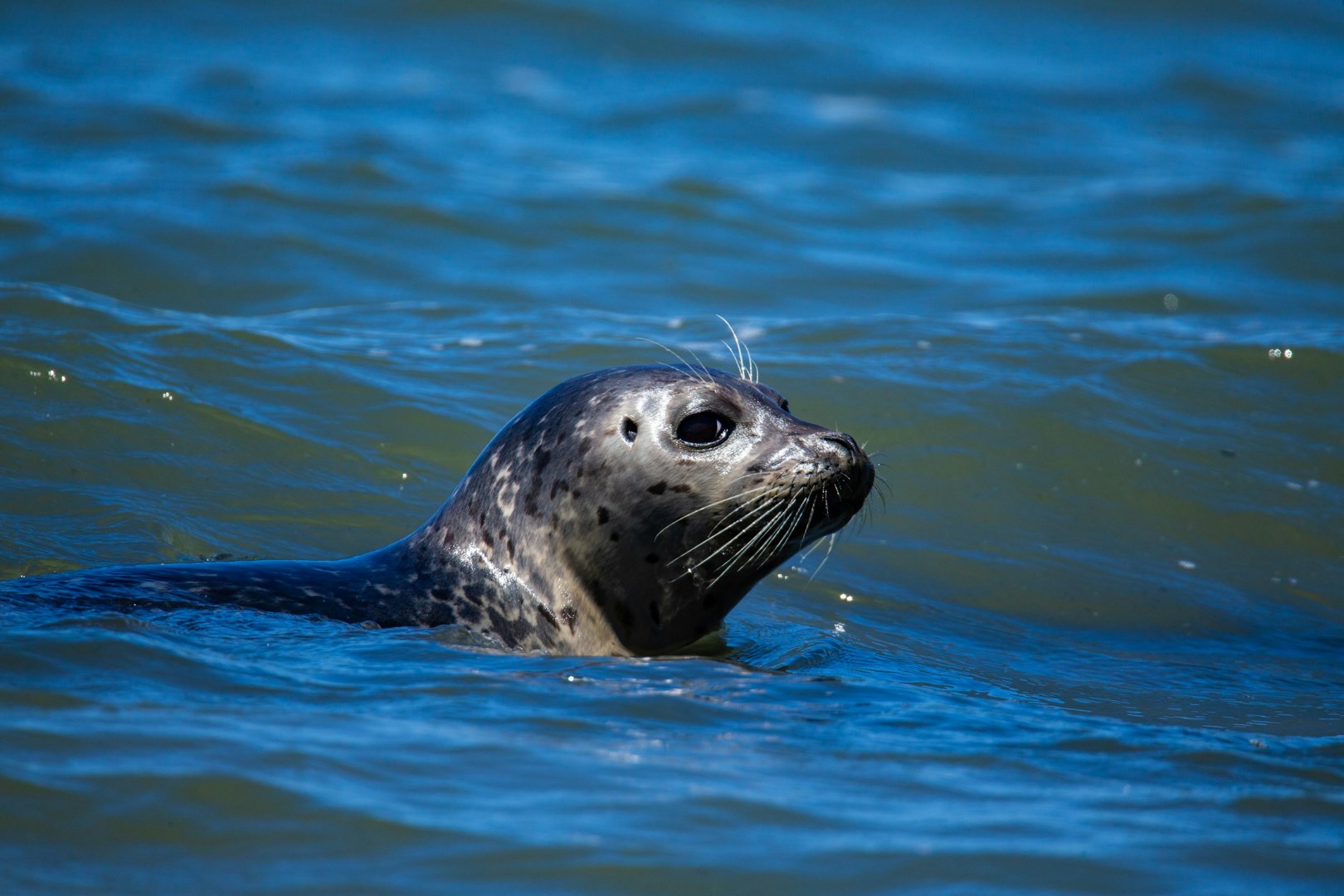
Half Moon Bay is a coastal city on California’s San Mateo County coast, located south of San Francisco along a broad curve of the Pacific shoreline. The community is surrounded by agricultural land, coastal bluffs, sandy beaches, and rolling hills, with the Santa Cruz Mountains rising inland. Its historic downtown, known as Main Street, contains locally owned shops, restaurants, galleries, and buildings that reflect the area’s agricultural past. The coastline includes several beaches and protected open spaces, while the nearby farmland is an important part of the region’s landscape and economy.
Half Moon Bay has a long history connected to the Ohlone peoples, who lived along the central California coast before European settlement. Spanish and Mexican land use later gave way to farming, ranching, and commercial fishing, with the fertile coastal plain becoming known for crops suited to the cool maritime climate. The historic Purissima area preserves remnants of an earlier settlement, while Main Street reflects the community’s later agricultural development. Today, Half Moon Bay continues to maintain a strong connection to farming, with fields and nurseries occupying much of the land surrounding the city.
The coastline provides Half Moon Bay’s main natural attractions. Half Moon Bay State Beach stretches along several miles of shoreline and includes sandy beaches, dunes, coastal trails, and views across the Pacific. Fitzgerald Marine Reserve, north of the city in nearby Moss Beach, protects rocky intertidal habitat where visitors can observe sea stars, anemones, crabs, and other tide-pool species during suitable tidal conditions. Pillar Point Harbor is an important center for commercial and recreational fishing, while nearby Mavericks is known for powerful winter waves that attract experienced big-wave surfers and international attention.
Food in Half Moon Bay reflects the surrounding agricultural land and Pacific waters. The area is particularly associated with pumpkins, which are grown on local farms and celebrated during the annual Half Moon Bay Art & Pumpkin Festival. Restaurants and markets also feature seafood, locally grown vegetables, berries, and other products from the coastal farming region. The city’s combination of farmland and ocean is especially visible along Highway 1, where agricultural fields sit close to beaches and rocky headlands. This close relationship between farming, fishing, and coastal recreation gives Half Moon Bay a distinctive character within the San Francisco Bay Area.
Other Popular Destinations in California