

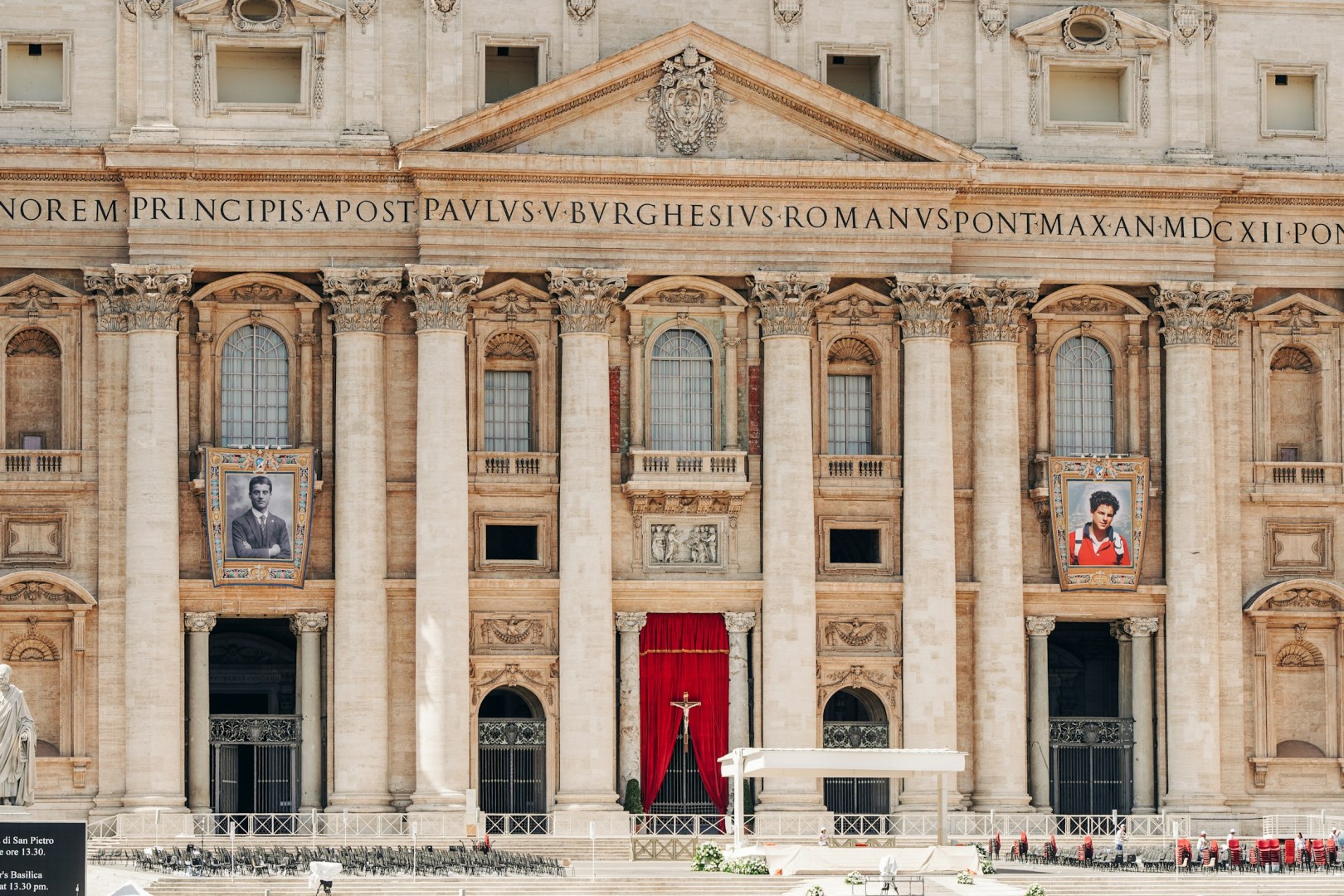

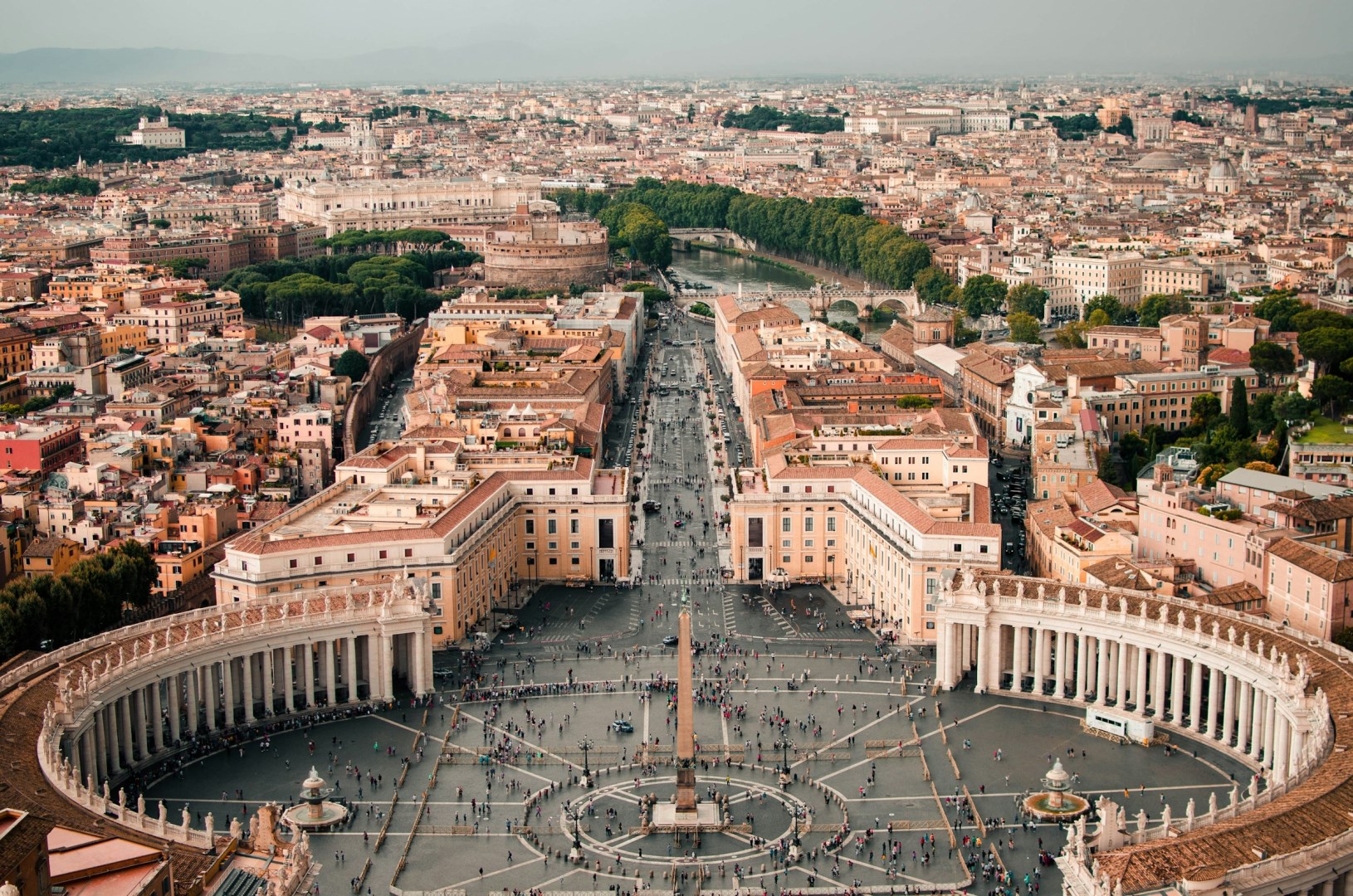
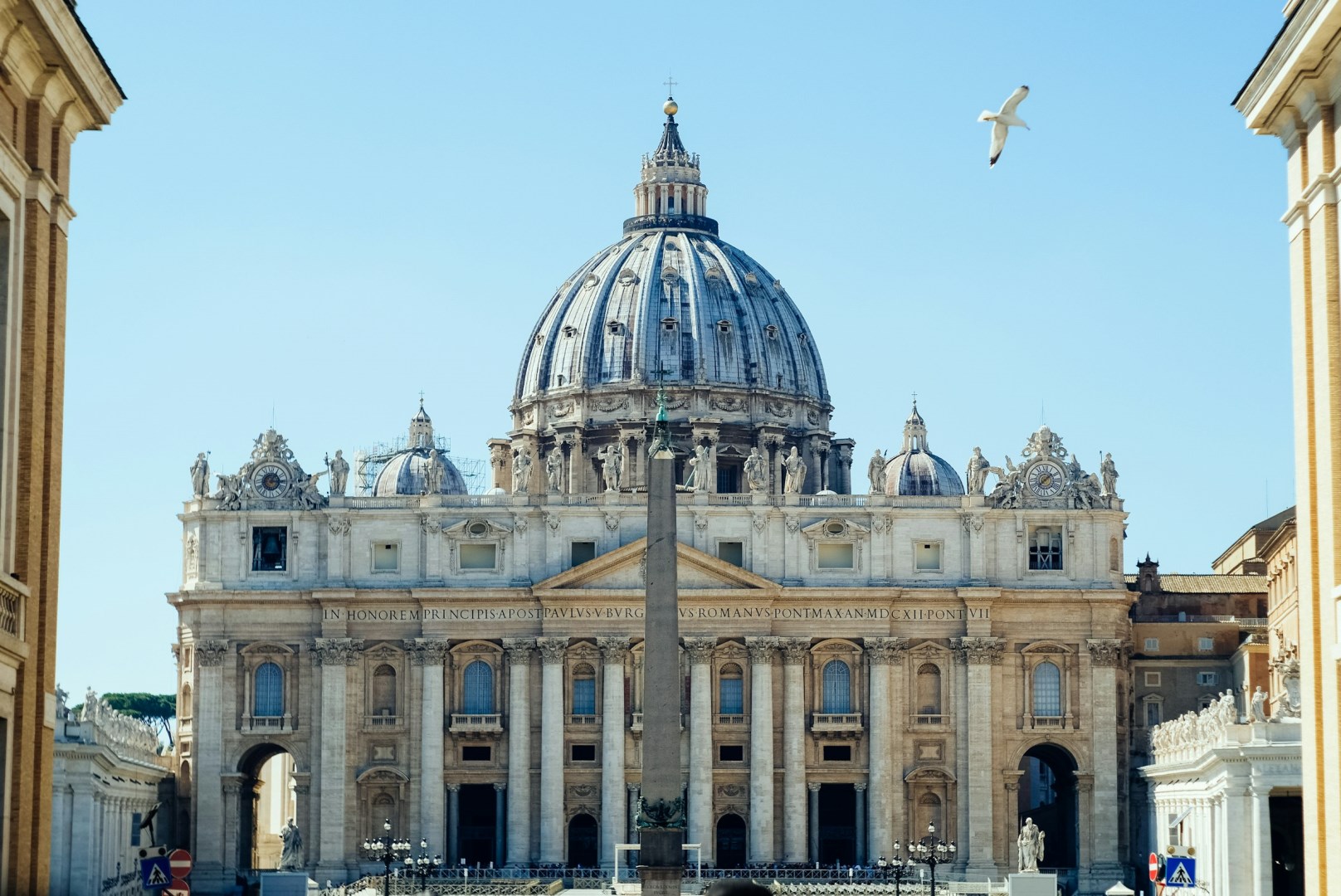
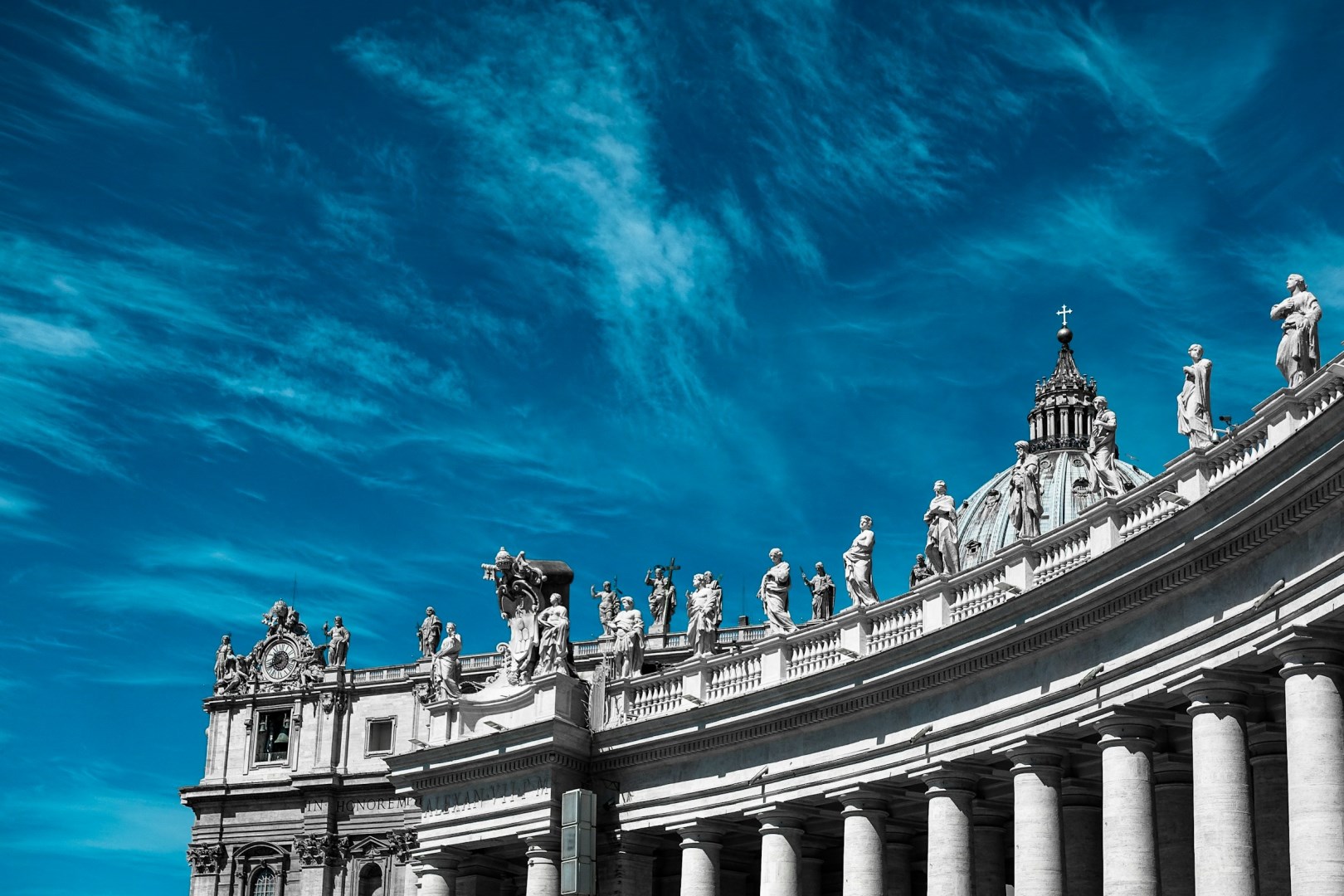
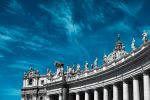
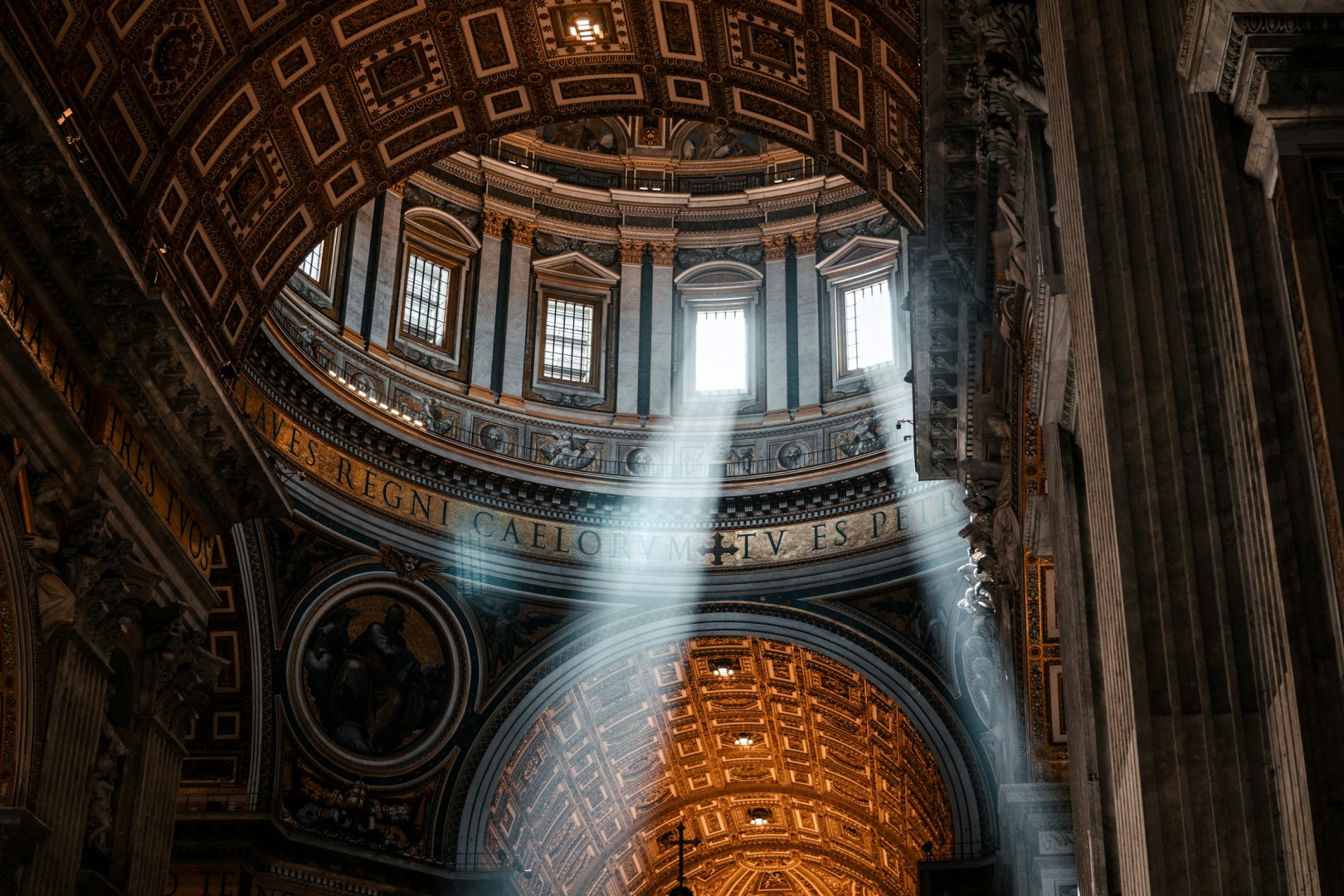
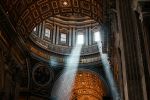
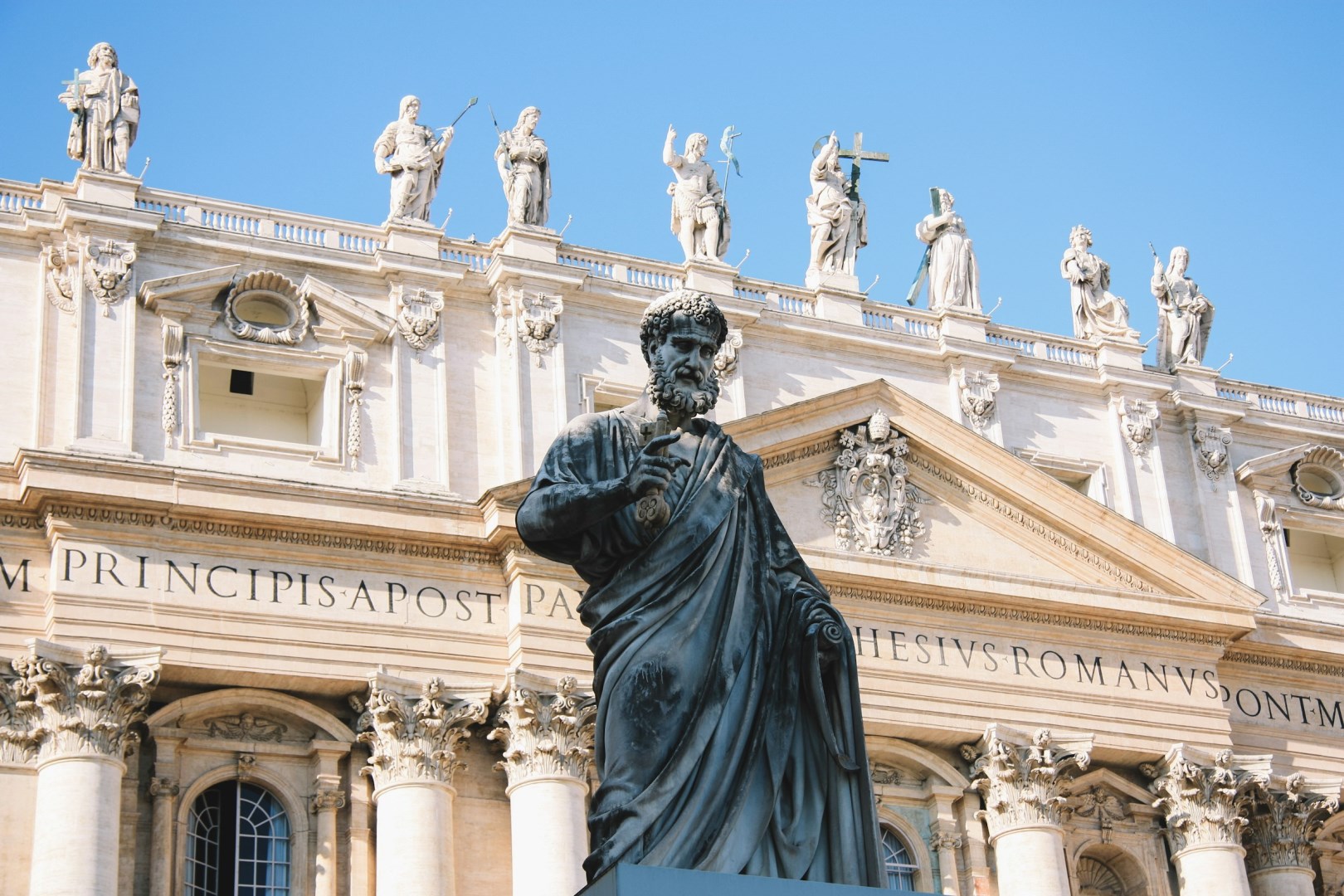
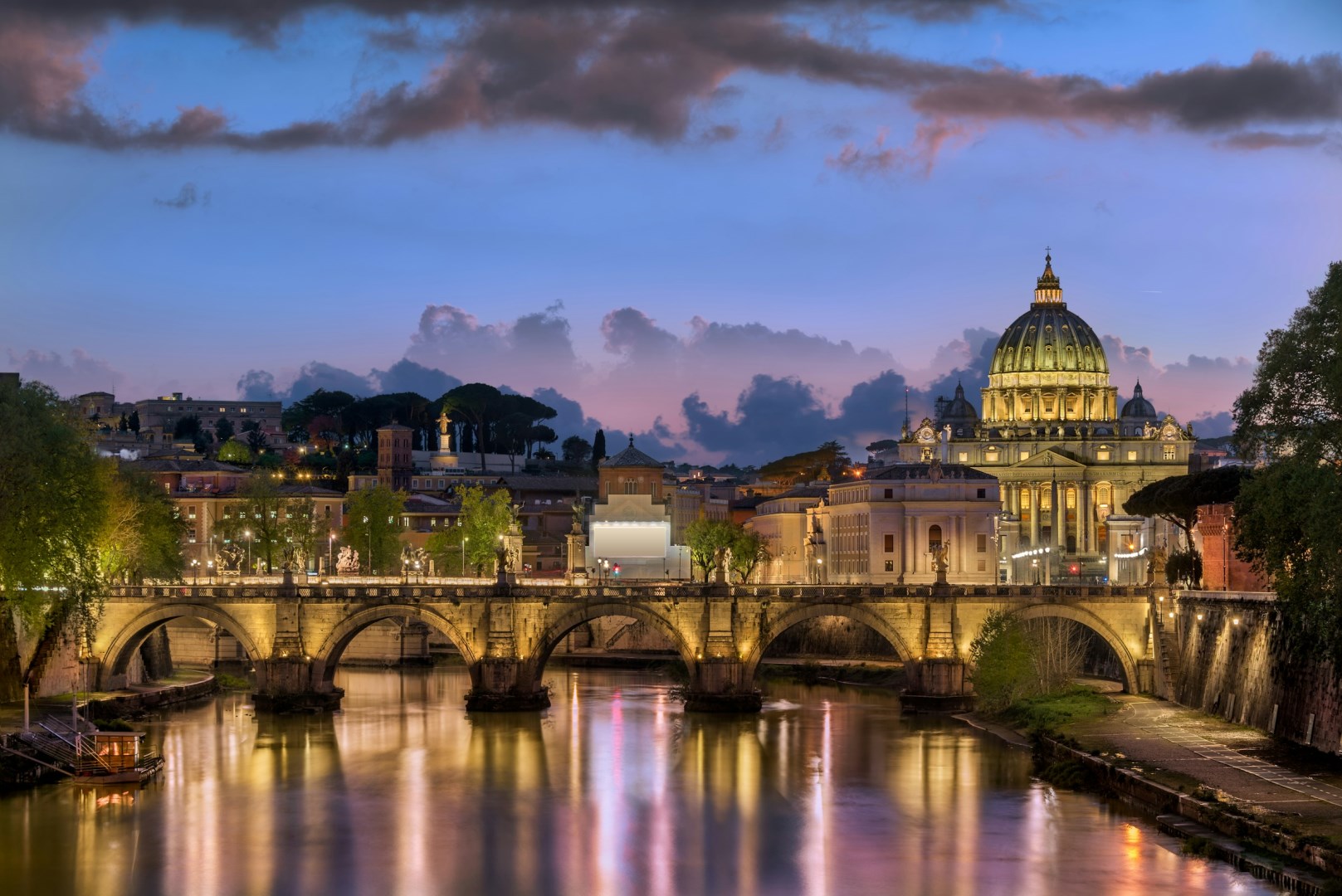
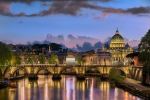
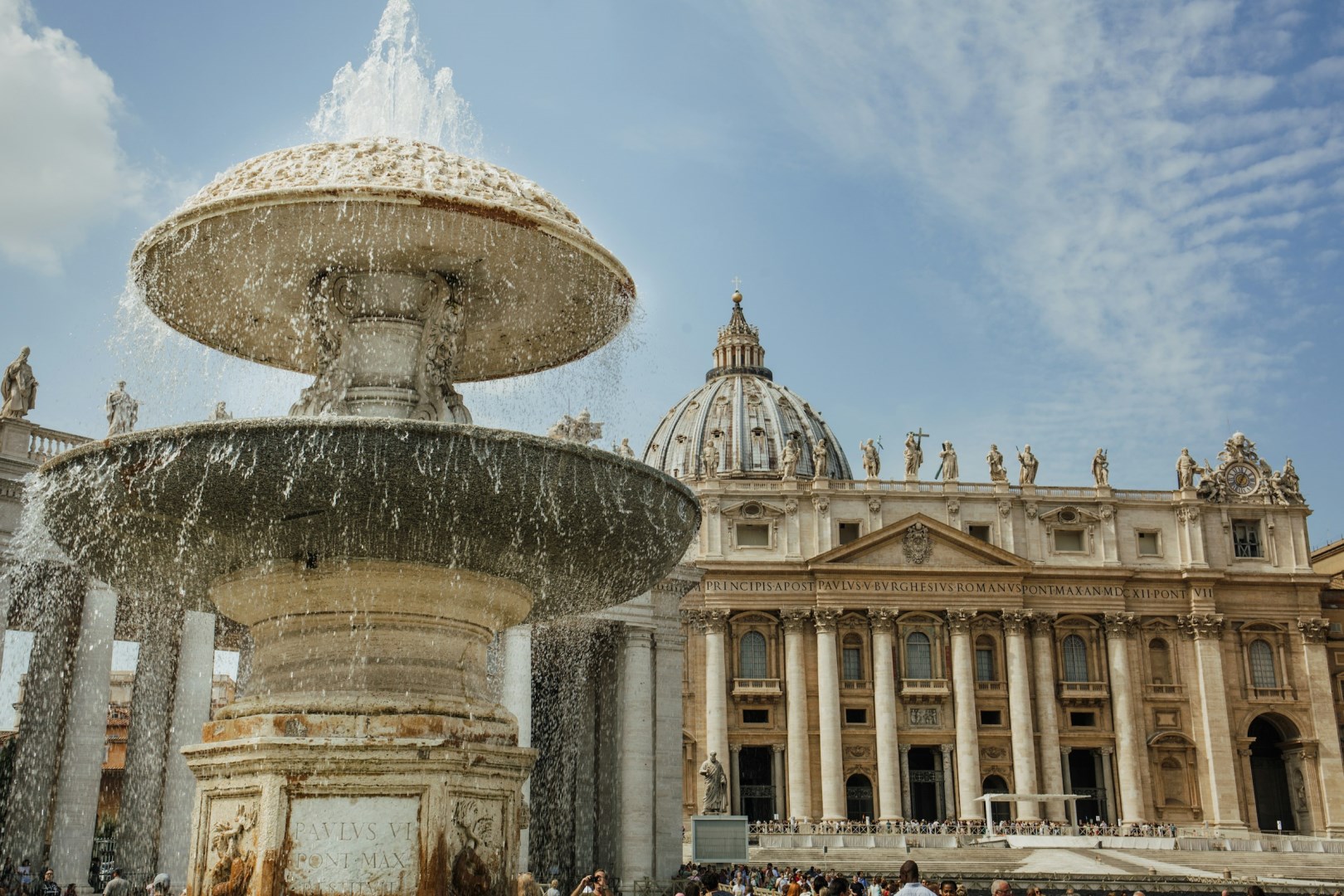
Vatican City is a sovereign city-state enclosed within Rome and the smallest independent state in the world by territory. Its compact area contains major religious, artistic, and architectural landmarks associated with the Catholic Church. At its center is St Peter’s Square, framed by the sweeping colonnade designed by Gian Lorenzo Bernini and leading to St Peter’s Basilica, built over the traditional site of the tomb of the Apostle Peter. The state also serves as the administrative center of the Holy See, giving this very small territory an international role far beyond its physical size.
Religious tradition is central to Vatican City’s identity, with St Peter’s Basilica serving as a major pilgrimage destination and the Pope residing and working within the Vatican complex. The Pontifical Swiss Guard provides security for the Pope and the state, recognizable by its distinctive ceremonial uniforms. The Vatican also maintains its own flag, postage stamps, coins, newspaper, radio service, and administrative institutions. Its cultural identity is closely tied to the preservation of Christian traditions, sacred art, manuscripts, and architecture, while the daily movement of pilgrims and visitors gives the small state a distinctive public presence.
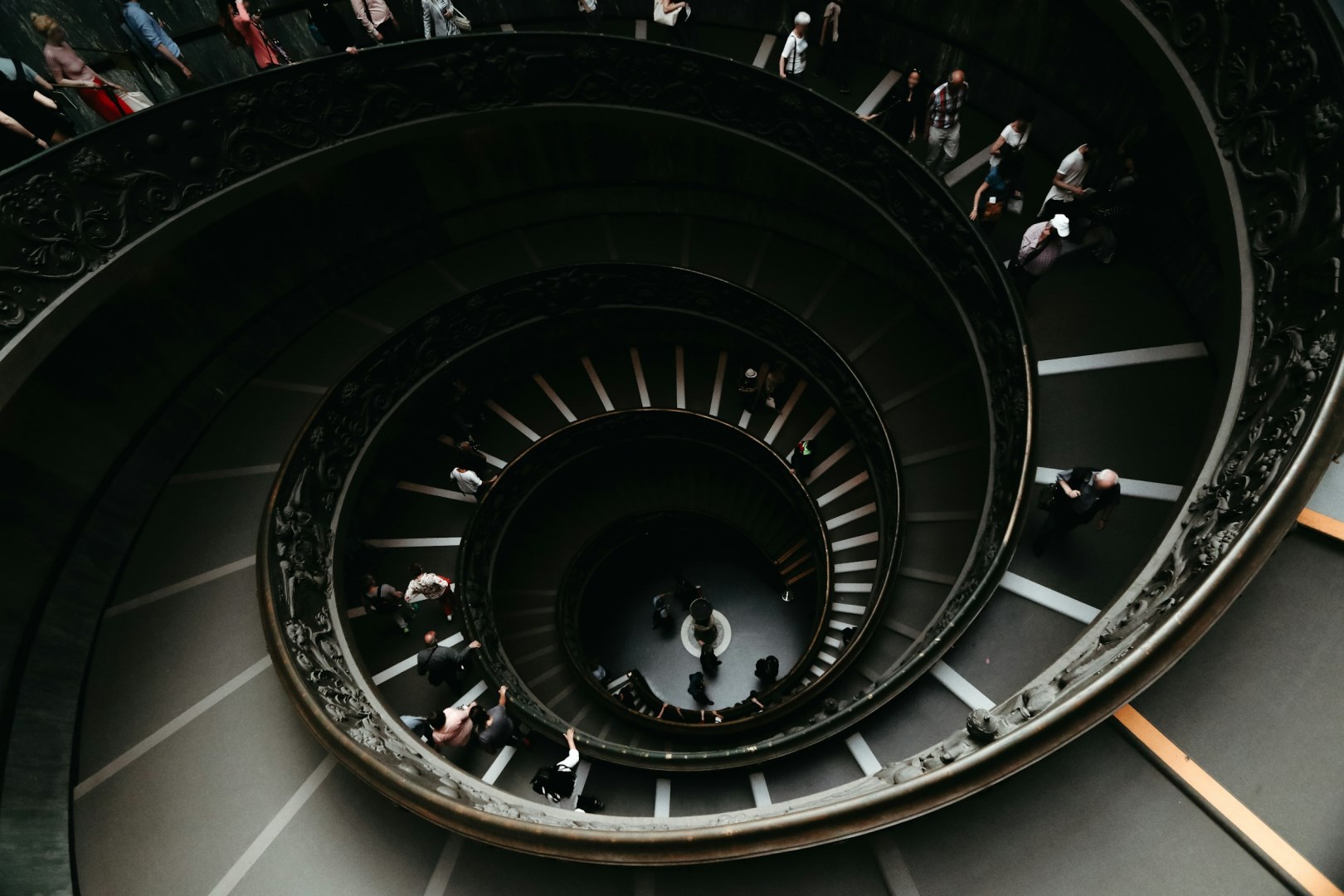
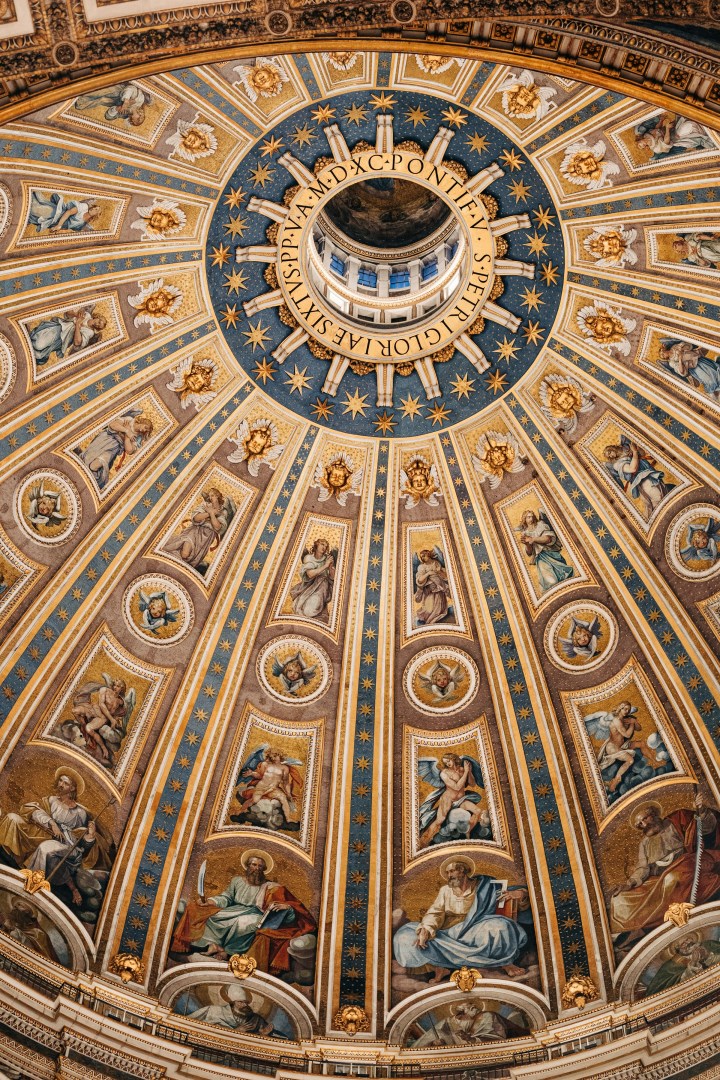
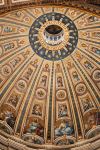
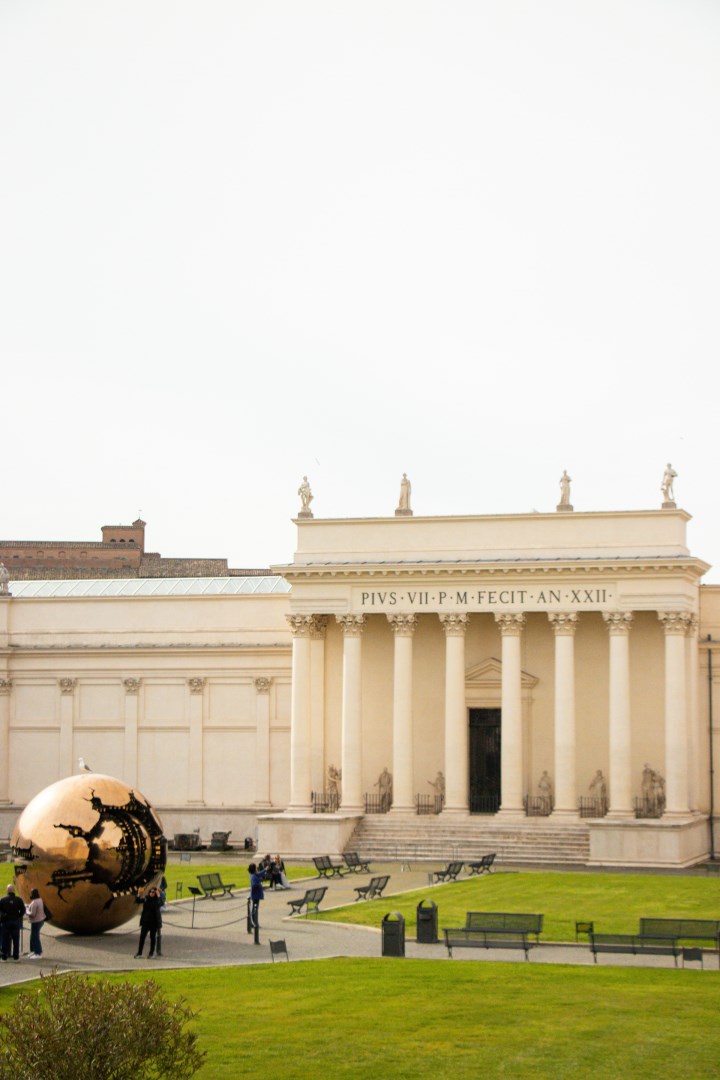
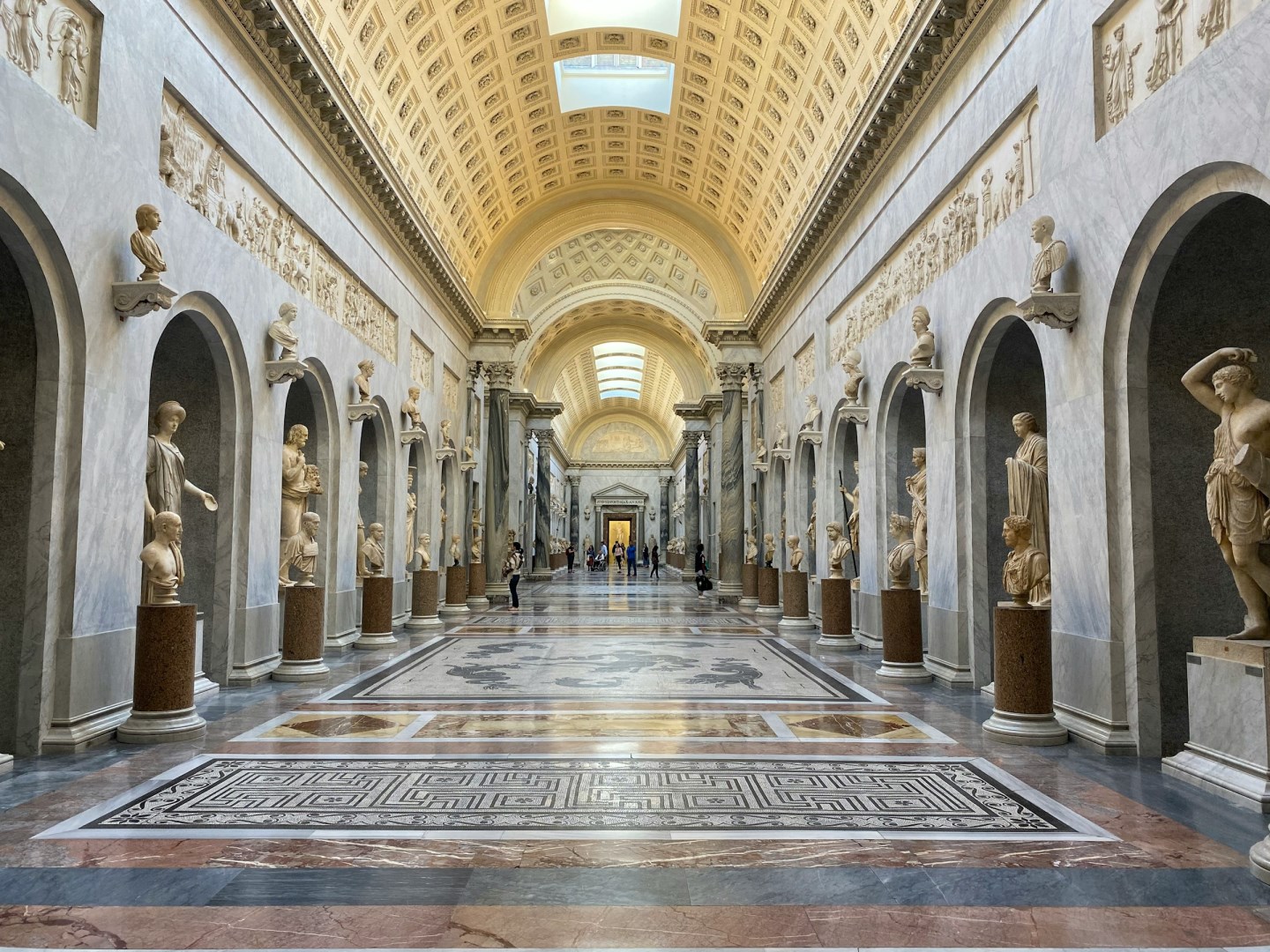
The Vatican Museums contain extensive collections of sculpture, painting, manuscripts, decorative arts, and archaeological objects assembled under papal patronage. Among their best-known spaces are the Raphael Rooms and the Sistine Chapel, whose ceiling and altar wall contain major frescoes by Michelangelo. St Peter’s Basilica provides another concentration of notable works, including Michelangelo’s Pietà and Bernini’s baldachin over the papal altar. Beyond the buildings, the Vatican Gardens occupy a substantial part of the territory and include formal gardens, wooded areas, fountains, chapels, and places associated with papal history.
Food is not the main focus of a visit to Vatican City, but the state has an interesting connection with cultivation through its gardens. A small vegetable garden beside the Mater Ecclesiae Monastery continues the tradition of growing produce within the Vatican. The territory itself covers only about 44 hectares, yet it contains gardens, museums, palaces, churches, administrative buildings, and archaeological remains. Beneath St Peter’s Basilica, visitors can find evidence of earlier structures and a Roman necropolis associated with the traditional location of Saint Peter’s burial. This concentration of religious, artistic, and archaeological features makes the Vatican unusually dense in cultural significance.
Learn More About Vatican City

Other Popular Destinations in Italy