

Africa | South Africa | Franschhoek


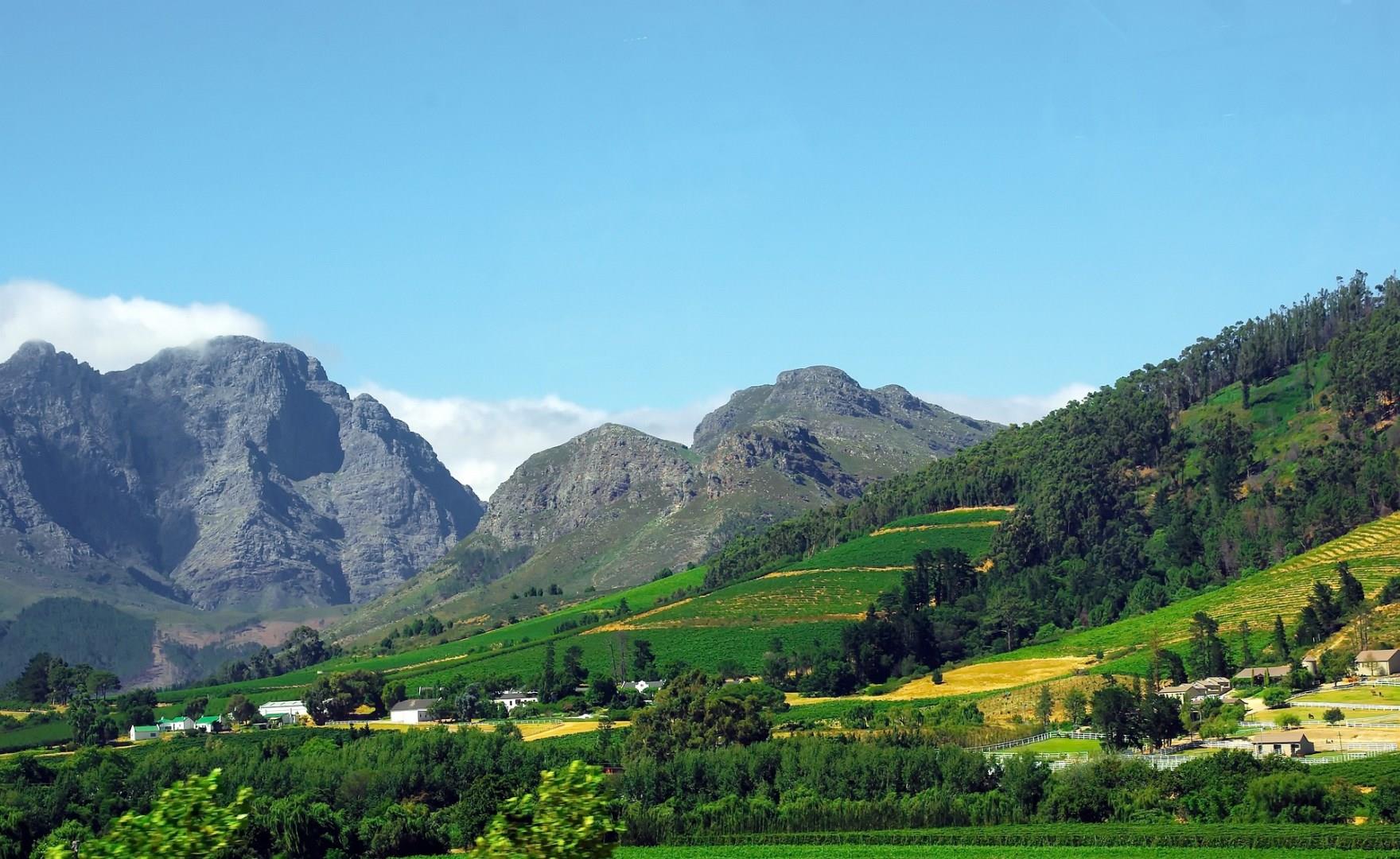

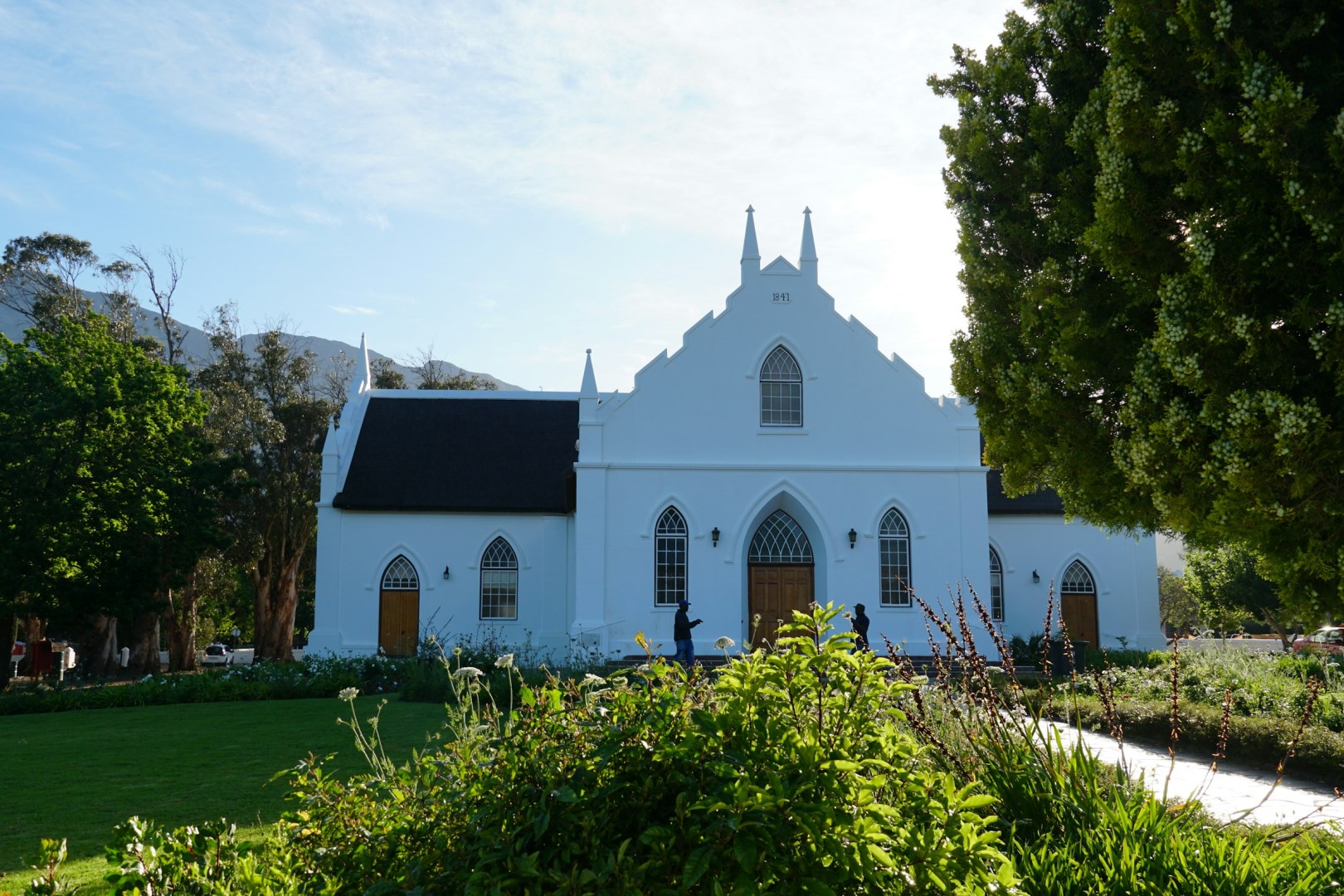


Nestled in the heart of South Africa’s Cape Winelands, Franschhoek is a charming village renowned for its exquisite vineyards and rich history. Founded by French Huguenots in the late 17th century, the village’s French heritage is palpable in its architecture, cuisine, and local culture. Wander through its picturesque streets and enjoy a blend of historic buildings and modern boutiques, or take a leisurely stroll through the Franschhoek Village Market, which features artisanal goods and fresh local produce.
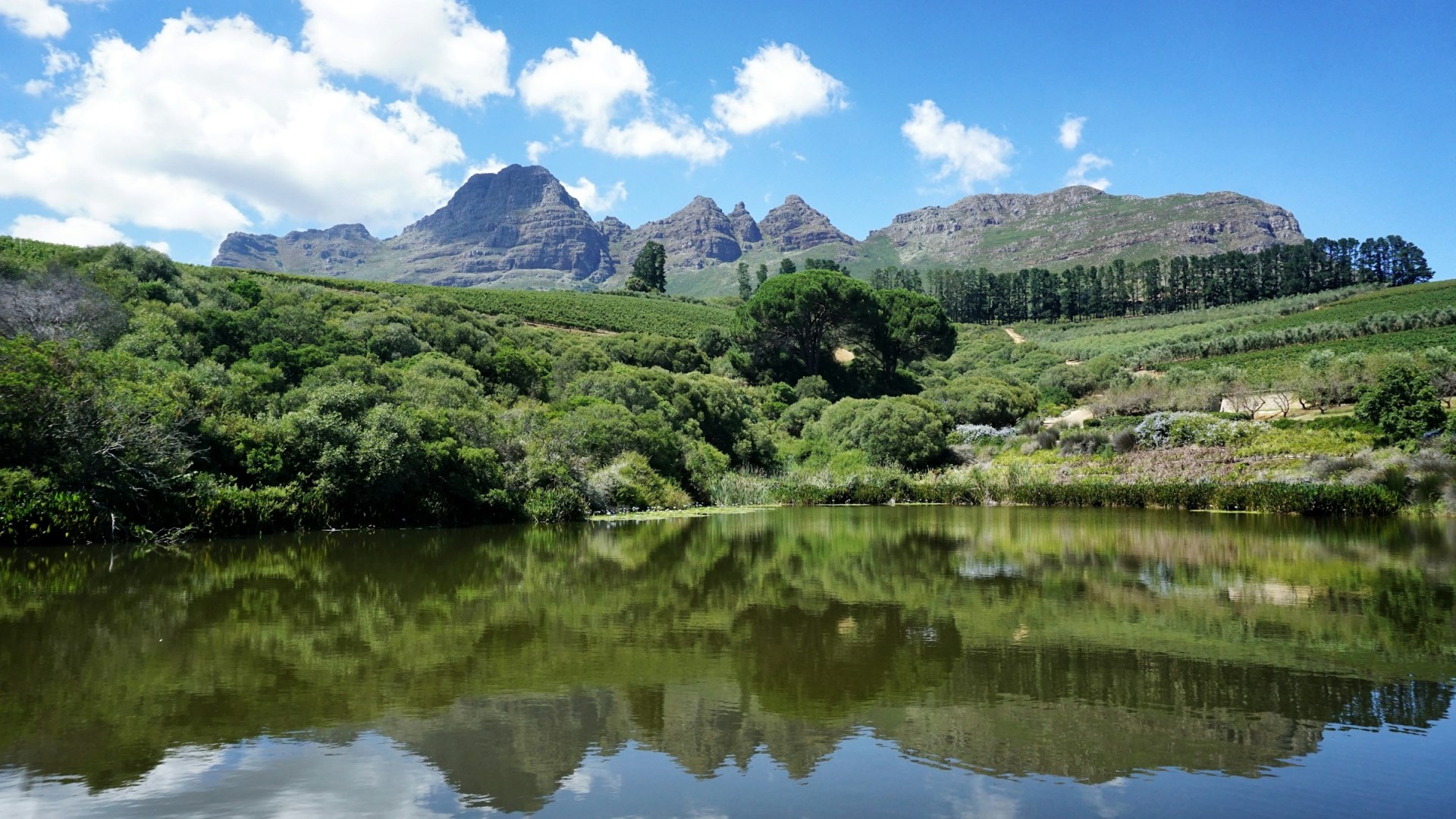
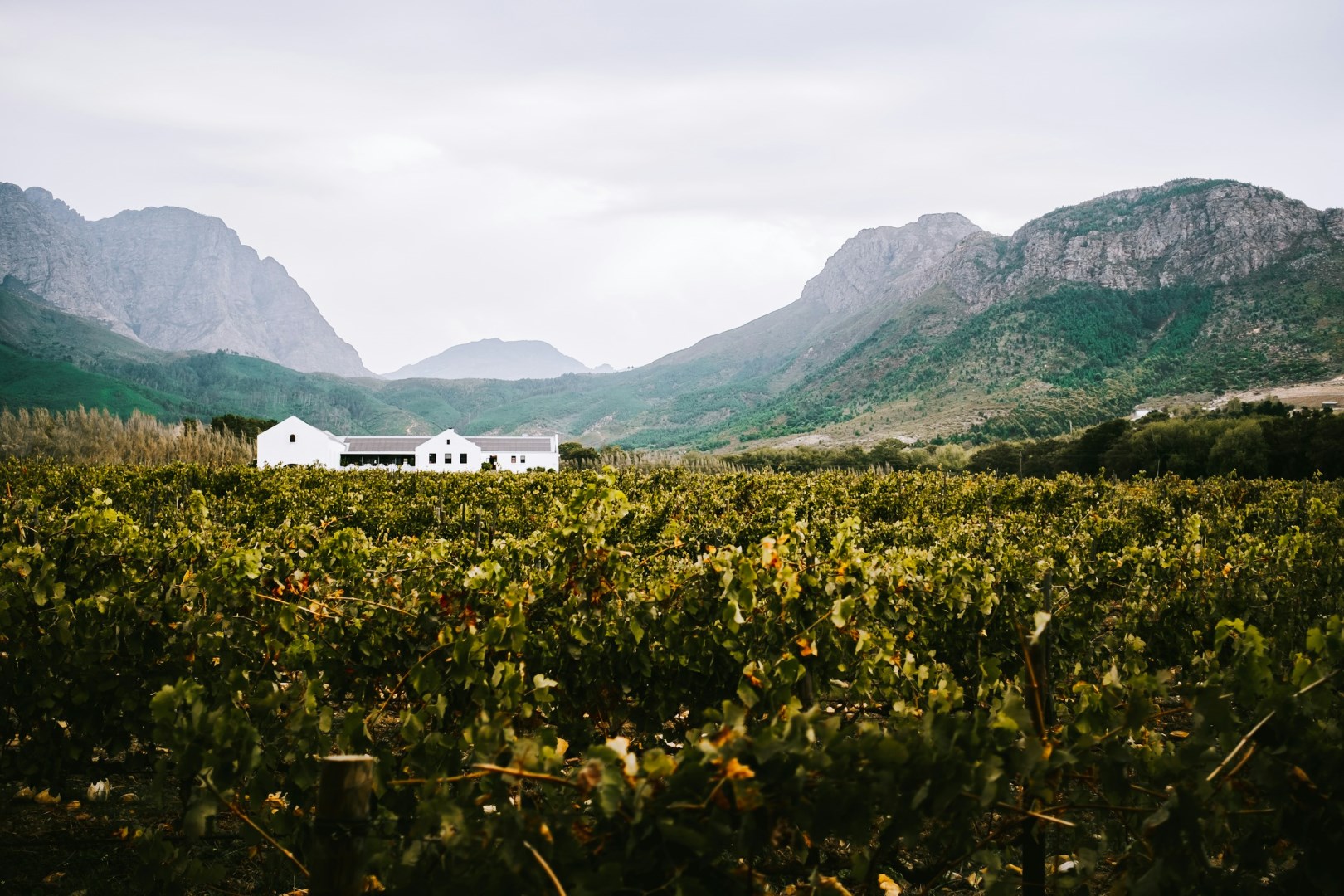
Franschhoek is a premier destination for wine enthusiasts. The region boasts some of South Africa’s most celebrated wine estates, including the historic La Motte and the elegant Boschendal. Tour the estates to sample award-winning wines and explore lush vineyards set against stunning mountain backdrops. For a unique experience, consider a wine tram tour, which allows you to hop on and off at various estates and savor the local vintages while soaking in the beautiful landscape.
The culinary scene in Franschhoek is equally impressive. Renowned for its gourmet restaurants and cafes, the village offers a gastronomic adventure with a focus on locally-sourced ingredients and innovative cuisine. Top dining spots include La Petite Colombe, which features fine dining with a contemporary twist, and the French-inspired Reubens Restaurant. Don’t miss the annual Franschhoek Bastille Festival, a vibrant celebration of French culture with wine, food, and live entertainment.
Fun fact: Franschhoek is also home to the Huguenot Memorial Museum, which provides insights into the lives of the Huguenots and their influence on South African culture. This museum, located in a tranquil garden setting, offers a fascinating look into the village’s origins and is a must-visit for history buffs.
Franschhoek is a premier destination for wine enthusiasts. The region boasts some of South Africa’s most celebrated wine estates, including the historic La Motte and the elegant Boschendal. Tour the estates to sample award-winning wines and explore lush vineyards set against stunning mountain backdrops. For a unique experience, consider a wine tram tour, which allows you to hop on and off at various estates and savor the local vintages while soaking in the beautiful landscape.
The culinary scene in Franschhoek is equally impressive. Renowned for its gourmet restaurants and cafes, the village offers a gastronomic adventure with a focus on locally-sourced ingredients and innovative cuisine. Top dining spots include La Petite Colombe, which features fine dining with a contemporary twist, and the French-inspired Reubens Restaurant. Don’t miss the annual Franschhoek Bastille Festival, a vibrant celebration of French culture with wine, food, and live entertainment.
Fun fact: Franschhoek is also home to the Huguenot Memorial Museum, which provides insights into the lives of the Huguenots and their influence on South African culture. This museum, located in a tranquil garden setting, offers a fascinating look into the village’s origins and is a must-visit for history buffs.
Other Popular Destinations in South Africa

Cape Town, located at the southern tip of South Africa, is one of the world’s most striking coastal cities. Towering over it is Table Mountain, a flat-topped landmark that can be reached by cable car or on foot, offering sweeping views of the city, ocean, and beyond.