



East and Southeast Asia | Japan | Kagoshima



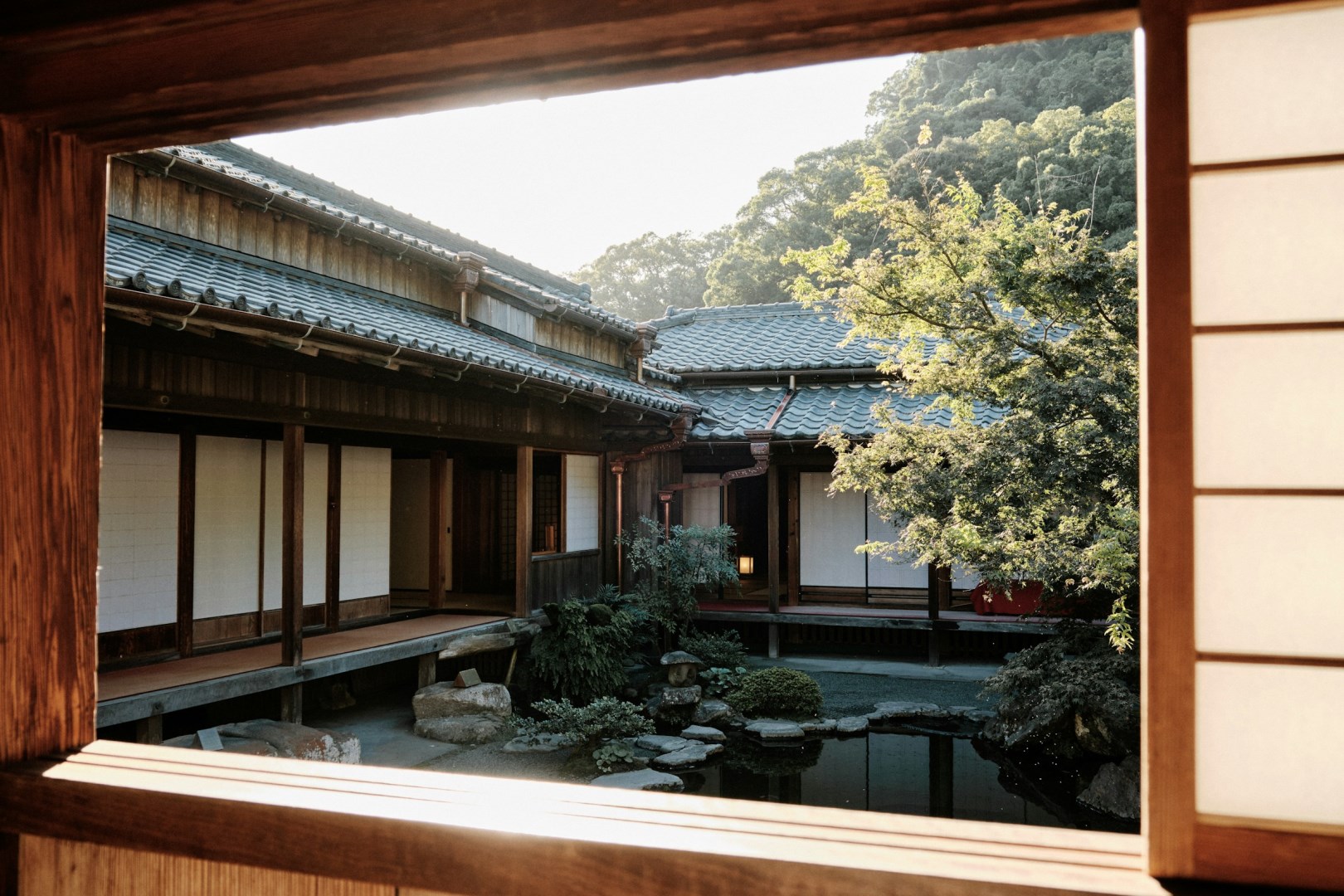
Kagoshima, Japan offers a captivating blend of natural beauty, cultural heritage, and culinary delights. Nestled on the southwestern tip of Kyushu, this city is famously dominated by the imposing Sakurajima volcano, one of Japan’s most active volcanoes. Visitors can take a ferry to get up close to the volcano or view it from the Kagoshima City Viewpoint for breathtaking panoramic views.
In addition to its volcanic charm, Kagoshima is renowned for its historic Sengan-en Garden, an exquisite traditional Japanese garden and former feudal lord’s residence. The garden features beautifully landscaped grounds, traditional tea houses, and scenic views of Sakurajima. For a deep dive into Kagoshima’s rich history and culture, a visit to the Sengan-en Garden official site will provide detailed information.
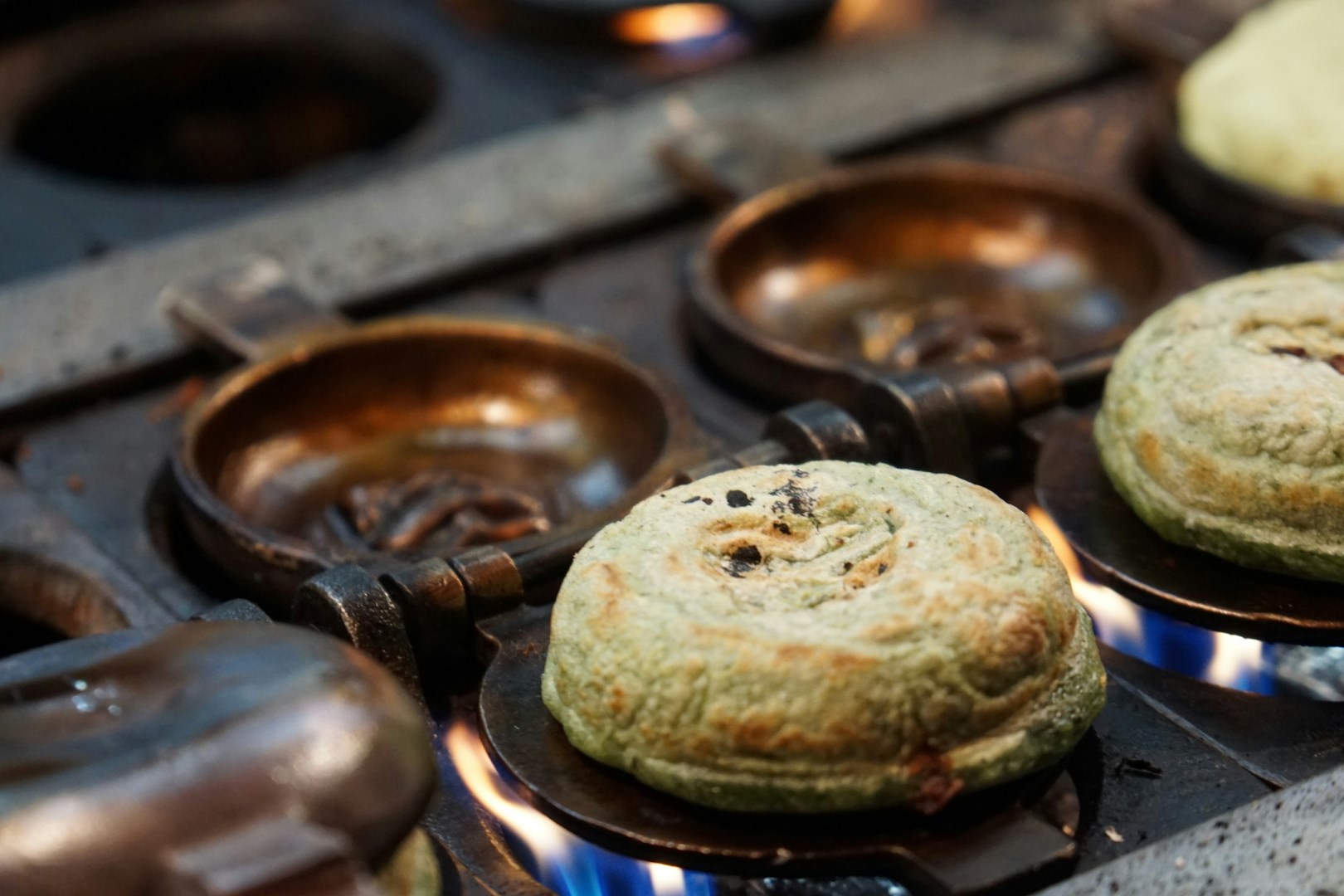
Culinary enthusiasts will find delight in Kagoshima's local specialties, including kurobuta pork and satsuma-age (deep-fried fish cakes). The city’s vibrant markets and restaurants showcase these delicacies, making it a food lover’s paradise. Discover more about Kagoshima’s food culture on the Kagoshima Gourmet Guide.
Fun Fact: Kagoshima is also known for its hot springs or onsen, with many resorts offering relaxing hot spring baths with views of the active volcano. Soaking in these natural springs is a perfect way to unwind after exploring the city’s many attractions.
In addition to its volcanic charm, Kagoshima is renowned for its historic Sengan-en Garden, an exquisite traditional Japanese garden and former feudal lord’s residence. The garden features beautifully landscaped grounds, traditional tea houses, and scenic views of Sakurajima. For a deep dive into Kagoshima’s rich history and culture, a visit to the Sengan-en Garden official site will provide detailed information.
Culinary enthusiasts will find delight in Kagoshima's local specialties, including kurobuta pork and satsuma-age (deep-fried fish cakes). The city’s vibrant markets and restaurants showcase these delicacies, making it a food lover’s paradise. Discover more about Kagoshima’s food culture on the Kagoshima Gourmet Guide.
Fun Fact: Kagoshima is also known for its hot springs or onsen, with many resorts offering relaxing hot spring baths with views of the active volcano. Soaking in these natural springs is a perfect way to unwind after exploring the city’s many attractions.
Other Popular Destinations in Japan

Shopping, historic temples, lush green spaces and exceptional dining are all part of Tokyo, the capital of Japan. This spectacular, highly populated metropolis holds unlimited options for tourists.

