


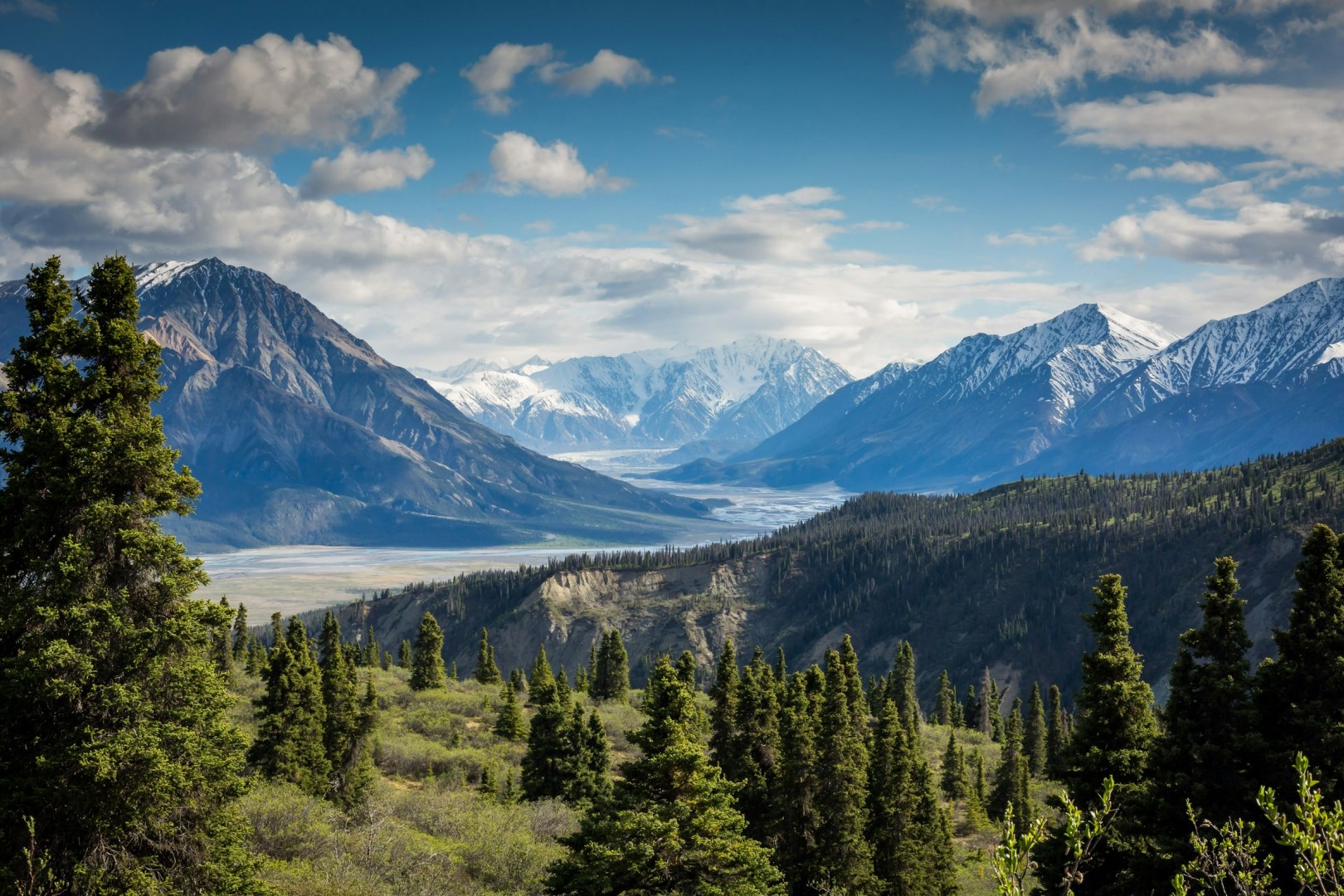
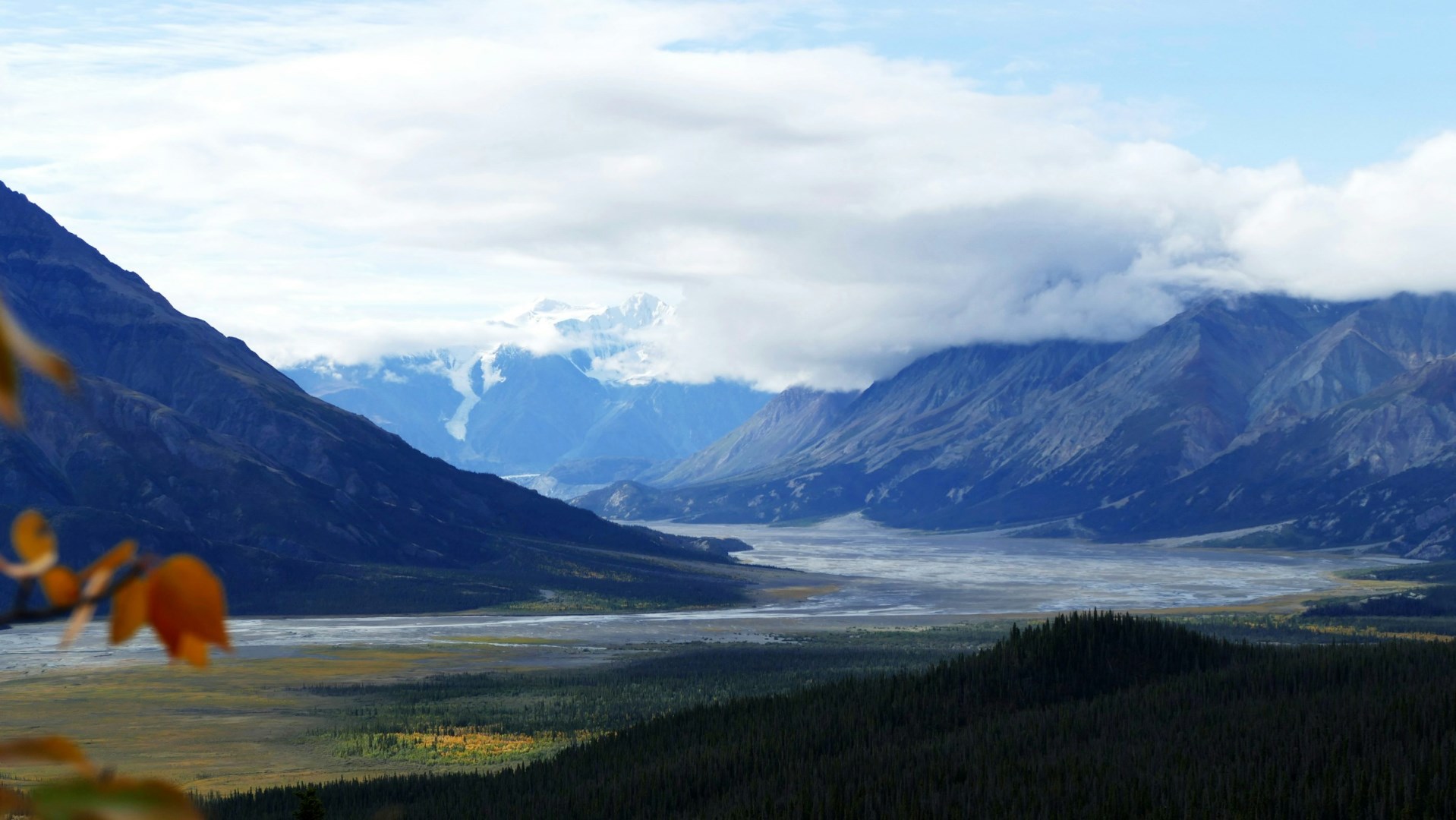
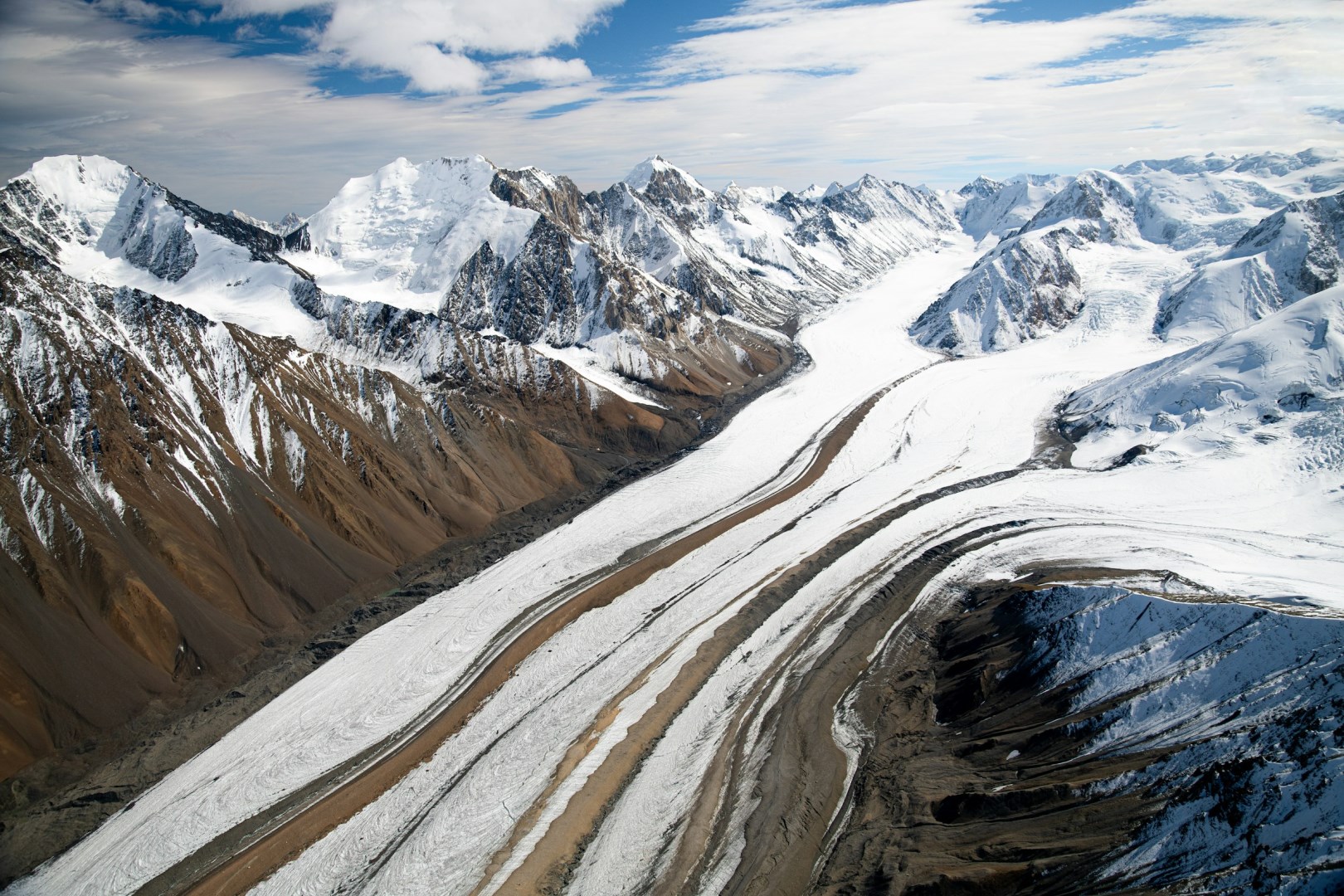
Kluane National Park, nestled in the southwest corner of Canada's Yukon Territory, is a breathtaking expanse of rugged wilderness that beckons adventurers and nature enthusiasts alike. This UNESCO World Heritage Site is home to some of the most stunning landscapes in North America, including the St. Elias Mountains and Mount Logan, the highest peak in Canada. The park’s dramatic terrain is sculpted by glaciers, vast icefields, and alpine valleys, offering visitors a chance to witness nature in its most raw and pristine form. Hiking trails like the King’s Throne or the challenging Donjek Route provide unparalleled views and the opportunity to encounter diverse wildlife such as grizzly bears, Dall sheep, and golden eagles.
The rich cultural history of Kluane is equally compelling. The area has been inhabited by the Southern Tutchone people for thousands of years, and their deep connection to the land is evident in the traditional knowledge and stories that have been passed down through generations. Visitors can explore this cultural heritage at the Da Kų Cultural Centre in Haines Junction, where exhibits and programs offer insights into the Southern Tutchone way of life and their relationship with the land .
Kluane is also a haven for those seeking unique outdoor experiences. Whether you're paddling along the serene waters of Kathleen Lake or embarking on a flightseeing tour over the expansive Icefield Ranges, the park offers countless opportunities to immerse yourself in its natural beauty. A fun fact: Kluane National Park is part of the largest internationally protected area on the planet, spanning across the Yukon, Alaska, and British Columbia, making it a symbol of cross-border cooperation in conservation.
For the best experience, visit Kluane in the summer months when the long daylight hours allow for extended exploration, and the weather is more favorable for outdoor activities. Whether you're drawn by the allure of its towering peaks, the tranquility of its lakes, or the rich cultural history, Kluane National Park promises an unforgettable journey into one of Canada's most awe-inspiring natural treasures.
The rich cultural history of Kluane is equally compelling. The area has been inhabited by the Southern Tutchone people for thousands of years, and their deep connection to the land is evident in the traditional knowledge and stories that have been passed down through generations. Visitors can explore this cultural heritage at the Da Kų Cultural Centre in Haines Junction, where exhibits and programs offer insights into the Southern Tutchone way of life and their relationship with the land .
Kluane is also a haven for those seeking unique outdoor experiences. Whether you're paddling along the serene waters of Kathleen Lake or embarking on a flightseeing tour over the expansive Icefield Ranges, the park offers countless opportunities to immerse yourself in its natural beauty. A fun fact: Kluane National Park is part of the largest internationally protected area on the planet, spanning across the Yukon, Alaska, and British Columbia, making it a symbol of cross-border cooperation in conservation.
For the best experience, visit Kluane in the summer months when the long daylight hours allow for extended exploration, and the weather is more favorable for outdoor activities. Whether you're drawn by the allure of its towering peaks, the tranquility of its lakes, or the rich cultural history, Kluane National Park promises an unforgettable journey into one of Canada's most awe-inspiring natural treasures.
Other Popular Destinations in Yukon

Whitehorse, the capital of Canada’s Yukon Territory, sits along the Yukon River and serves as the cultural, economic, and transportation heart of the North. Its history is closely tied to the Klondike Gold Rush of the late 1890s, when prospectors passed through the area on their way to Dawson City.

Located in the western part of the Yukon Territory Province of Canada, this area is on the Yukon River and famous as the gold mining area of the great Gold Rush. It is still an active mining area and also a popular tourist attraction as it has retained much of the look from the gold rush era.
