


Antarctica | Antarctica | Palmer Station

Palmer Island is part of the Palmer Archipelago, a group of mountainous islands off the northwest coast of the Antarctic Peninsula. The island lies among the channels and waterways of the region, where steep, ice-covered slopes meet cold coastal waters. Its landscape is shaped by glaciers, snowfields, rocky outcrops, and surrounding sea ice. The name Palmer Island is sometimes used in broader descriptions of the archipelago, so geographic references should be checked carefully when identifying a particular site or landing location. The wider island group is an important setting for Antarctic exploration, research, and wildlife observation.
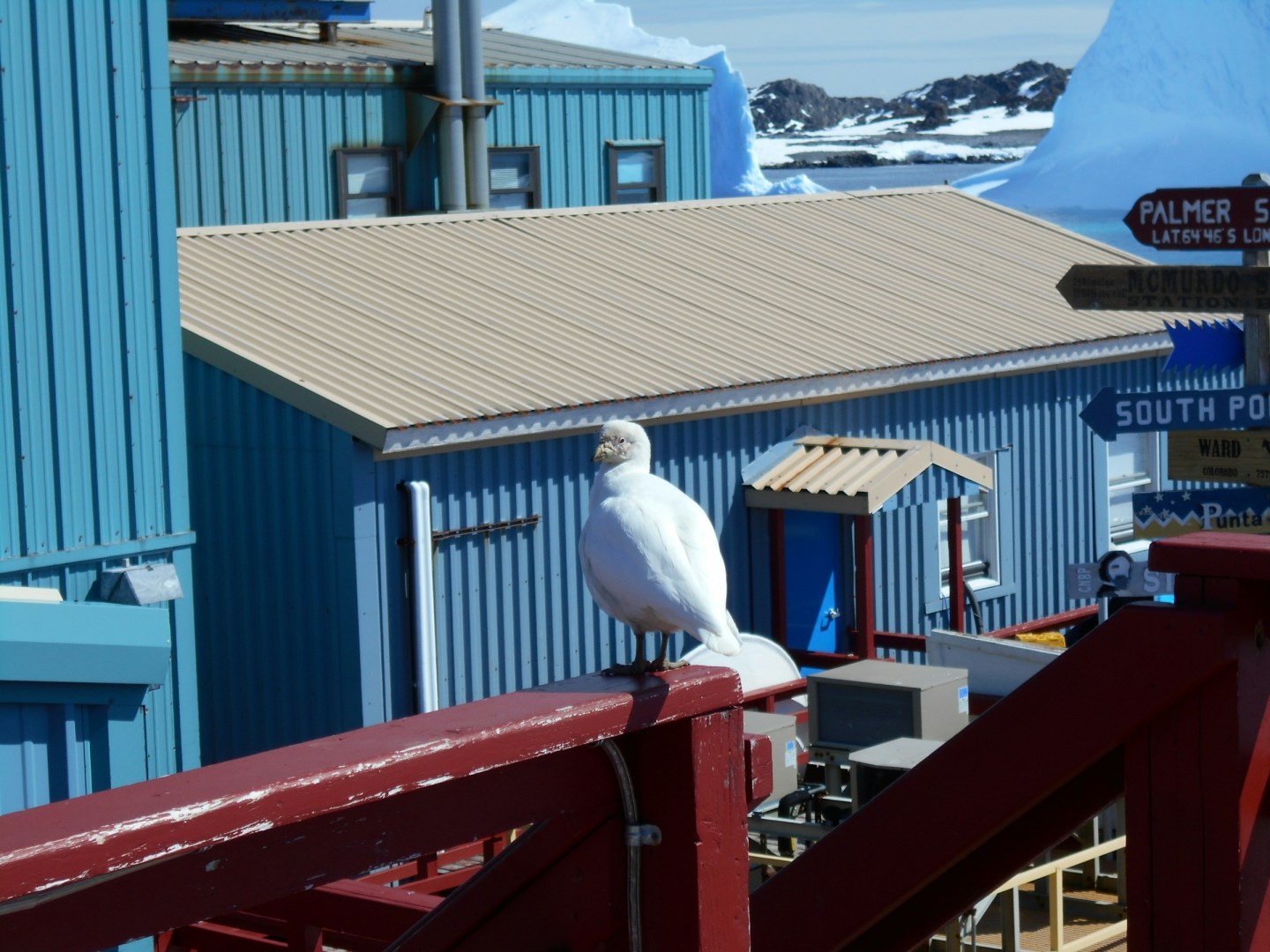
The Palmer Archipelago takes its name from Nathaniel Palmer, an American sealer and explorer associated with the early exploration of the Antarctic Peninsula region. The islands have since become closely linked with scientific activity, particularly through research stations and marine studies in nearby waters. Palmer Island itself has limited human infrastructure compared with larger Antarctic research sites. Its surroundings form part of a region where expedition travel, scientific observation, and environmental monitoring take place under the rules of the Antarctic Treaty System, which emphasizes protection of the continent’s natural and historical resources.
The waters and shores around Palmer Island support characteristic Antarctic wildlife. Penguins, seals, and seabirds inhabit the wider archipelago, while whales may pass through the channels during periods when sea ice permits access. The surrounding landscape features steep mountain faces, glaciers, rocky islands, and narrow passages that create constantly changing views from the water. Small-boat excursions can provide close perspectives of icebergs and coastal cliffs when conditions are suitable. Because the area is heavily influenced by weather, sea ice, and swell, specific landing opportunities vary between visits and require careful assessment.
One of the notable features of the Palmer Archipelago is its combination of sheltered waterways and heavily glaciated islands. The region provides important habitat for marine wildlife while also offering scientists opportunities to study ocean conditions, sea ice, glaciers, and Antarctic ecosystems. Visitors are expected to avoid disturbing animals, keep appropriate distances from wildlife, and prevent the introduction of foreign material into the environment. For travelers exploring the Antarctic Peninsula, Palmer Island and the surrounding archipelago provide a useful perspective on the interconnected landscape of mountains, glaciers, islands, and productive coastal waters.
Other Popular Destinations in Antarctica