


South America | Brazil | Salvador da Bahia


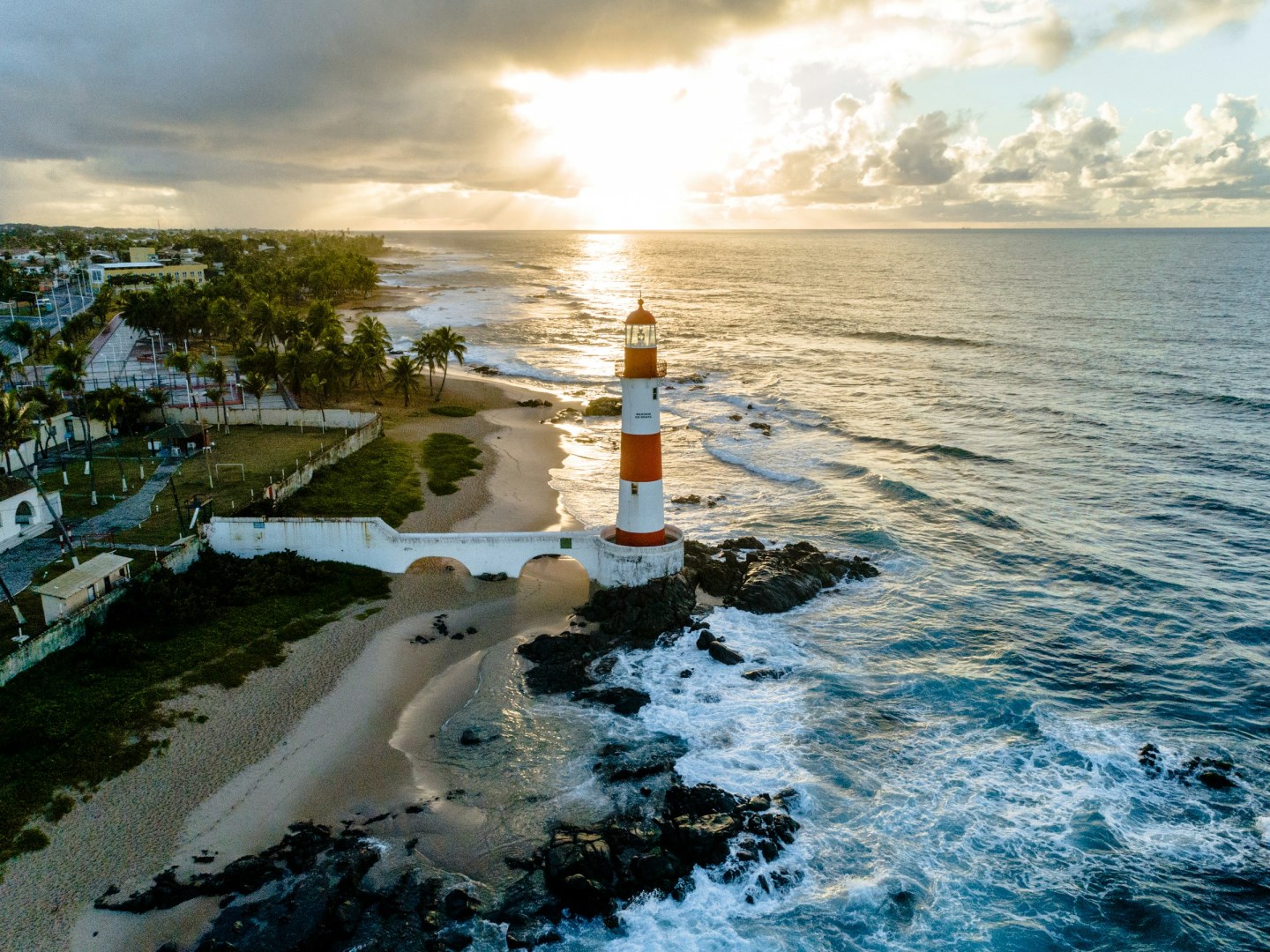


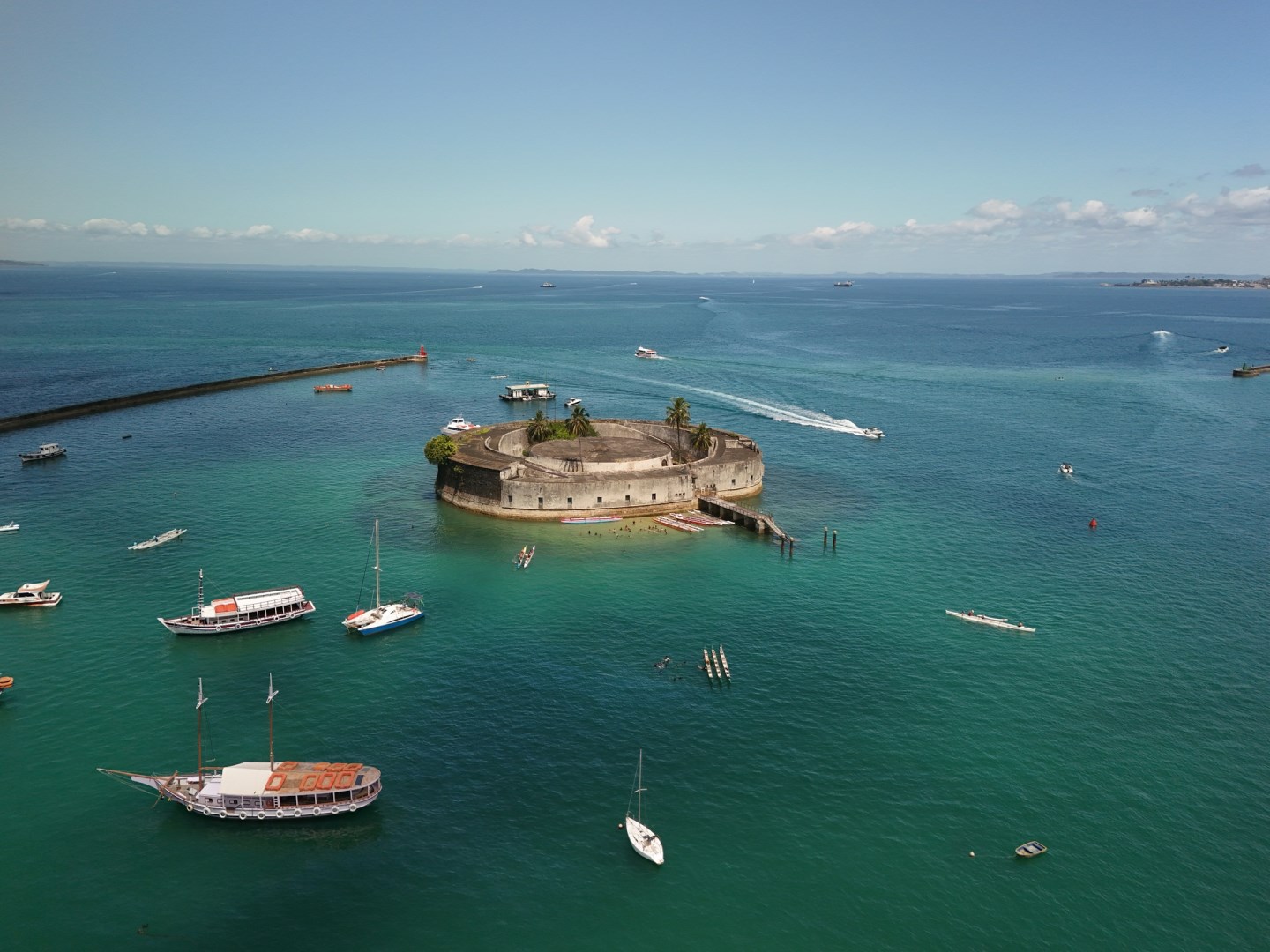
Salvador da Bahia, often simply called Salvador, is a city where the soul of Brazil truly shines. As the capital of the state of Bahia and one of the oldest colonial cities in the Americas, Salvador offers a rich tapestry of Afro-Brazilian culture, vibrant music, and historic architecture. The city’s Pelourinho district, a UNESCO World Heritage site, is a must-visit, with its cobblestone streets, colorful colonial buildings, and churches adorned with gold leaf. This area was once the center of the city’s slave trade, and today it stands as a powerful testament to Salvador’s complex and resilient history.
Salvador is also known for its electrifying Carnival, considered one of the largest and most exuberant in the world. Unlike Rio de Janeiro’s samba-focused festivities, Salvador’s Carnival pulses to the rhythms of Axé and Samba-Reggae. The celebration spills out onto the streets, where millions of people dance alongside trio elétrico trucks, creating an atmosphere that is both immersive and infectious. Experiencing Carnival in Salvador is to witness and partake in one of the most authentic expressions of Brazilian culture and joy.
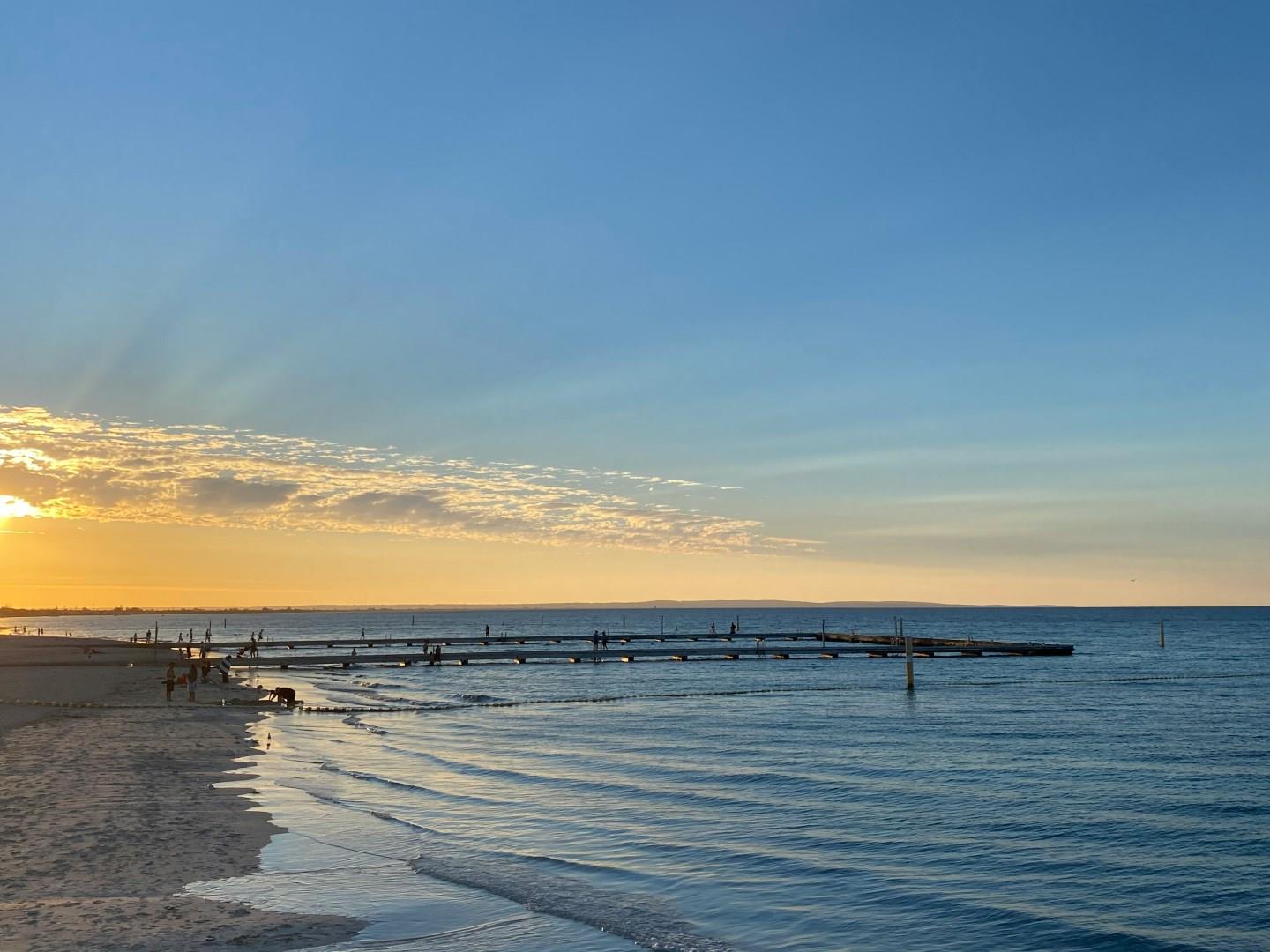
For those seeking relaxation and natural beauty, Salvador’s coastline offers a stunning array of beaches. Porto da Barra Beach, one of the city’s most popular, is perfect for swimming, sunbathing, and watching the sunset over the Bay of All Saints. A short ferry ride from the city takes you to the island of Itaparica, where you can enjoy crystal-clear waters and a more tranquil setting. The blend of urban energy and serene seaside escapes makes Salvador an ideal destination for travelers looking to experience the best of both worlds.
Other Popular Destinations in Brazil
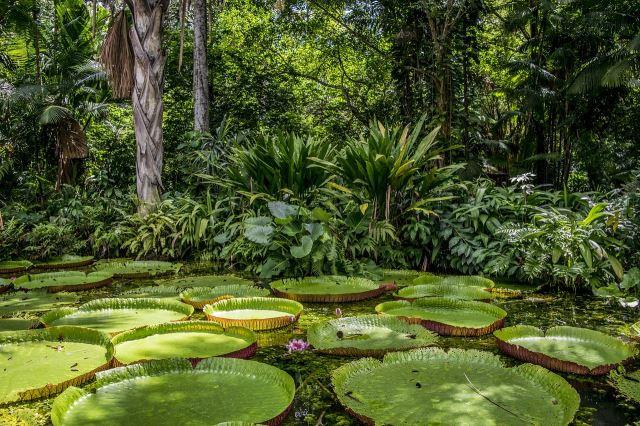
Exploring the Amazon Jungle in Brazil is like venturing into the heart of a living, breathing world. The Amazon Rainforest, often referred to as the "lungs of the Earth," is a lush, sprawling expanse that teems with extraordinary biodiversity.

Exhilarating Rio de Janeiro, the vibrant South American destination and cultural capital, abounds with iconic landmarks, beaches, and attractions. Christ the Redeemer, the hundred-foot mosaic statue atop Corcovado Mountain, overlooks the glittering coastline and is instantly recognizable, having become an enduring symbol of the city itself. Its arms stretching wide, the prominent figure beckons you to explore this inviting locale.
