



Langkawi


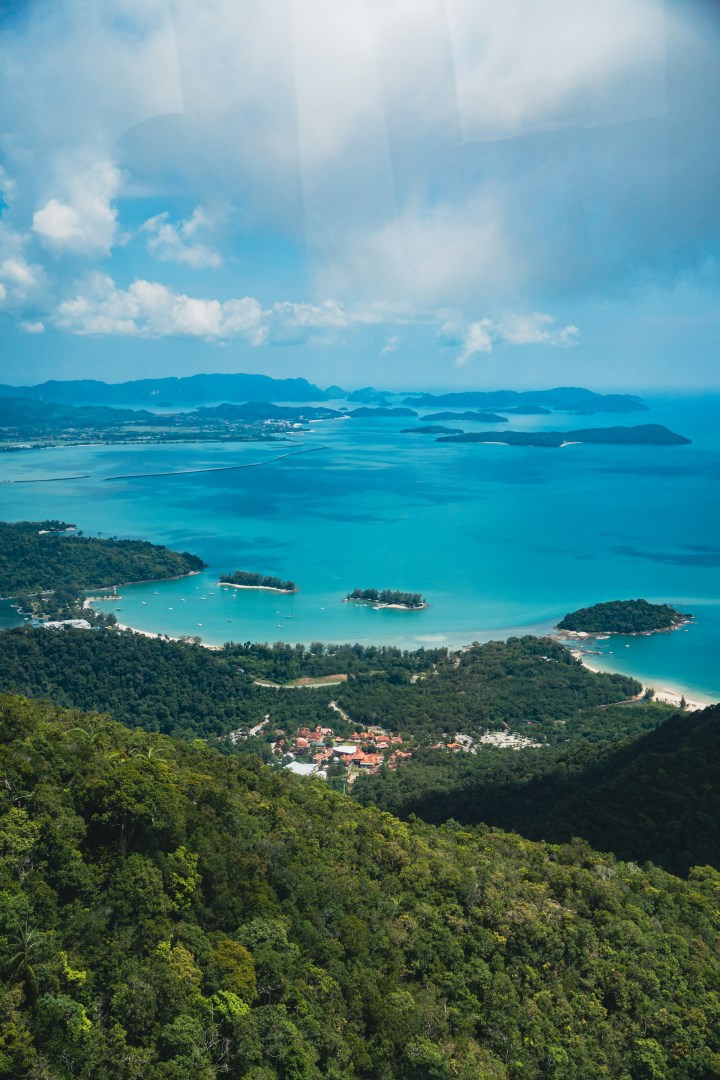

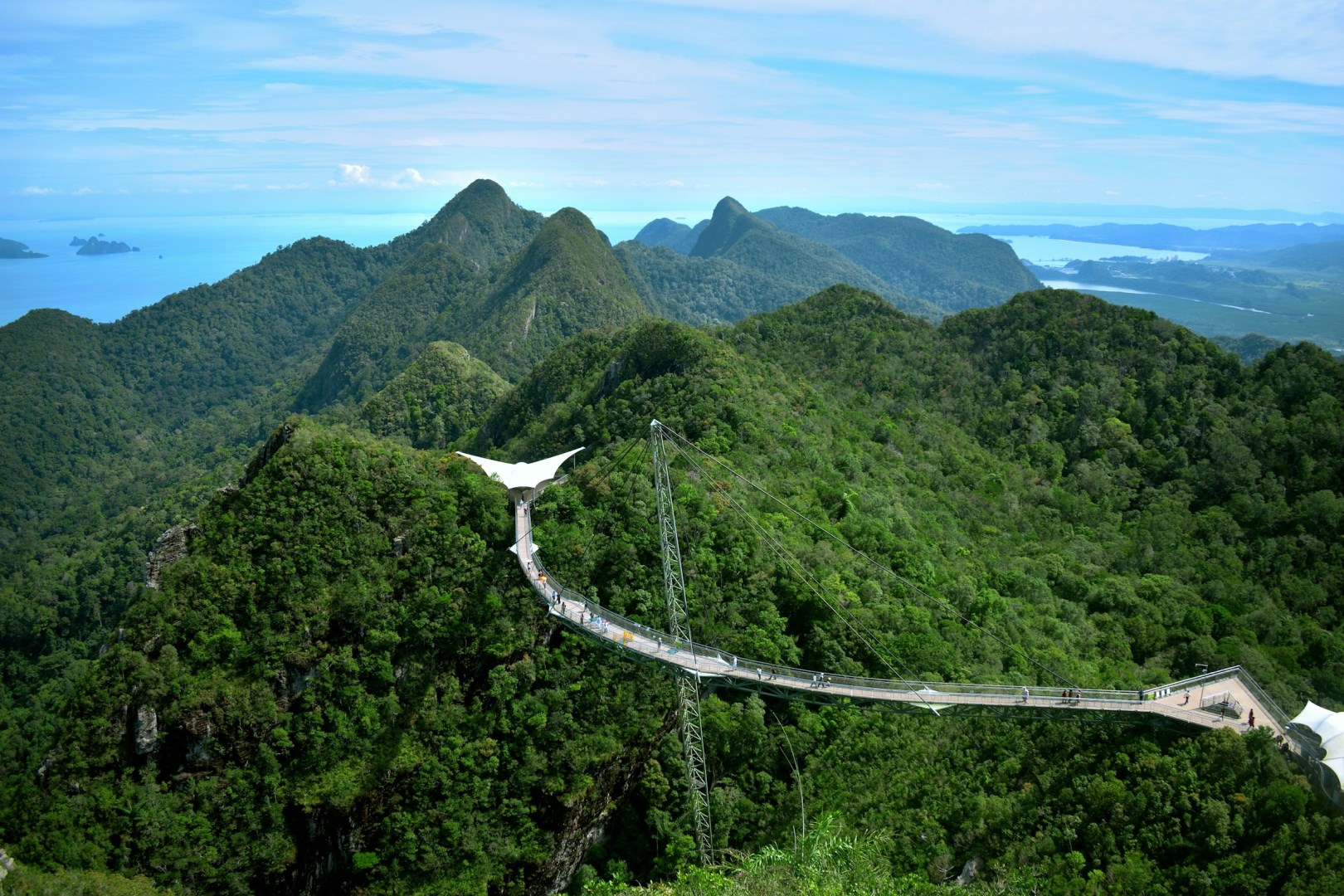

Nestled in the Andaman Sea, Langkawi is an idyllic island escape renowned for its pristine beaches, lush landscapes, and vibrant culture. This Malaysian archipelago, comprising over 100 islands, boasts a range of natural wonders, including the Langkawi Sky Bridge, an architectural marvel suspended 700 meters above ground. Spanning 125 meters in length, the bridge offers panoramic views of the surrounding rainforest and the Andaman Sea, making it a must-visit attraction for thrill-seekers and nature enthusiasts alike.
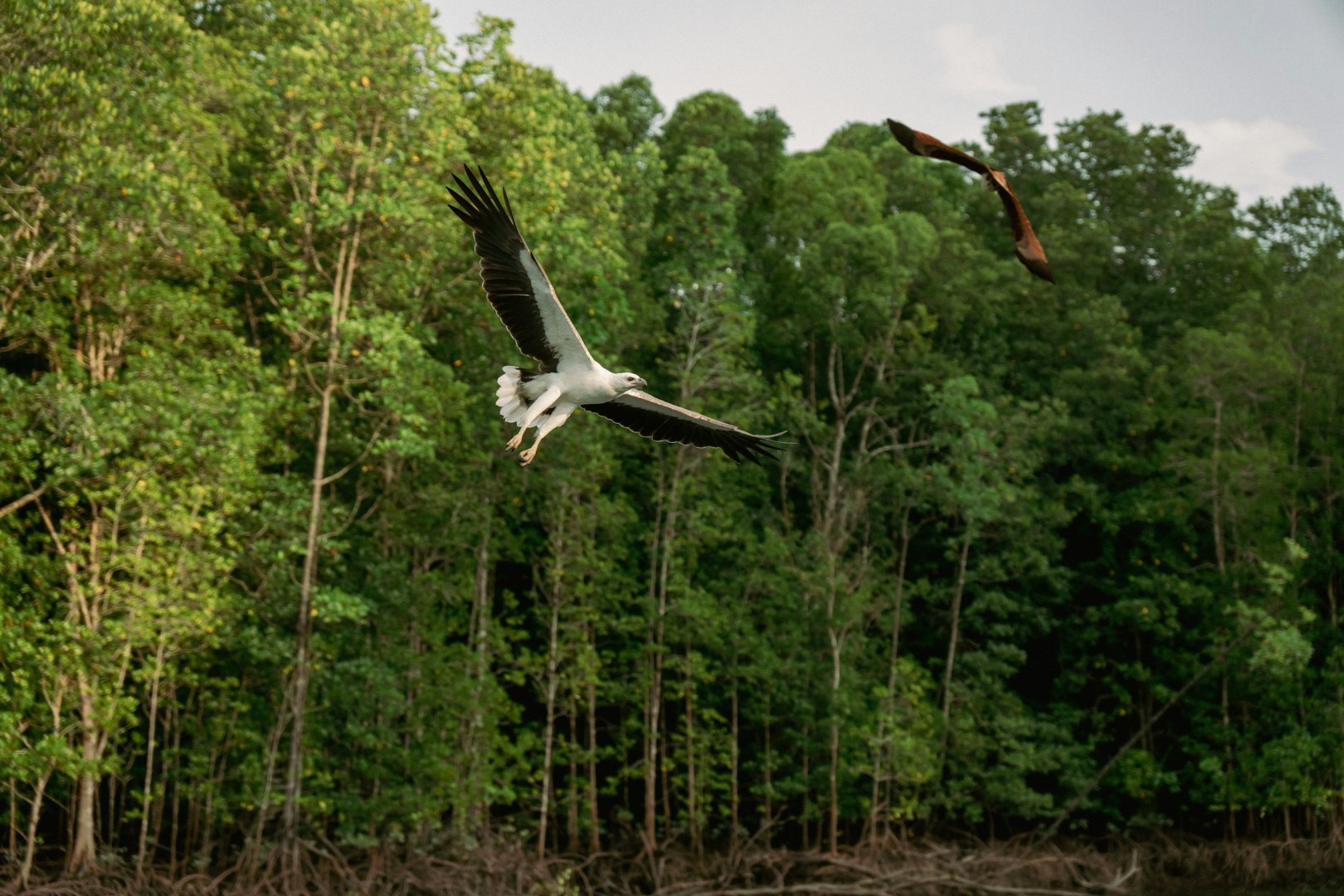
Langkawi is also celebrated for its Langkawi Geopark, which features diverse ecosystems and geological formations. Explore the Kilim Karst Geoforest Park, where you can navigate through mangrove forests, limestone cliffs, and intricate river systems. The park’s mangrove tours offer a close-up view of unique wildlife and plant species, making it a fascinating adventure for eco-tourists.
For those seeking relaxation, Langkawi’s Pantai Cenang is a vibrant beach destination with its bustling promenade, water sports activities, and lively nightlife. Alternatively, you can retreat to the serene shores of Tanjung Rhu for a more tranquil beach experience, where crystal-clear waters and powdery sands await. The island's warm tropical climate ensures that it’s an inviting destination year-round.
Fun Fact: Langkawi is home to the Langkawi Cable Car, which takes visitors on a spectacular 2.2-kilometer ride up to Gunung Mat Cincang. This ride offers breathtaking views of the island’s mountains and coastline, and on a clear day, you can see all the way to Thailand.
Langkawi is also celebrated for its Langkawi Geopark, which features diverse ecosystems and geological formations. Explore the Kilim Karst Geoforest Park, where you can navigate through mangrove forests, limestone cliffs, and intricate river systems. The park’s mangrove tours offer a close-up view of unique wildlife and plant species, making it a fascinating adventure for eco-tourists.
For those seeking relaxation, Langkawi’s Pantai Cenang is a vibrant beach destination with its bustling promenade, water sports activities, and lively nightlife. Alternatively, you can retreat to the serene shores of Tanjung Rhu for a more tranquil beach experience, where crystal-clear waters and powdery sands await. The island's warm tropical climate ensures that it’s an inviting destination year-round.
Fun Fact: Langkawi is home to the Langkawi Cable Car, which takes visitors on a spectacular 2.2-kilometer ride up to Gunung Mat Cincang. This ride offers breathtaking views of the island’s mountains and coastline, and on a clear day, you can see all the way to Thailand.
