


USA | South Dakota | Custer State Park
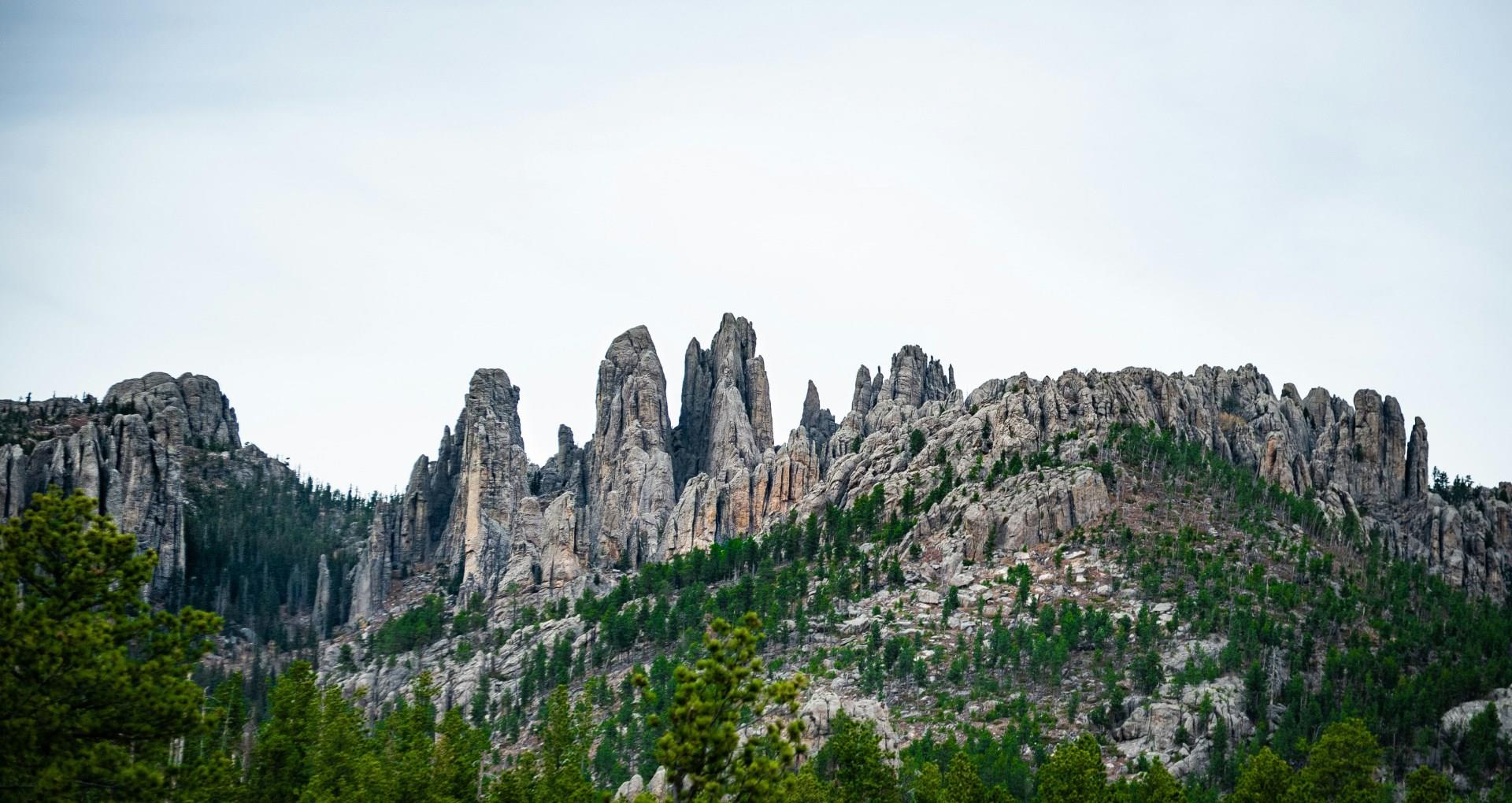
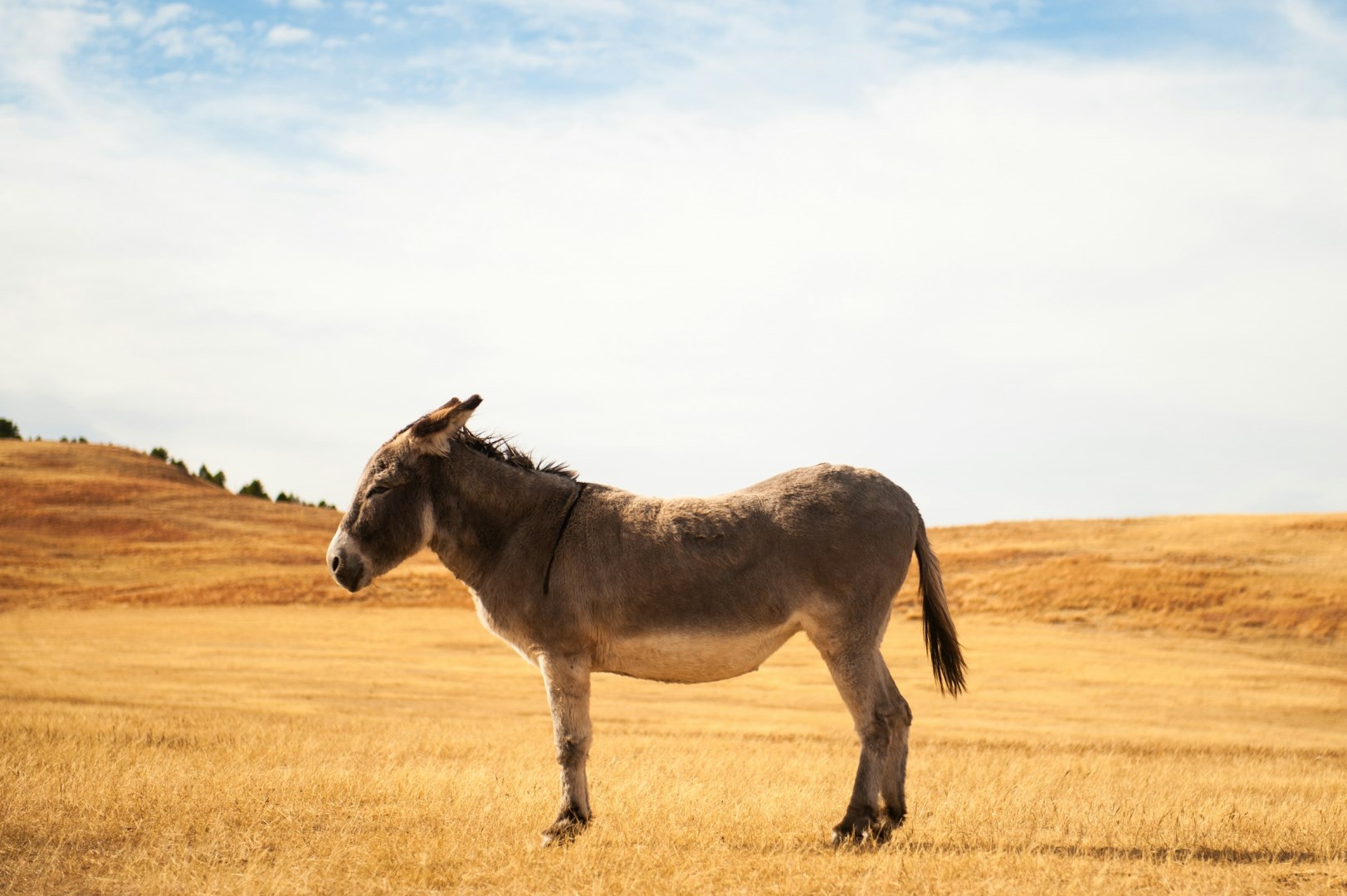
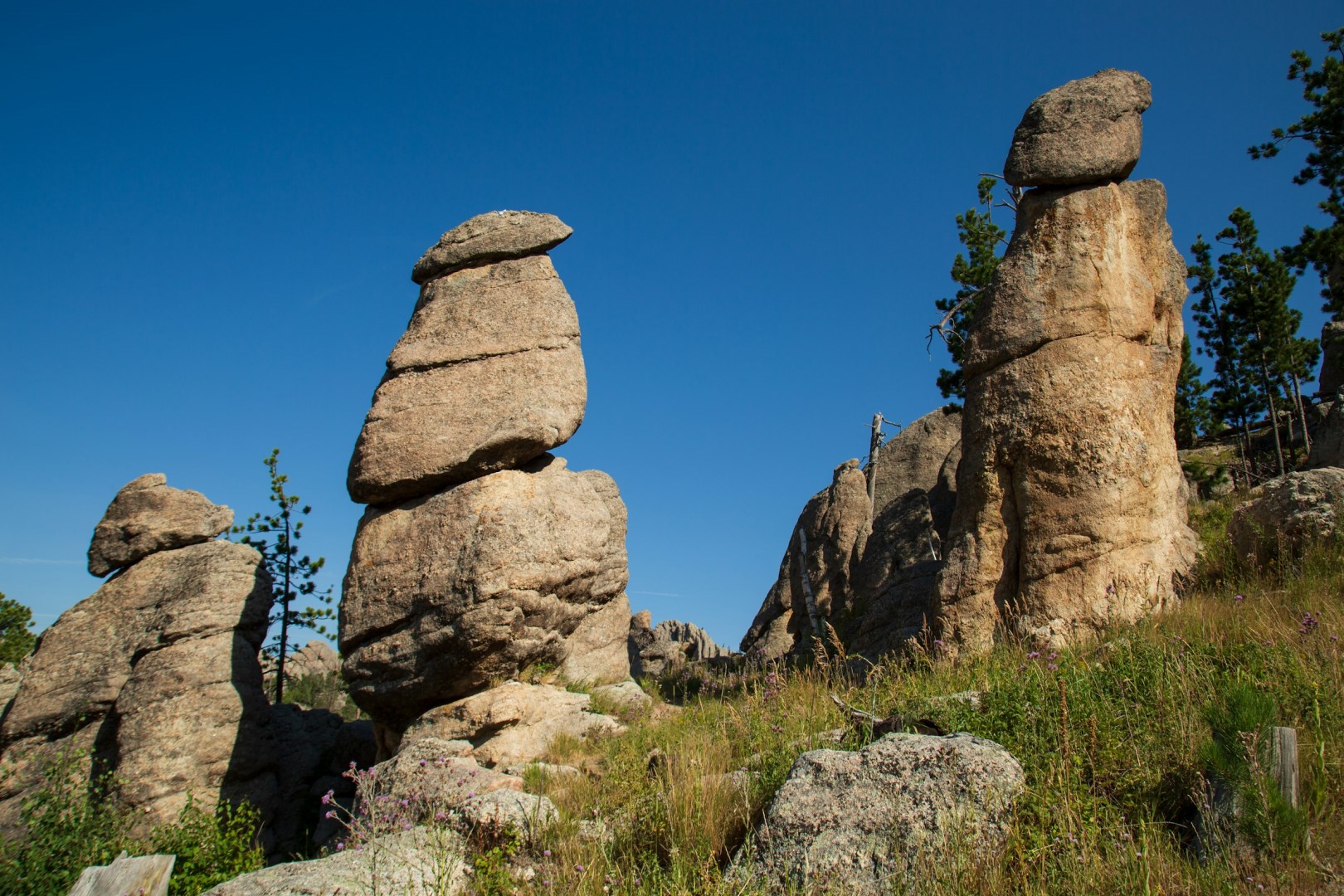
Custer State Park, nestled in the Black Hills of South Dakota, offers a tapestry of natural beauty and wildlife. Known for its scenic drives and outdoor activities, the park is a haven for nature enthusiasts and adventure seekers alike. One of its most famous routes, the Needles Highway, weaves through towering granite spires and narrow tunnels, providing breathtaking vistas of the rugged terrain.
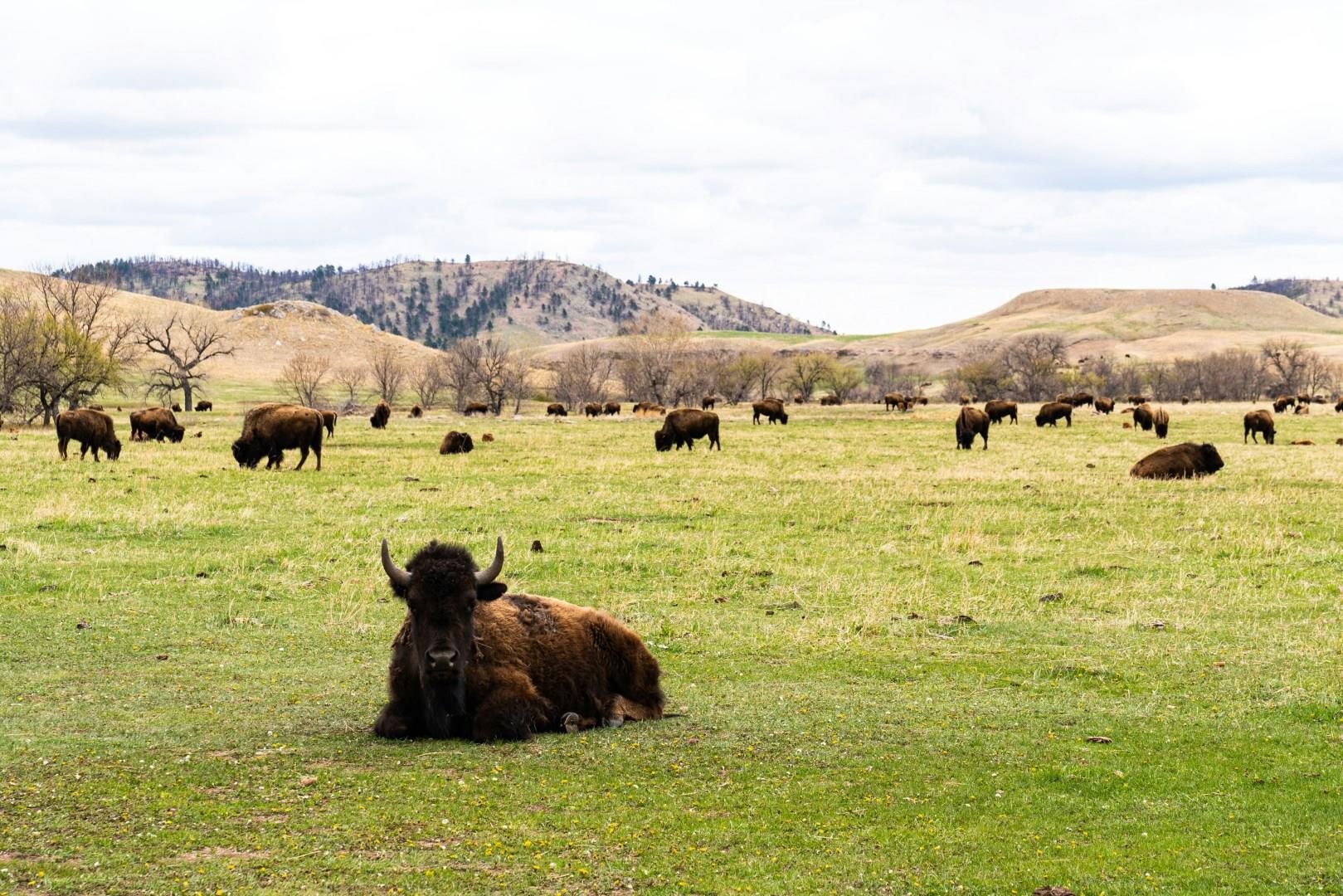
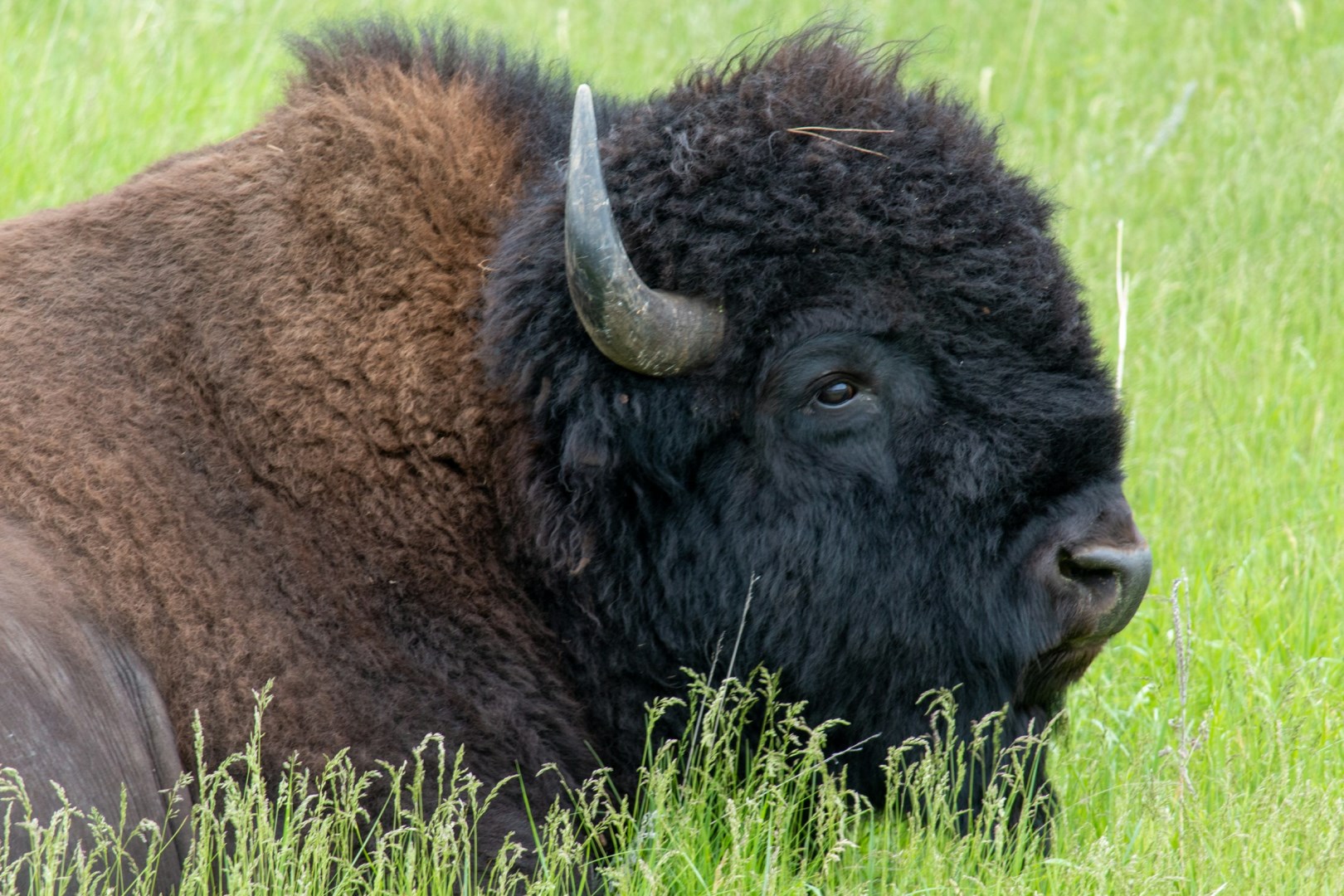
The park is also home to a remarkable array of wildlife. The Custer State Park Buffalo Roundup held each fall, is a spectacle where visitors can witness hundreds of bison being gathered by cowboys and cowgirls. The park’s diverse ecosystems support not just bison, but also elk, pronghorn antelope, and a variety of bird species, making it a prime location for wildlife viewing and photography.
For those seeking adventure, Custer State Park offers numerous trails, including the Harney Peak Trail, which leads to the highest point in South Dakota and rewards hikers with panoramic views of the surrounding landscape. Additionally, the park features Sylvan Lake, a picturesque spot perfect for swimming, kayaking, or simply relaxing by the shore.
Fun Fact: Custer State Park’s Wildlife Loop Road is one of the best places in the U.S. to see free-roaming bison, offering visitors a chance to experience these majestic creatures up close.
Visit Custer State Park from late spring to early fall for the best weather and access to all activities, or plan your visit in early autumn to witness the dramatic colors of the changing leaves.
The park is also home to a remarkable array of wildlife. The Custer State Park Buffalo Roundup held each fall, is a spectacle where visitors can witness hundreds of bison being gathered by cowboys and cowgirls. The park’s diverse ecosystems support not just bison, but also elk, pronghorn antelope, and a variety of bird species, making it a prime location for wildlife viewing and photography.
For those seeking adventure, Custer State Park offers numerous trails, including the Harney Peak Trail, which leads to the highest point in South Dakota and rewards hikers with panoramic views of the surrounding landscape. Additionally, the park features Sylvan Lake, a picturesque spot perfect for swimming, kayaking, or simply relaxing by the shore.
Fun Fact: Custer State Park’s Wildlife Loop Road is one of the best places in the U.S. to see free-roaming bison, offering visitors a chance to experience these majestic creatures up close.
Visit Custer State Park from late spring to early fall for the best weather and access to all activities, or plan your visit in early autumn to witness the dramatic colors of the changing leaves.
Other Popular Destinations in South Dakota

Rapid City is the gateway to iconic Mount Rushmore National Memorial and a delightful stop for your next trip to South Dakota.
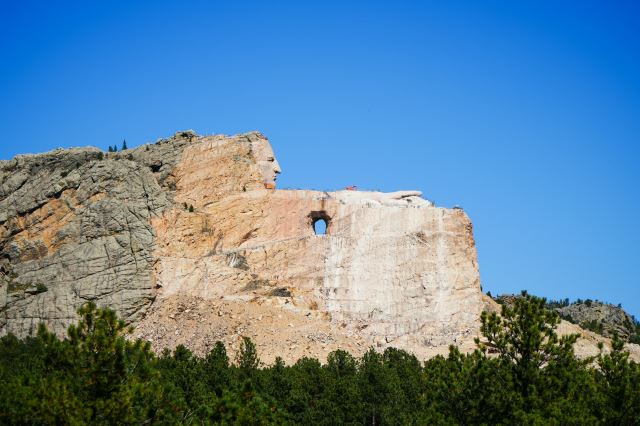
Crazy Horse Memorial stands in the Black Hills of South Dakota, between Custer and Hill City, where a massive mountain carving is being created to honor the Lakota leader Crazy Horse and the cultures of Native American peoples. The sculpture is cut directly into Thunderhead Mountain and is designed to depict Crazy Horse on horseback, pointing toward his ancestral lands
