
Caribbean | Cayman Islands | Georgetown


Georgetown, the vibrant capital of the Cayman Islands, offers an alluring blend of Caribbean charm and modern sophistication. As the bustling heart of the Grand Caymans, it is renowned for its picturesque harbor, duty-free shopping, and a rich tapestry of cultural experiences. The waterfront area, with its stunning views and inviting promenades, is perfect for leisurely strolls and offers a variety of dining options showcasing local and international cuisine. For a taste of luxury shopping and local crafts, the Georgetown Harbor Walk is a must-visit.
The city’s maritime heritage is palpable at the National Museum of the Cayman Islands, where exhibits chronicle the region’s history from its early settlement to its contemporary development. The museum’s collection includes artifacts such as shipwreck remnants and traditional Caymanian artifacts, offering a fascinating glimpse into the island’s past. Additionally, the nearby Cayman Islands National Archive holds valuable documents and historical records that enrich the cultural narrative of the area.
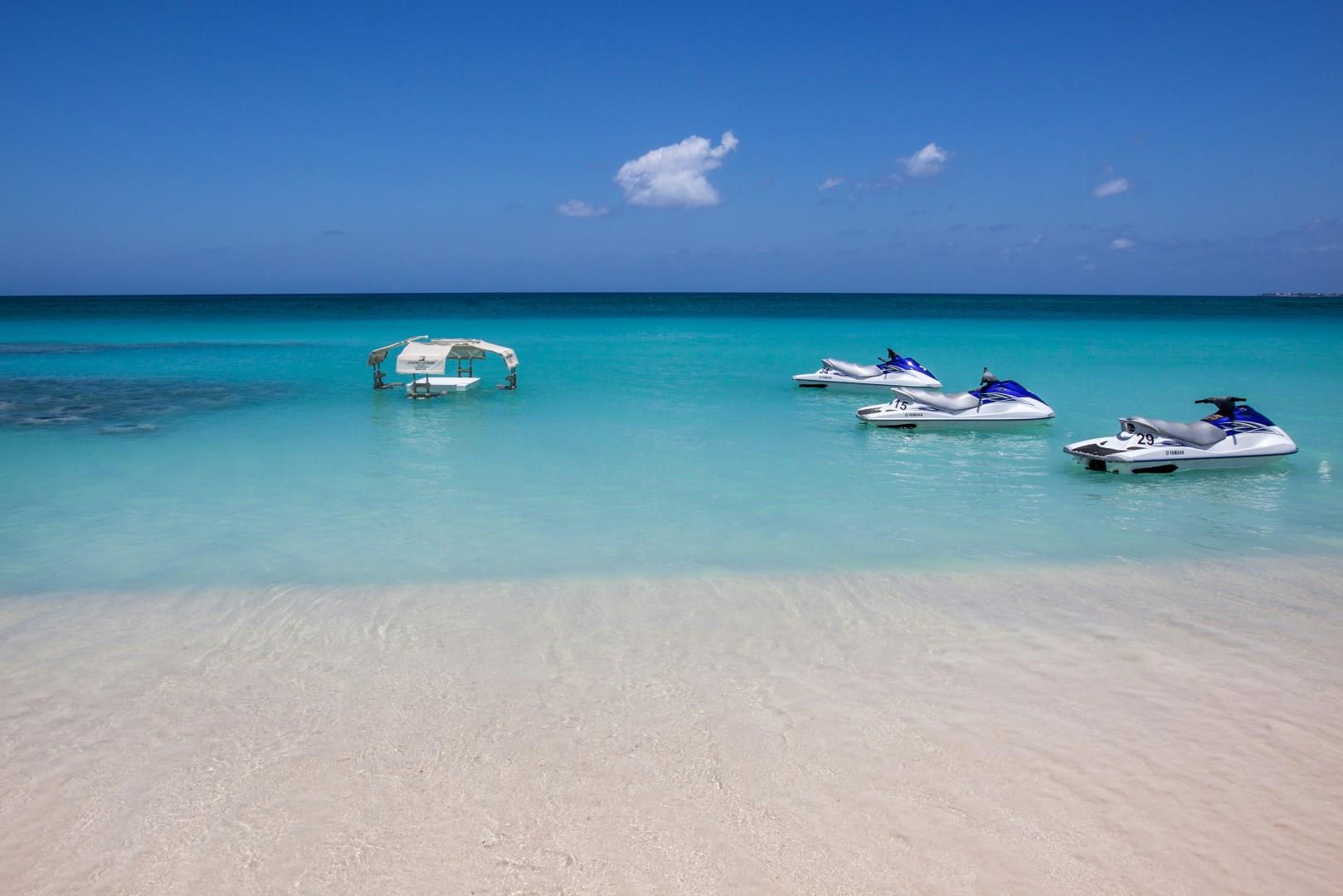
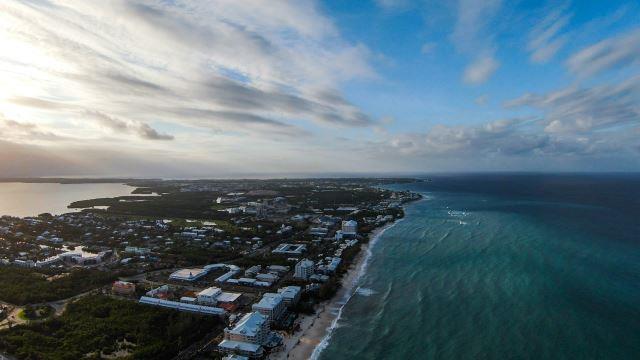
For those seeking outdoor adventure, Georgetown serves as a gateway to the stunning Seven Mile Beach, renowned for its powdery white sand and crystal-clear waters. This world-famous beach is ideal for sunbathing, snorkeling, and enjoying water sports. The nearby Stingray City provides an unforgettable experience where visitors can interact with friendly stingrays in their natural habitat, making for a highlight of any trip to the Cayman Islands.
A fun fact about Georgetown is that it is home to one of the world’s largest underwater marine parks, The Cayman Islands Marine Reserve. This protected area offers incredible opportunities for diving and snorkeling among vibrant coral reefs and diverse marine life, making it a paradise for underwater enthusiasts. Whether you’re exploring cultural sites, enjoying the beach, or venturing into the marine world, Georgetown promises a memorable and enriching experience.
The city’s maritime heritage is palpable at the National Museum of the Cayman Islands, where exhibits chronicle the region’s history from its early settlement to its contemporary development. The museum’s collection includes artifacts such as shipwreck remnants and traditional Caymanian artifacts, offering a fascinating glimpse into the island’s past. Additionally, the nearby Cayman Islands National Archive holds valuable documents and historical records that enrich the cultural narrative of the area.
For those seeking outdoor adventure, Georgetown serves as a gateway to the stunning Seven Mile Beach, renowned for its powdery white sand and crystal-clear waters. This world-famous beach is ideal for sunbathing, snorkeling, and enjoying water sports. The nearby Stingray City provides an unforgettable experience where visitors can interact with friendly stingrays in their natural habitat, making for a highlight of any trip to the Cayman Islands.
A fun fact about Georgetown is that it is home to one of the world’s largest underwater marine parks, The Cayman Islands Marine Reserve. This protected area offers incredible opportunities for diving and snorkeling among vibrant coral reefs and diverse marine life, making it a paradise for underwater enthusiasts. Whether you’re exploring cultural sites, enjoying the beach, or venturing into the marine world, Georgetown promises a memorable and enriching experience.
Other Popular Destinations in Cayman Islands
Grand Cayman, the largest of the Cayman Islands, is a Caribbean paradise offering stunning beaches, world-class diving, and a rich blend of culture and luxury. Seven Mile Beach, often ranked as one of the most beautiful beaches in the world, is the island’s crown jewel. Its powdery white sands and crystal-clear waters are perfect for swimming, snorkeling, or simply relaxing under the sun. Luxury resorts and beachfront restaurants dot the coastline, providing both indulgence and accessibility to