
Caribbean | Virgin Islands | Anegada
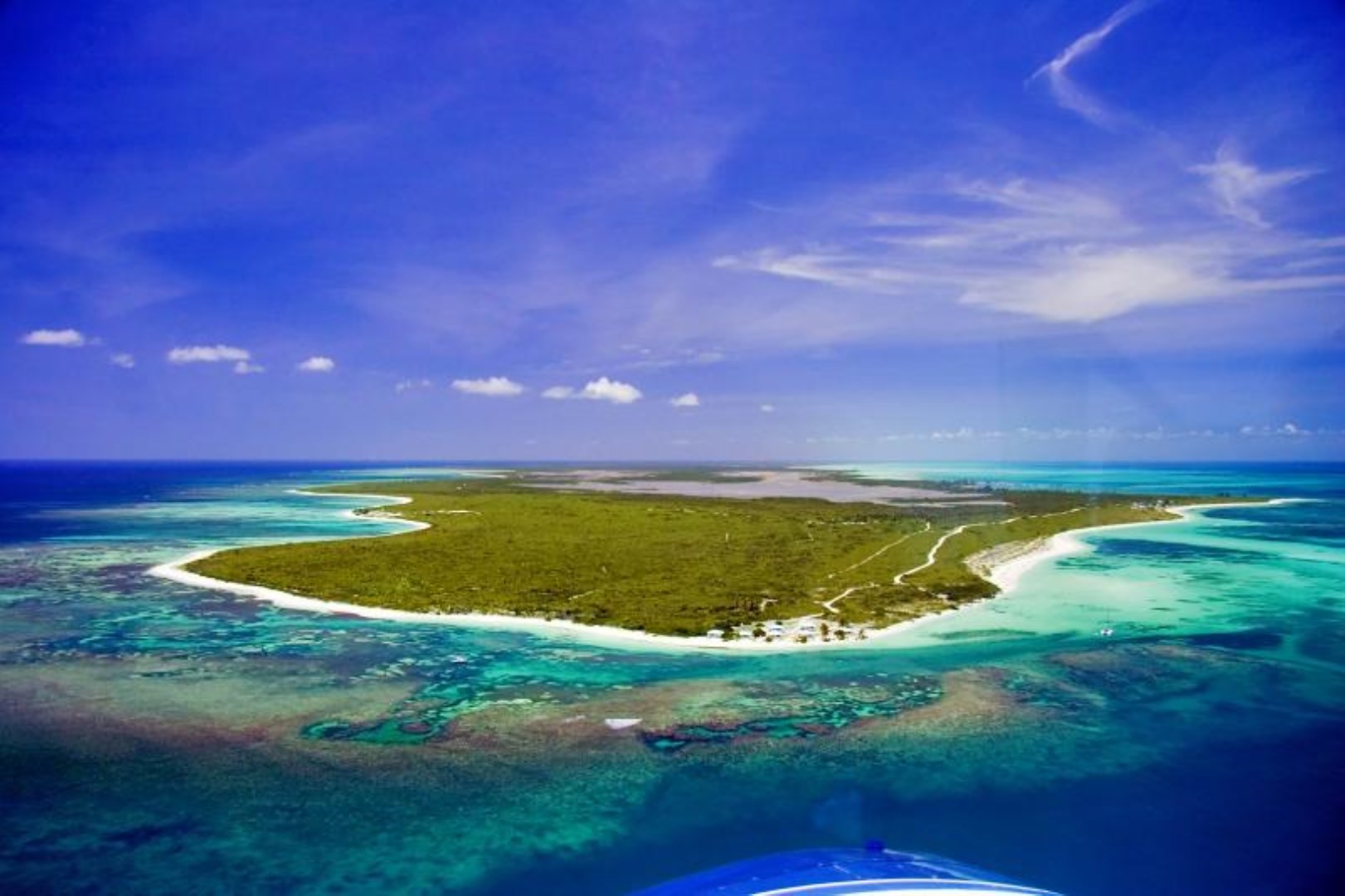
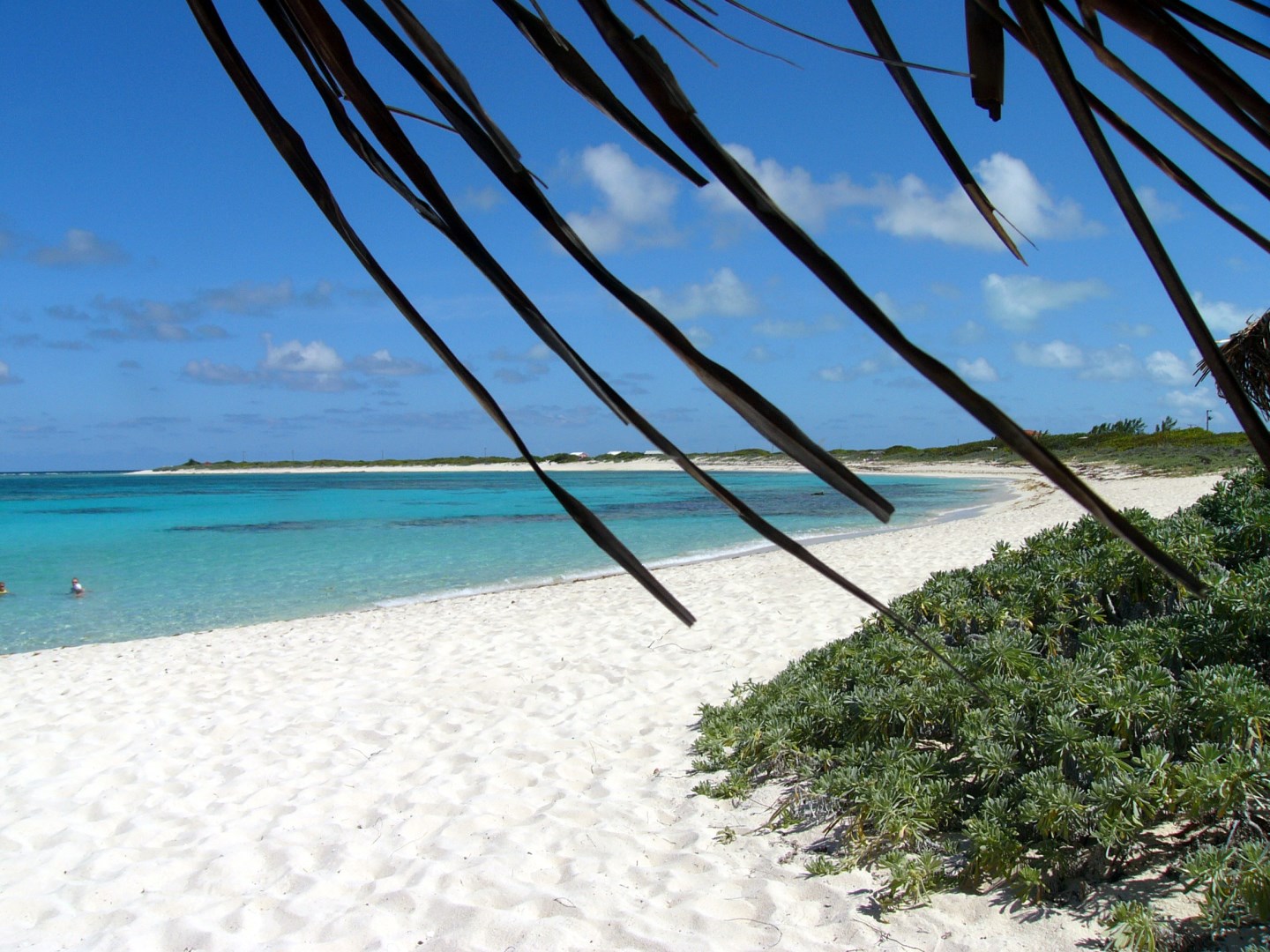
The only coral island in the archipelago, Anegada is one of the British Virgin Islands and best known for its secluded beaches, extensive salt ponds, and nearly flat elevation which gave rise to the name Tierra Anegada, Spanish for "flooded land."
Although sparsely populated, Anegada's economy is based primarily on tourism, and secondly on commercial fishing. Visitors will find a number of rare or endangered species here: the Anegada rock iguana, Caribbean lobster, the loblolly tree, frangipani, feathery sea lavender and wild orchids.
Offshore, the 18-mile Horseshoe Reef is one of the world's largest coral reefs, making navigation difficult and causing numerous shipwrecks over the years.
Although sparsely populated, Anegada's economy is based primarily on tourism, and secondly on commercial fishing. Visitors will find a number of rare or endangered species here: the Anegada rock iguana, Caribbean lobster, the loblolly tree, frangipani, feathery sea lavender and wild orchids.
Offshore, the 18-mile Horseshoe Reef is one of the world's largest coral reefs, making navigation difficult and causing numerous shipwrecks over the years.
Other Popular Destinations in Virgin Islands

St. Thomas, the gateway to the U.S. Virgin Islands, is a vibrant mix of history, culture, and Caribbean charm. Its capital, Charlotte Amalie, features a waterfront lined with pastel-colored colonial buildings, narrow cobblestone streets, and historic forts such as Fort Christian, which offer glimpses into the island’s Danish colonial past.

Tortola, the largest island in the British Virgin Islands, beckons travelers with its idyllic beaches and vibrant culture. Known for its stunning natural beauty, Tortola offers crystal-clear waters, lush landscapes, and a range of outdoor activities. Cane Garden Bay, one of the island’s most famous beaches, is renowned for its powdery white sand and turquoise waters.
