


Falmouth, a charming port town on Jamaica’s north coast, offers a delightful mix of history, culture, and natural beauty. Founded in the 18th century, Falmouth is renowned for its well-preserved Georgian architecture, a testament to its once-thriving sugar trade. Visitors can explore the historic town center, where streets are lined with colorful buildings and the Falmouth Historical District provides a glimpse into the area's rich colonial past.
In addition to its historical allure, Falmouth is a gateway to natural wonders. Just a short drive away is the famous Martha Brae River, where visitors can enjoy a relaxing bamboo raft ride along the lush, scenic river. This tranquil experience is perfect for those looking to connect with Jamaica’s natural beauty while learning about local flora and fauna. More details can be found at the Martha Brae River Rafting website.
Falmouth also boasts a vibrant cultural scene. The town hosts the annual Trelawny Yam Festival, a celebration of local cuisine and culture, highlighting the importance of yam in Jamaican dishes. The festival features live music, dance, and a variety of culinary delights. For more information on local events and festivals, visit the Falmouth Events Calendar.
Fun Fact: Falmouth is where you can find the "Luminous Lagoon," a natural wonder where the waters glow at night due to bioluminescent microorganisms. This spectacular phenomenon can be experienced on evening boat tours, making it a must-see for any visitor.
In addition to its historical allure, Falmouth is a gateway to natural wonders. Just a short drive away is the famous Martha Brae River, where visitors can enjoy a relaxing bamboo raft ride along the lush, scenic river. This tranquil experience is perfect for those looking to connect with Jamaica’s natural beauty while learning about local flora and fauna. More details can be found at the Martha Brae River Rafting website.
Falmouth also boasts a vibrant cultural scene. The town hosts the annual Trelawny Yam Festival, a celebration of local cuisine and culture, highlighting the importance of yam in Jamaican dishes. The festival features live music, dance, and a variety of culinary delights. For more information on local events and festivals, visit the Falmouth Events Calendar.
Fun Fact: Falmouth is where you can find the "Luminous Lagoon," a natural wonder where the waters glow at night due to bioluminescent microorganisms. This spectacular phenomenon can be experienced on evening boat tours, making it a must-see for any visitor.
Other Popular Destinations in Jamaica

Ocho Rios, whose name comes from the Spanish for “Eight Rivers”, was originally a Taíno settlement before Spanish and later British colonial influence shaped its identity. Nestled along Jamaica’s lush north coast, this once-humble fishing village has transformed into a vibrant coastal town that blends historical depth with modern charm.

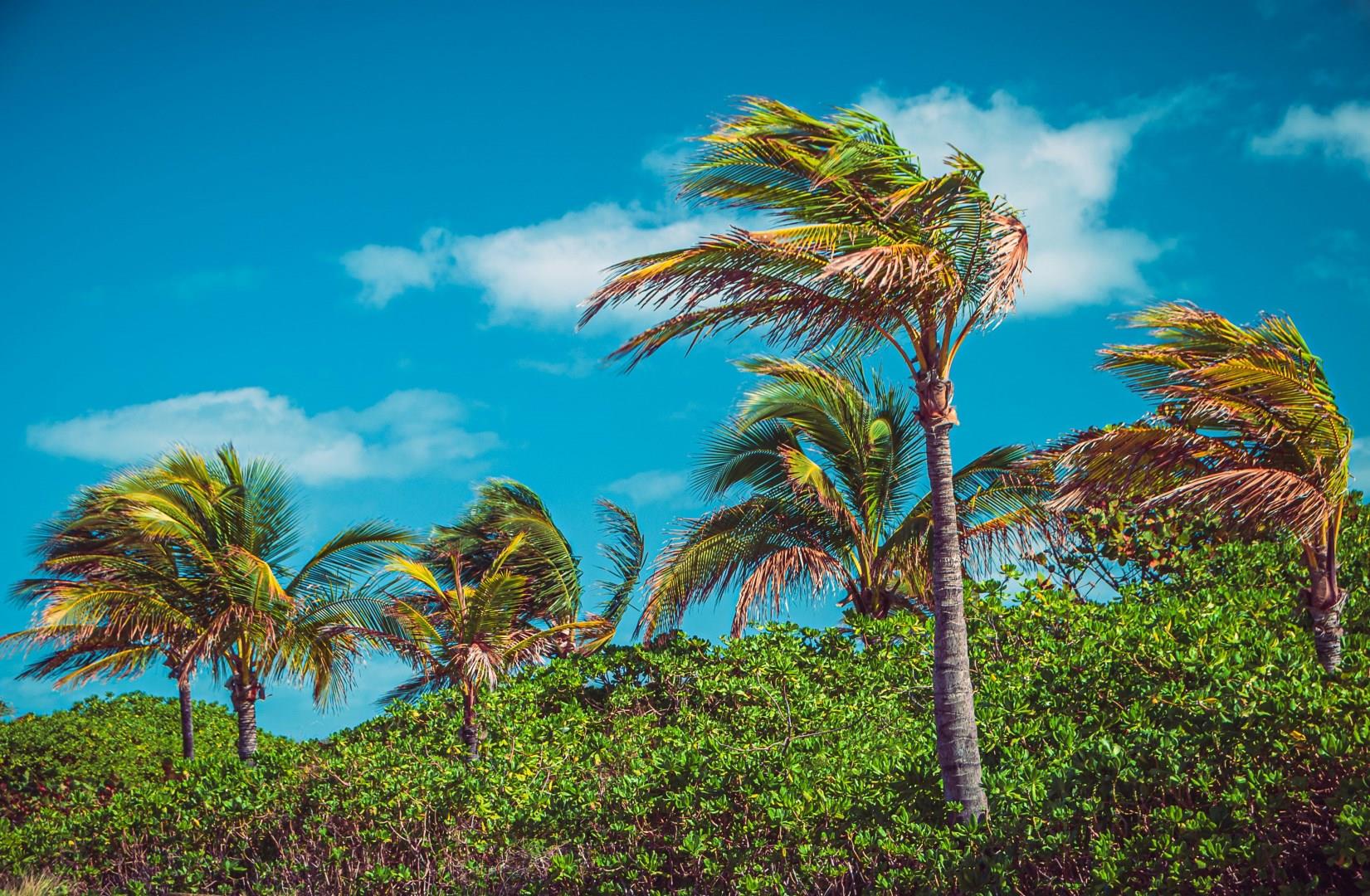
Montego Bay, Jamaica’s lively resort city, offers an intoxicating mix of sun, sea, and vibrant culture. Situated on the island’s north coast, Montego Bay is renowned for its stunning beaches and crystal-clear waters. The popular Doctor’s Cave Beach, named after the nearby cave believed to have therapeutic properties, provides pristine sands and warm, inviting waters. Visitors can relax under palm trees or partake in water activities such as snorkeling and jet skiing.
