



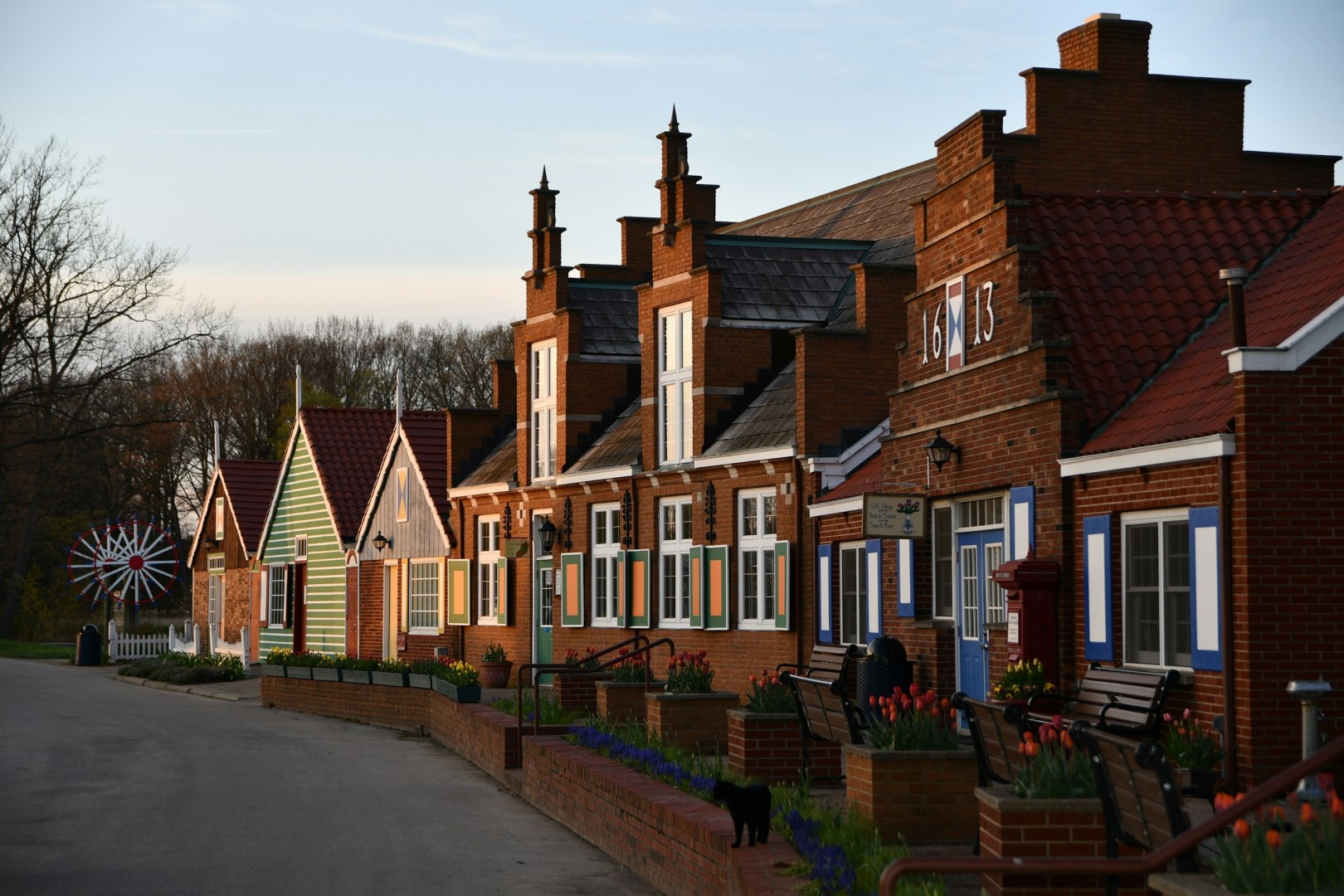


Nestled in the picturesque Burgundy region of France, Tournus offers a charming glimpse into both its rich medieval history and its delightful contemporary culture. One of the city’s standout landmarks is the Abbey of Saint-Philibert, a remarkable example of Romanesque architecture. Founded in the 10th century, this abbey features stunning stone carvings and a tranquil cloister, making it a must-visit for history and architecture enthusiasts.
Tournus is also celebrated for its culinary heritage. The town’s location on the banks of the Saône River and its proximity to the vineyards of Burgundy mean that visitors can enjoy exquisite regional cuisine and fine wines. The local markets, such as the Place de l’Abbaye market, offer an array of fresh, locally-sourced products, perfect for sampling the flavors of the region. The town is known for its delightful restaurants that feature traditional Burgundian dishes.
Fun Fact: Tournus is home to a unique medieval clock tower, the Tour Saint-Marcel, which has been in operation since the 15th century. It’s a delightful reminder of the city’s long and storied history.
With its blend of historical significance, culinary delights, and vibrant cultural scene, Tournus invites visitors to experience the timeless charm of Burgundy.
Tournus is also celebrated for its culinary heritage. The town’s location on the banks of the Saône River and its proximity to the vineyards of Burgundy mean that visitors can enjoy exquisite regional cuisine and fine wines. The local markets, such as the Place de l’Abbaye market, offer an array of fresh, locally-sourced products, perfect for sampling the flavors of the region. The town is known for its delightful restaurants that feature traditional Burgundian dishes.
Fun Fact: Tournus is home to a unique medieval clock tower, the Tour Saint-Marcel, which has been in operation since the 15th century. It’s a delightful reminder of the city’s long and storied history.
With its blend of historical significance, culinary delights, and vibrant cultural scene, Tournus invites visitors to experience the timeless charm of Burgundy.
Other Popular Destinations in France

France's capital and most populated city, Paris is an alluring destination and an essential stop for any global traveler. A center of fashion, gastronomy, and the arts. Major tourist attractions in the City of Lights include the Eiffel Tower (such great heights!), the Louvre (home of the Mona Lisa and Venus de Milo), the Arc de Triomphe, and Grand Palais.