




East and Southeast Asia | China | Pingyao
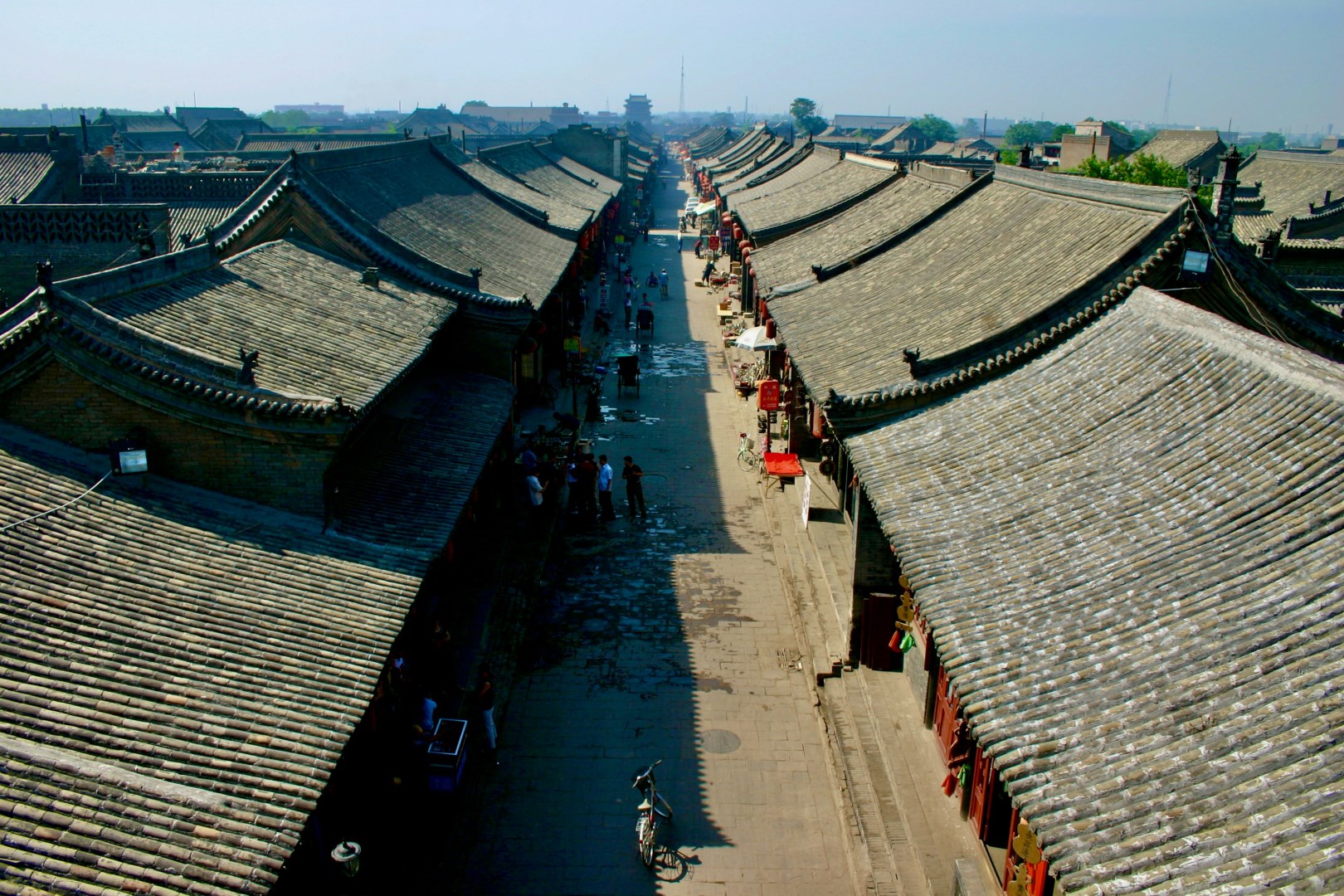
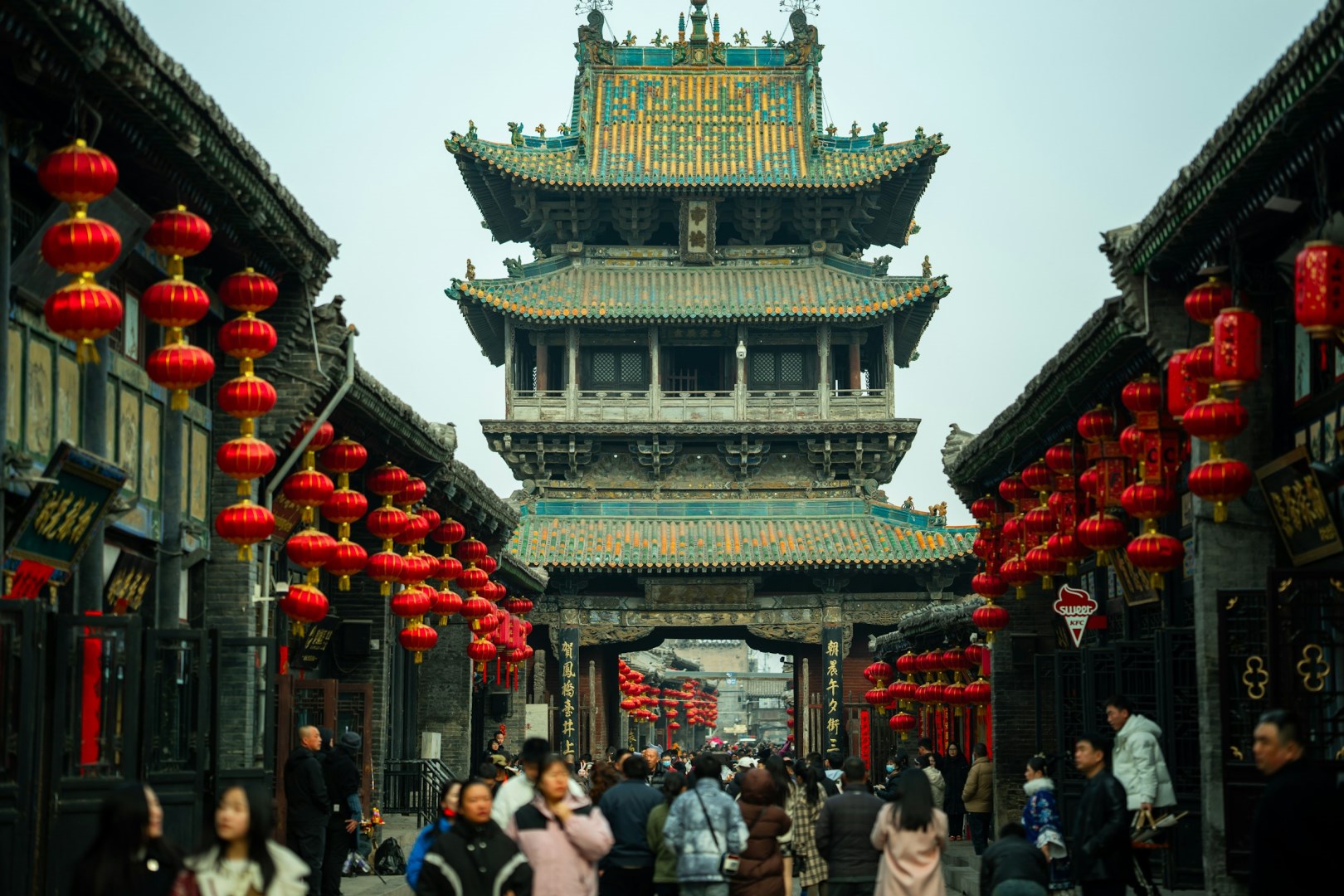
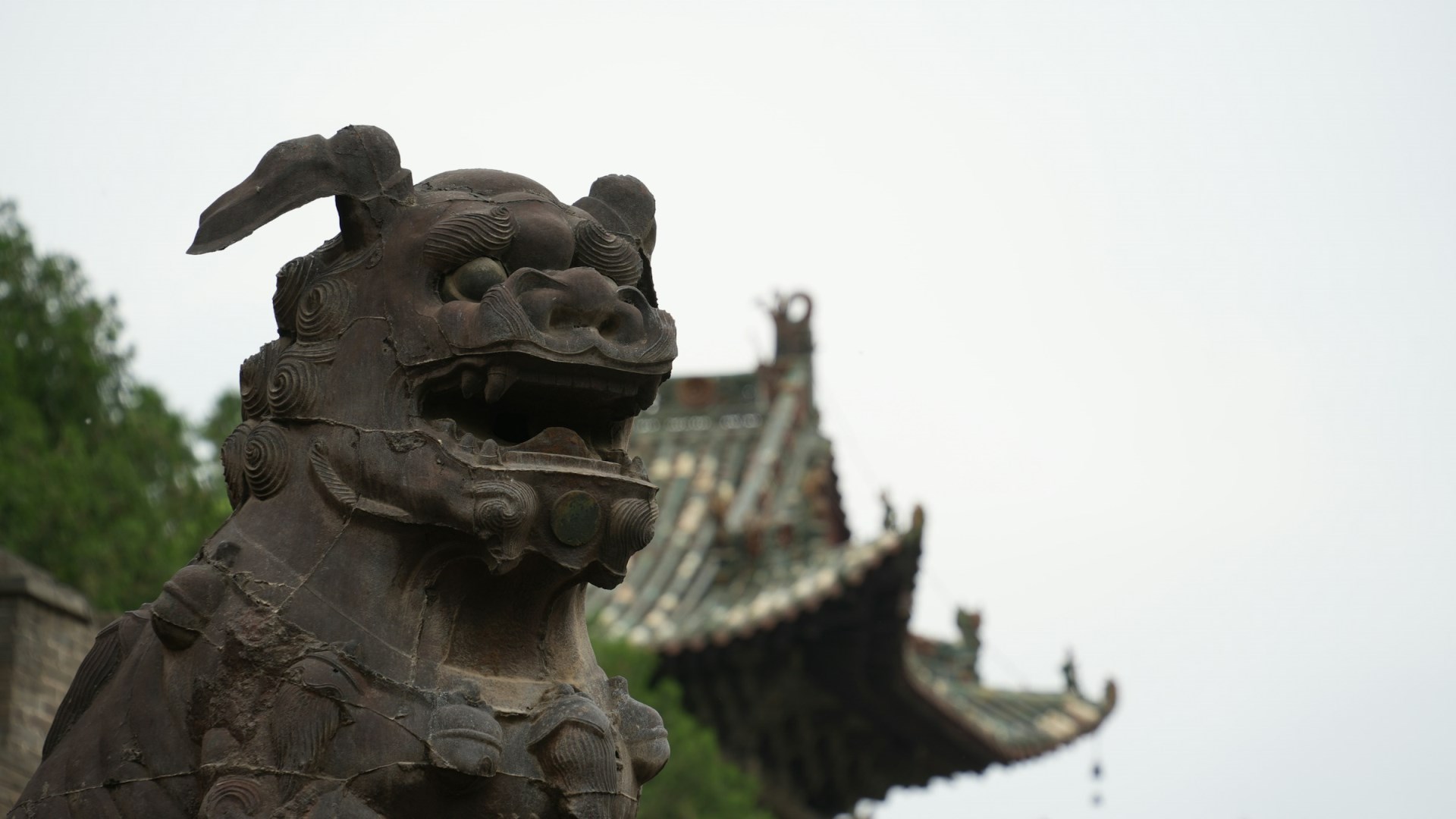
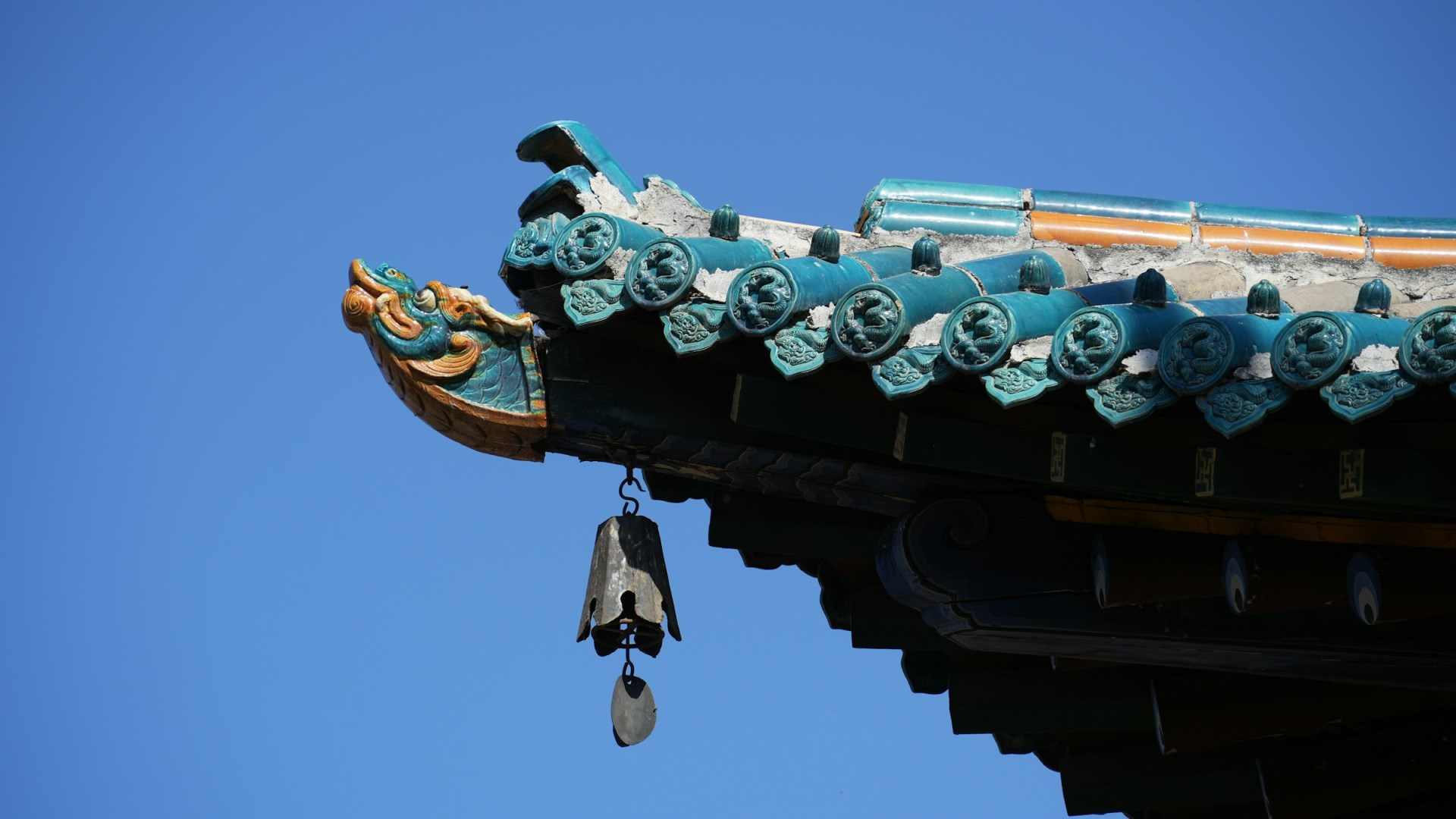
Pingyao, a city steeped in ancient charm, offers a remarkable glimpse into China’s rich history. This well-preserved city, a UNESCO World Heritage Site, is renowned for its classical ancient architecture, which remains largely intact since the Ming and Qing dynasties. Wander through the Pingyao Ancient City Wall, a formidable structure that encircles the city and provides panoramic views of the surrounding landscape. The wall, constructed in the 14th century, stands as a testament to the city’s strategic importance and historic significance.
As you explore Pingyao, don’t miss the Rishengchang Exchange Shop, China’s first bank, which offers a fascinating insight into the evolution of the Chinese financial system. This historic establishment, founded in 1823, showcases the early development of banking and trade in China.
Pingyao also provides an authentic experience of traditional Chinese life through its bustling local markets, where visitors can sample local delicacies and purchase handcrafted goods. The lively atmosphere of these markets offers a delightful contrast to the city’s historic sites.
Plan your visit in spring or autumn for the most pleasant weather and to fully enjoy the city's outdoor attractions and historic ambiance.
As you explore Pingyao, don’t miss the Rishengchang Exchange Shop, China’s first bank, which offers a fascinating insight into the evolution of the Chinese financial system. This historic establishment, founded in 1823, showcases the early development of banking and trade in China.
Pingyao also provides an authentic experience of traditional Chinese life through its bustling local markets, where visitors can sample local delicacies and purchase handcrafted goods. The lively atmosphere of these markets offers a delightful contrast to the city’s historic sites.
Plan your visit in spring or autumn for the most pleasant weather and to fully enjoy the city's outdoor attractions and historic ambiance.
Other Popular Destinations in China

Beijing, the capital of China, is a city where history and modern life intersect on a grand scale. Ancient landmarks like the Forbidden City, Tiananmen Square, and the Temple of Heaven reflect centuries of imperial heritage, while the Great Wall lies just outside the city, offering views of one of the most famous engineering feats in the world.

Shanghai is a city where contrasting timelines meet at every corner. Once a small fishing village along the Huangpu River, it grew rapidly during the 19th century into a major trading port. Today, its skyline tells a story of that transformation. On one side, the Bund’s colonial-era buildings stand tall in limestone and granite; on the other, the futuristic towers of Pudong, like the Shanghai Tower and Jin Mao, stretch into the clouds.
