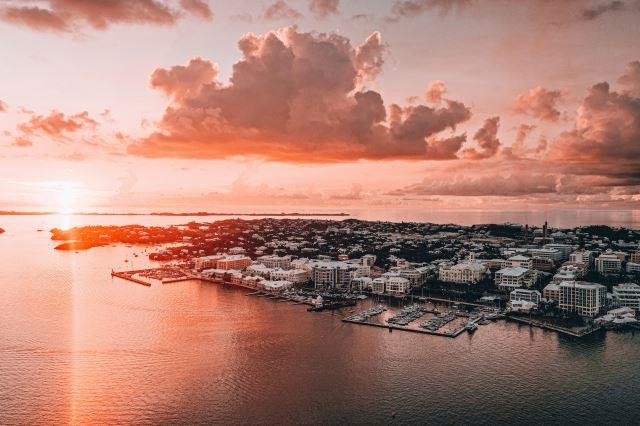
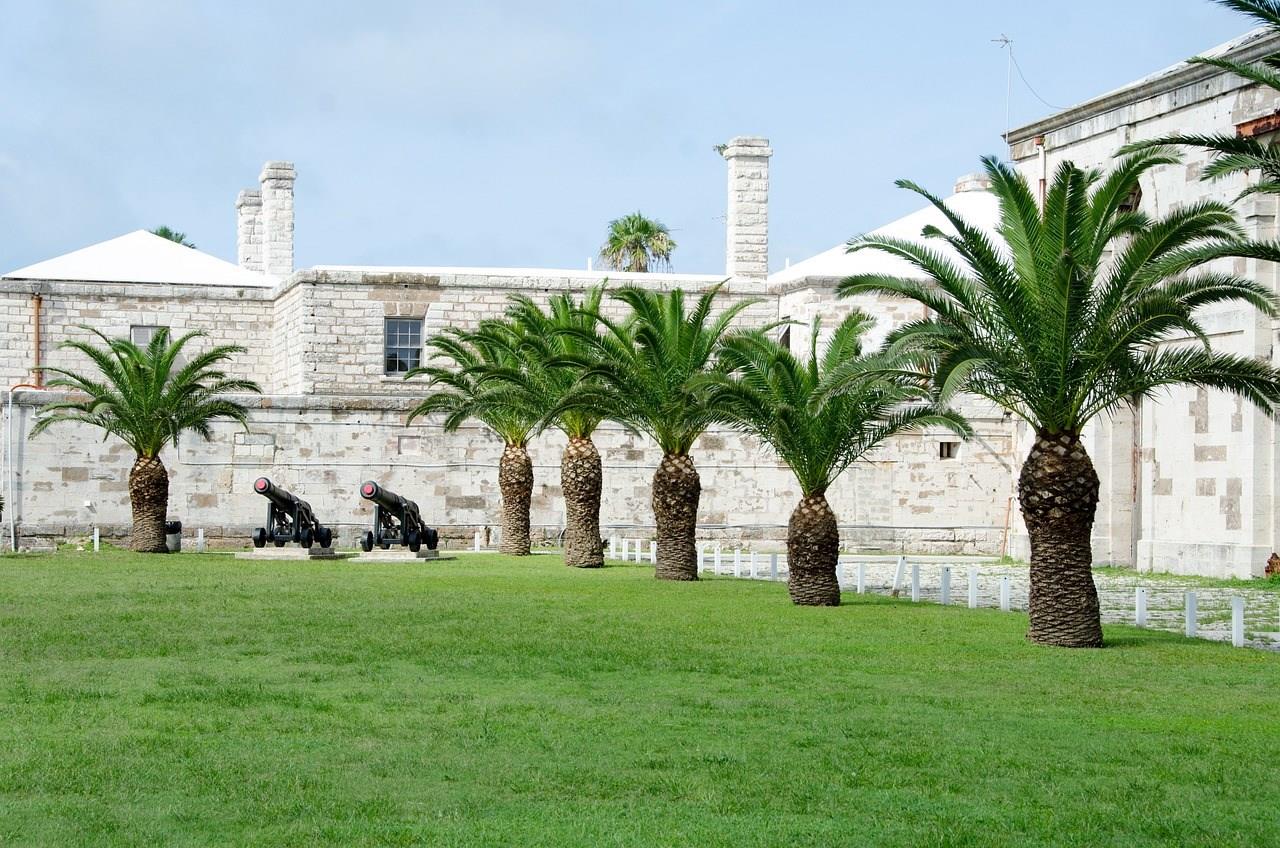
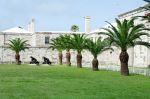
The Royal Naval Dockyard in Bermuda stands as a testament to the island's maritime history and naval heritage. Located at the western tip of Bermuda, this historic site was once a major naval base for the British Royal Navy and is now a thriving hub of culture, history, and tourism. The Dockyard's impressive buildings, including the Commissioner's House and the historic fortifications, offer a glimpse into Bermuda's naval past. The Commissioner's House, built in the early 19th century, now houses the National Museum of Bermuda, where visitors can explore exhibits detailing the island's maritime history, from shipwrecks to pirate lore.
Visitors can wander through the Dockyard's vibrant Market Place, where local artisans and shops offer a variety of goods, from handcrafted jewelry to Bermudian souvenirs. The area is also home to the Dolphin Quest, where guests can interact with dolphins in a unique and educational experience. The Dockyard's location on the waterfront provides beautiful views and easy access to nearby beaches and recreational activities. Stroll along the historic stone walls and enjoy the scenic beauty of the harbor and the crystal-clear waters of Bermuda (Bermuda Tourism Authority). A highlight of any visit to the Royal Naval Dockyard is the opportunity to explore the impressive maritime artifacts and historical reenactments that bring Bermuda's naval history to life. The Bermuda Maritime Museum offers guided tours and exhibits on Bermuda’s role in naval warfare and trade. Don't miss the chance to experience the Dockyard's annual events, such as the Bermuda Festival of the Performing Arts and the Dockyard Summer Series, which feature local music, dance, and cultural performances.
Fun Fact: The Royal Naval Dockyard is home to the Bermuda Rum Cake Company, where you can sample and purchase delicious rum cakes made with Bermuda's own Black Seal Rum. This treat is a beloved local delicacy and makes for a perfect souvenir of your visit.
Other Popular Destinations in Bermuda
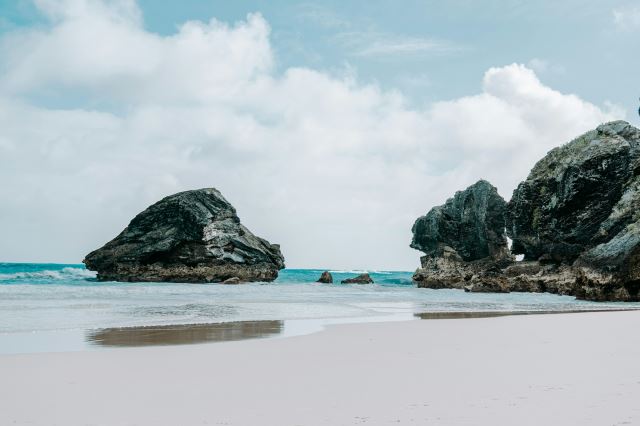
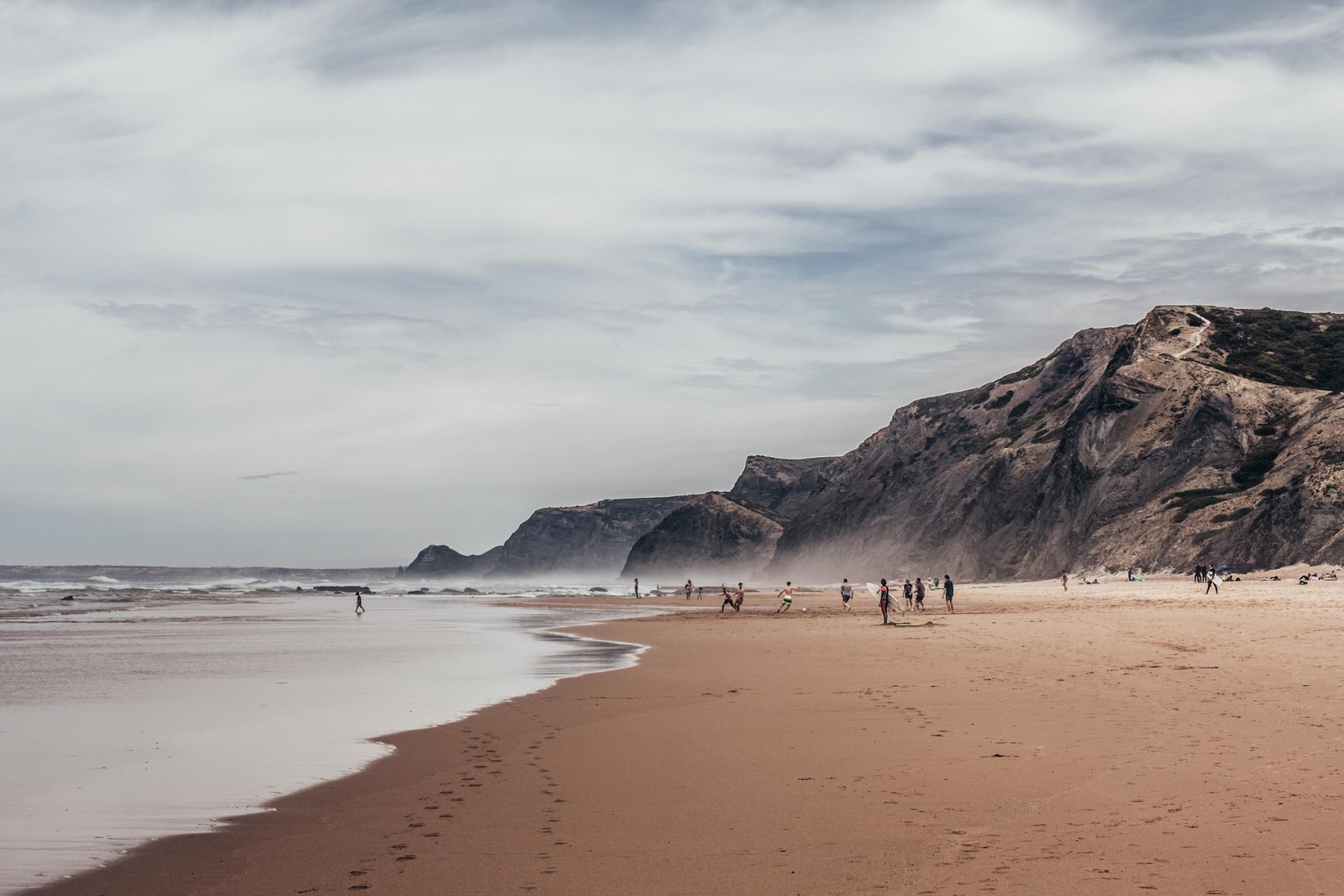
Horseshoe Bay is a broad crescent-shaped beach on Bermuda’s South Shore in Southampton Parish, named for the curve formed by its shoreline. Its pale pink sand contrasts with the blue Atlantic water, while limestone cliffs and rocky outcrops frame both ends of the beach. The shoreline is part of Bermuda’s protected coastal environment, with dunes and native vegetation growing behind the sand.