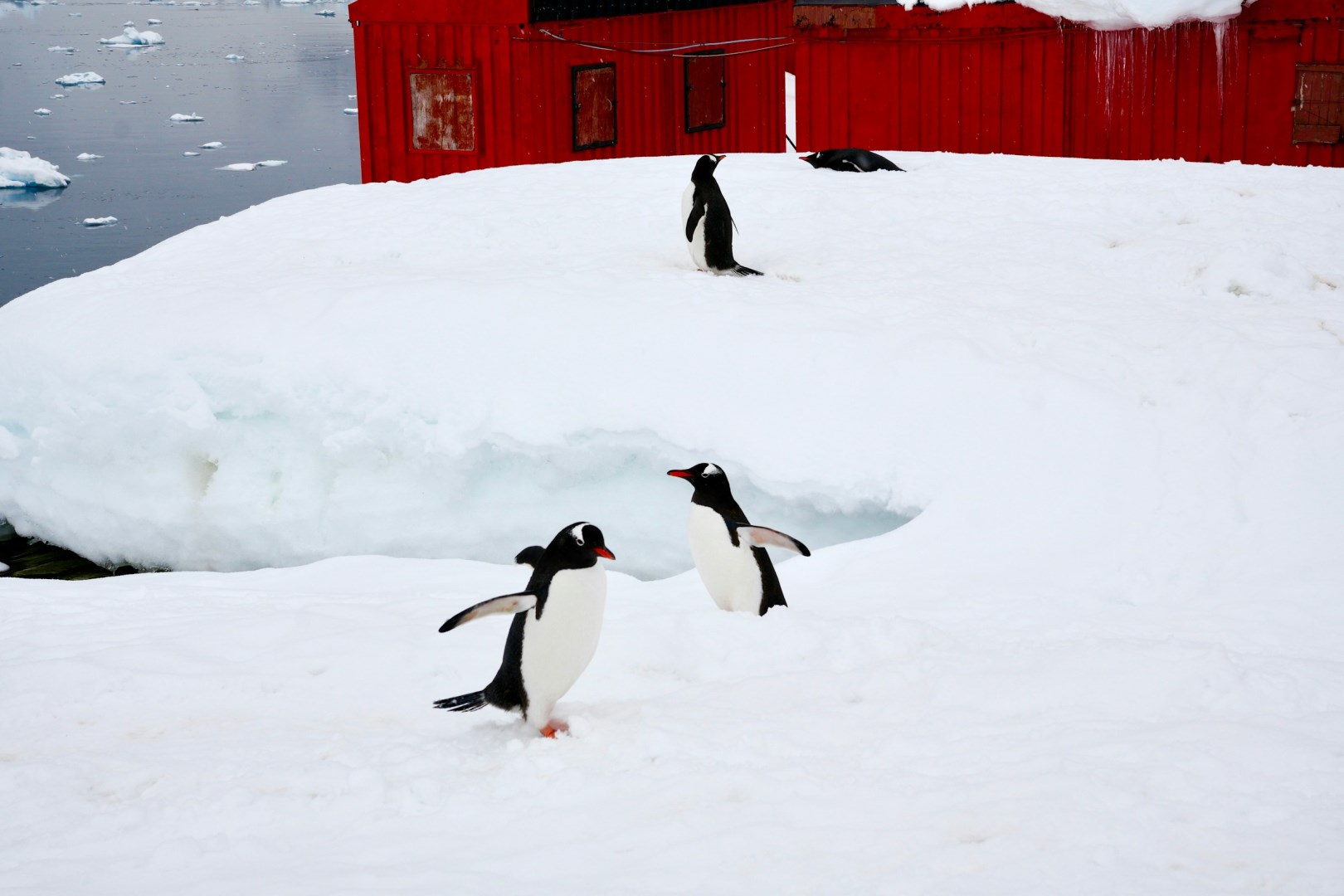
The name is not an exaggeration. Here 100-foot high glaciers and precipitous mountains present an incomparable panorama, a riot of color in white, red, yellow and blue.
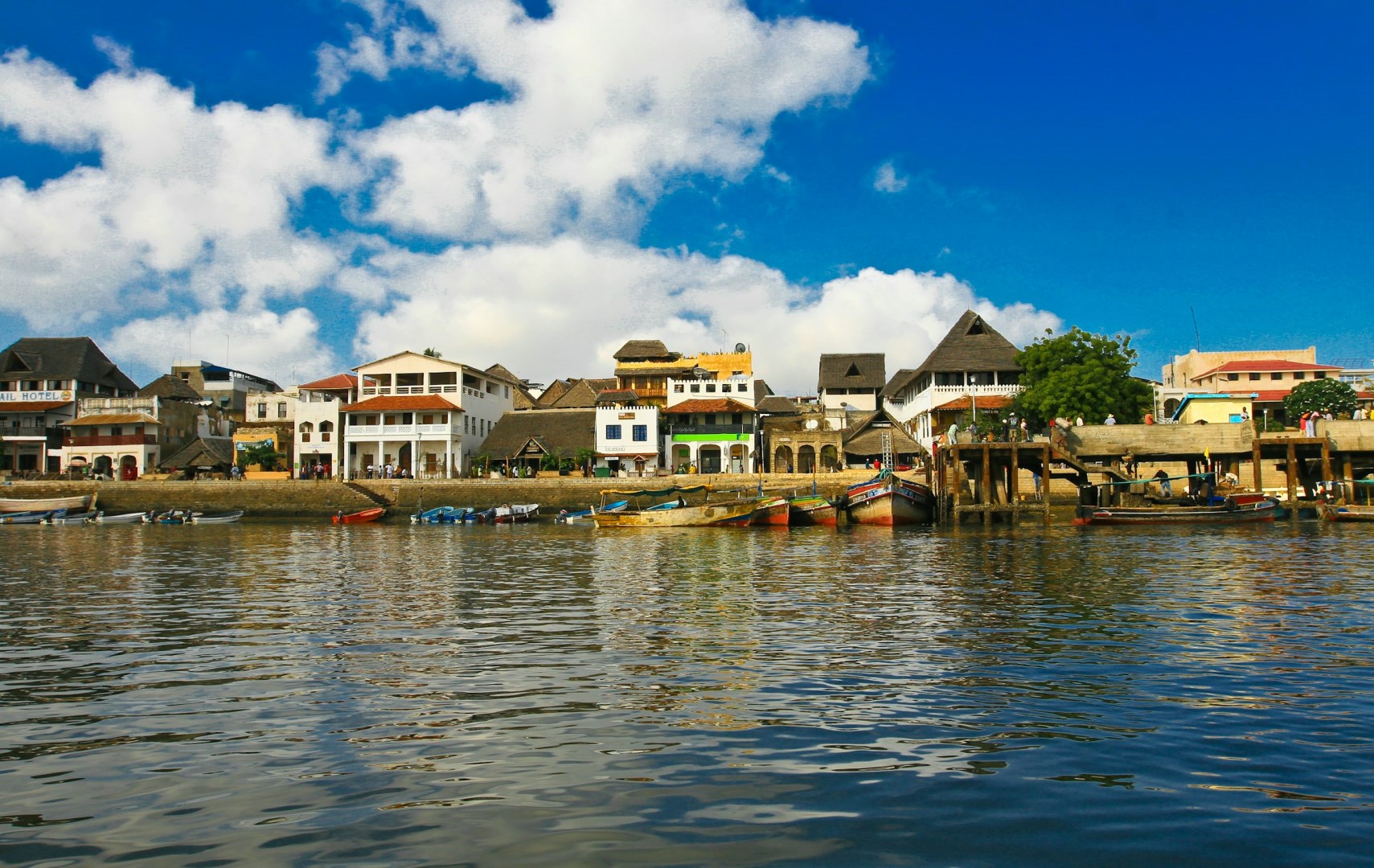
Lamu is a place of fantasy and other-worldliness wrapped in a cloak of medieval romance. With an almost exclusively Muslim population, Kenya's oldest living town has changed little in appearance or character over the centuries. Remote and self-contained, this once thriving port town is now a gloriously relaxed and relaxing destination.
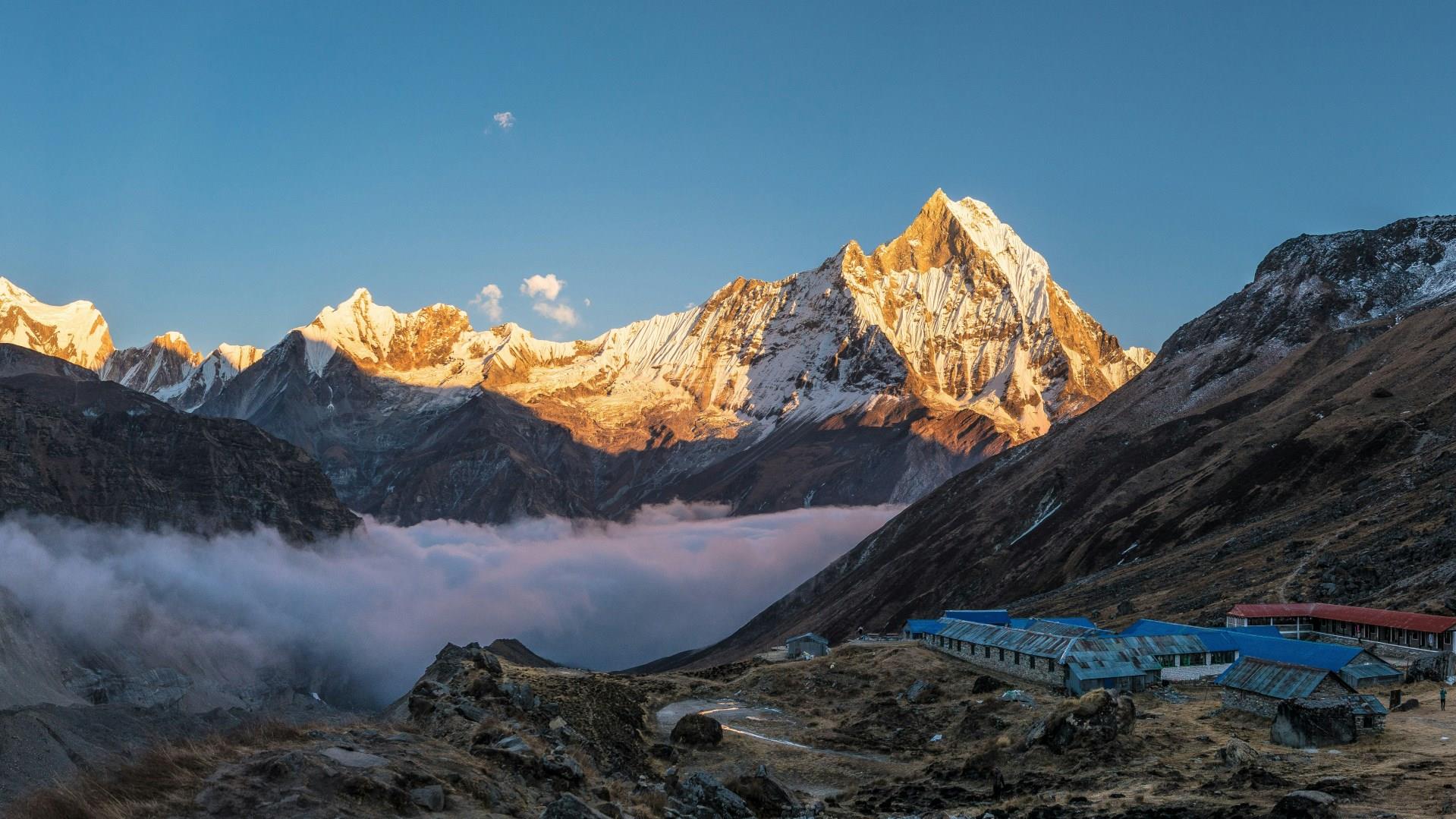
The Annapurna region of central Nepal is defined by both cultural depth and extreme topography. Home to a wide range of ethnic communities, including Gurung, Thakali, and Manangi peoples, the area has long been shaped by trans-Himalayan trade routes and mountain agriculture.
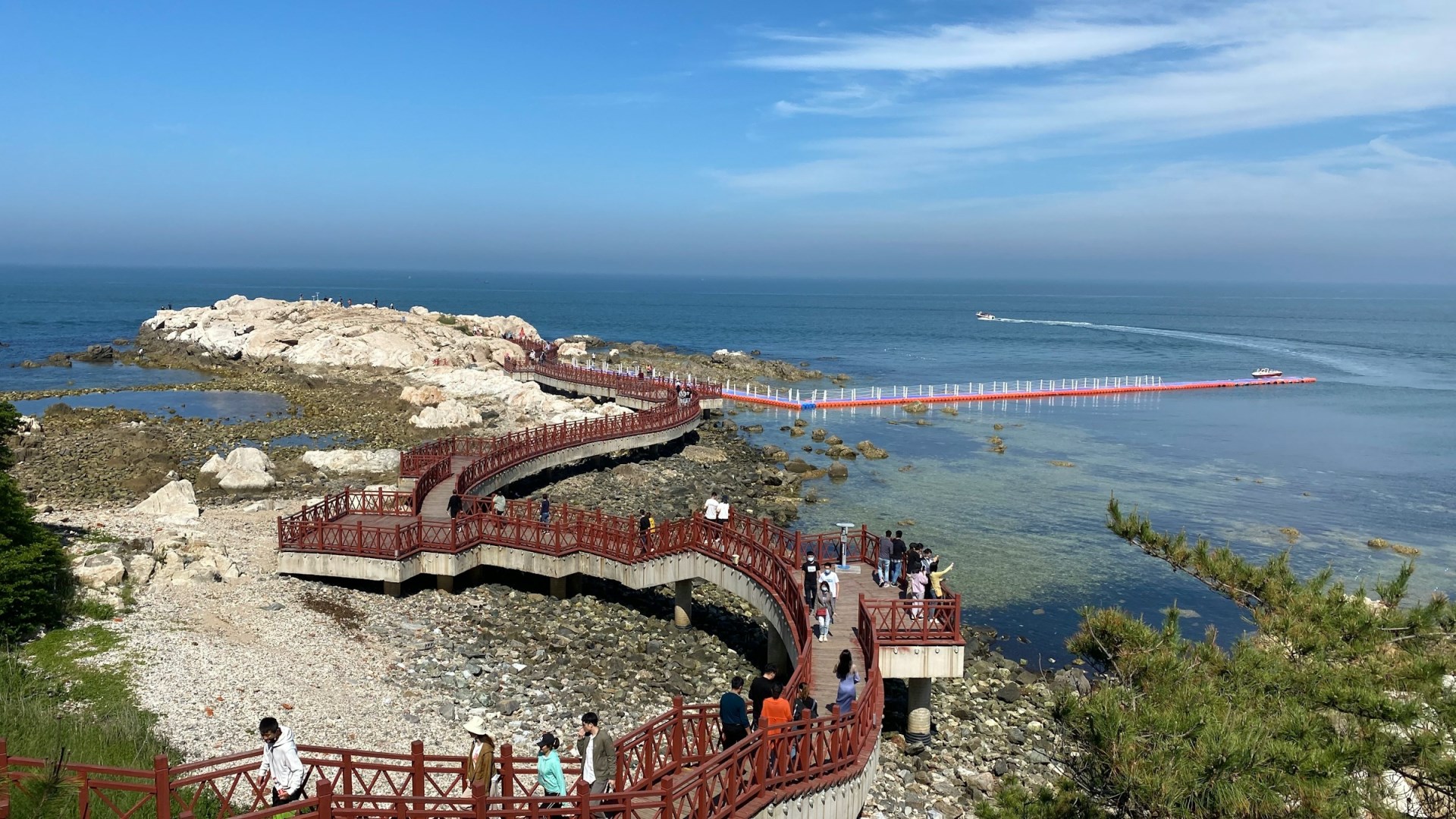
Yantai is on the coast of the Bohai Sea and one of the most picturesque small cities in China. Visit Penglai Pavilion, said to be where the 8 Taoist Immortals flew across the sea or view the city from the 14th-century Yuhuang Hill Temple where the abundant rose-colored buildings and orange-tiled roofs of the town are nestled between the sea and the gentle hills.
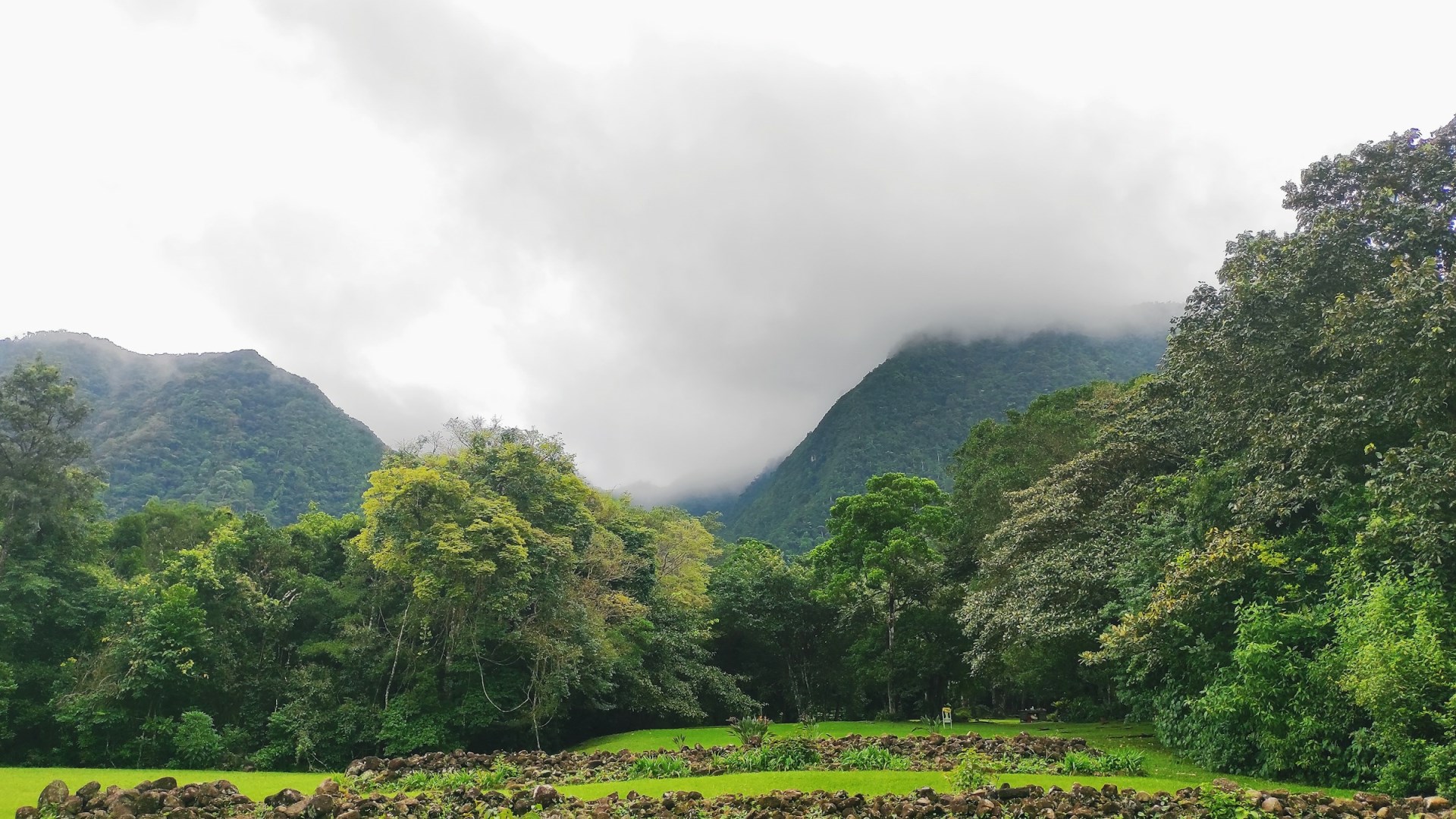
El Valle de Antón is a mountain town in Panama’s Coclé Province, set within the broad crater of an inactive volcano. Its elevated setting gives the area a cooler climate than much of the surrounding lowlands, while mountains and forested slopes surround the town. Streams, waterfalls, gardens, farms, and wooded areas are found throughout the valley, creating a landscape shaped by volcanic geology and tropical vegetation.
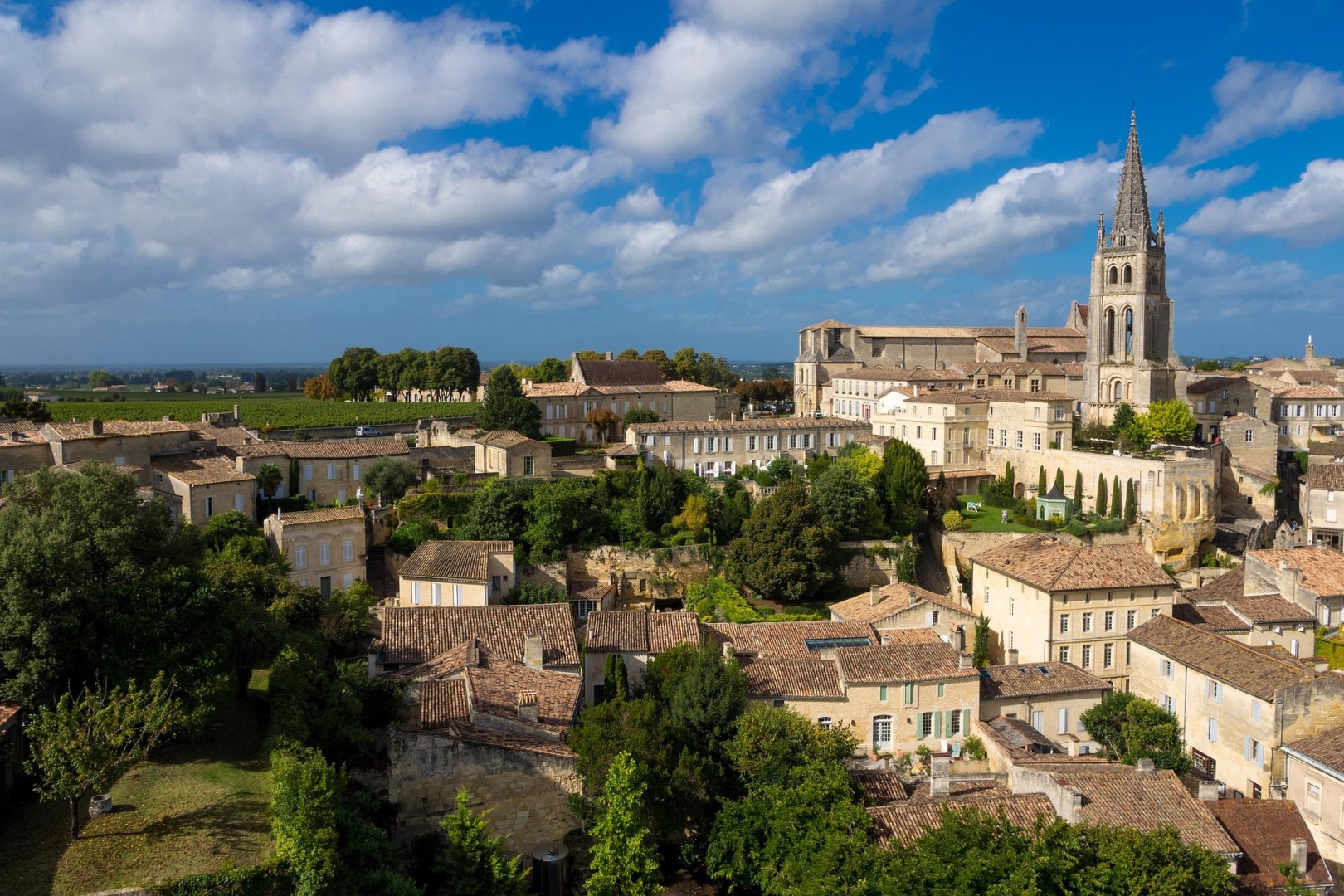
Saint-Émilion, nestled in the heart of southwest France, is a living monument to centuries of craftsmanship, faith, and wine-making. Recognized as a UNESCO World Heritage Site since 1999, this medieval town sits on a limestone plateau surrounded by vineyards that date back to Roman times. Visitors can explore cobbled streets that wind past centuries-old stone houses, descend into underground catacombs carved by monks, and visit the astonishing Monolithic Church.
Photo Credit: Photo by Nikolai Kolosov on Unsplash
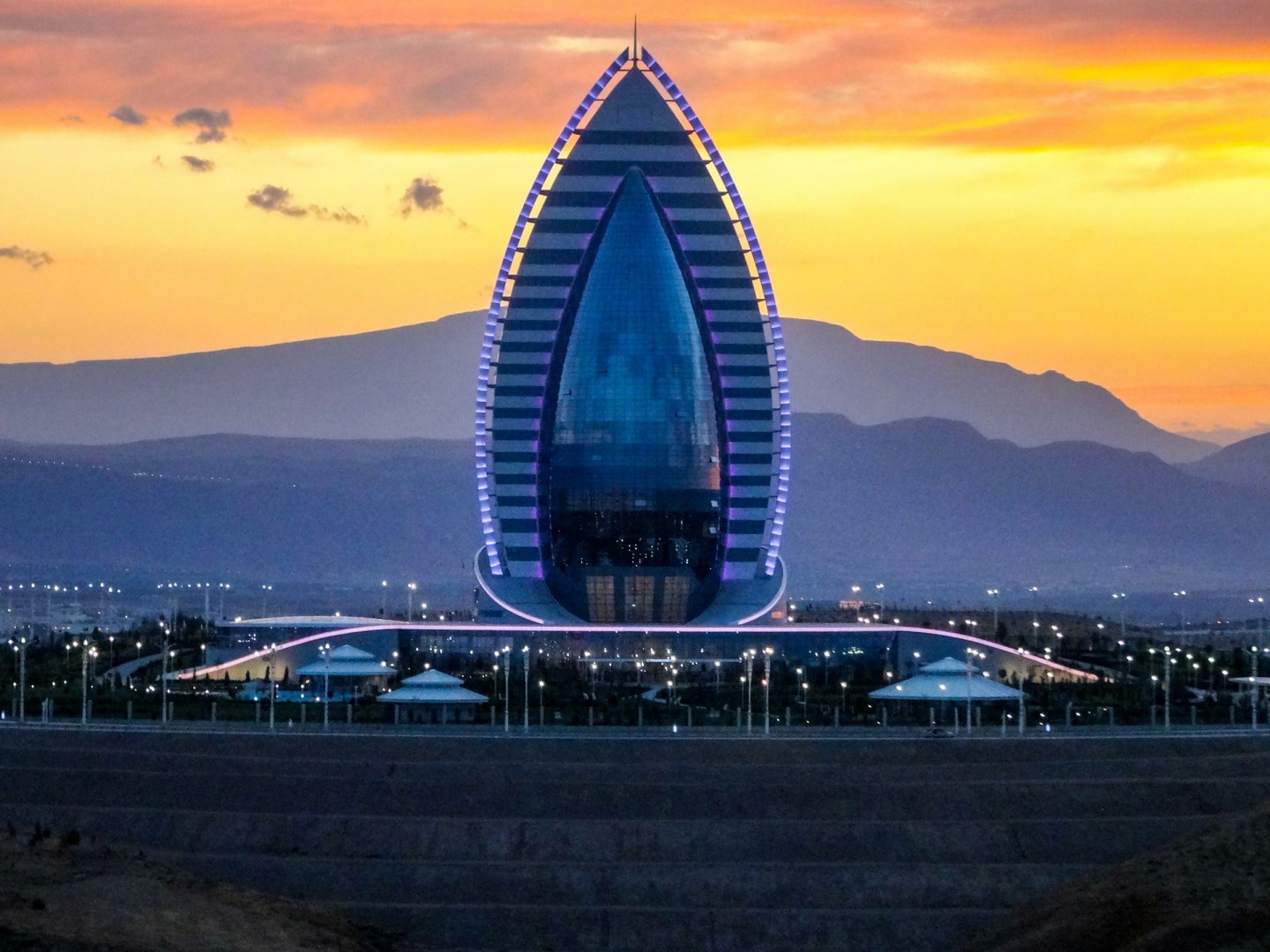
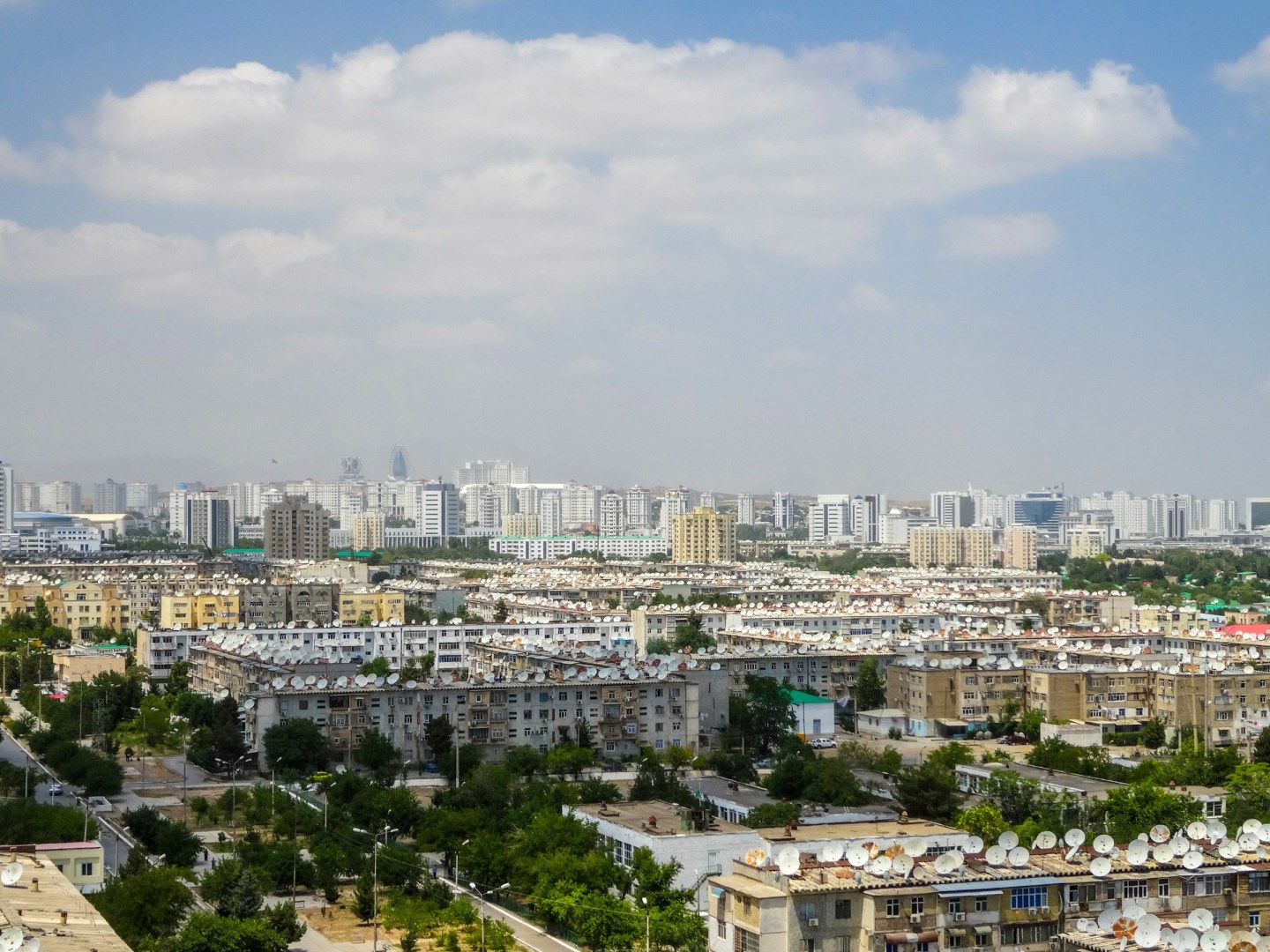
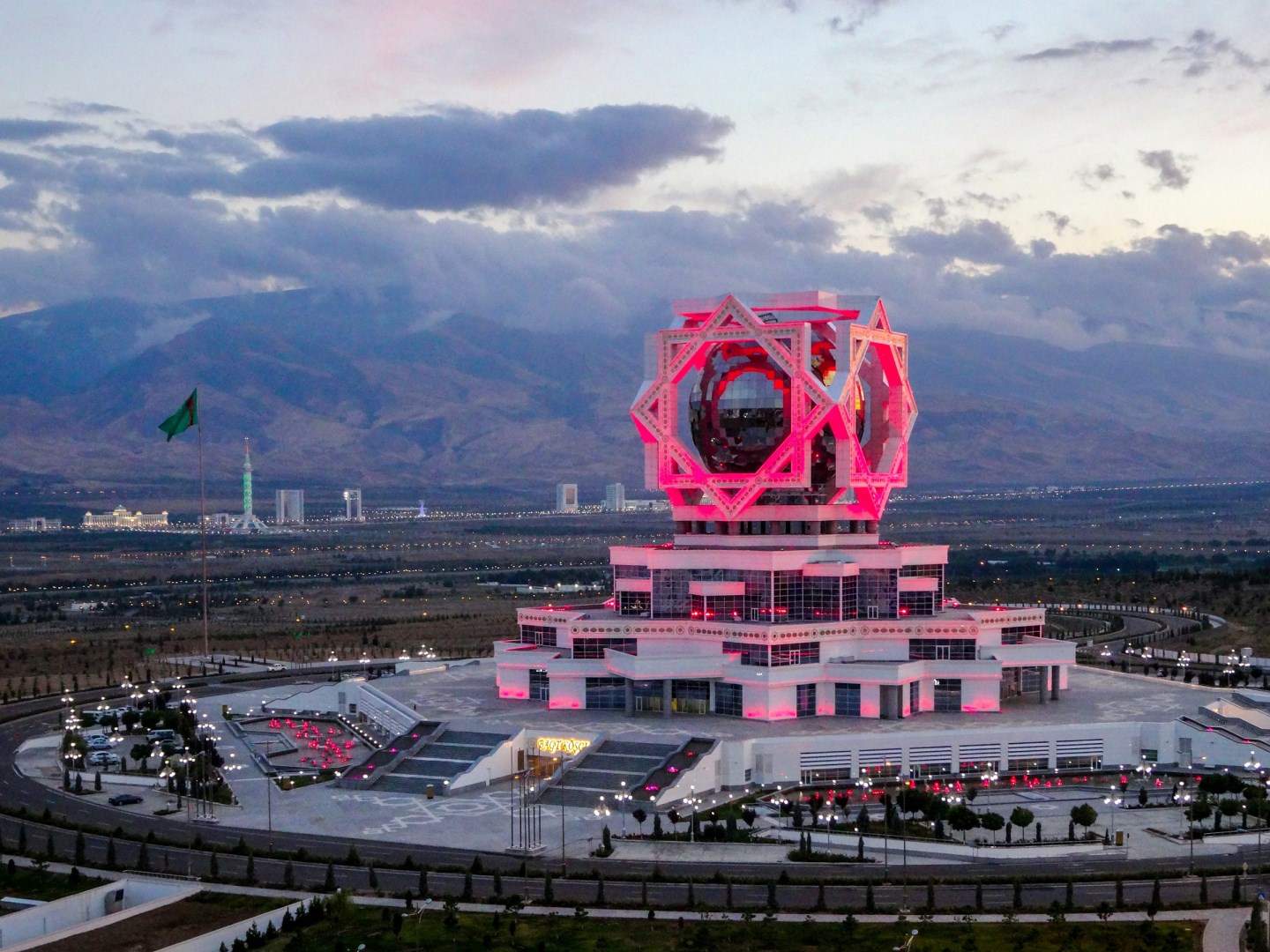
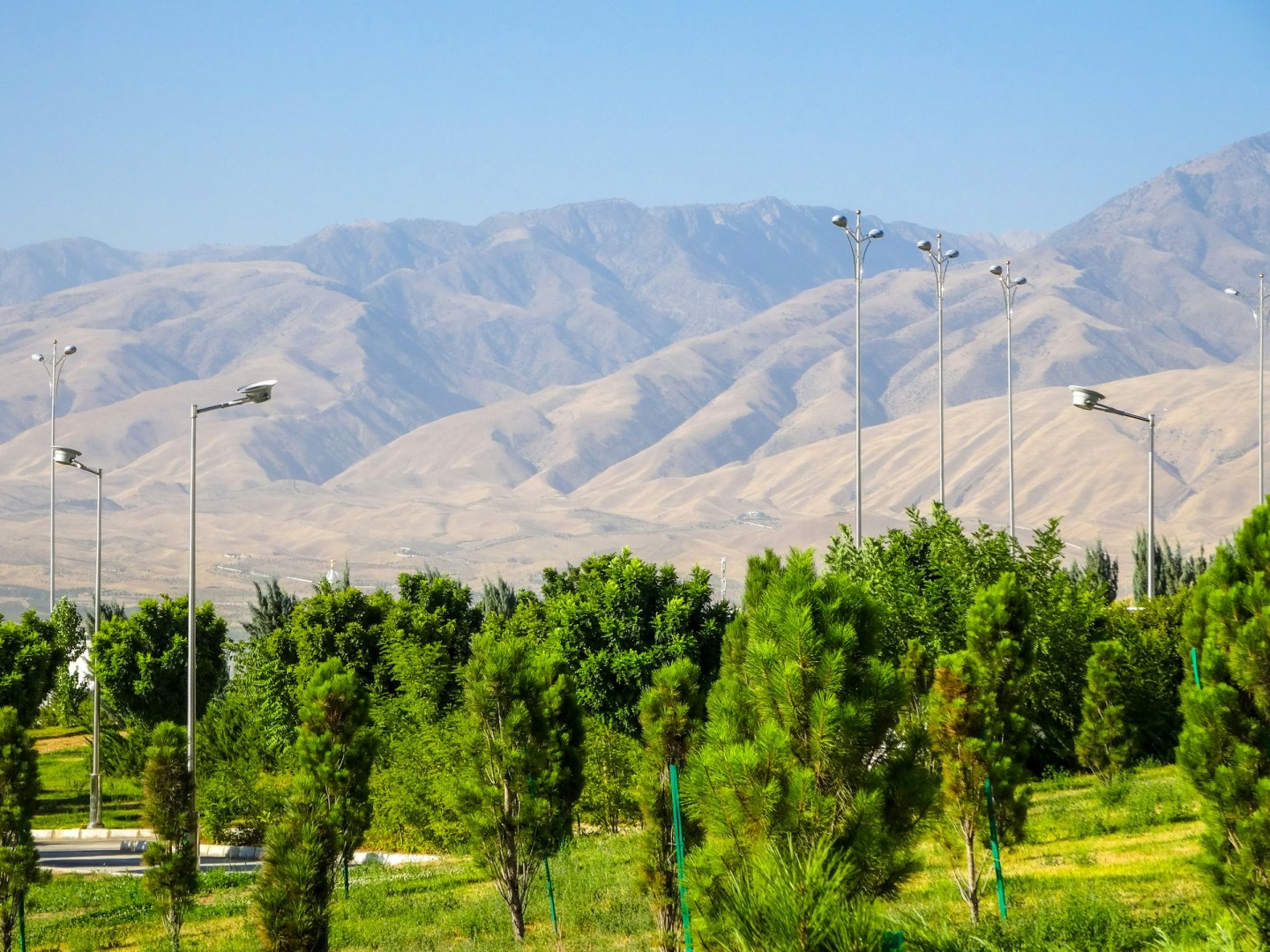
Ashgabat (formerly Ashkhabad) is the capital and the largest city of Turkmenistan. In Persian, the name means "city of love." Notable attractions include the Karakum Canal, the Trans-Caspian railway, and numerous monuments and museums to explore.
Other Popular Destinations in Turkmenistan
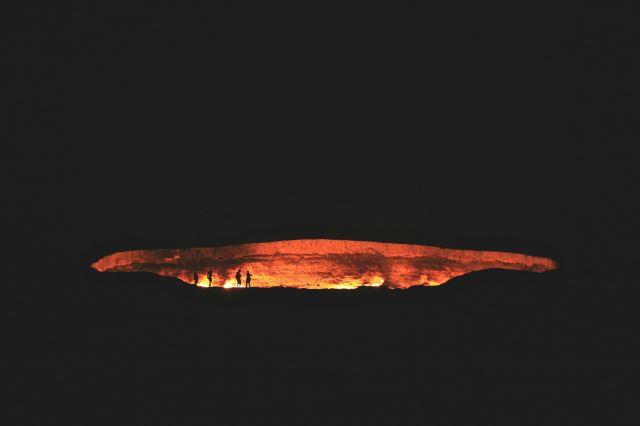
Darvaza
The Darvaza Gas Crater, famously nicknamed the “Door to Hell,” is one of Turkmenistan’s most extraordinary landmarks. Located deep in the Karakum Desert, this fiery pit has been burning continuously since the early 1970s, when Soviet engineers reportedly set fire to a collapsed natural gas field to prevent the spread of methane.