
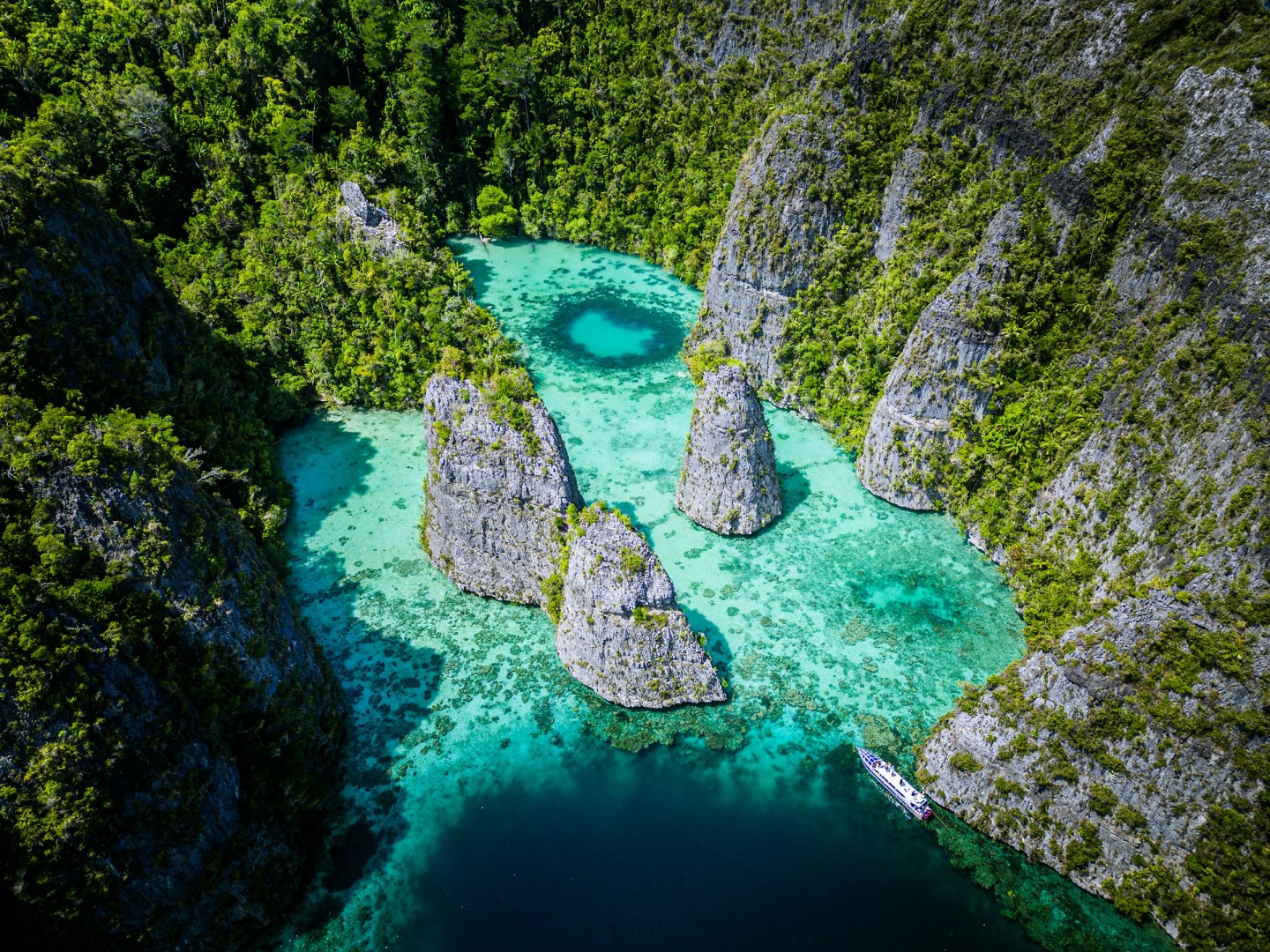
Misool is one of the four major islands of Raja Ampat in Southwest Papua, Indonesia, lying southwest of the larger island of New Guinea. The island is surrounded by a network of smaller islands, reefs, limestone formations, and sheltered bays. Much of its landscape remains lightly developed, with dense forest covering the interior and clear waters extending along the coast.
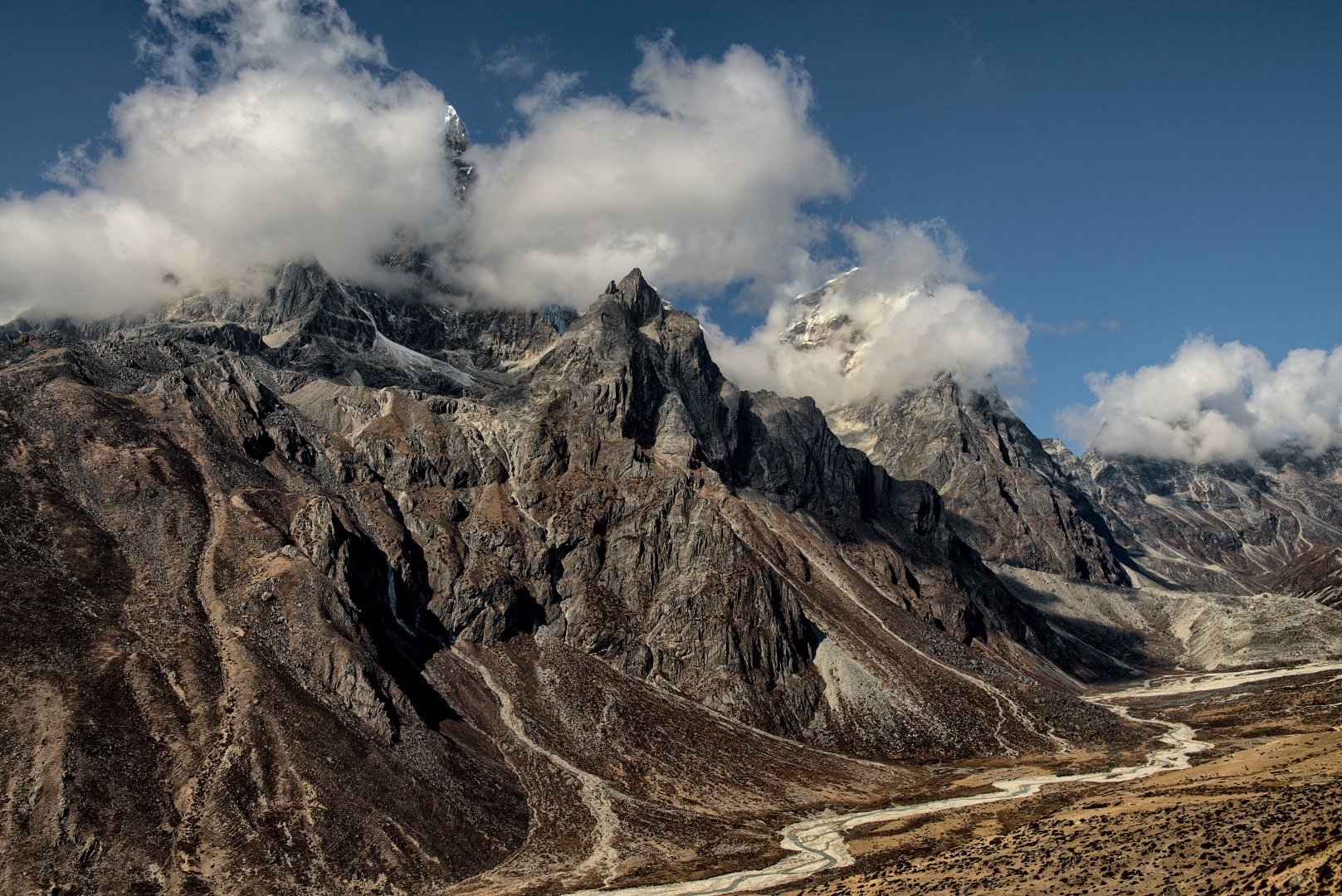
High in the Khumbu region, Lobuche sits in a stark alpine setting along the trail toward Mount Everest. Surrounded by rocky terrain and glacial formations, the village stands close to the Khumbu Glacier, where the landscape shifts into shades of gray, white, and deep blue. The air here is thin and crisp, and the silence is often broken only by the wind moving across the valley.
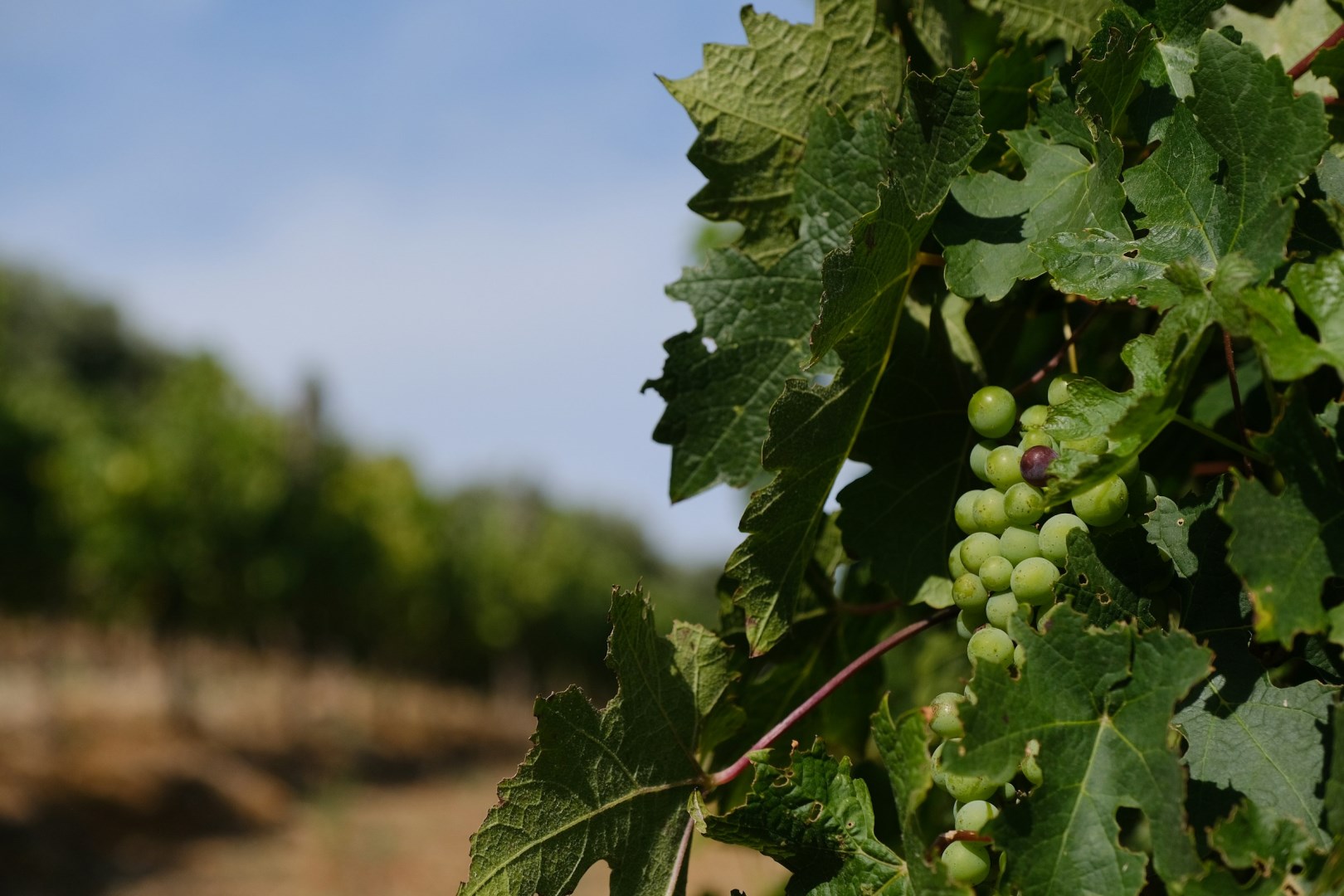
Cape Winelands is a wine-producing region in South Africa’s Western Cape, centered on towns such as Stellenbosch, Franschhoek, and Paarl. Vineyards cover broad valleys beneath the Hottentots Holland, Simonsberg, and Drakenstein mountain ranges, creating a landscape where cultivated farmland meets rugged slopes. Stellenbosch is known for its historic town centre and concentration of wine estates, while Franschhoek has a strong connection to French Huguenot heritage.
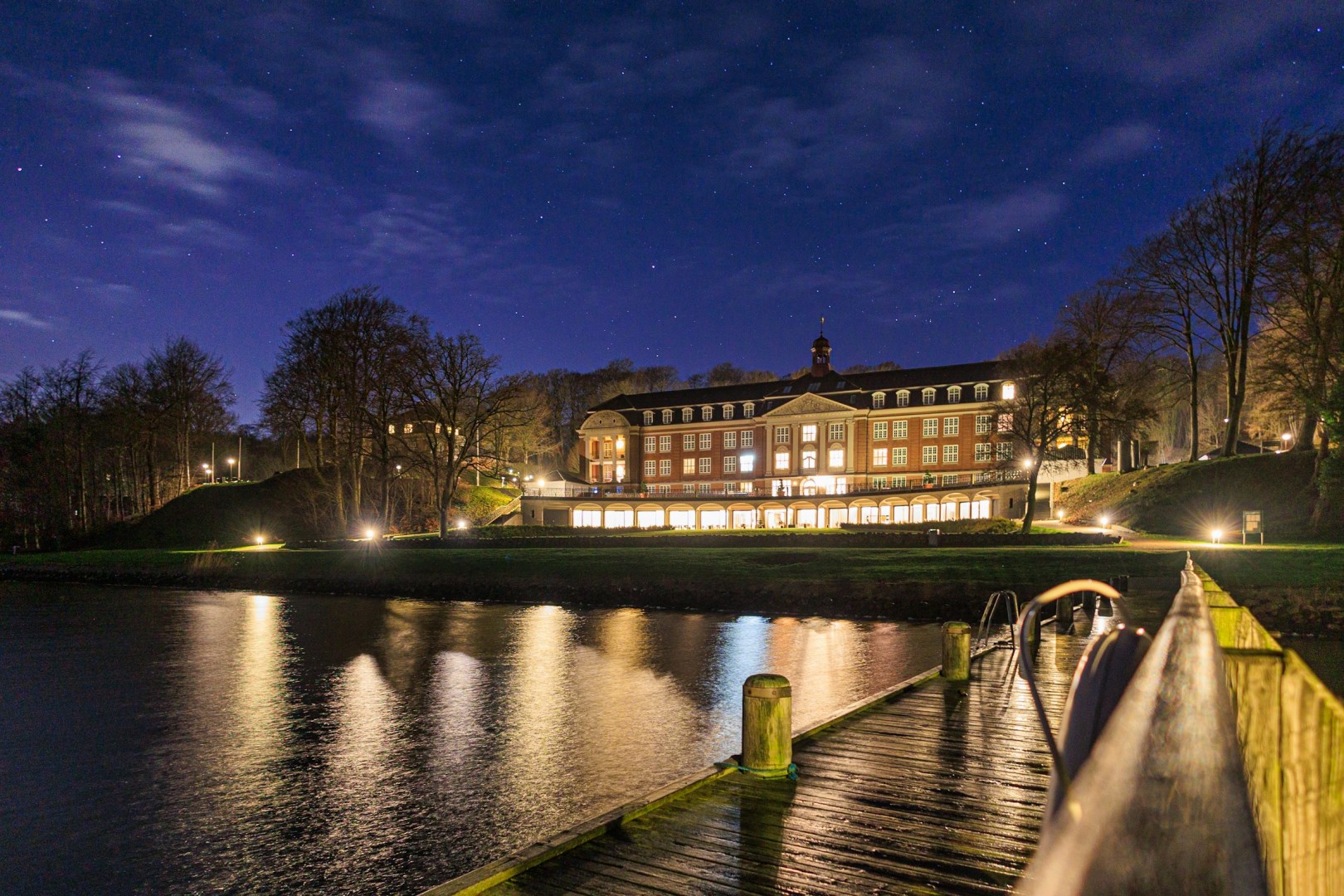
The town is beautifuly situated near the forest and the water, and the varied countryside all around provides lots to see and do. Kolding is a modern town with roots deep in history, and the many activities, events and holiday opportunities available here ensure that there's always something for everyone. Places to visit include: Koldinghus Castle, Trapholt Museum of Art, Geographical Gardens and more.
St. Maarten, a dazzling island in the Caribbean, is renowned for its unique blend of Dutch and French cultures, reflecting its dual governance. The capital, Philipsburg, on the Dutch side, invites visitors with its vibrant Front Street, lined with duty-free shops, colorful markets, and charming eateries. The island’s cultural tapestry is further showcased in the Museum of Sint Maarten, where artifacts and exhibits illustrate the island's rich history and heritage.
Photo Credit: Photo by Bart van der Lugt on Unsplash
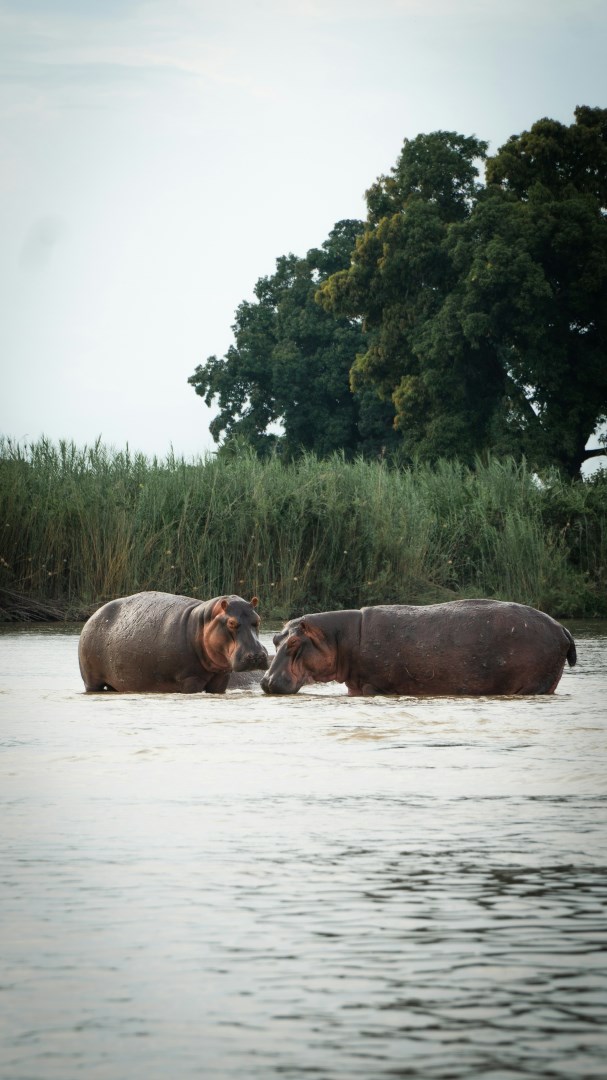
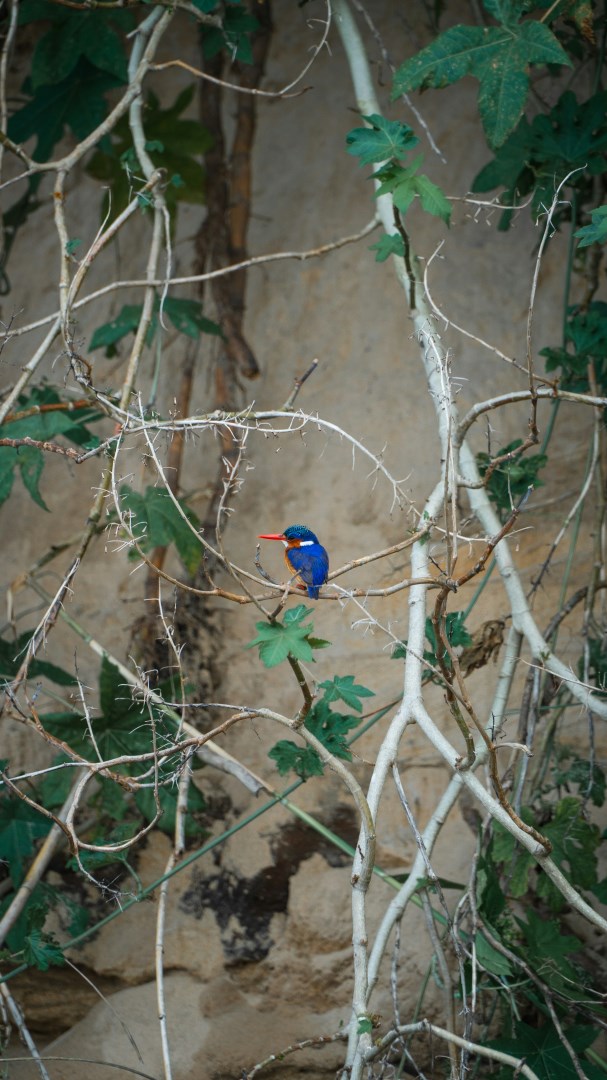
Located in the south of Tanzania, the Selous Game Reserve is one of the largest. Thanks to the undisturbed wilderness and diverse wildlife, it was named a UNESCO World Heritage site in 1982.
Much of the reserve is set aside for game hunting through privately leased hunting concessions, but several high-end lodges and camps situated along the Rufiji River draw many tourists and photographers.
Other Popular Destinations in Tanzania
Serengeti
Serengeti, Tanzania, is a jewel of the African continent, renowned for its spectacular wildlife and breathtaking landscapes. This iconic destination is synonymous with the Great Migration, one of nature’s most awe-inspiring events. Each year, millions of wildebeest, zebras, and gazelles traverse the Serengeti’s vast plains in search of fresh grazing grounds, creating a dramatic and unforgettable spectacle.
Ngorongoro
Ngorongoro, Tanzania, is a destination where breathtaking landscapes and abundant wildlife converge in a truly unique way. Nestled within the Ngorongoro Conservation Area, this region is renowned for the Ngorongoro Crater, a UNESCO World Heritage Site. This ancient caldera, formed by a volcanic eruption millions of years ago, creates a natural amphitheater teeming with wildlife.