



Caribbean | St. Kitts and Nevis | Charlestown
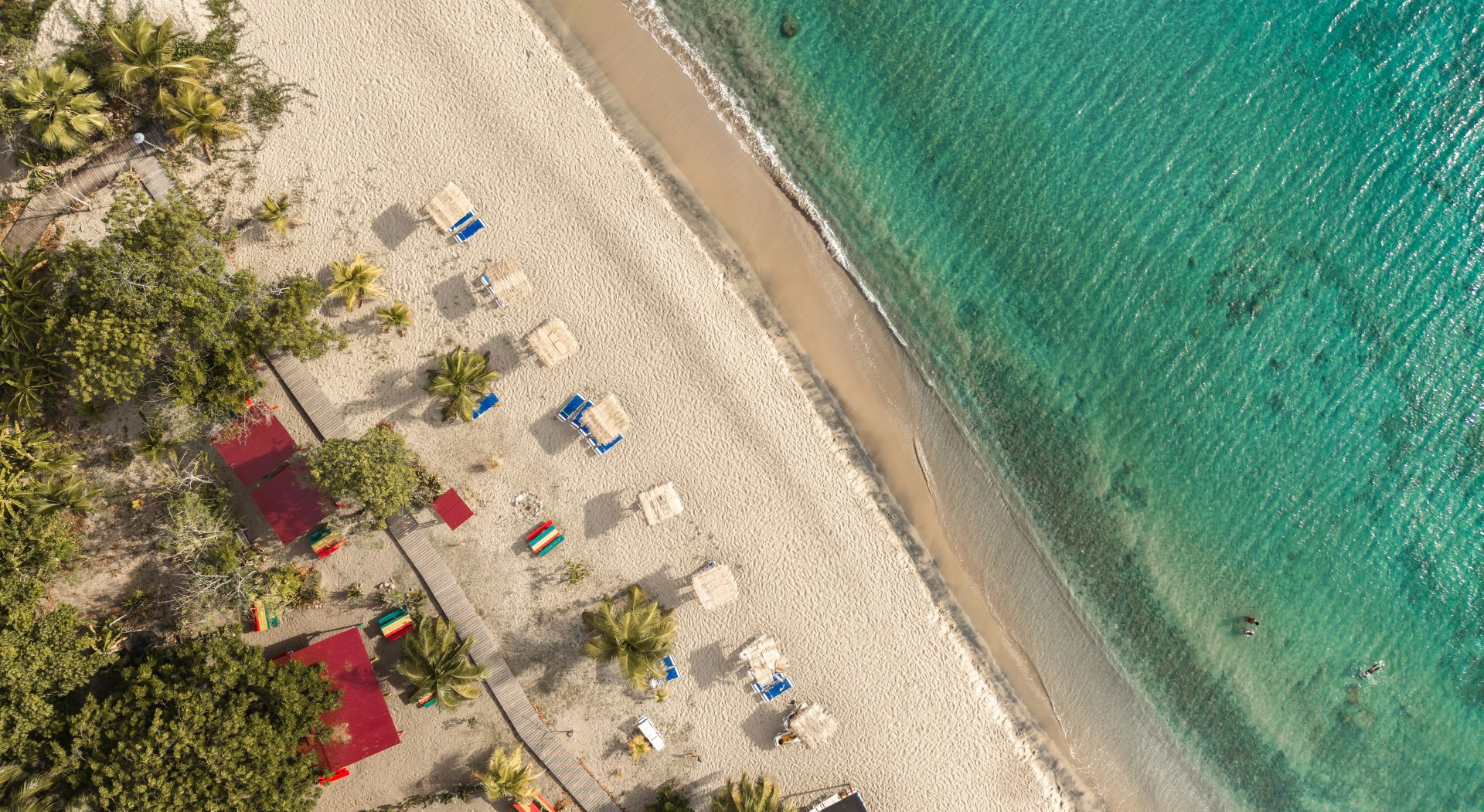
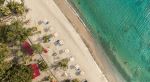
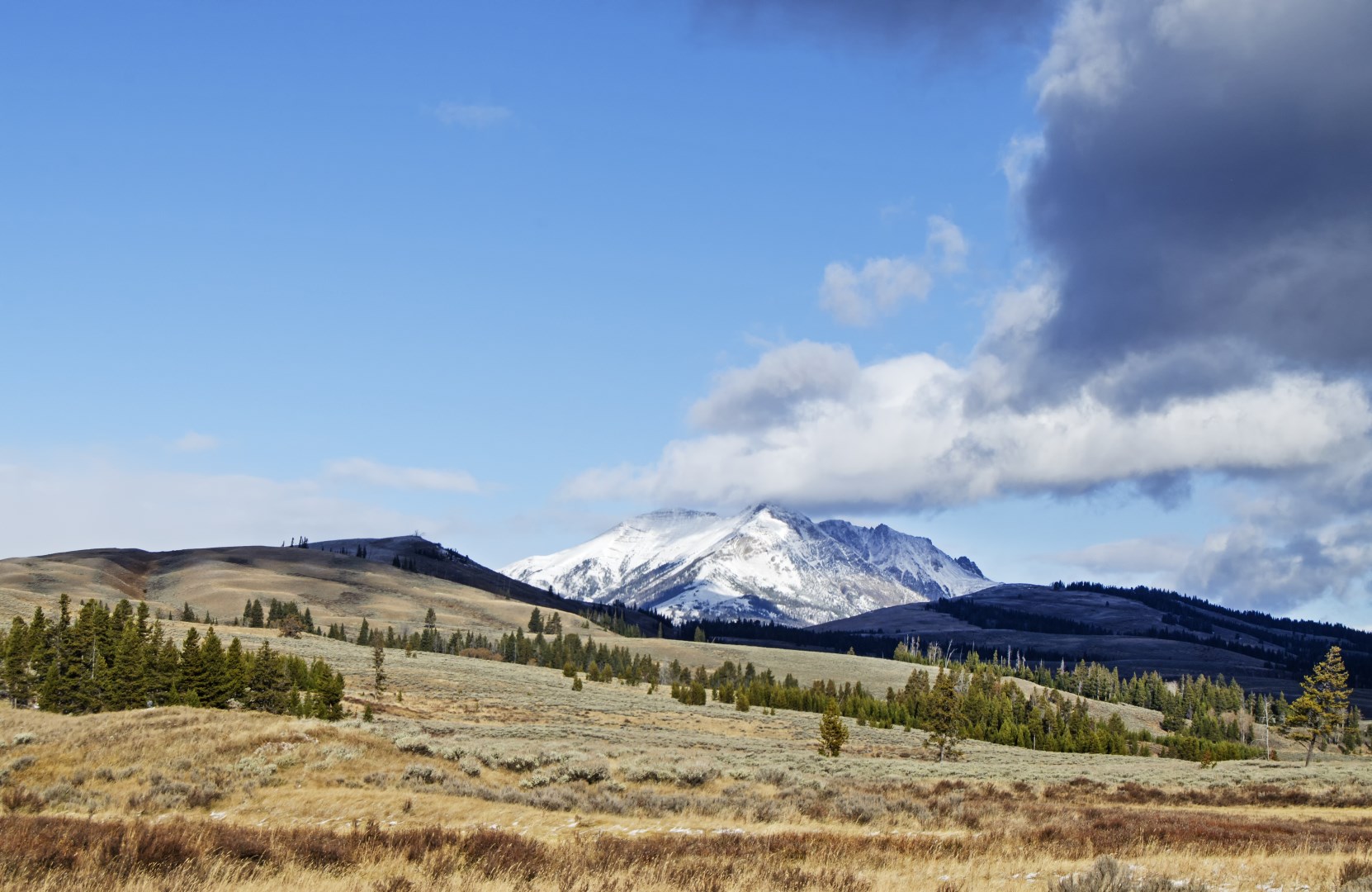
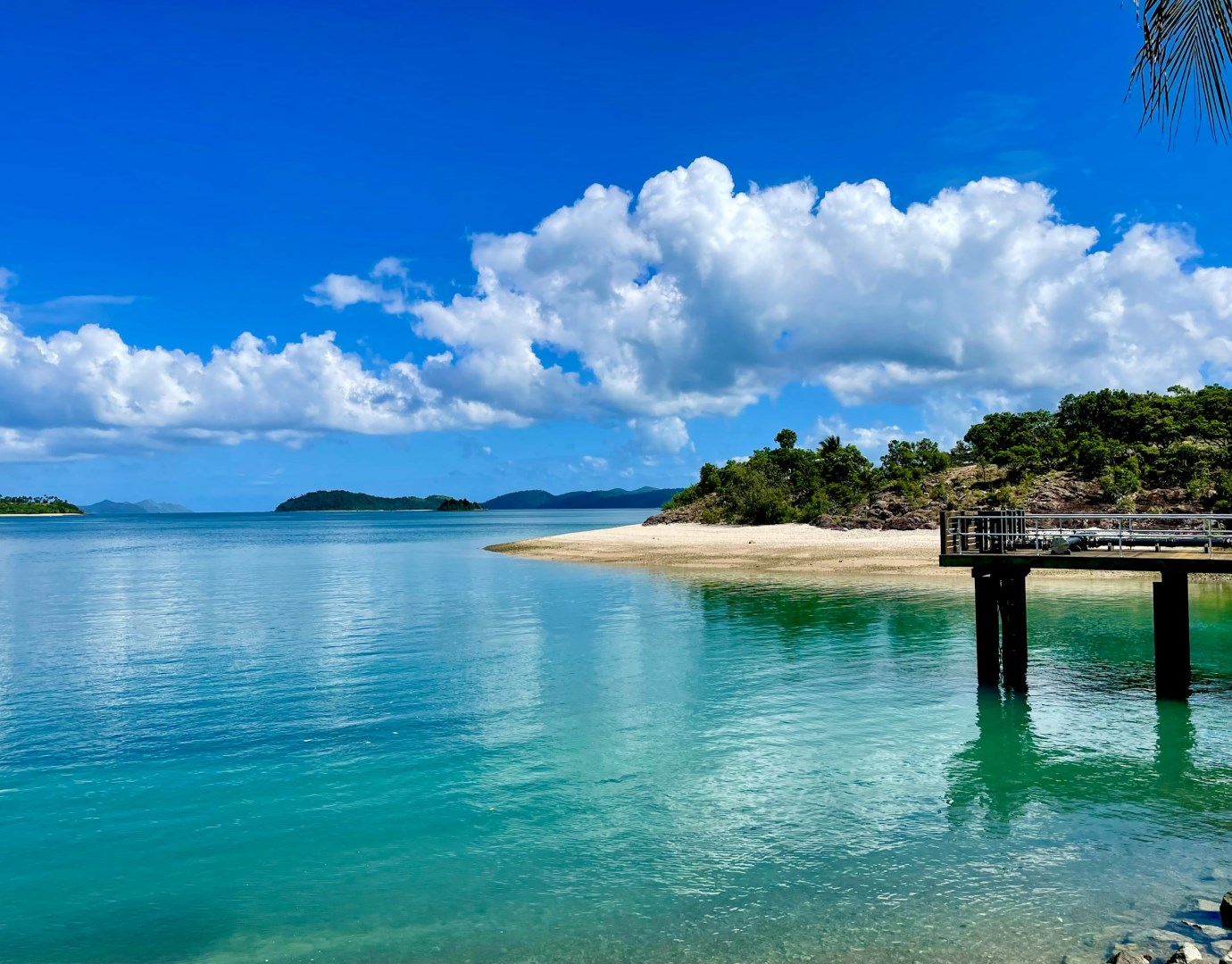
Charlestown is the historic capital of Nevis, located on the island’s west coast beside the Caribbean Sea. The compact town retains much of its Georgian-era layout, with low stone buildings, wooden houses, narrow streets, and a waterfront facing Saint Kitts across The Narrows. Charlestown also serves as an important ferry and water-taxi arrival point, connecting Nevis with neighbouring islands. Beyond the town, Nevis Peak rises above a landscape of rainforest, sugar-cane fields, and coastal settlements. The combination of preserved architecture, maritime activity, and mountain scenery gives Charlestown a distinct place within Nevis.
Charlestown’s cultural identity is closely connected to Nevisian history, African and European heritage, and the island’s former sugar economy. The town is associated with Alexander Hamilton, who was born on Nevis and is commemorated through the Alexander Hamilton exhibition. The Nevis Historical and Conservation Society preserves collections documenting the island’s Indigenous, colonial, African, and post-emancipation history. Traditional Nevisian wooden houses, churches, string-band music, kite making, and community celebrations remain important cultural features. Culturama, held on the island, includes music, dance, folklore, parades, and performances that reflect Nevisian traditions.
The Museum of Nevis History and Alexander Hamilton exhibition is one of Charlestown’s principal heritage attractions, while nearby streets contain historic churches, cemeteries, and buildings associated with the town’s development. The Bath Hotel and its nearby hot springs lie just south of Charlestown, while the island’s interior provides access to rainforest trails and Nevis Peak. The waterfront and ferry pier offer views across the channel toward Saint Kitts, and local walking routes provide a way to explore the town’s compact historic centre. Charlestown is also a convenient base for reaching beaches, former sugar estates, and other heritage sites around Nevis.
Charlestown’s food reflects the wider cuisine of Nevis, with fresh seafood, lobster, goat water, stewed meats, ground provisions, plantains, and locally grown fruits appearing in local cooking. Caribbean spices such as nutmeg, ginger, turmeric, and allspice are widely used, while the island is also known for its mangoes and hosts a dedicated Mango Festival. Traditional cooking can include clay-pot preparation and dishes based on locally available produce. A notable feature of Charlestown is how closely its everyday waterfront, historic buildings, museums, and local businesses remain connected, allowing the town to function as both Nevis’s administrative centre and a living record of the island’s past.
Other Popular Destinations in St. Kitts and Nevis


