
Nestled on the shores of Skjalfandi Bay in northern Iceland, Husavik offers visitors the unique chance to witness humpback whales, minke whales, and even the occasional blue whale in their natural habitat. The town is also home to the Husavik Whale Museum, which provides fascinating insights into the marine life of the region and the history of whaling in Iceland.
Bratislava, Slovakia’s capital, sits along the Danube River at the crossroads of Central Europe. It's the only capital in the world bordering Austria and Hungary, which makes it an easy stop on many European itineraries. Yet Bratislava is more than a waypoint; it offers a compact city center filled with centuries of history. The Old Town’s cobbled lanes lead past Gothic cathedrals, Baroque palaces, and buildings once used by Habsburg royalty.
Nestled in Kenya’s southern region, Amboseli is a captivating destination renowned for its stunning landscapes and vibrant wildlife. Dominated by the majestic Mount Kilimanjaro, Amboseli National Park offers a striking contrast between the snow-capped peak and the arid plains below. The park is famous for its expansive vistas and the opportunity to witness diverse wildlife, including large herds of elephants, which are a major attraction.
Memphis is as deeply rooted in culture as it is in history. Discover the city's cultural attractions at the Memphis Brooks Museum of Art, The Pink Palace, The Orpheum Theatre and Dixon Gallery and Gardens. Elvis Presley's Graceland is the most visited site.
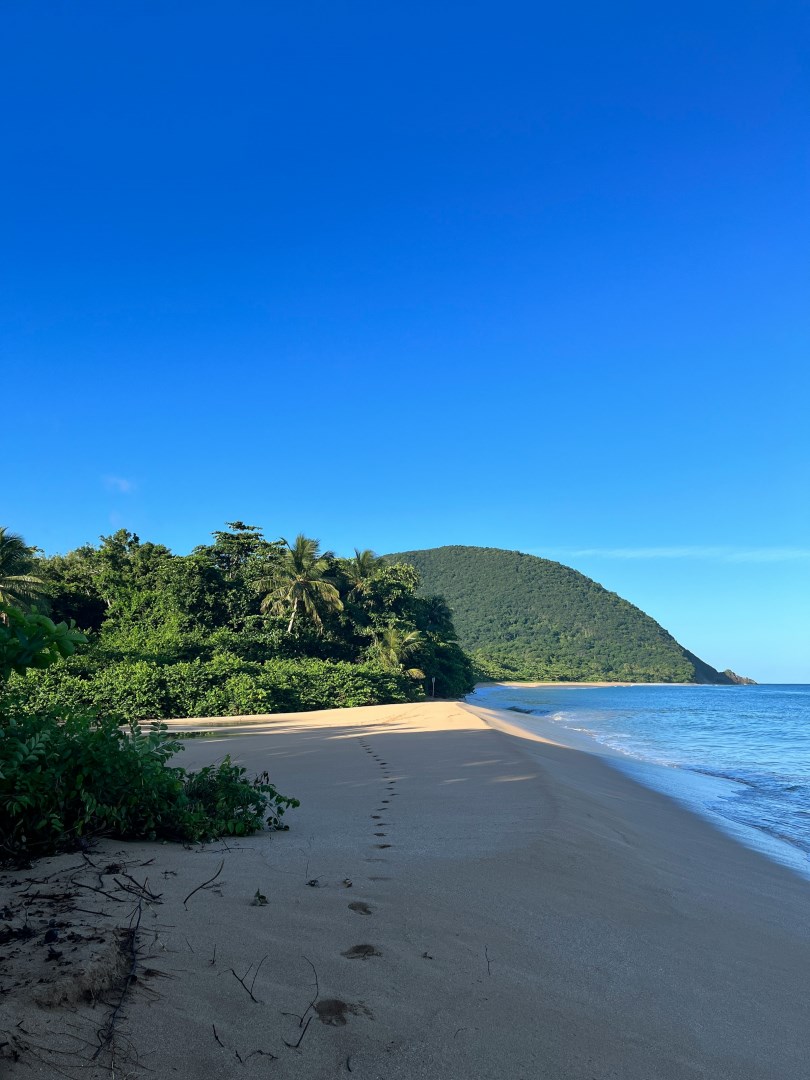
Maio, one of Cape Verde's hidden gems, offers a serene escape with its unspoiled landscapes and charming island atmosphere. This tranquil island, part of the Cape Verde archipelago, is renowned for its stunning beaches and laid-back vibe. The white sandy shores of Praia do Morro, with its crystal-clear waters and gentle waves, provide the perfect setting for relaxation and sunbathing, while the surrounding salt pans showcase Maio's historical role in the salt industry.
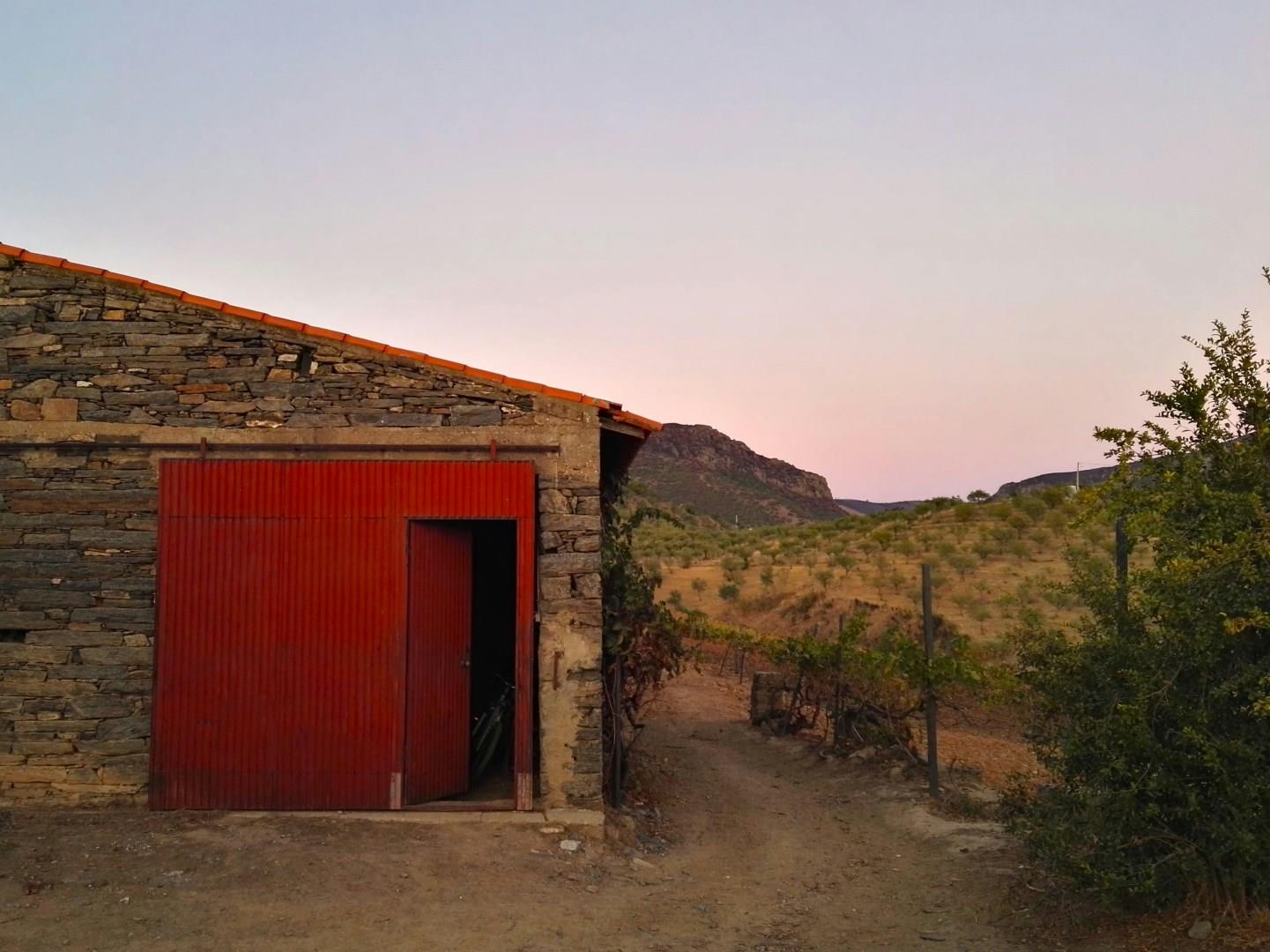
Eger sits in northern Hungary and is known for its well preserved Baroque center, historic castle and long tradition of wine and craft that draw visitors from across Europe. Just beyond the historic center, generations of winemakers have perfected local styles and offer tastings of local varieties. A casual afternoon here can feel like a gentle cellar crawl, with seasonal music or simple snacks adding to relaxed tastings under vine covered walkways.
Santa Cruz de La Palma is the capital of the island of La Palma, one of the seven Canary Islands. Although often forgotten in favor of the similarly named Santa Cruz de Tenerife, it is a compact and colorful colonial town well worth a visit. Swimming, paragliding, and hiking and some of the most popular daytime activities, while stargazing is a favorite pastime after the sun goes down. La Palma was recently name as a "Starlight Reserve," which means the island is committed to preserving the quality of the night sky as well as increasing access to viewing opportunities.