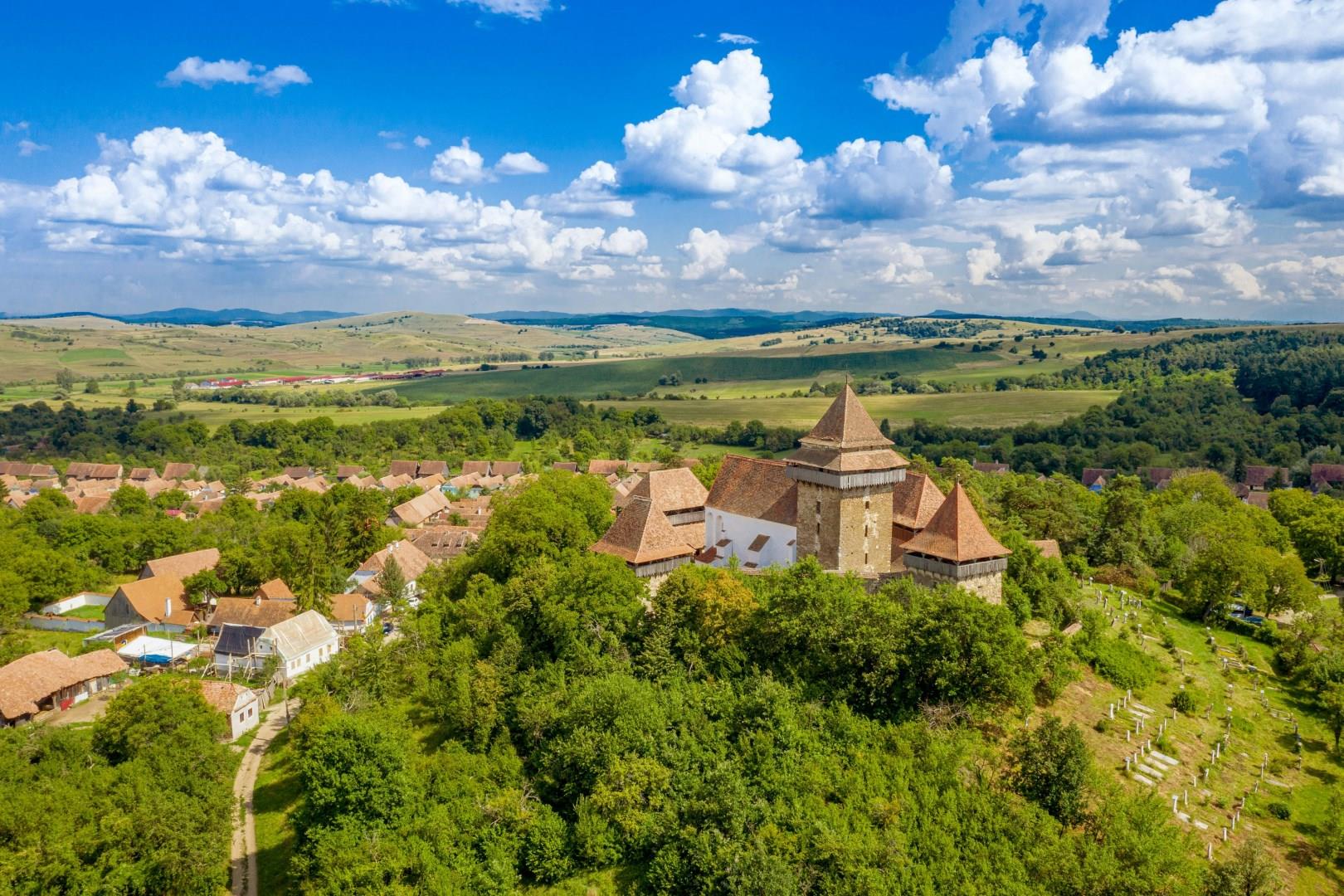
Transylvania is a historical region in central Romania, bordered by the Carpathian Mountains. It is known for its forested landscapes, medieval towns, and a mix of cultural influences shaped by Romanian, Hungarian, and Saxon communities. Cities such as Cluj-Napoca and Brașov serve as regional centers with preserved old quarters and growing modern districts. The region is often associated with folklore, but its identity is grounded in everyday rural life and long-standing settlement patterns.
Veracruz, Mexico, is a vibrant port city rich in history and culture. Founded in 1519 by Hernán Cortés, it is Mexico’s oldest city, and its historic center, with its colorful colonial buildings and bustling Zócalo, reflects its deep historical roots. Visitors can explore the impressive San Juan de Ulúa Fortress, a massive colonial-era fort that once served as a prison and a key military base.
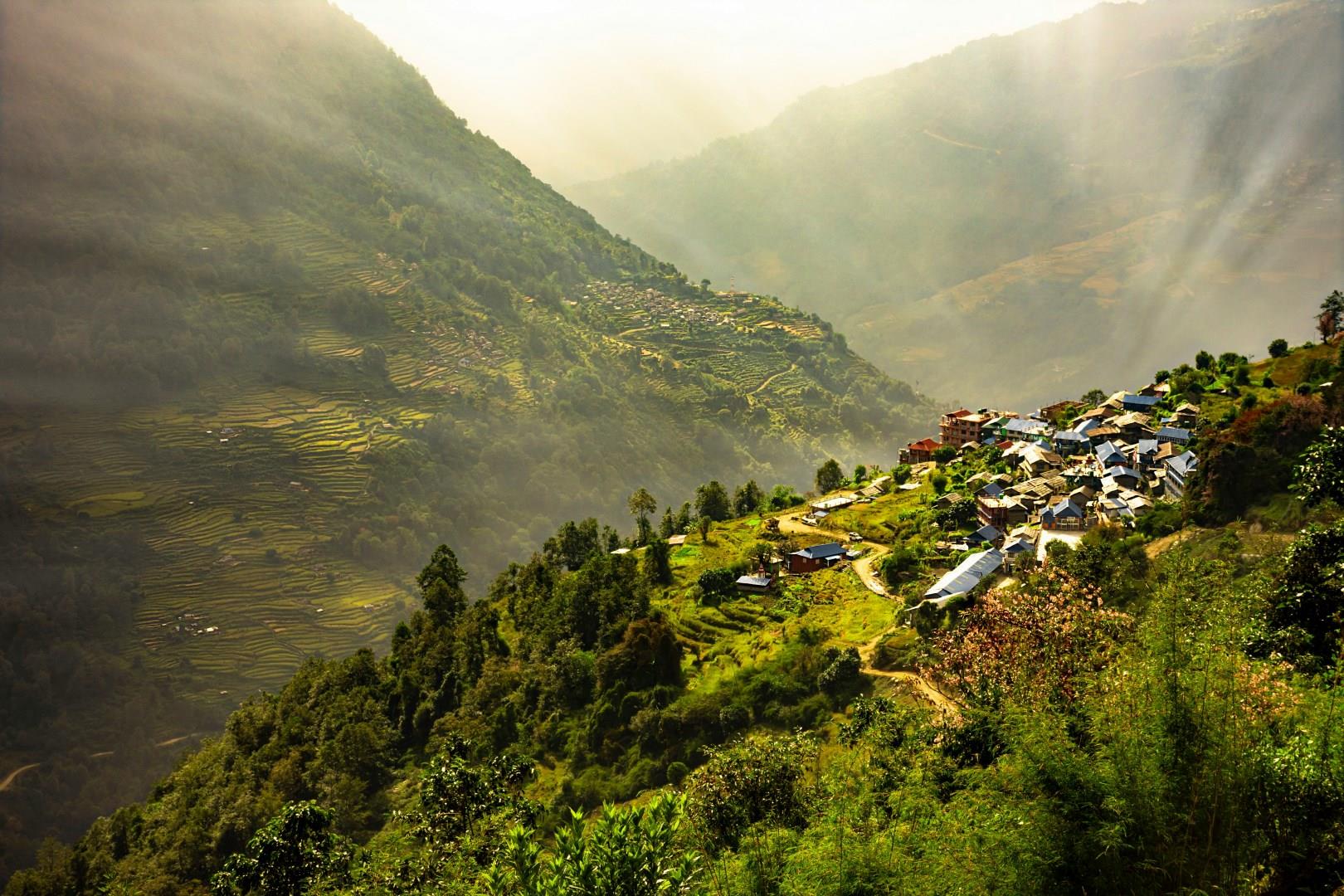
Ulleri is a small village in Nepal, located in the Annapurna region along the popular trekking route to Ghorepani and Poon Hill. It has traditionally served as a resting point for trekkers and local traders, with stone-paved streets and terraced fields reflecting centuries of Himalayan agricultural life.
Islamic and French influences blend together in charming Casablanca, Morocco’s iconic coastal city. Frequently used as a port for Spanish and Mediterranean cruises, Casablanca lies halfway between Marrakesh and Fes and is the perfect entryway for exploring the rest of Morocco.
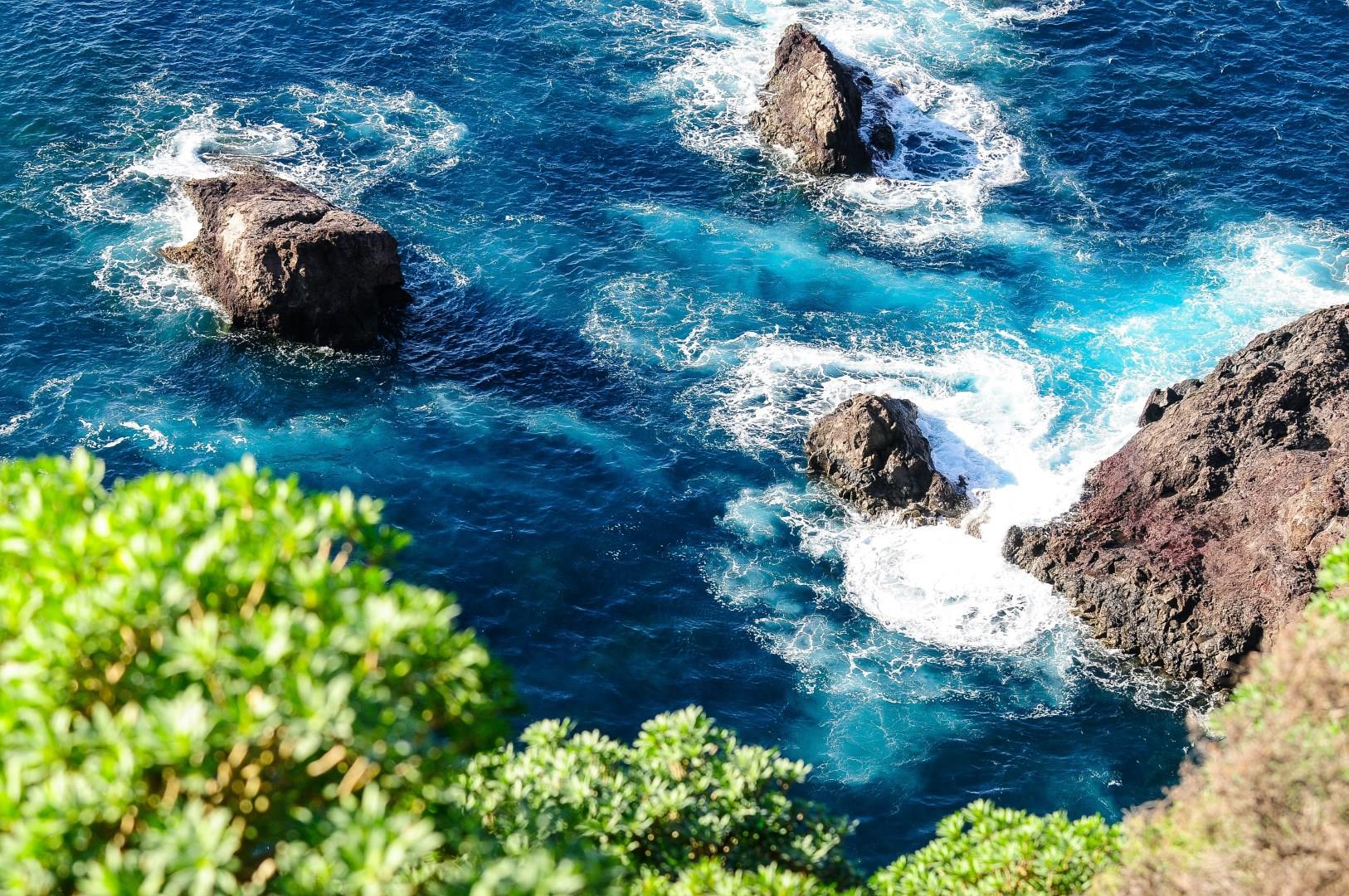
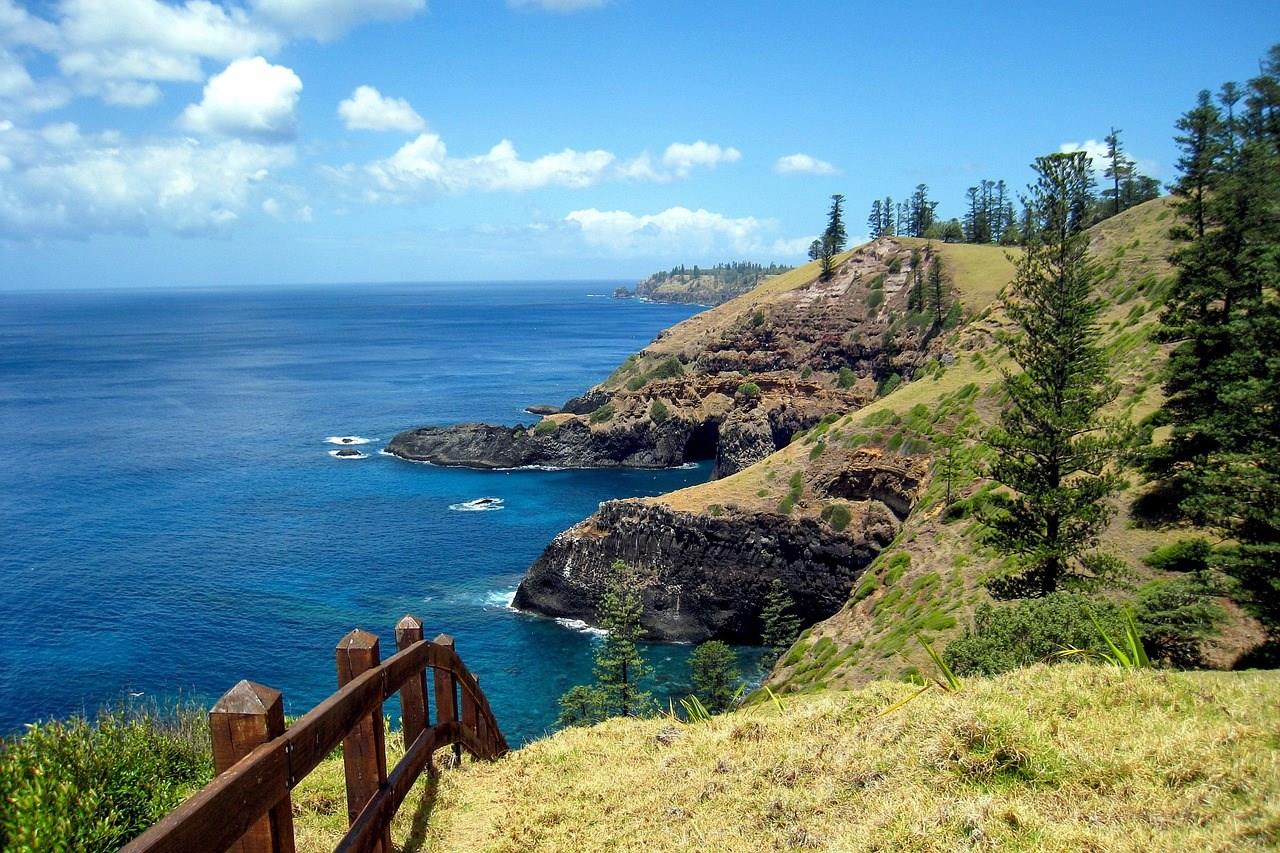
Norfolk Island may be small but it carries a story that spans centuries. Located in the South Pacific between Australia, New Zealand, and New Caledonia, the island is a fascinating blend of Polynesian roots, British convict history, and Pitcairn Island culture. Today, visitors can walk through one of the best-preserved penal settlements in the world at Kingston, where stone ruins and restored Georgian buildings stand against a backdrop of green hills and the open sea.
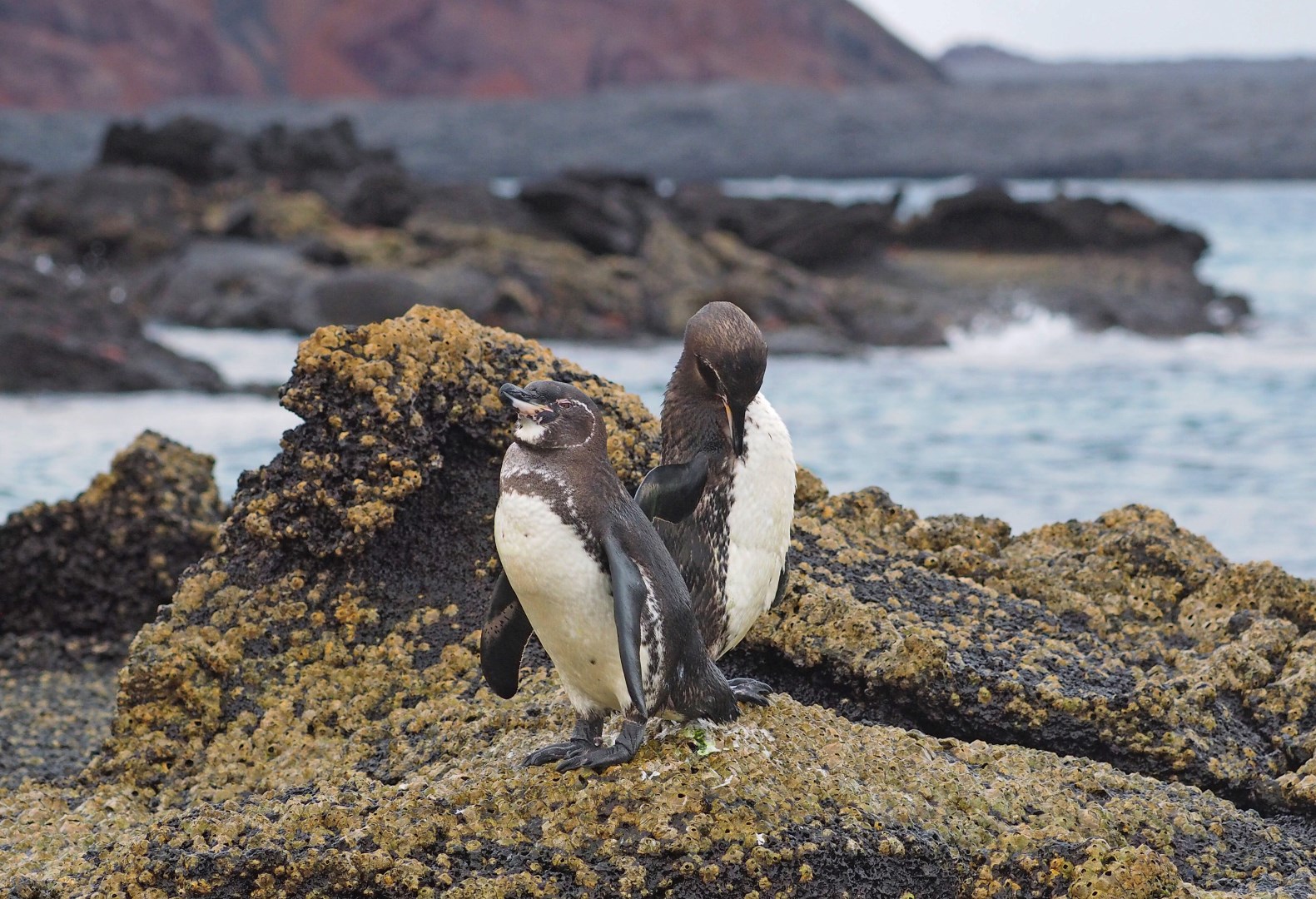
Besides being one of the largest and most remote of the Galapagos Islands, Fernandina Island is home to the area's most active volcano. It also boasts the most pristine ecosystem; unlike other islands in the Galapagos, Fernandina has thus far avoided the introduction of any non-native mammal species.
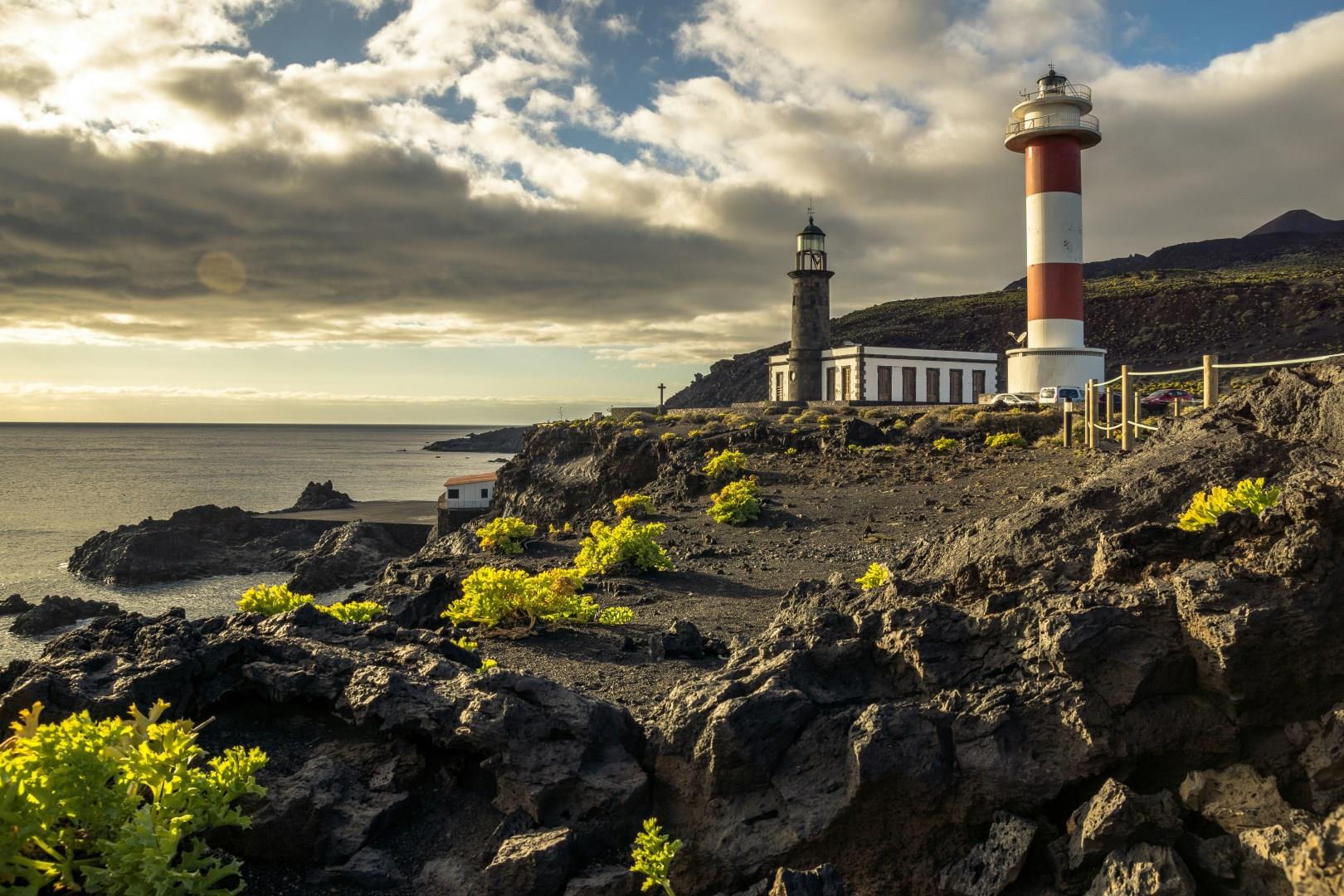
La Palma (also San Miguel de La Palma) is the fifth of Spain's Canary Islands. This mountainous volcanic island is a natural wonder of tropical vegetation. Its coast is lined by jagged cliffs and plunging ravines, and its beaches are covered with black sand. Thanks to dry climate and the height of its mountains creating excellent observation conditions, La Palma has become the home of some of the world's largest telescopes, seated on the rocky ridge called El Roque de los Muchachos.
Other Popular Destinations in Canary Islands
Las Palmas
Las Palmas (officially Las Palmas de Gran Canaria) is the capital of Gran Canaria island as well as co-capital (along with Santa Cruz de Tenerife) of the Canary Islands. It is a major cruise-ship port known for duty-free shopping and sandy beaches, including Playa de Las Canteras, considered by many to be one of the best urban beaches worldwide.
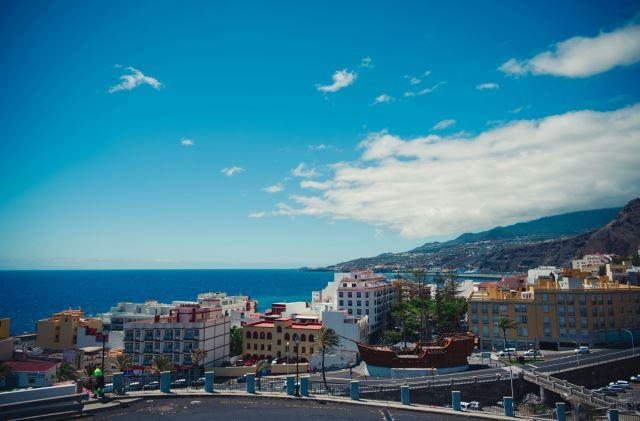
Santa Cruz de La Palma
Santa Cruz de La Palma is the capital of the island of La Palma, one of the seven Canary Islands. Although often forgotten in favor of the similarly named Santa Cruz de Tenerife, it is a compact and colorful colonial town well worth a visit. Swimming, paragliding, and hiking and some of the most popular daytime activities, while stargazing is a favorite pastime after the sun goes down.