



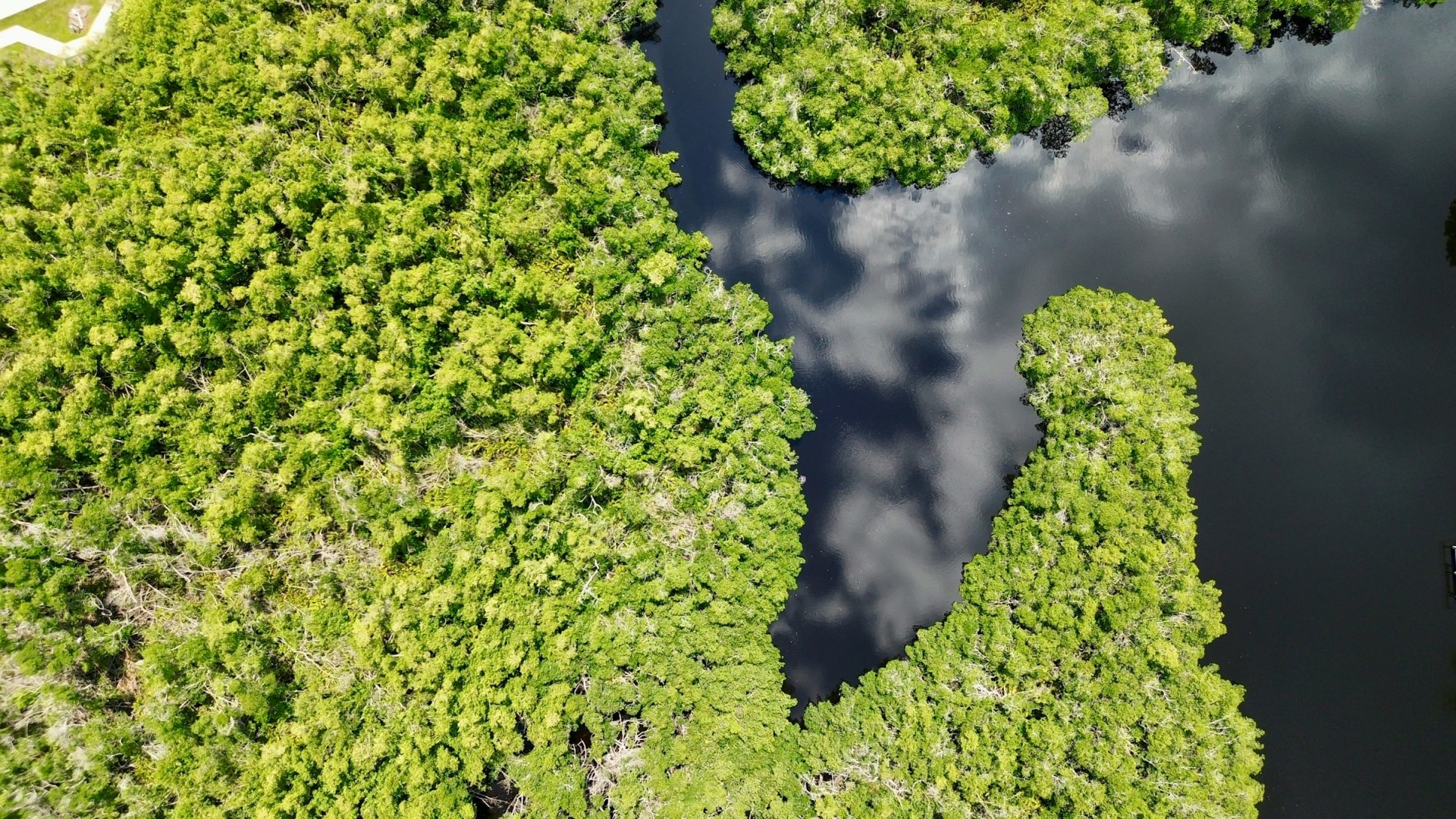
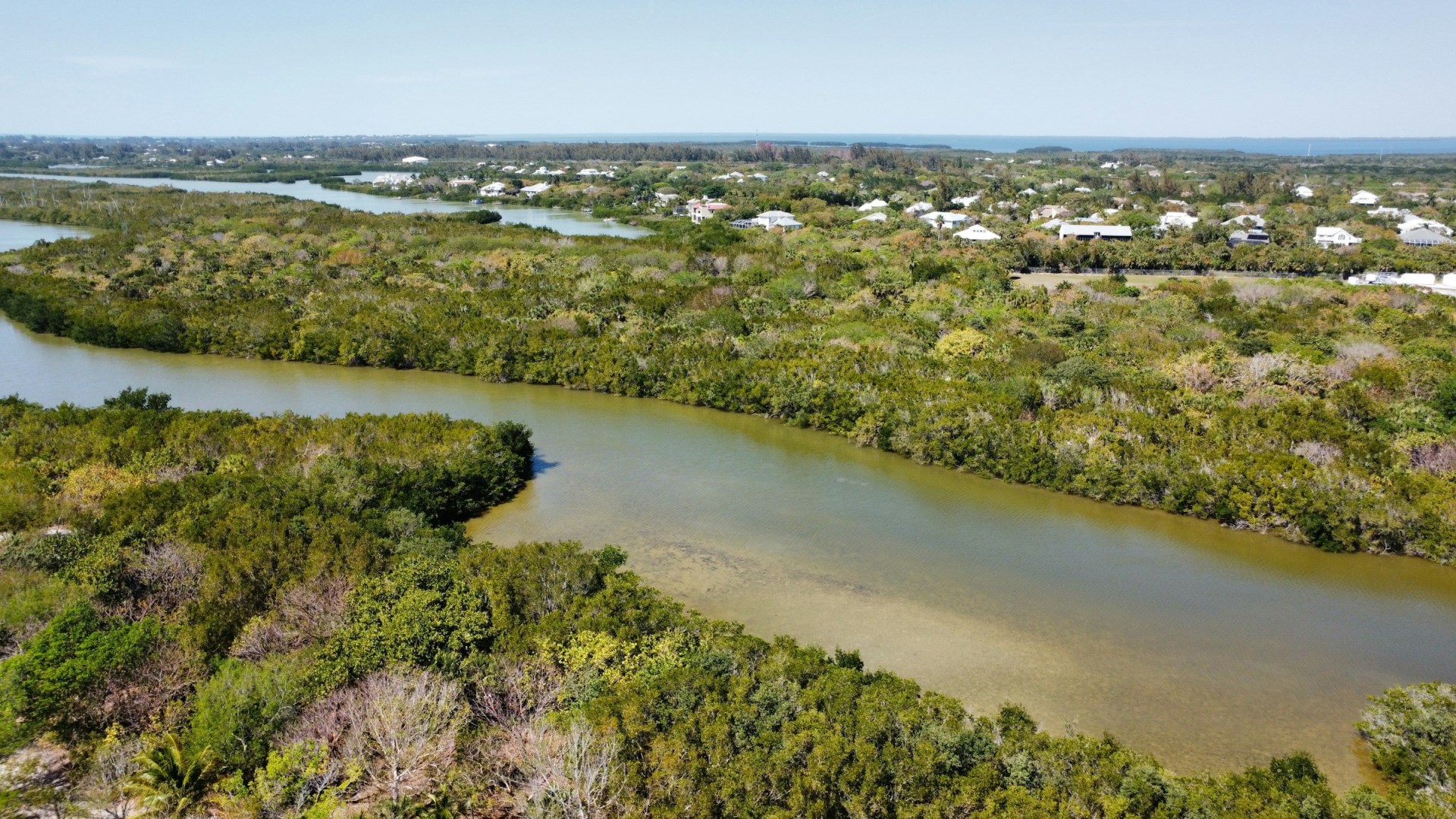
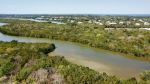
Cape Coral is a large coastal city in Southwest Florida, occupying a peninsula between the Caloosahatchee River and Matlacha Pass. Its most distinctive feature is an extensive network of more than 400 miles of canals, many connecting with the Caloosahatchee River and Gulf waters. The city was developed as a planned waterfront community, with broad streets, residential neighborhoods, parks, and numerous properties along canals. Its geography makes boating, fishing, kayaking, and other water activities an important part of daily life, while nearby Fort Myers and the Gulf beaches provide additional destinations within the surrounding region.
Cape Coral has a comparatively modern history, beginning with the development efforts of brothers Jack and Leonard Rosen and the Gulf American Land Corporation. Canal construction became the defining element of the community, with dredged material used to raise land for roads and building sites. The Cape Coral Historical Museum preserves artifacts and stories from the city’s development, including its transformation from undeveloped land into a large planned community. The city’s history is therefore closely tied to engineering, waterfront development, and the changing character of Southwest Florida.
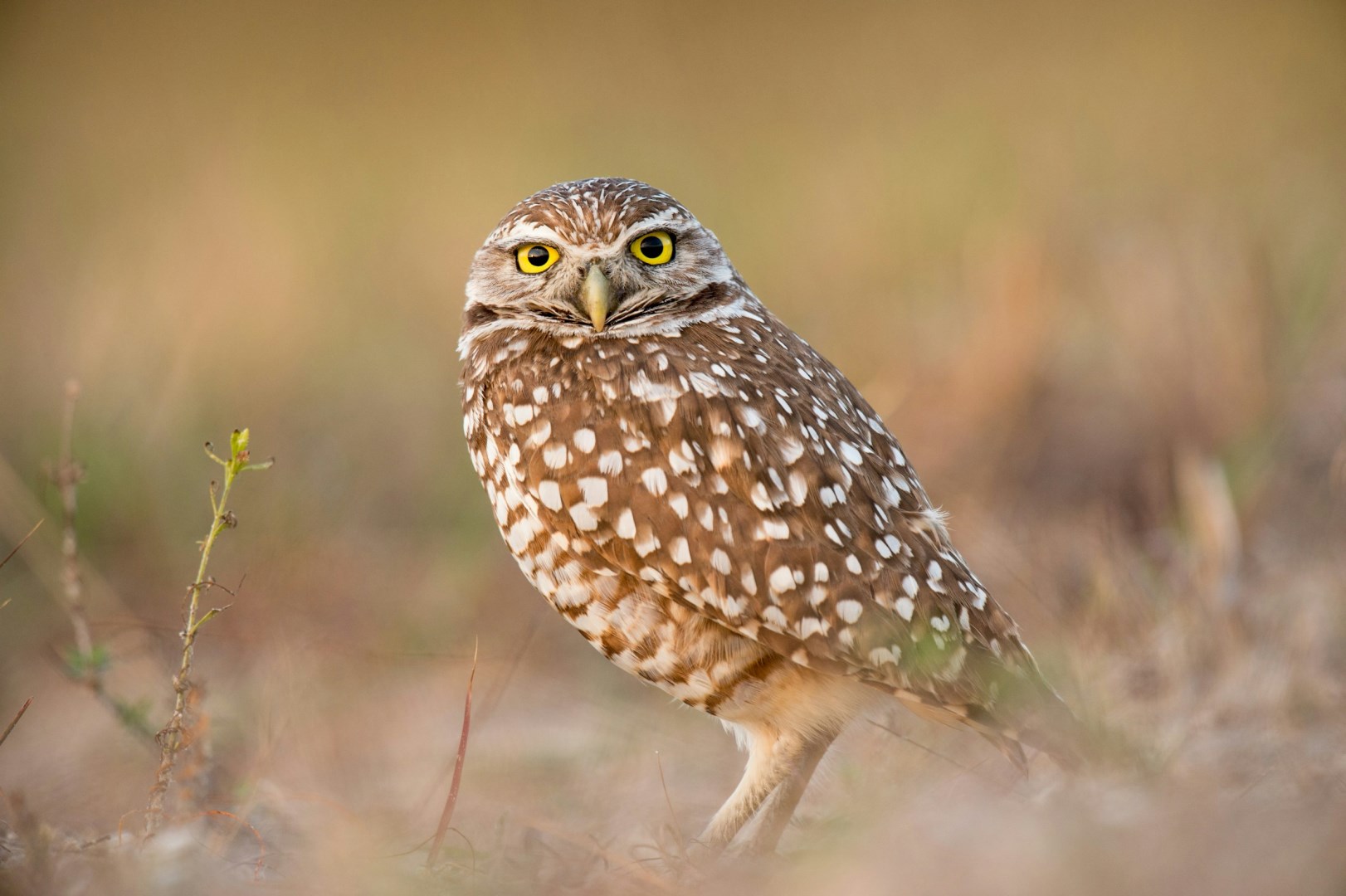
Water and subtropical habitats dominate Cape Coral’s recreational landscape. Four Mile Cove Ecological Preserve protects 365 acres of brackish wetlands and includes a 6,600-foot nature trail, boardwalk, observation piers, and kayak access. Rotary Park is part of the Great Florida Birding Trail and contains uplands, salt marshes, native plants, and an environmental center. Sirenia Vista Park provides another access point for kayaking and opportunities to observe manatees when conditions are suitable. The surrounding waterways also support dolphins, wading birds, gopher tortoises, and other wildlife, giving the city an unusual blend of urban neighborhoods and natural habitat.
Cape Coral’s food scene reflects the multicultural character of Southwest Florida, with seafood restaurants serving grouper, shrimp, oysters, and other Gulf Coast staples alongside Italian, Caribbean, Latin American, and Asian cuisines. Waterfront restaurants and marinas make use of the city’s extensive canal system, while local parks provide access to fishing and paddling. One of Cape Coral’s most unusual details is the sheer scale of its engineered waterways: the city has more than 400 miles of canals, creating a landscape in which residential streets, boat routes, freshwater areas, and saltwater connections are closely intertwined. The result is a community where water is a central feature rather than simply a nearby attraction.
Other Popular Destinations in Florida


