



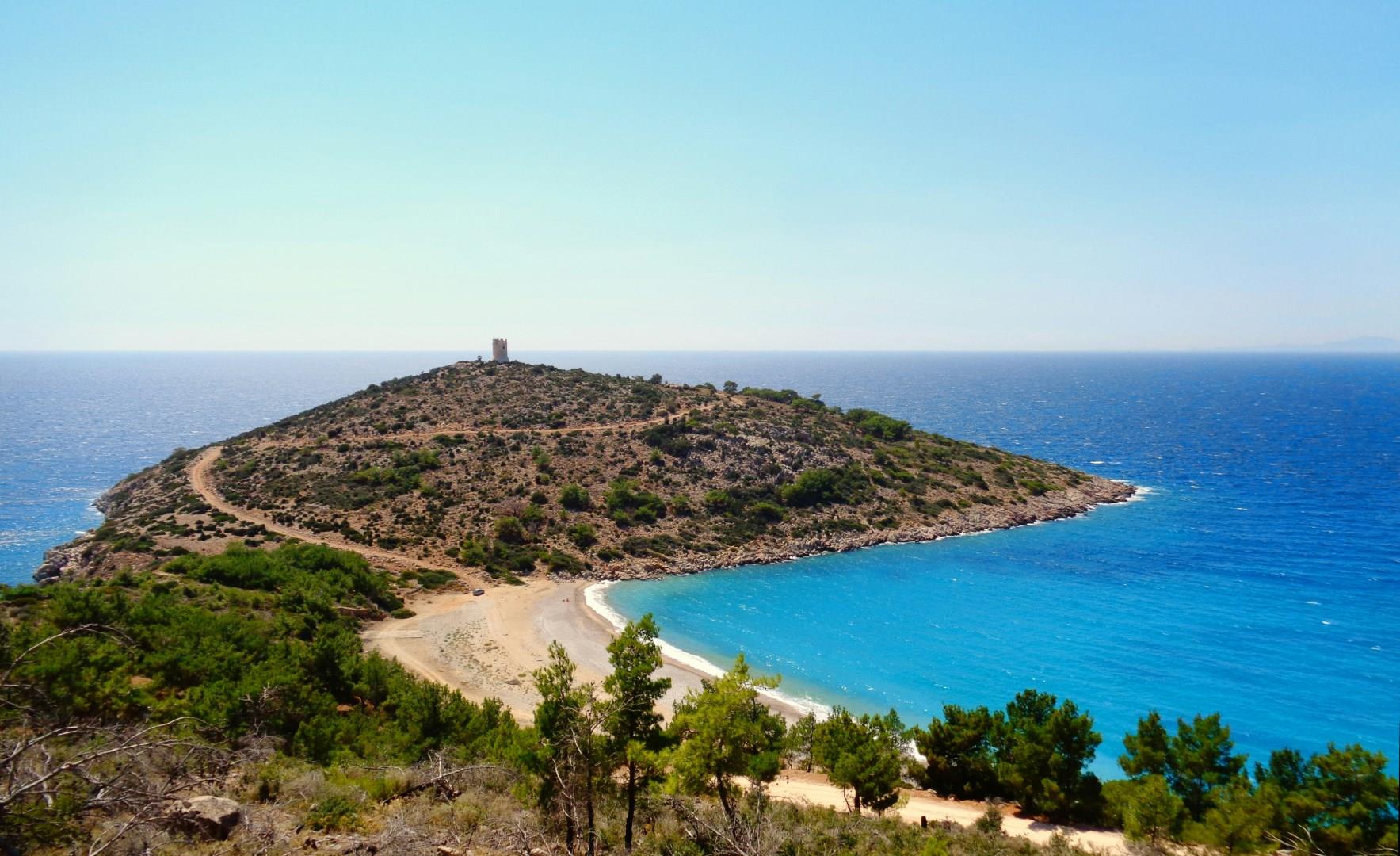


Located on the banks of the Danube, Spitz an der Donau is a charming market town in Austria's Wachau valley. Occupied since Celtic times, Spitz offers spectacular views of the Danube valley. Picturesque Renaissance and Baroque houses line quaint cobblestone streets at the foot of Tausendeimerberg (the "Hill of a Thousand Buckets), so named for its abundant vineyards. To the south, towering above Spitz is the famous fortress of Hinterhaus Castle, the thousand-year-old ruins of which are in fine condition and only a short hike away. History buffs will also want to visit the late Gothic church, St. Mauritius, which houses the wooden Apostles statues that date back to 1380, and a high altarpiece painting by Austrian artist Kremser Schmidt.
Other Popular Destinations in Austria
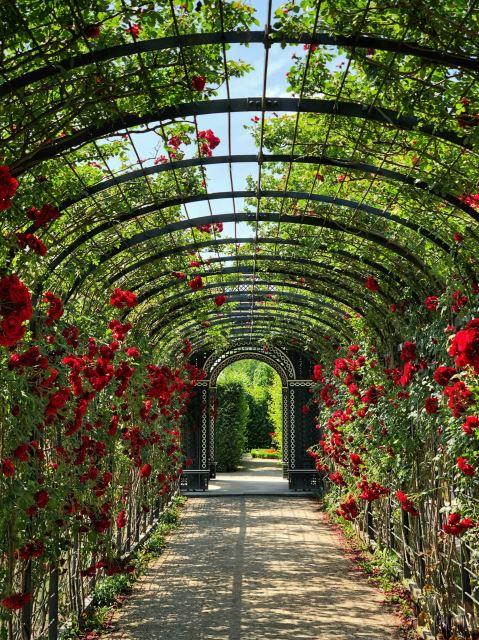
Vienna has a long memory. Once the capital of the Habsburg Empire, the city still carries signs of its imperial past in its palaces, concert halls, and wide boulevards. Visitors can walk through the Hofburg complex, where emperors once ruled, or tour the opulent rooms of Schönbrunn Palace, which features 1,441 rooms and a maze in its gardens. But Vienna’s many historic buildings now house contemporary art museums, cafés, and institutions that reflect the city’s modern identity.

Nestled along the south bank of the Danube, this historical Austrian city bursts with charm. A favorite stop on European river cruises, the city's most famous attraction is Melk Abbey, which dates back to the 11th century. The original Benedictine structure was lost to fires and foreign invasion, then rebuilt during the 18th century in lavish Baroque style, including a library and inner church covered in magnificent frescoes and gilded fixtures.
