

East and Southeast Asia | Indonesia | Gili Islands

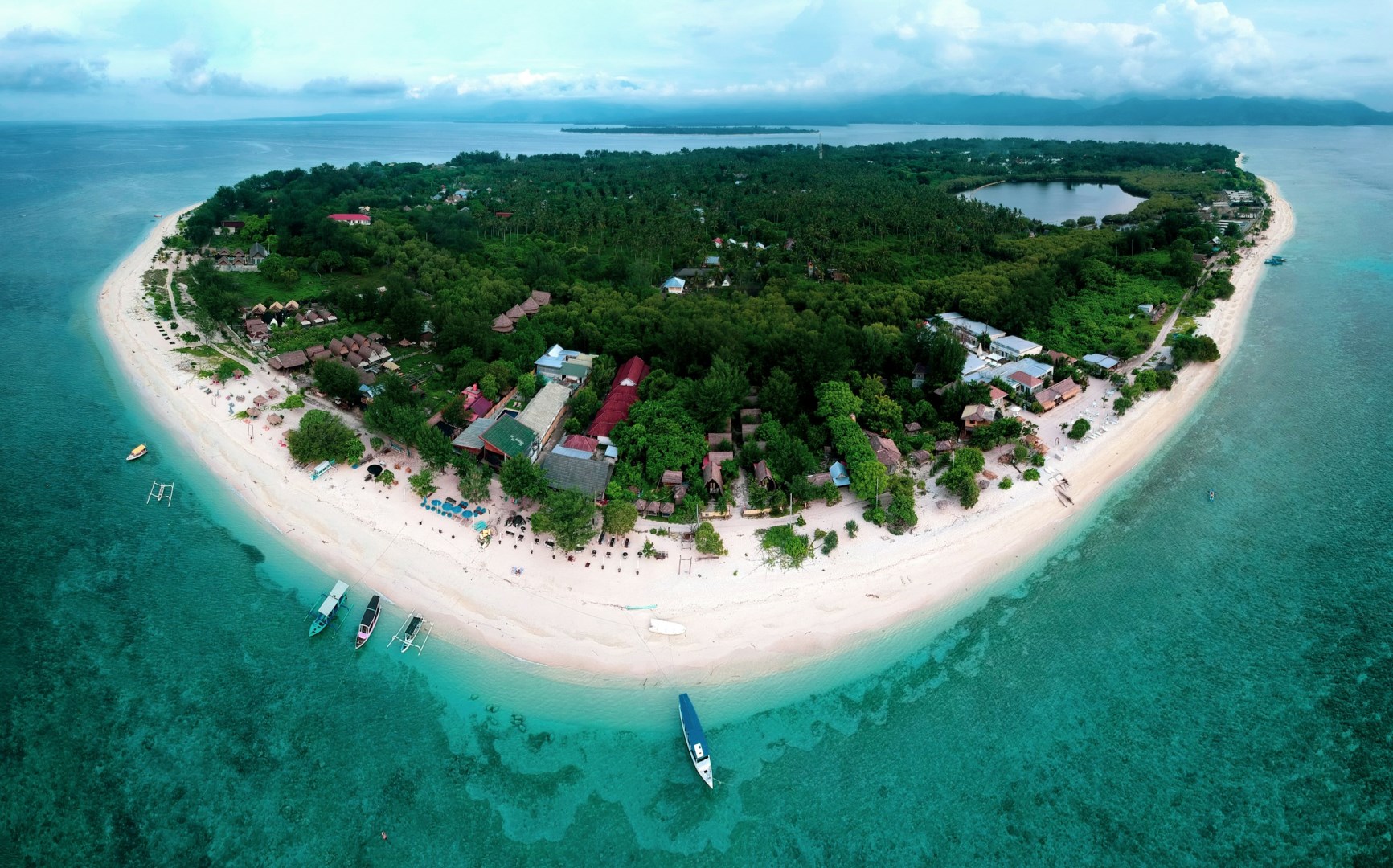


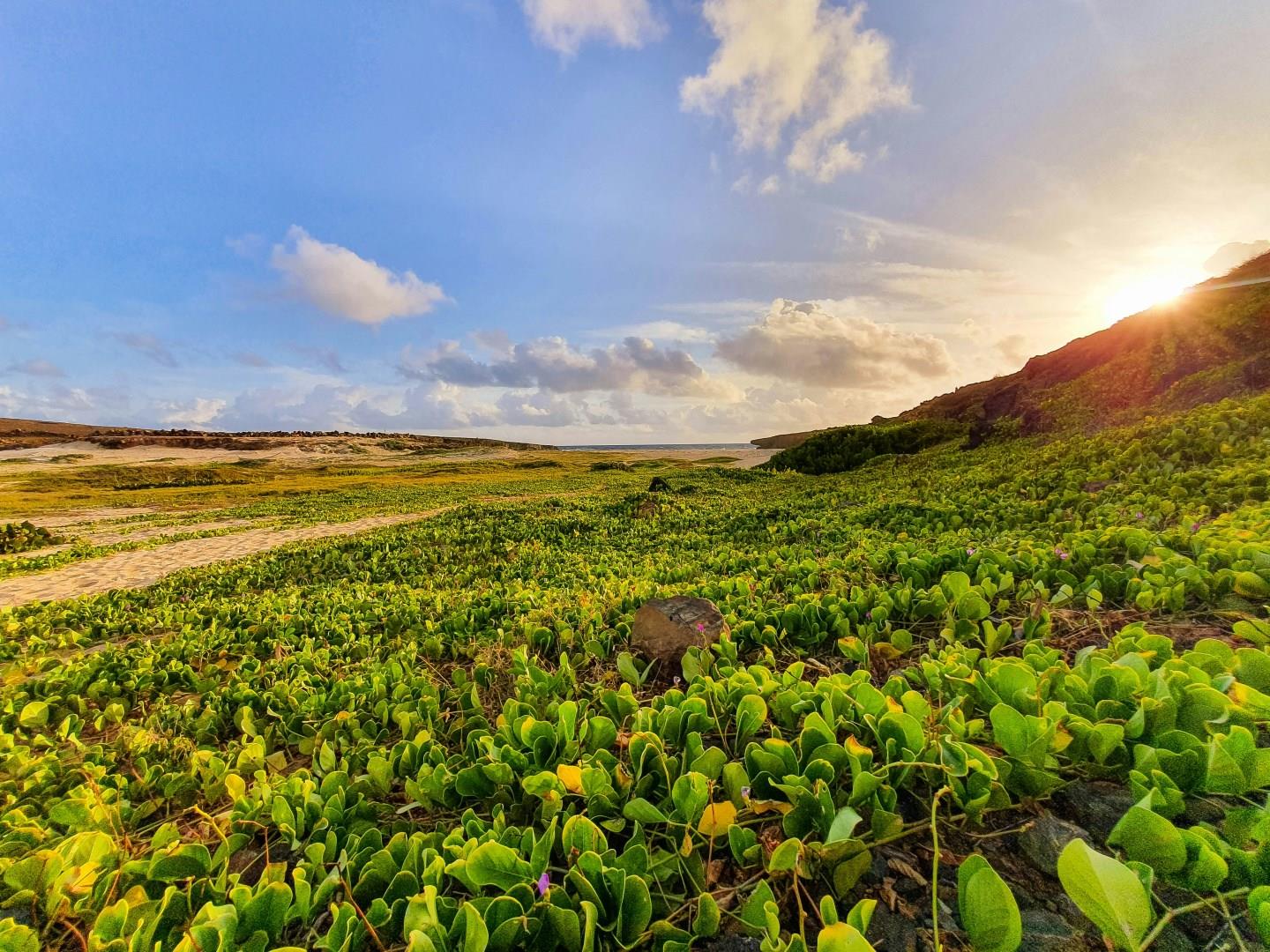
The Gili Islands are a group of three small islands off the northwest coast of Lombok in West Nusa Tenggara: Gili Trawangan, Gili Meno, and Gili Air. Each island has a distinct character, but all are surrounded by clear tropical waters, coral reefs, and sandy beaches. Gili Trawangan is the largest and most developed, Gili Meno is quieter and less populated, while Gili Air combines tourism with a resident island community. The islands are easily reached from Lombok and are also connected by regular boats with nearby Bali.
The islands are part of the Sasak cultural region of Lombok, and local traditions remain visible alongside the tourism industry. Fishing has long been important to island communities, while Islam is the predominant religion and mosques are common features of the villages. Local life is also shaped by close community networks and traditional celebrations. Motor vehicles are generally absent from the Gili Islands, with residents and visitors relying mainly on bicycles and horse-drawn cidomo carts for transport. This gives the islands a quieter form of movement away from their main coastal areas.
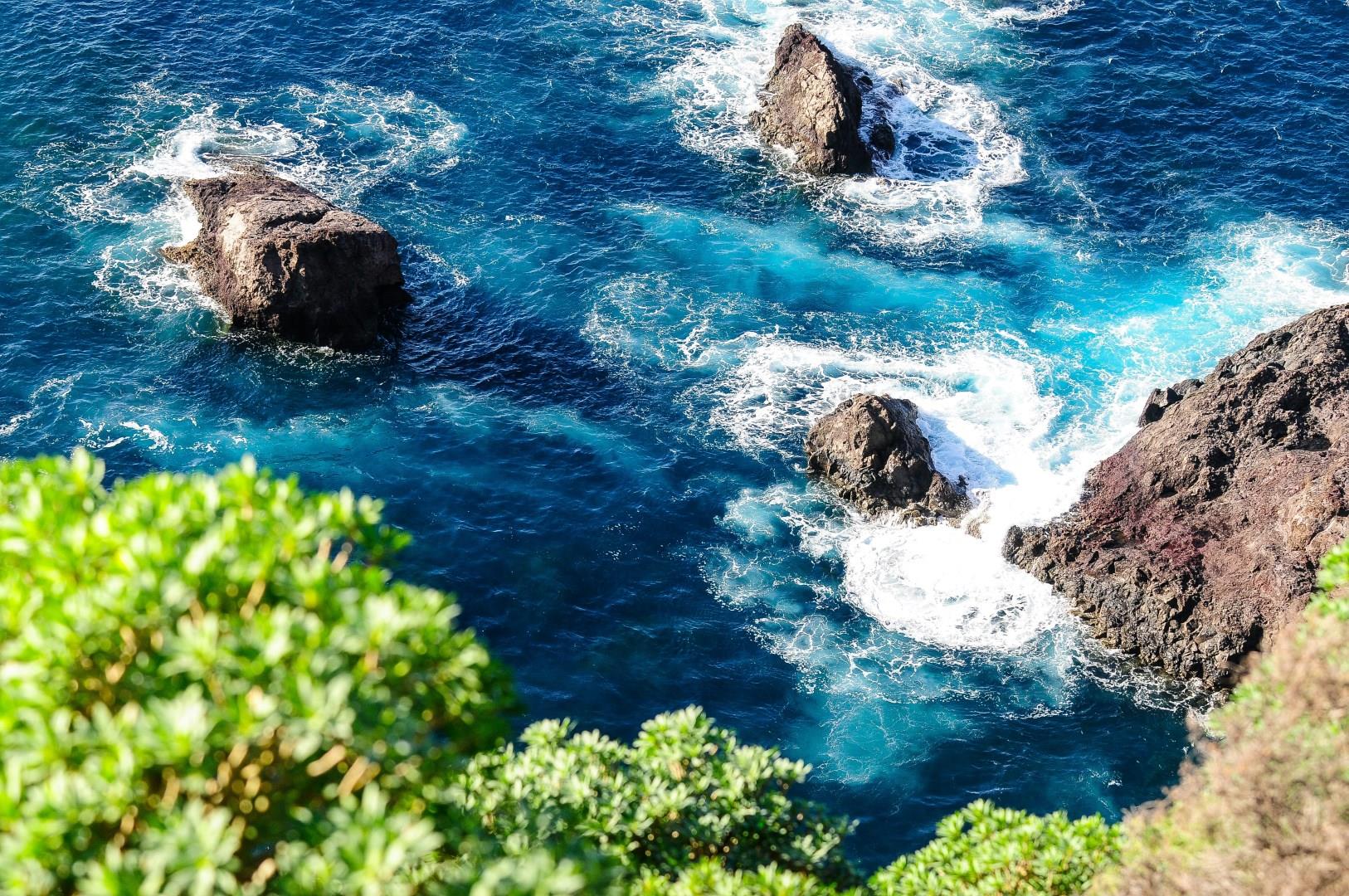
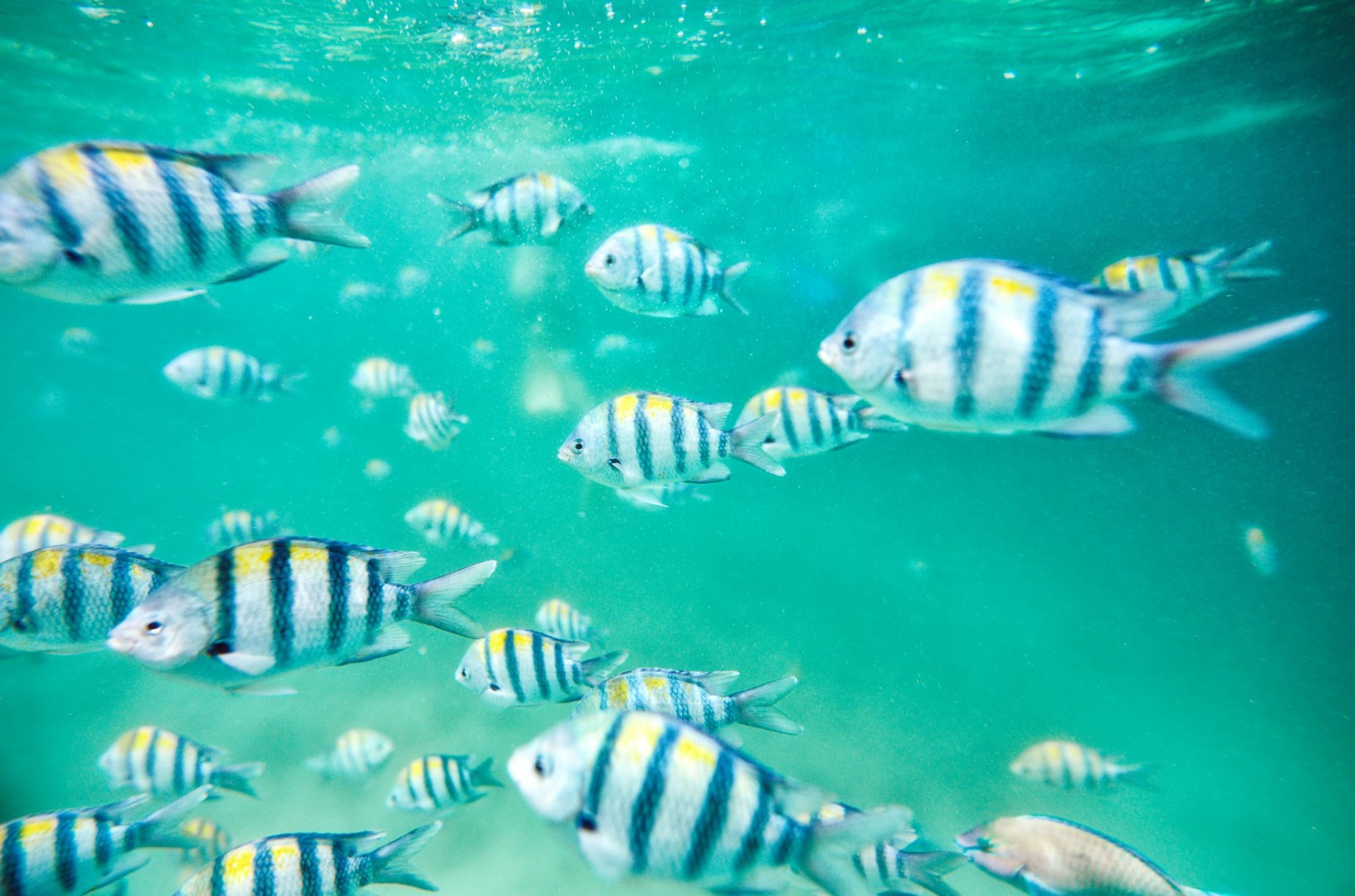
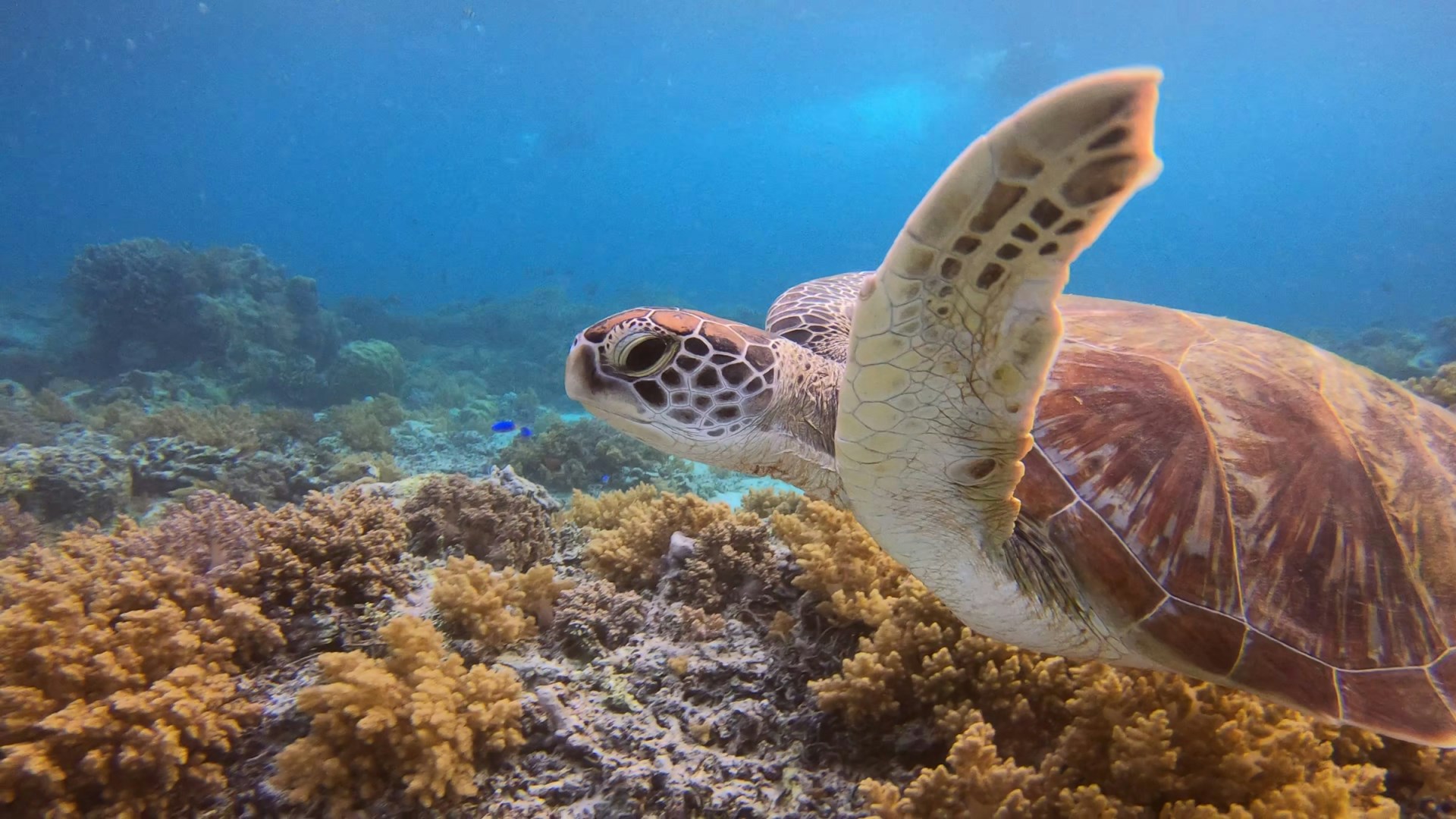
Marine environments are the main natural attraction around the Gili Islands. Coral reefs surround the three islands, providing habitat for sea turtles, reef fish, and other tropical marine species. Gili Trawangan, Gili Meno, and Gili Air all have established snorkeling and diving sites, while Gili Meno is particularly associated with underwater turtle sightings and the Gili Meno underwater sculptures. Beaches extend around much of each island, and the shallow waters between the islands allow visitors to explore by boat, kayak, or paddleboard. Lombok's mountainous landscape can also be seen from the islands on clear days.
Seafood features prominently in island restaurants, with grilled fish, prawns, squid, and other locally available products commonly served alongside rice and vegetables. Indonesian staples such as nasi goreng and mie goreng are also widely available, together with dishes influenced by the wider Lombok region. Gili Trawangan has the largest selection of restaurants and evening venues, while Gili Meno and Gili Air offer smaller-scale dining options. Another distinctive feature is the islands' marine conservation work, including efforts to protect coral reefs and sea turtles, which are important parts of the surrounding ecosystem.
Other Popular Destinations in Indonesia