


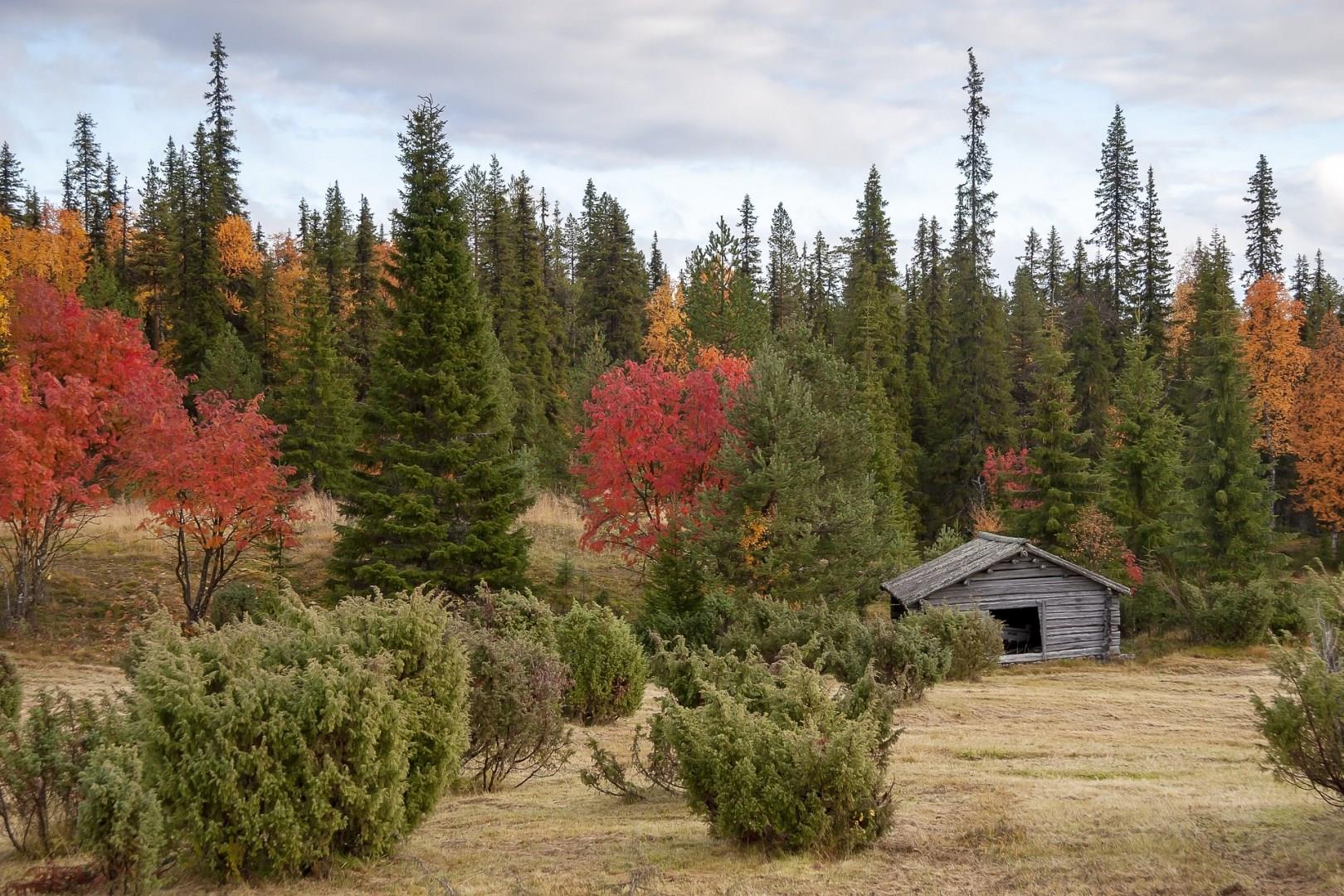

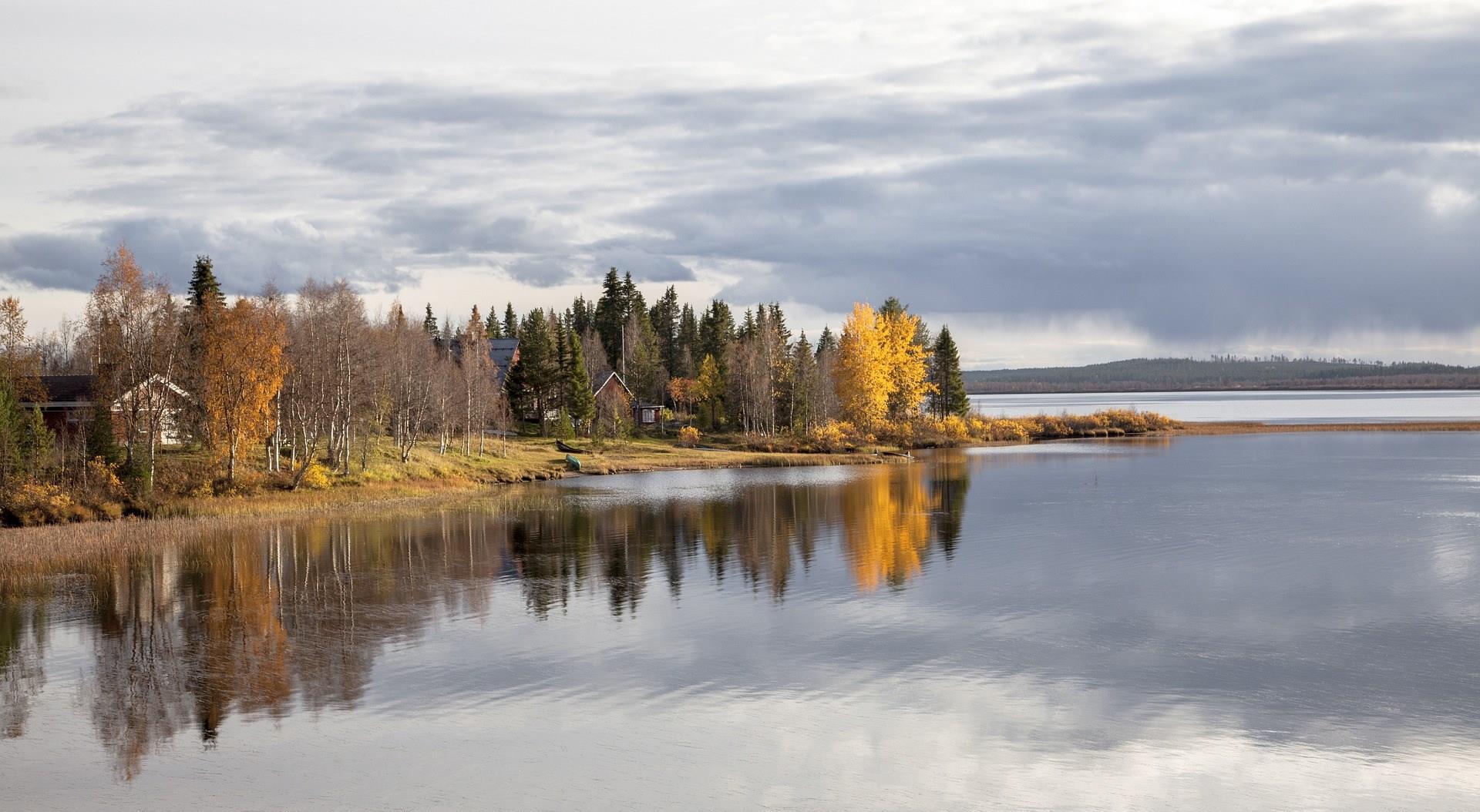

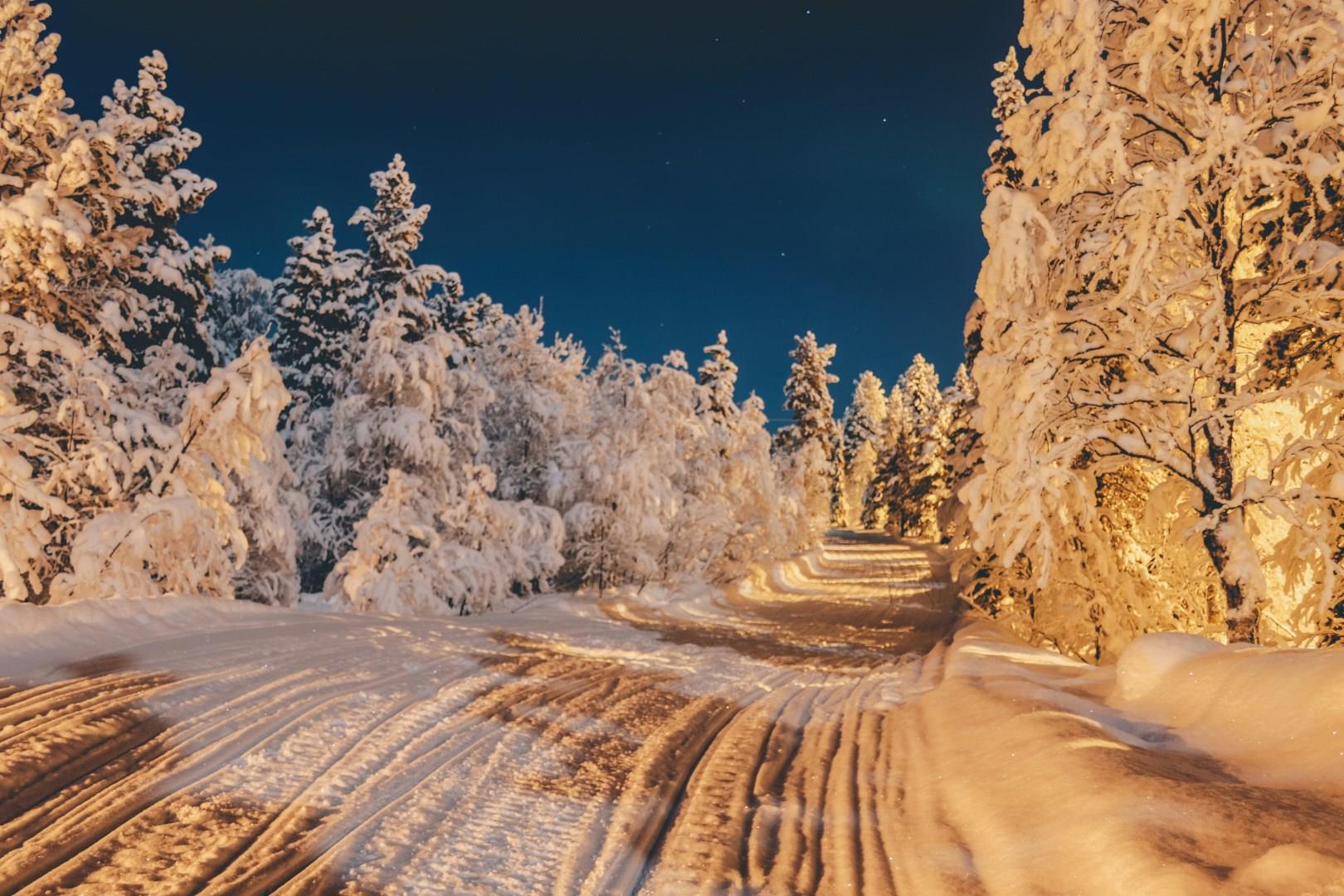
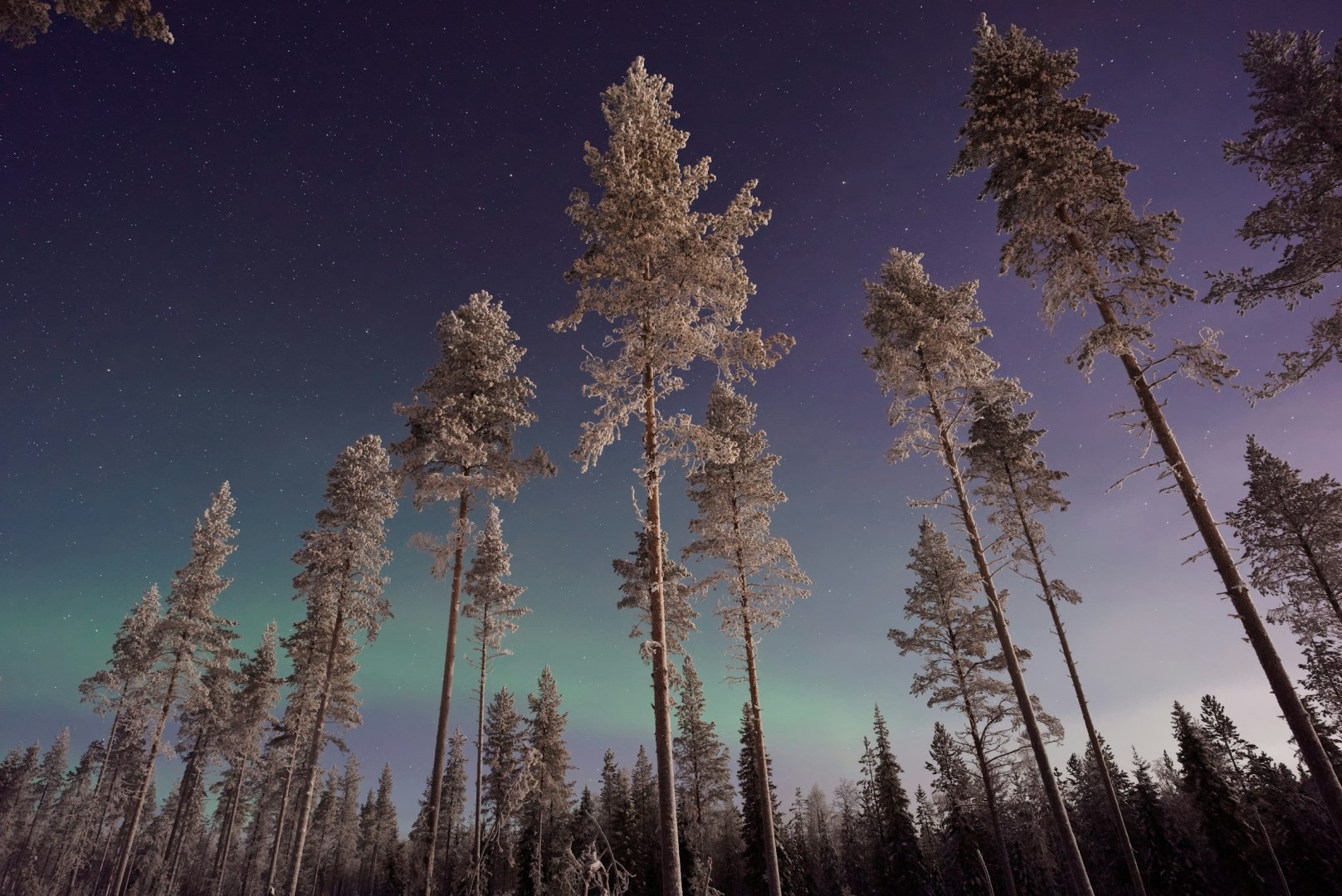
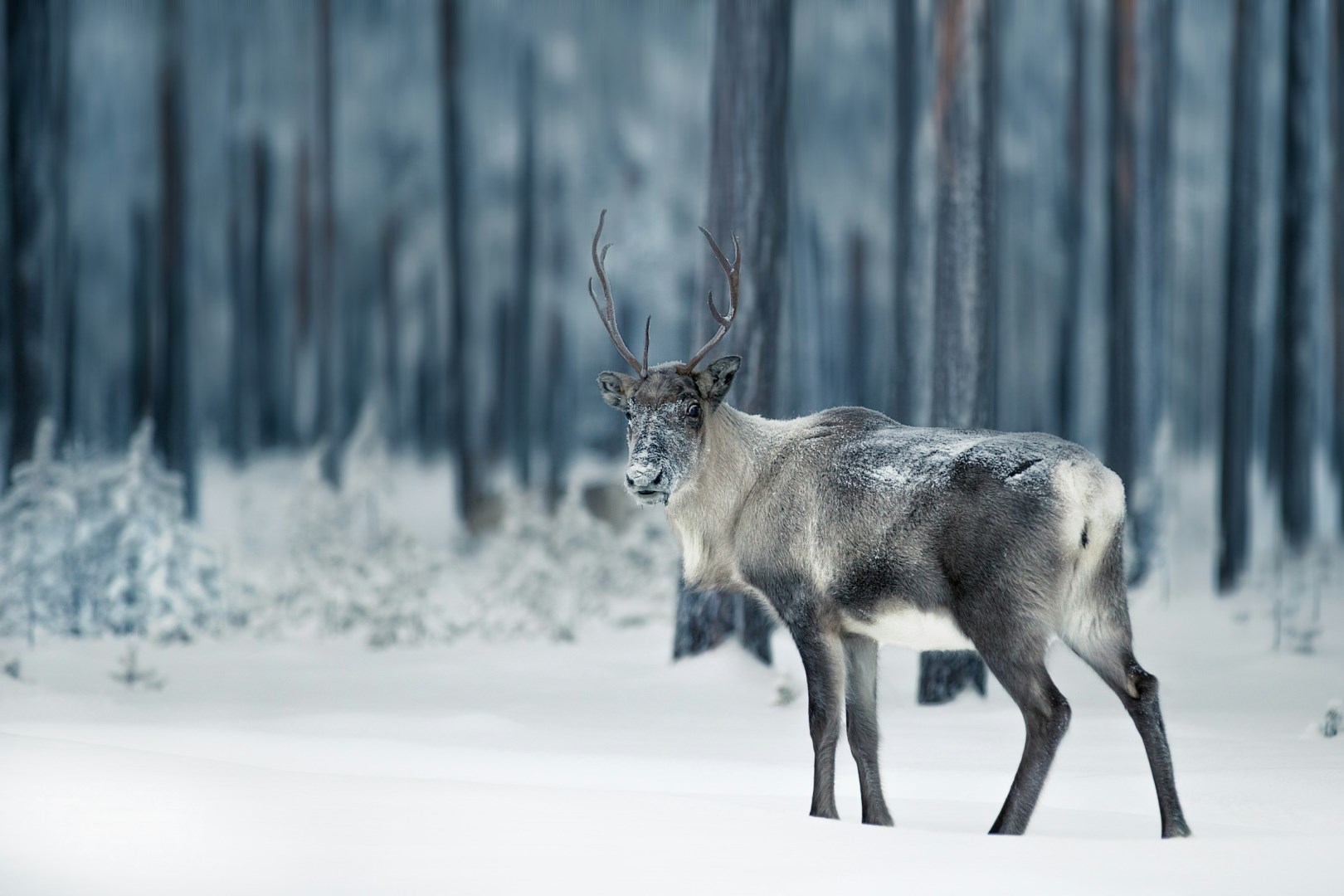
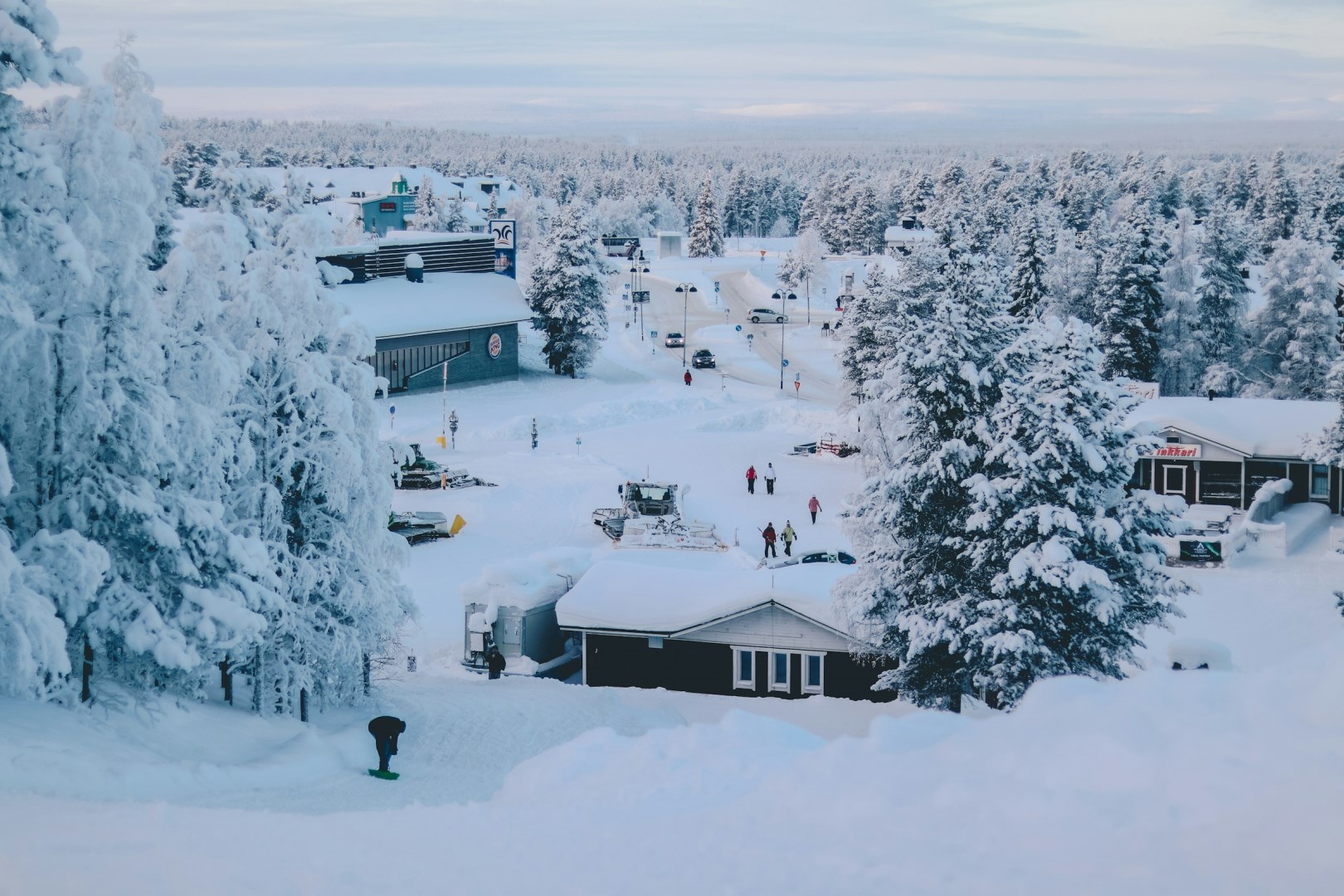
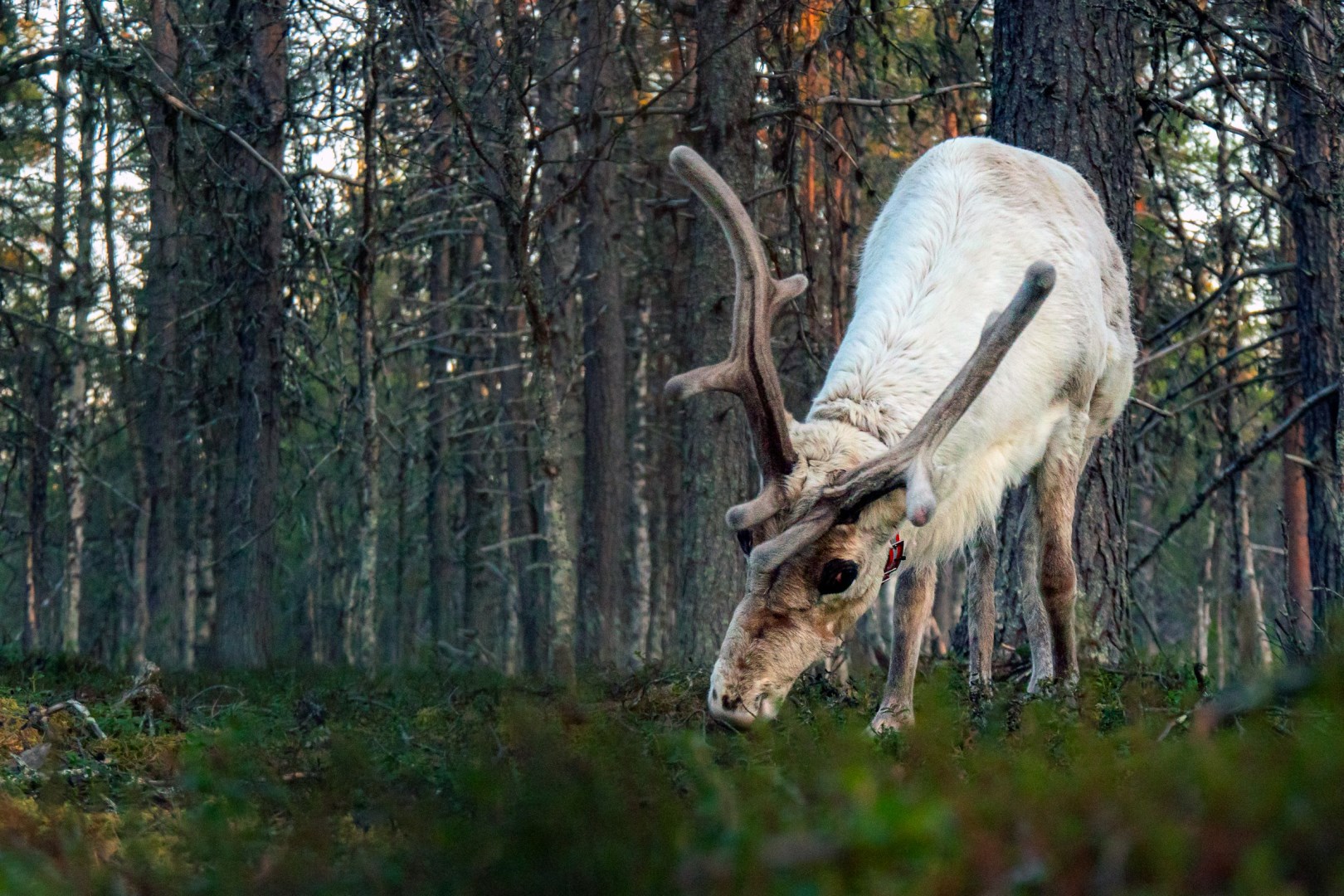
The region of Lapland, Finland, is a dream come true for travelers in search of a real winter wonderland. The area has long been associated with Father Christmas, reindeer and a dense, snow-covered wilderness.
As Finland's largest and northernmost region, Lapland spans roughly one-third of Finland's total land area though only about 3% of its population calls this area home. It's also one of the best places to view the mystical phenomenon known as the Northern Lights, thanks to generally clear skies during the polar night (a period when the sun does not rise for several weeks).
As Finland's largest and northernmost region, Lapland spans roughly one-third of Finland's total land area though only about 3% of its population calls this area home. It's also one of the best places to view the mystical phenomenon known as the Northern Lights, thanks to generally clear skies during the polar night (a period when the sun does not rise for several weeks).
Other Popular Destinations in Finland

Nature is never far in Helsinki. Locals swim in the sea, walk forested trails, and gather mushrooms or berries all within city limits. One popular local habit is heading to the sauna, and the city offers several open-to-the-public options. Löyly, located on the waterfront, combines traditional wood-burning saunas with a sleek, modern design. In winter, visitors can even pair a sauna session with a quick dip through a hole cut in the ice for an experience both shocking and strangely calming.
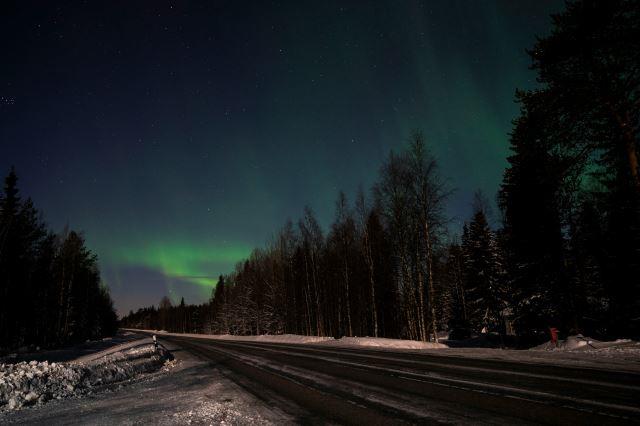
Rovaniemi, located just a few kilometers south of the Arctic Circle, is widely recognized as the official hometown of Santa Claus. From late August through early April, the Northern Lights are visible on clear nights, and several local guides offer nighttime tours to remote locations for optimal viewing. During summer, the sun doesn't set for weeks, giving travelers the rare chance to hike or kayak under a sky that stays bright at midnight.
