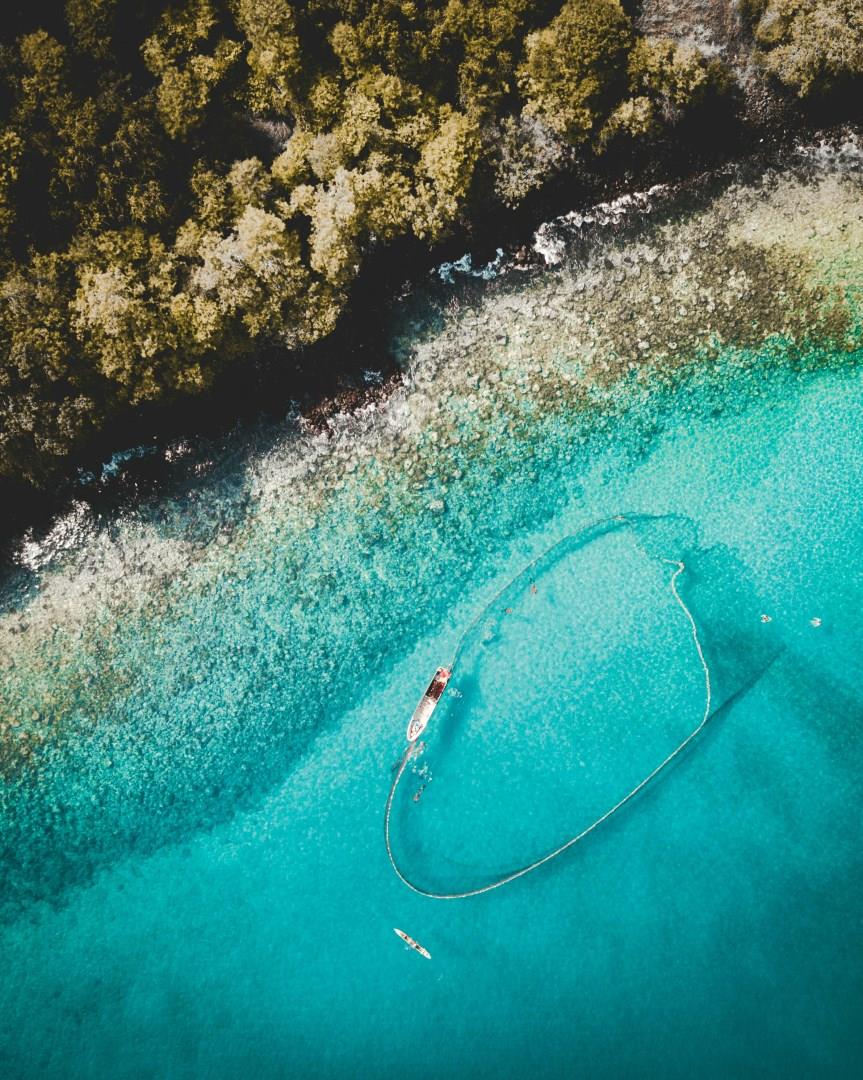
São Tomé & Príncipe, a two-island nation in the Gulf of Guinea, is one of Africa’s smallest yet most captivating destinations. Known for its unspoiled landscapes, it offers lush rainforests, volcanic peaks, and secluded beaches.
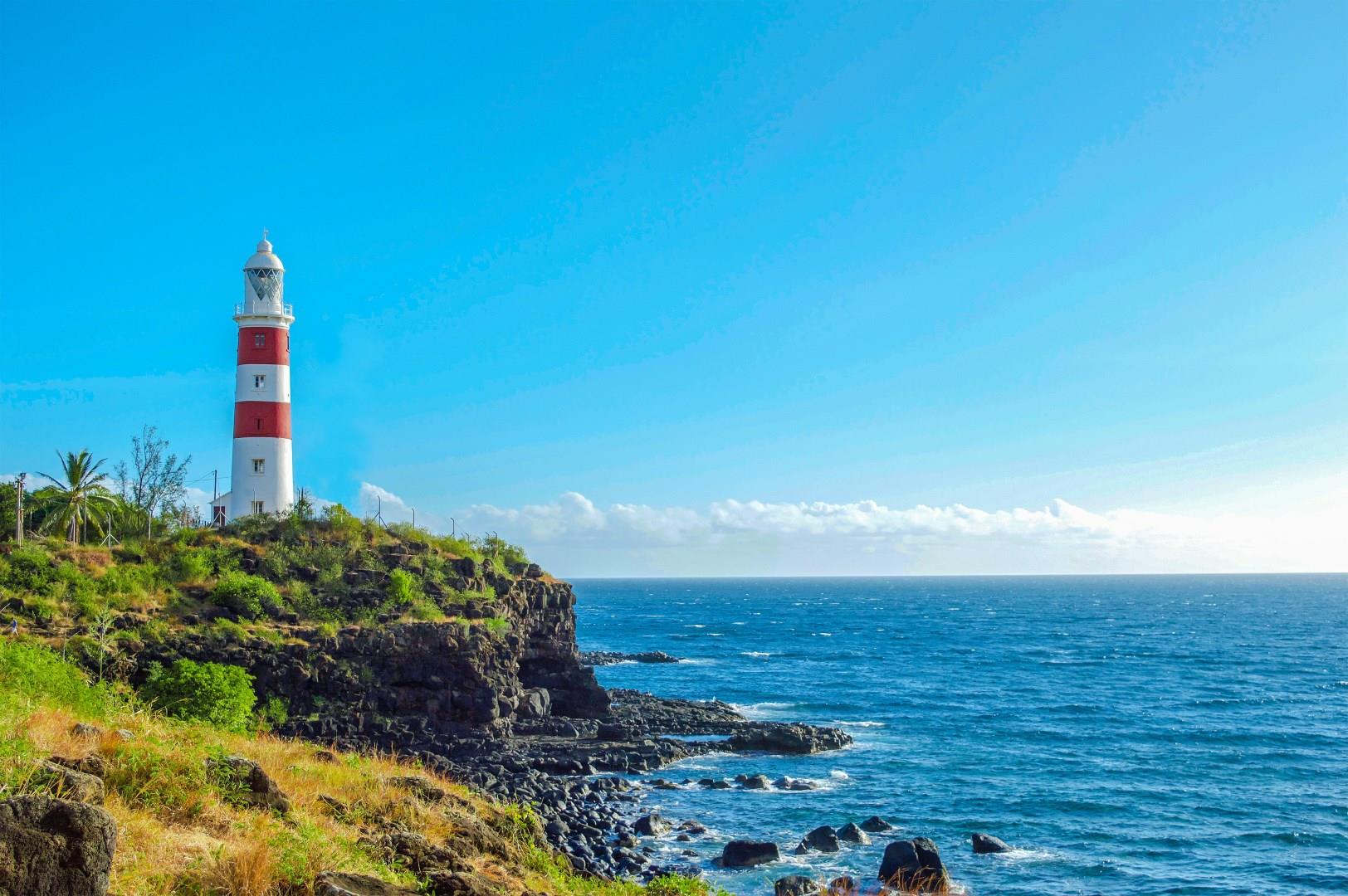
Albion, a small coastal town on the west coast of Mauritius, is known for its peaceful atmosphere and scenic setting by the Indian Ocean. Unlike some of the island’s more crowded resort areas, Albion offers a quieter escape while still showcasing the natural beauty that makes Mauritius a favorite destination.
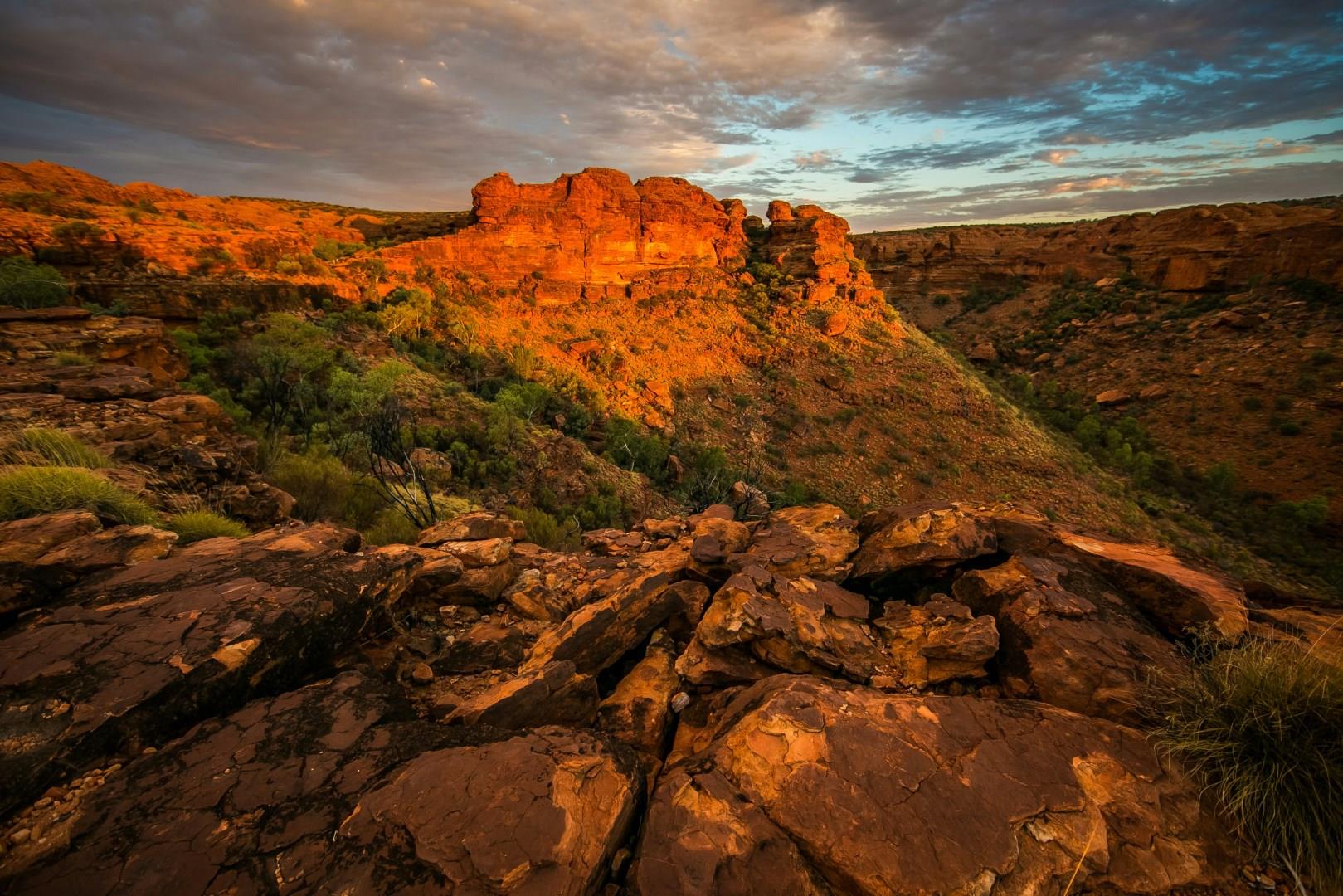
Kings Canyon, located in Australia’s Northern Territory within Watarrka National Park, is one of the Red Centre’s most striking natural landmarks. Carved over millions of years, the canyon holds deep cultural significance for the Anangu people, particularly the Luritja, for whom the area remains a sacred landscape tied to creation stories, ceremony, and traditional knowledge.
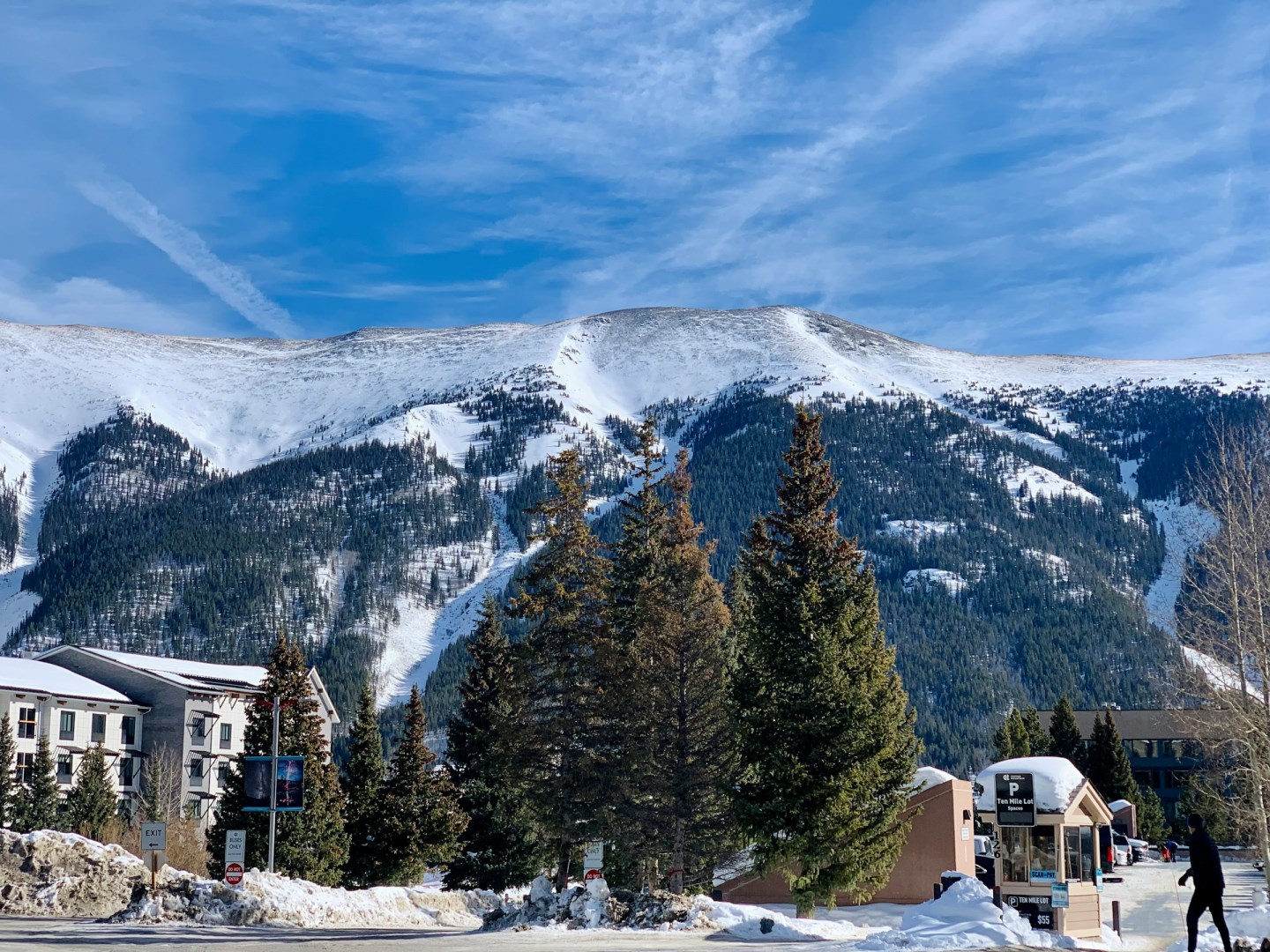
Copper Mountain is a mountain resort community in Summit County, Colorado, located along the Tenmile Range between Frisco and Leadville. The area is centered on Copper Mountain, whose ski terrain rises from a base area near 9,700 feet to elevations above 12,000 feet. The resort is known for terrain that follows the mountain's natural contours, with easier slopes generally lower on the mountain and more challenging terrain toward the higher elevations.
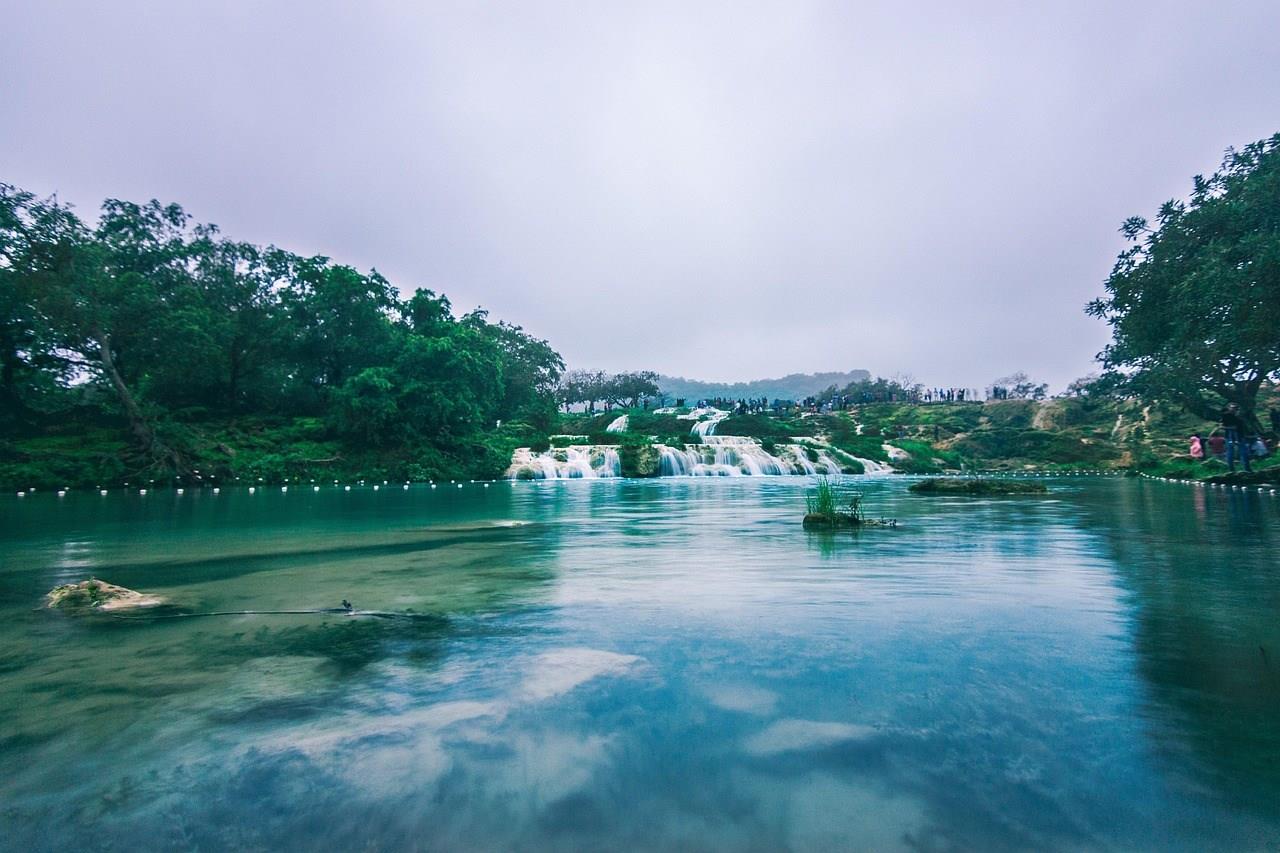
Salalah stands out with its rare blend of desert and tropical appeal. Unlike much of the Arabian Peninsula, this coastal city is transformed by the seasonal Khareef (monsoon), turning the landscape lush and green between June and September.
Ancient history comes alive in Athens, the capital of Greece. Gaze in wonder at the Acropolis and its iconic crown, the Parthenon. Take a deeper dive into the past and visit both the Acropolis Museum and the National Archaeological Museum, which house fascinating artifacts from this ancient city.
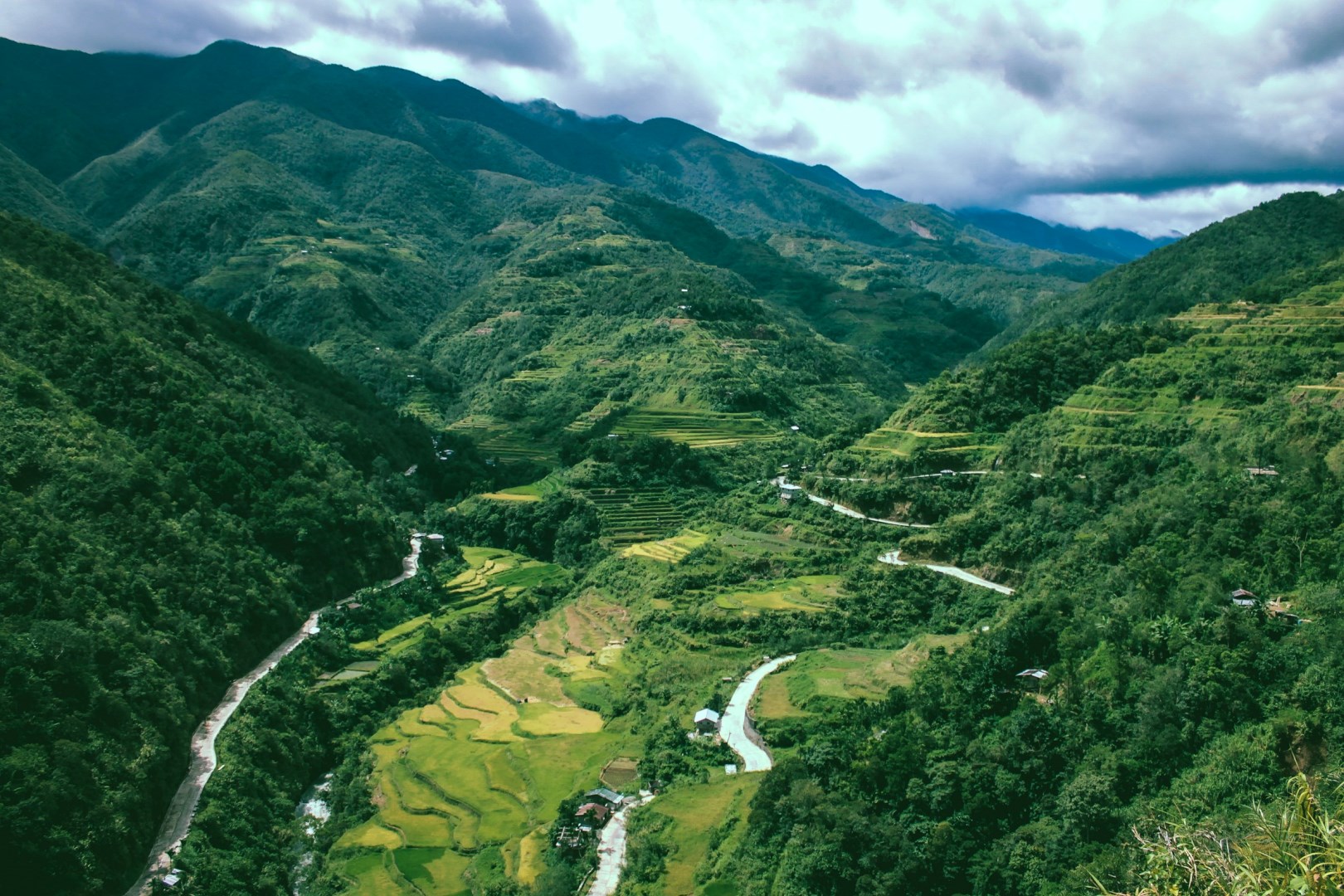
Luzon is the 15th largest island in the world, and the most populous island in the Philippines, home to 53 million people and the country’s capital, Manila. Luzon boasts a unique and eye-catching topography, with a variety of terrains and distinct geographical features. The north’s flat coastline and tropical pine forests meet at the site of Mount Pulag, Luzon’s tallest mountain peak, while the south is characterized by a multitude of sparkling lakes, rivers, and bays, as well as the mountainous and volcanic Bicol Peninsula. The Sierra Madre and Zambales mountain ranges sweep across much of Luzon’s central region. The island is also rich in natural resources, including rice terraces and coconut plantations walkable by tourists visiting the island’s more rural regions.
Whether admiring the breathtaking natural beauty of one of Luzon’s many national parks, unwinding on the white and pink sands of Saud or Subic Beach, or strolling the halls of the National Museum of the Philippines in Manila, the island of Luzon is a versatile getaway with plenty to offer for every kind of traveler.
Other Popular Destinations in Philippines
Manila
Philippines capital located in the South China Sea. Fort Santiago and Baroque church San Agustin are among the city's attractions.
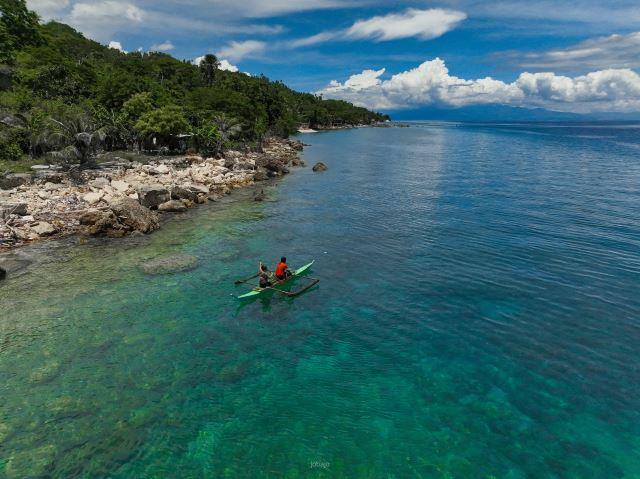
Cebu
Cebu sits at the center of the central Philippines, shaped by seafaring trade and early colonial contact. It was here that Spanish rule first took hold in the 16th century, leaving a legacy visible in churches, street patterns, and long-standing ties to Catholic tradition.